More weeding & swimming in the Mountains to Sound Greenway.

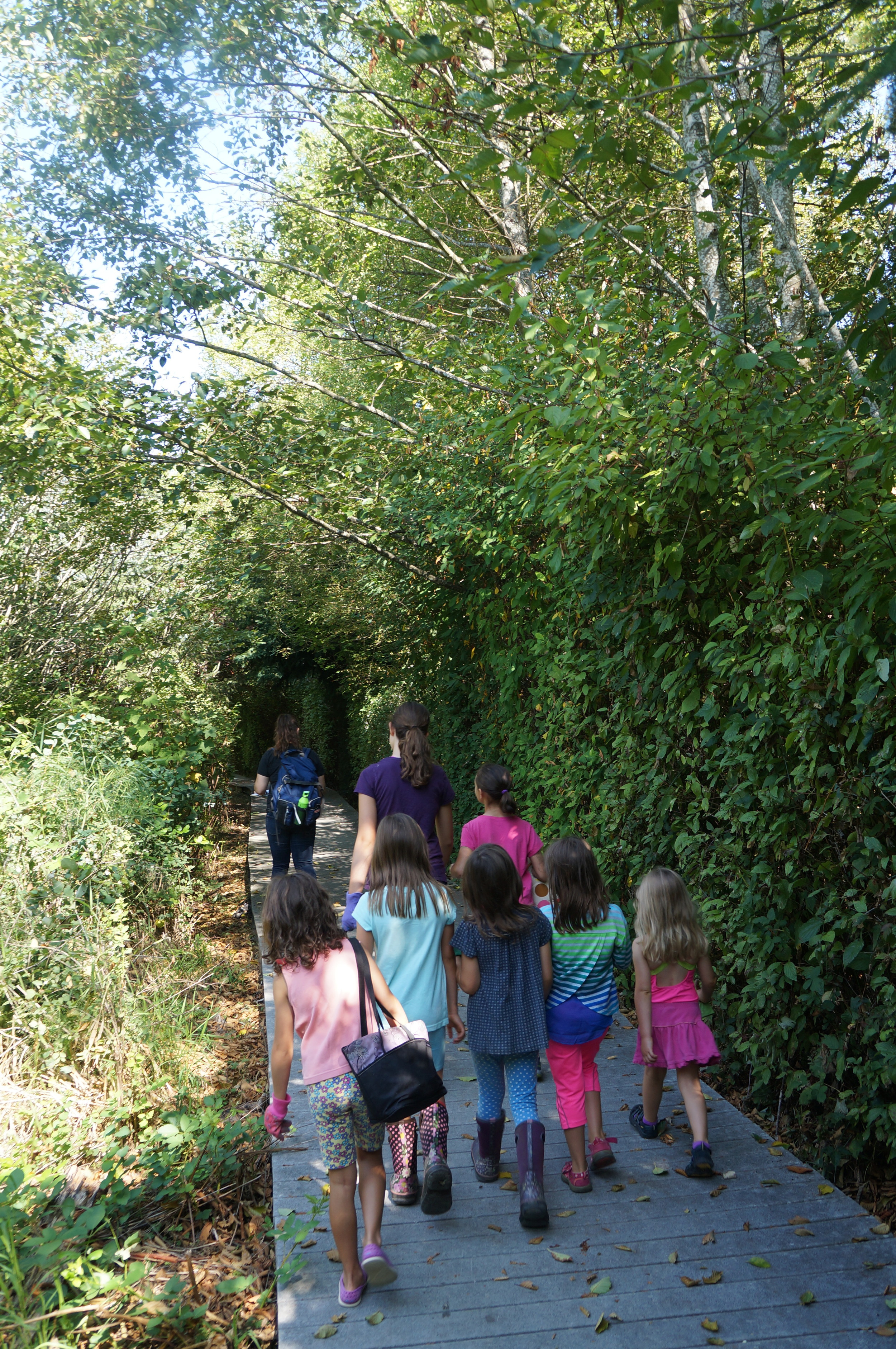
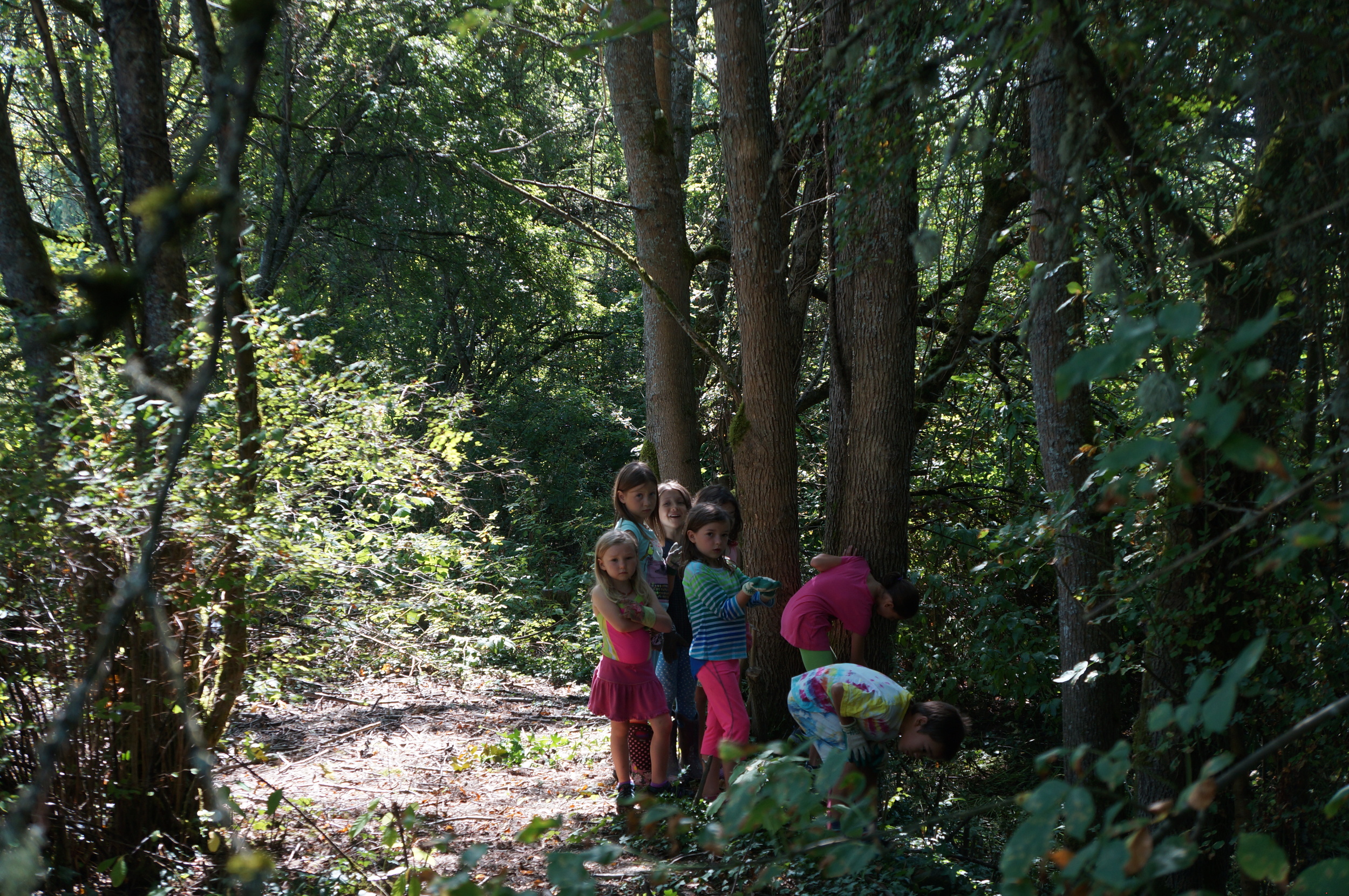
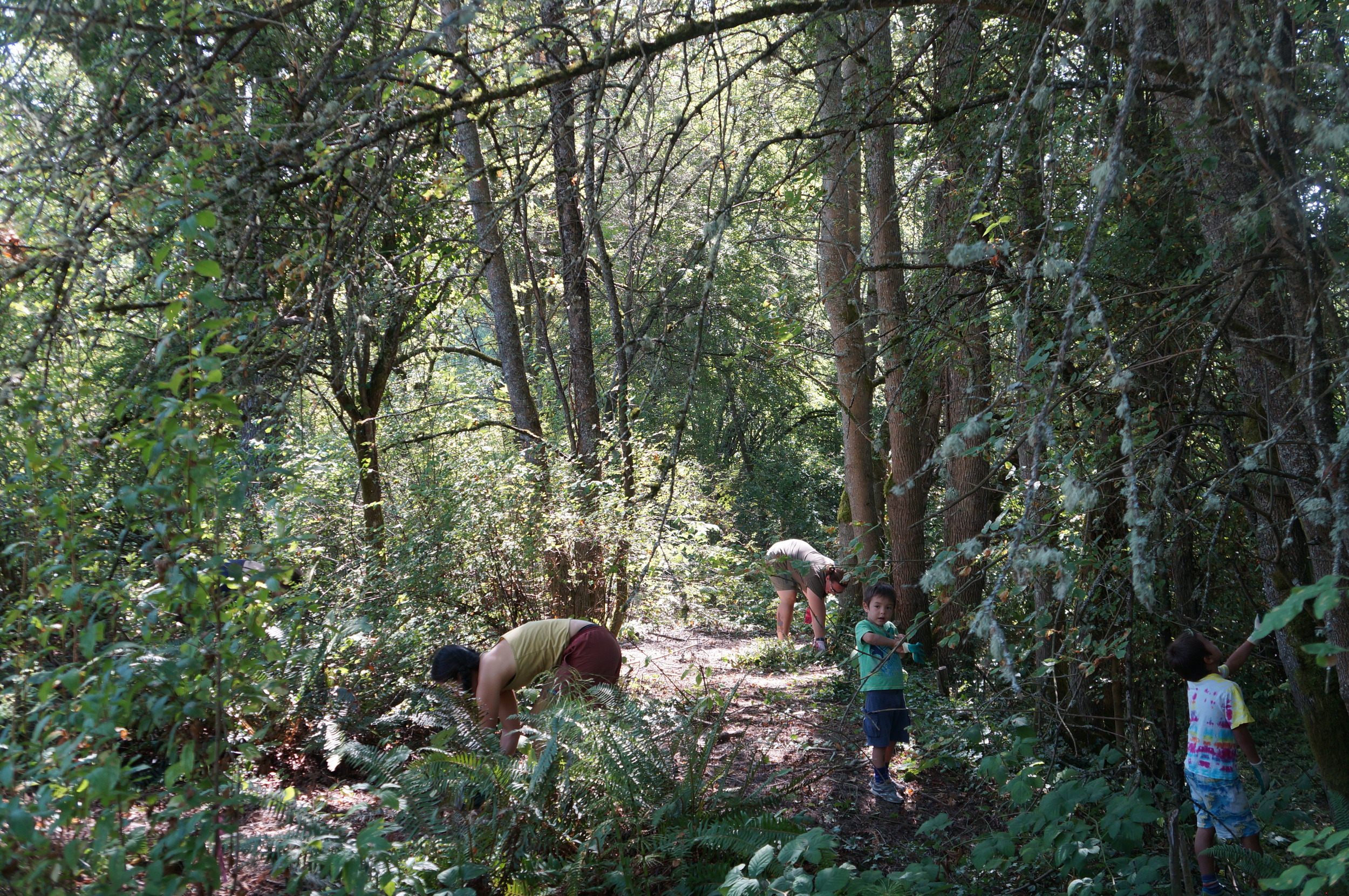
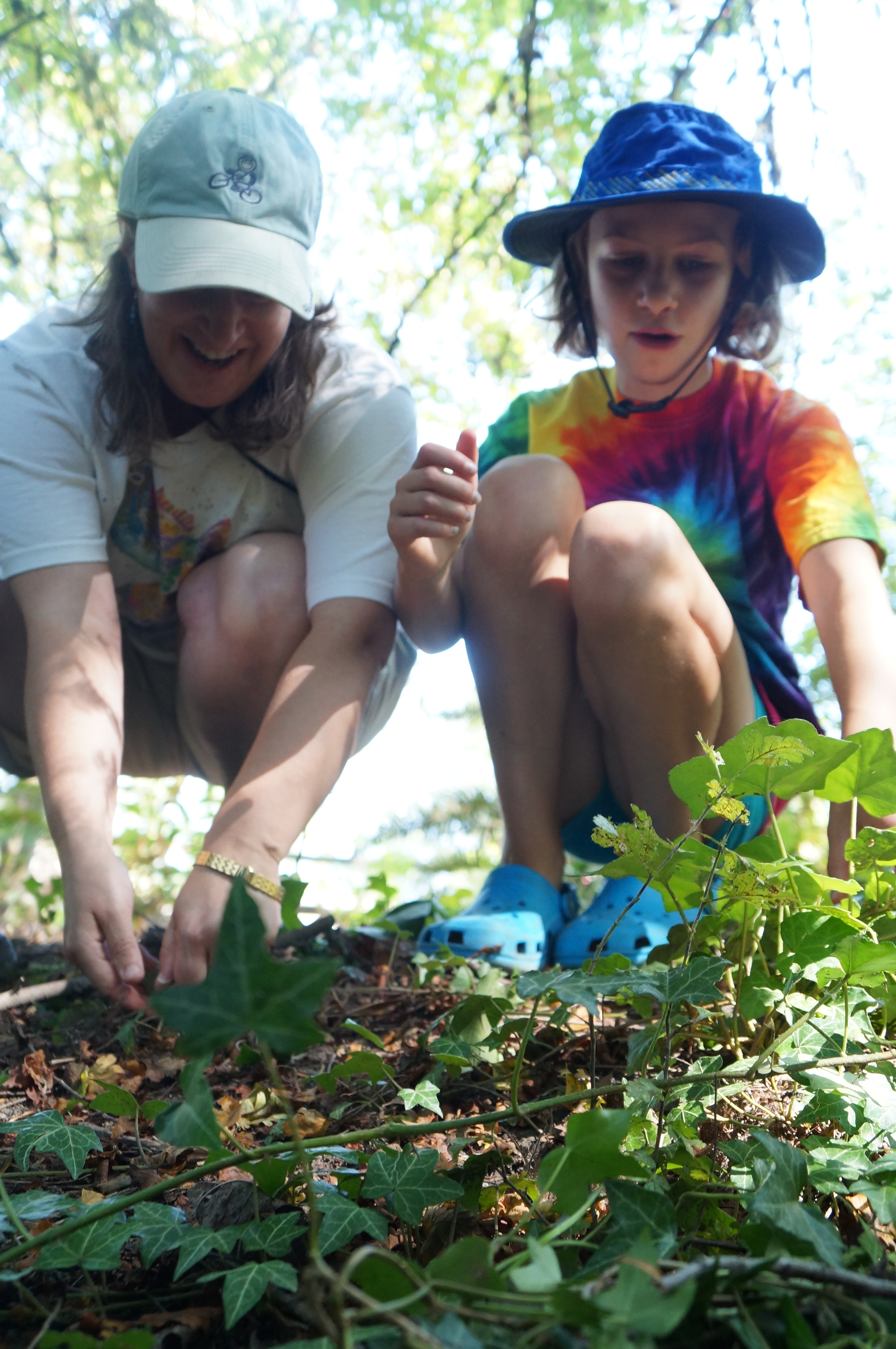
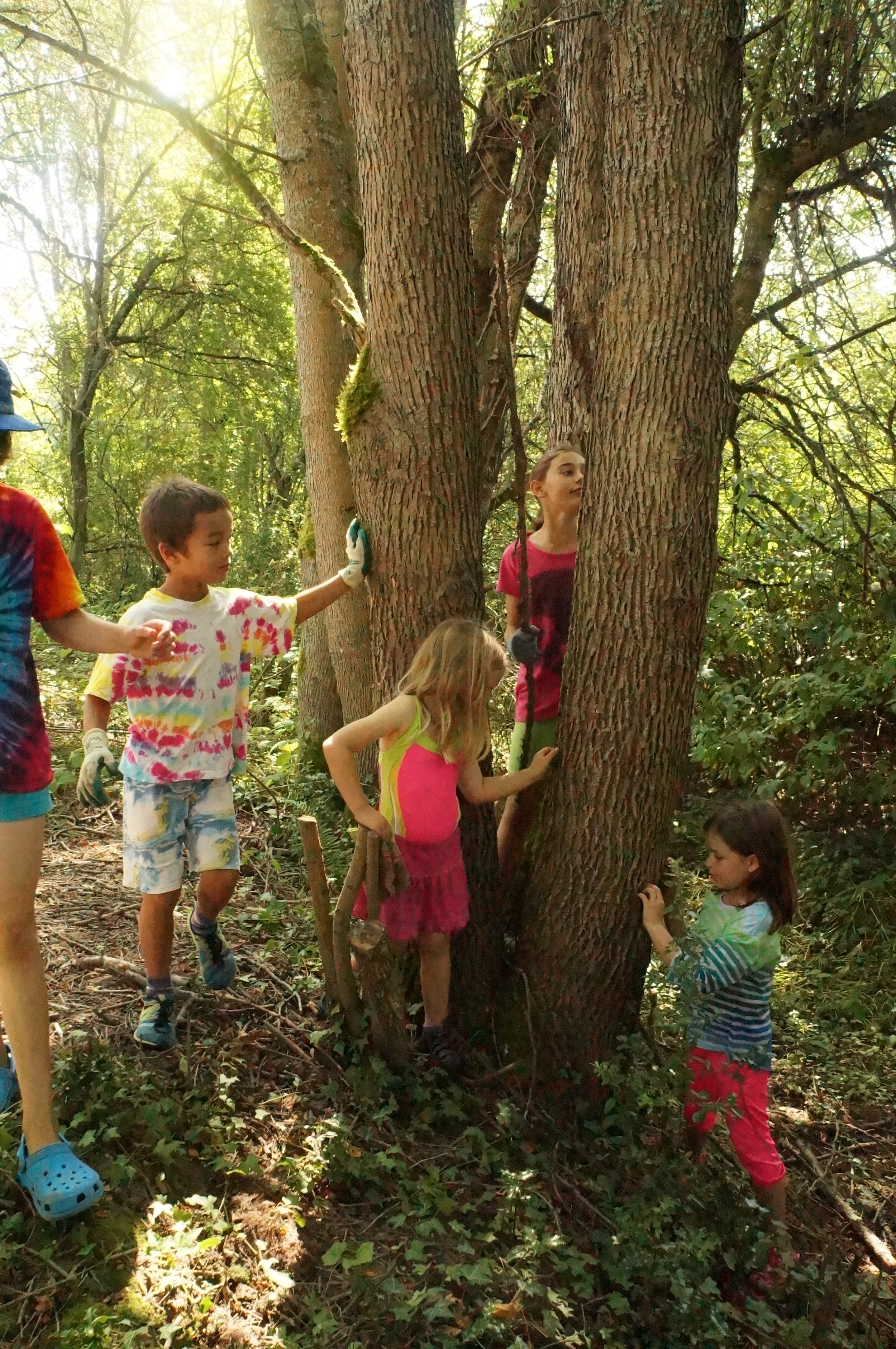
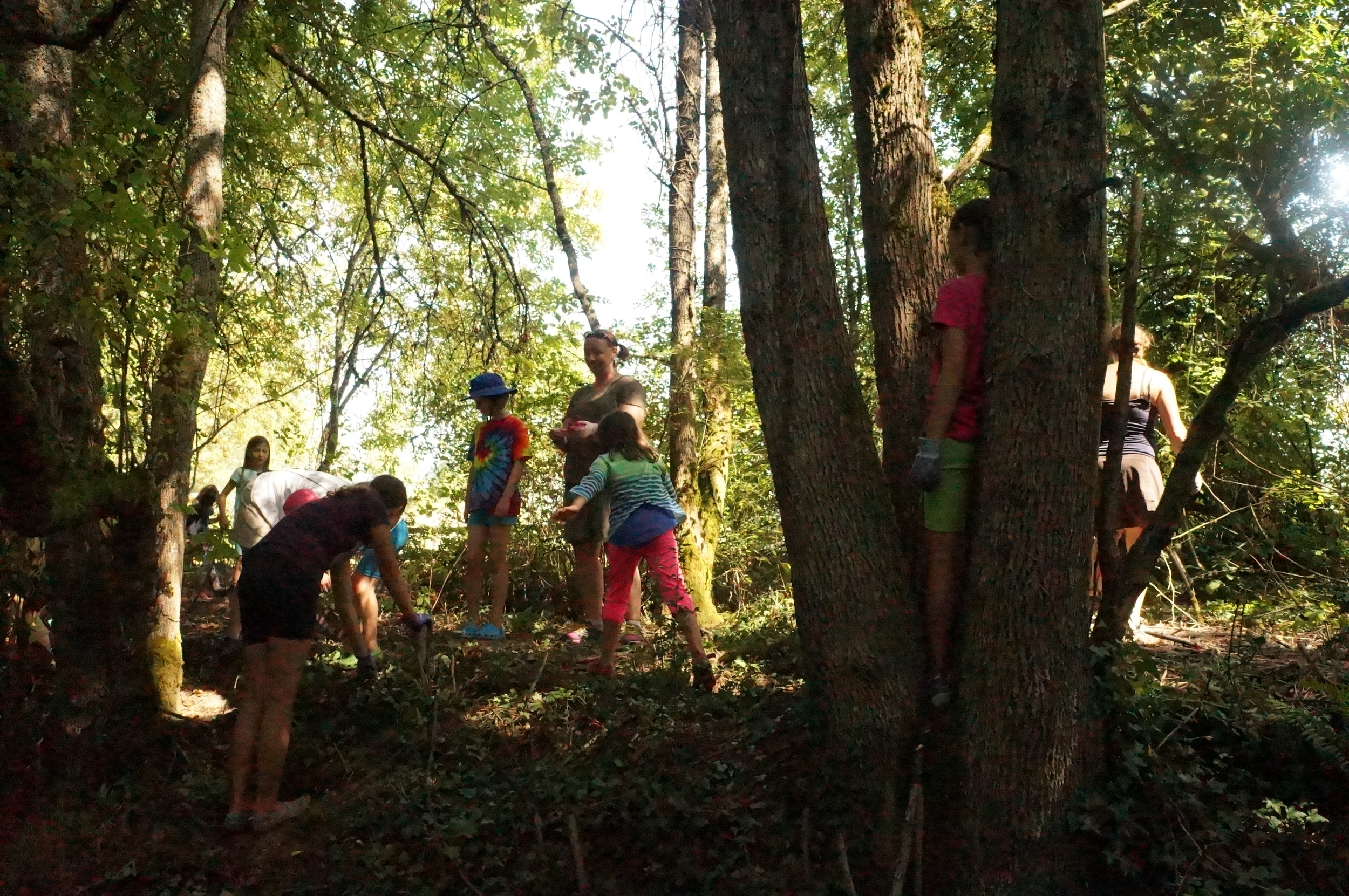
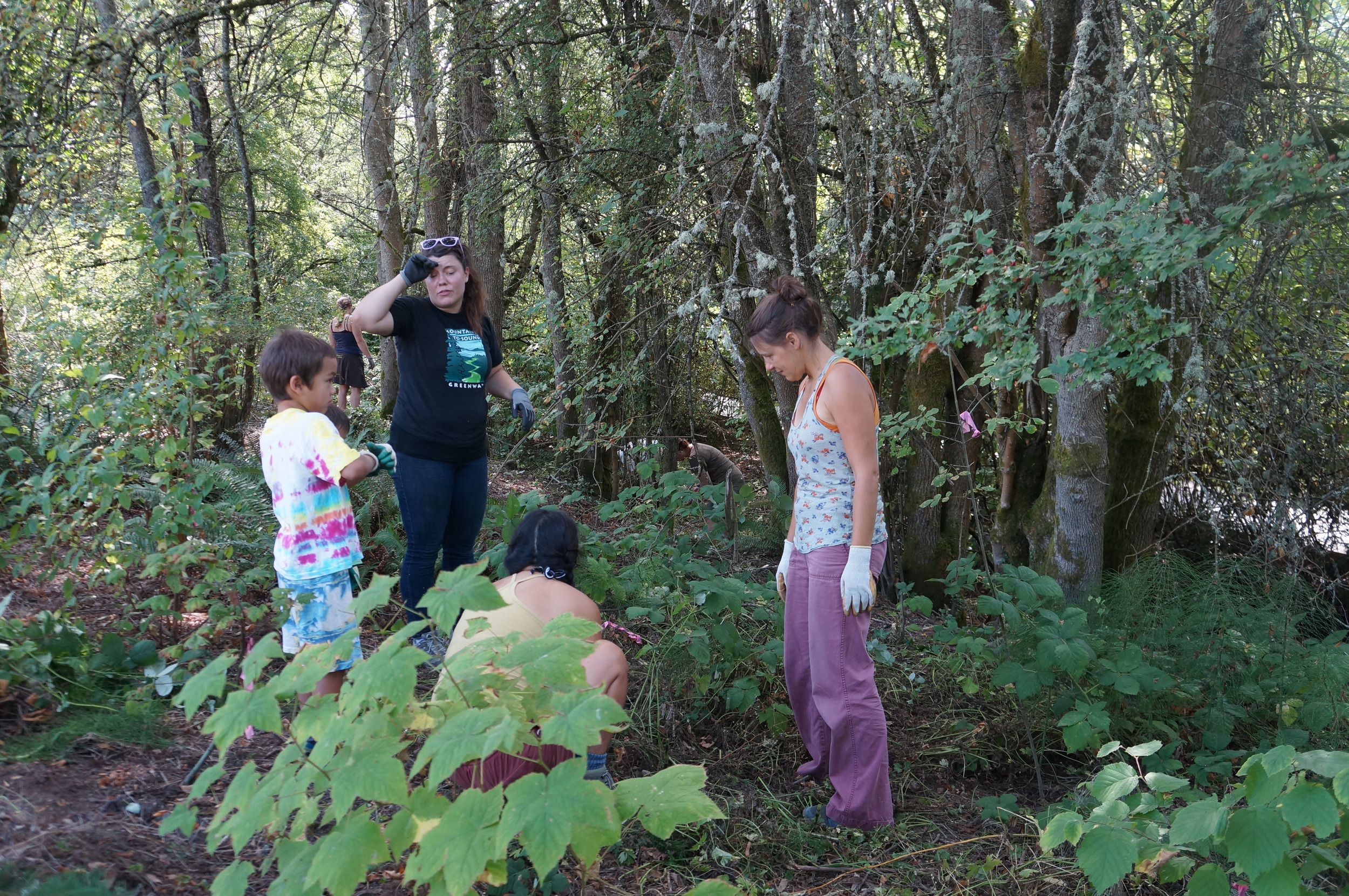
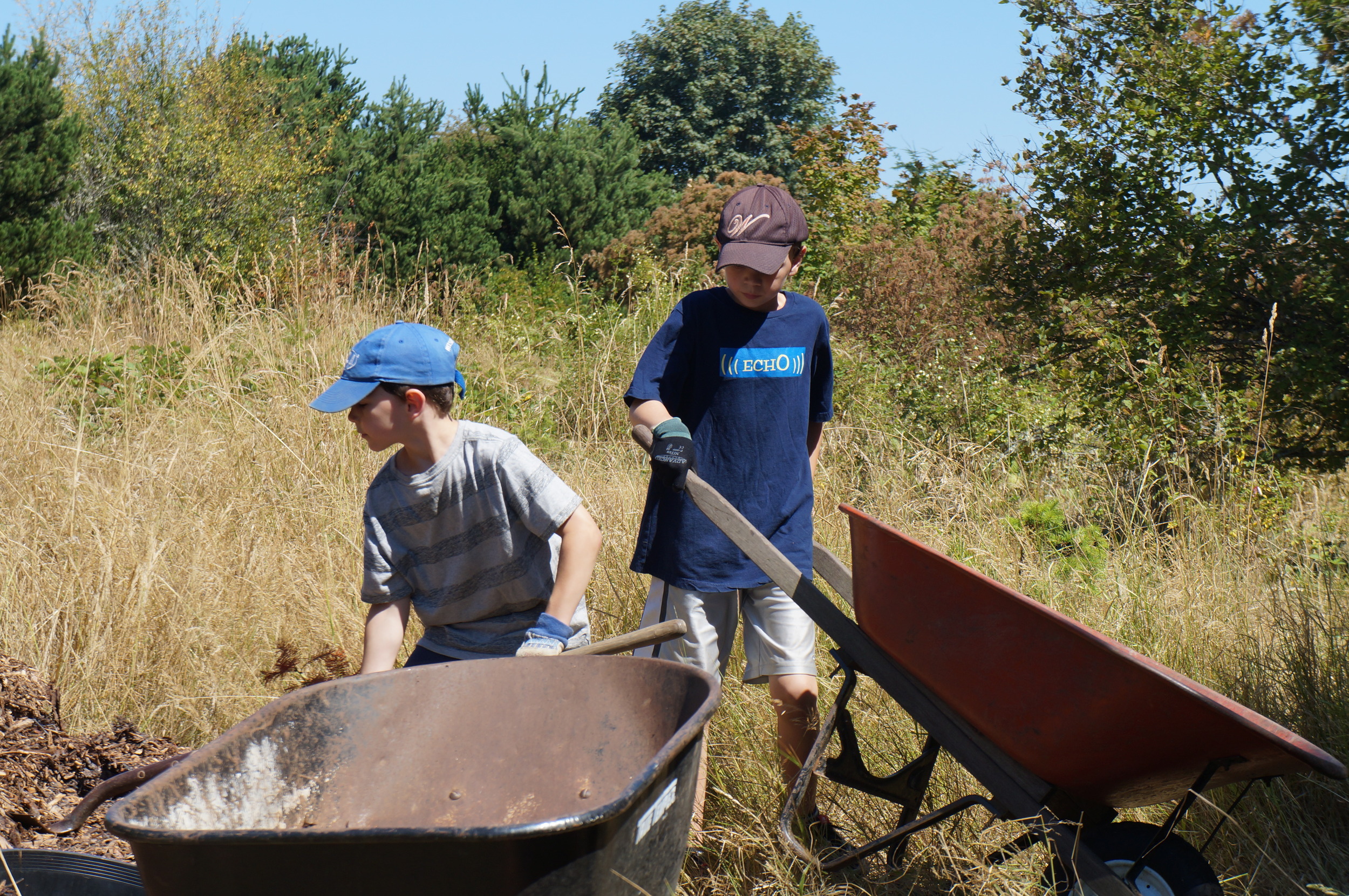
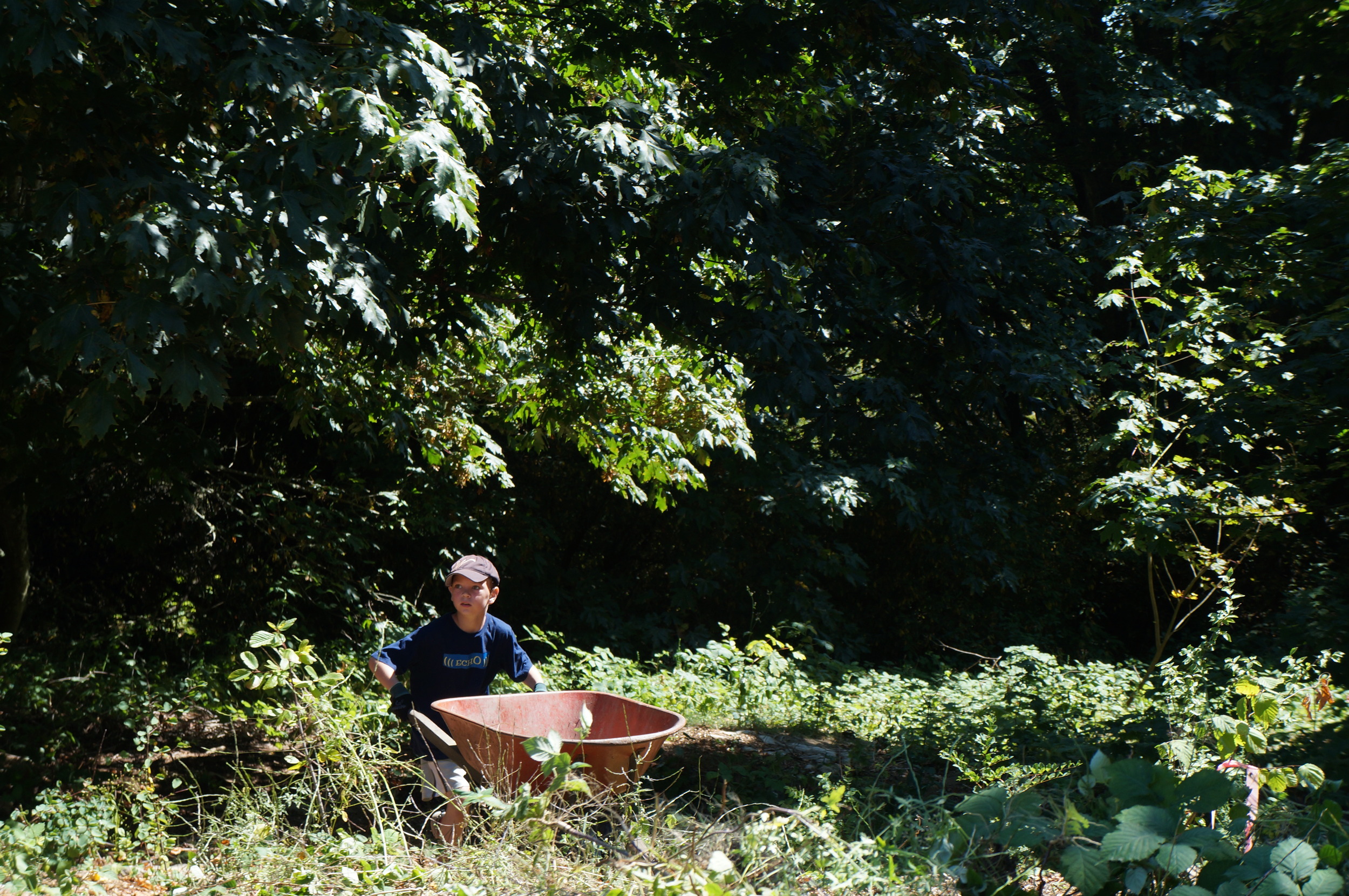
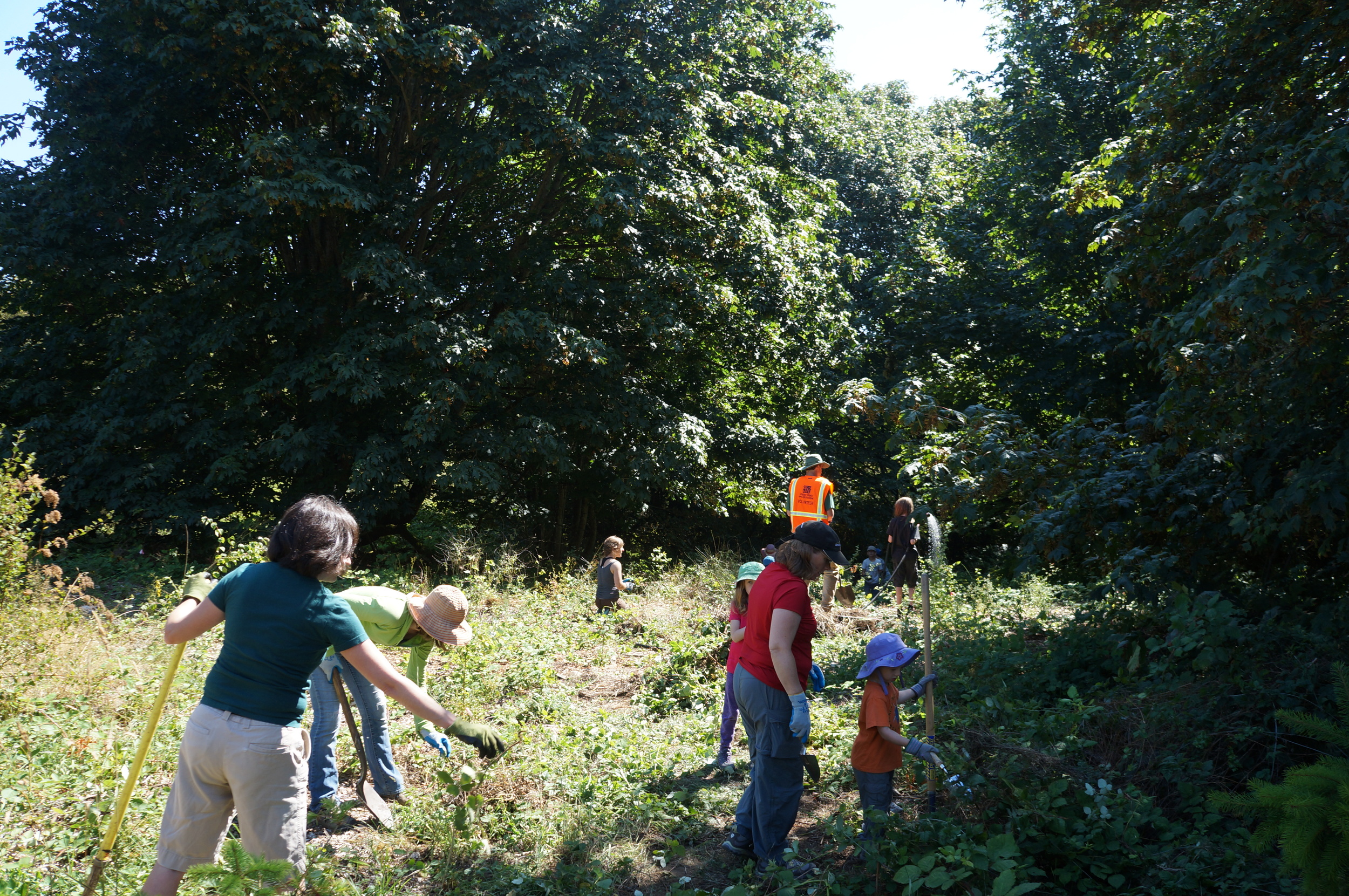
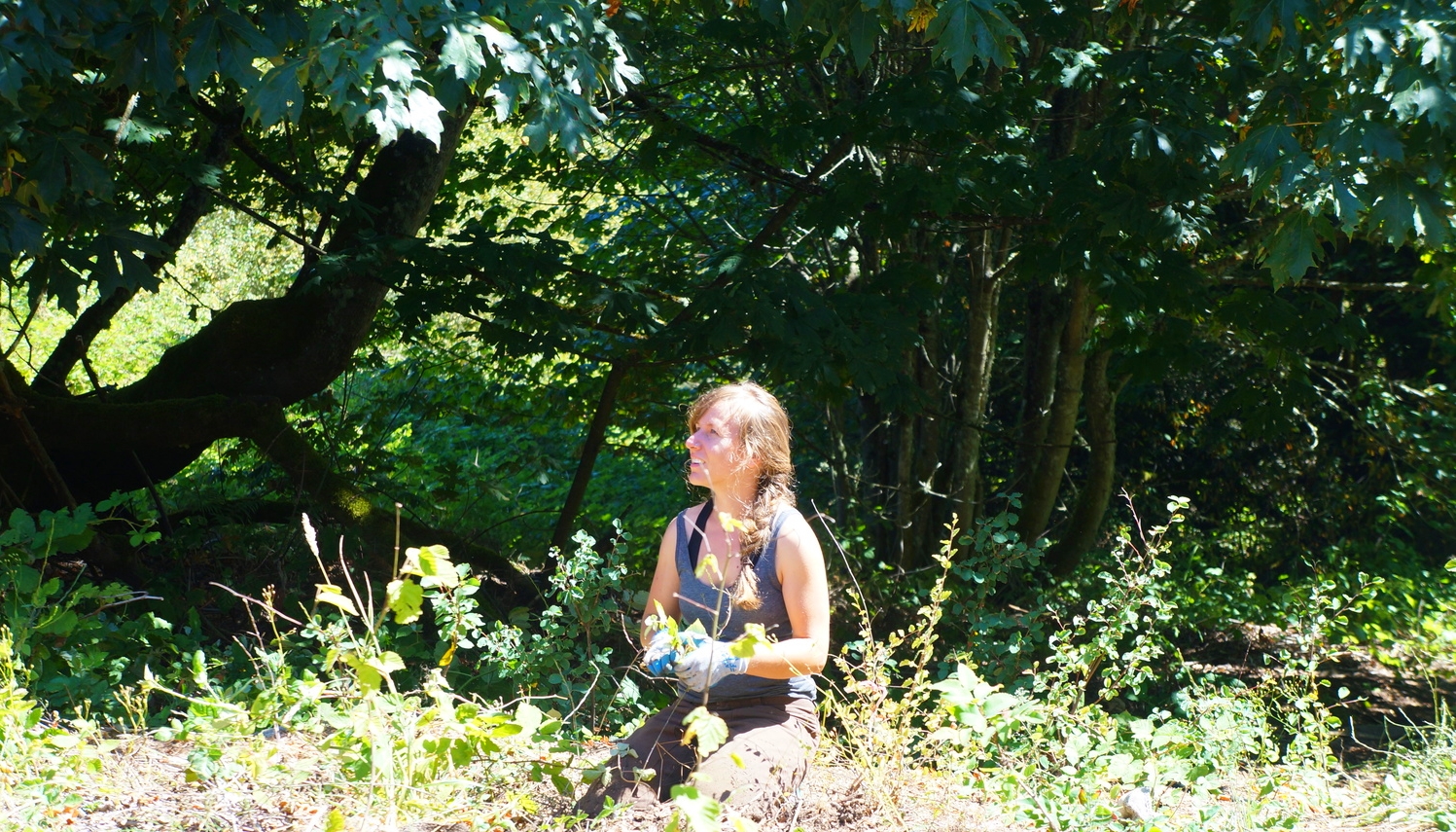
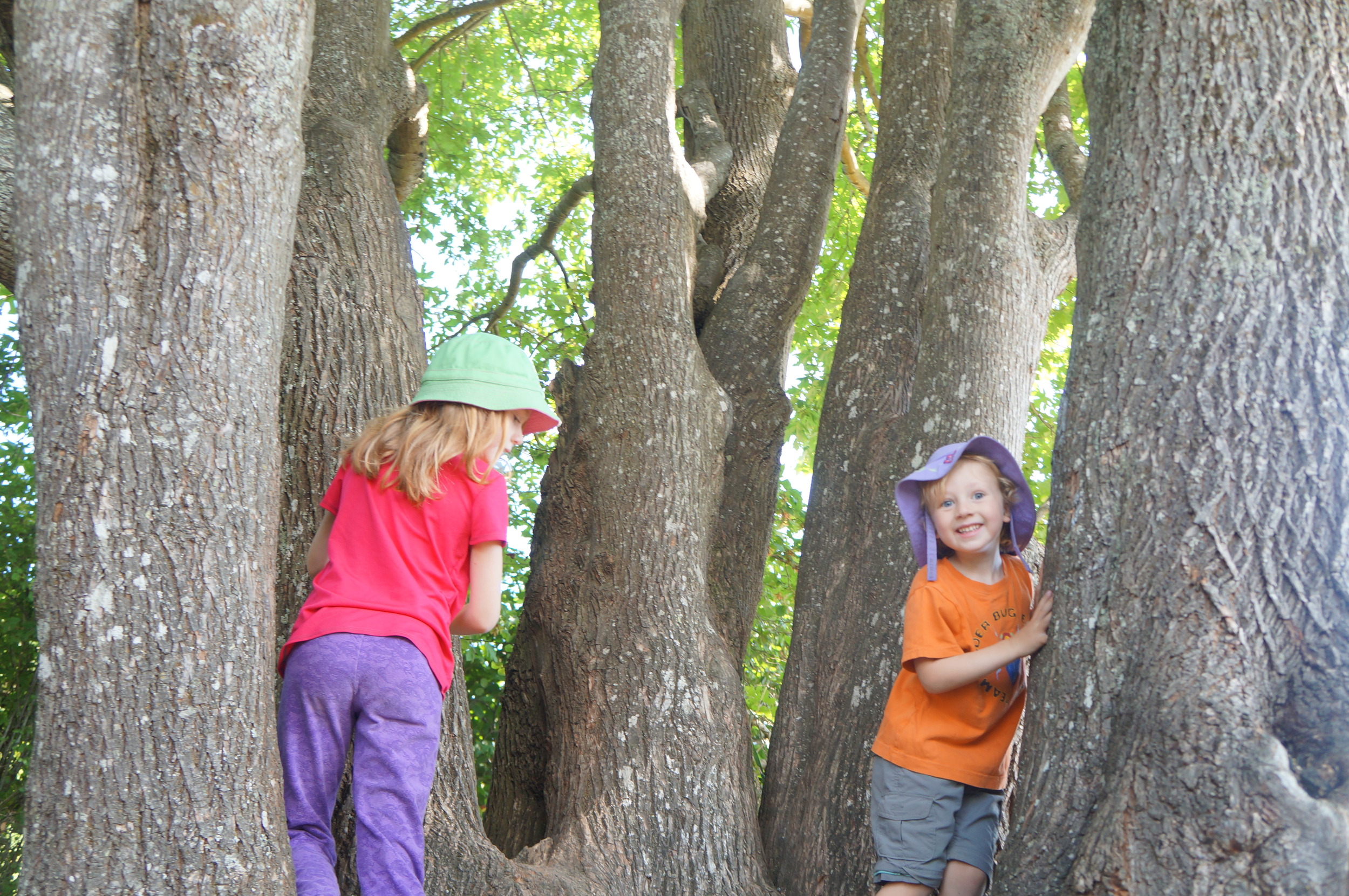
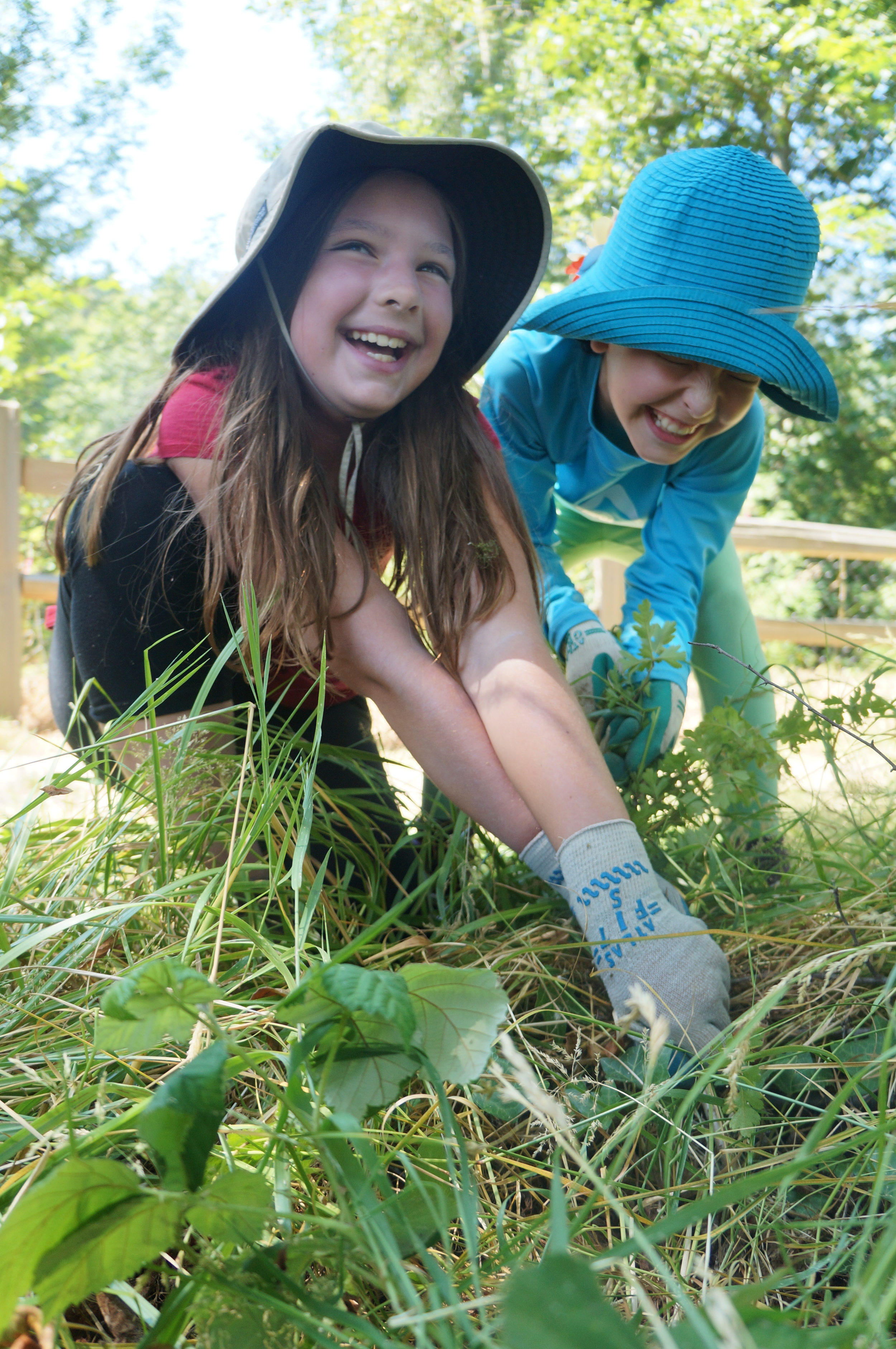
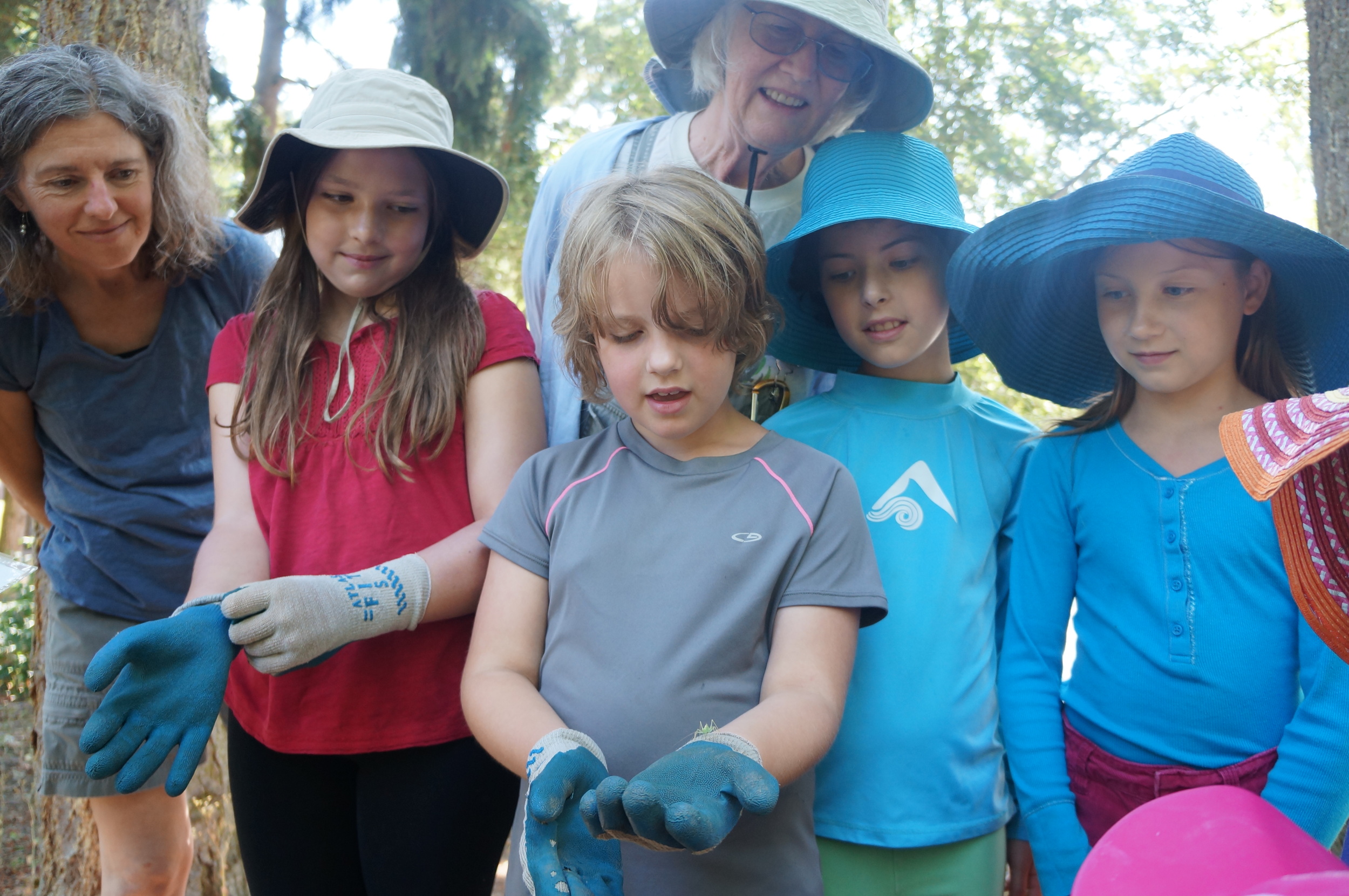
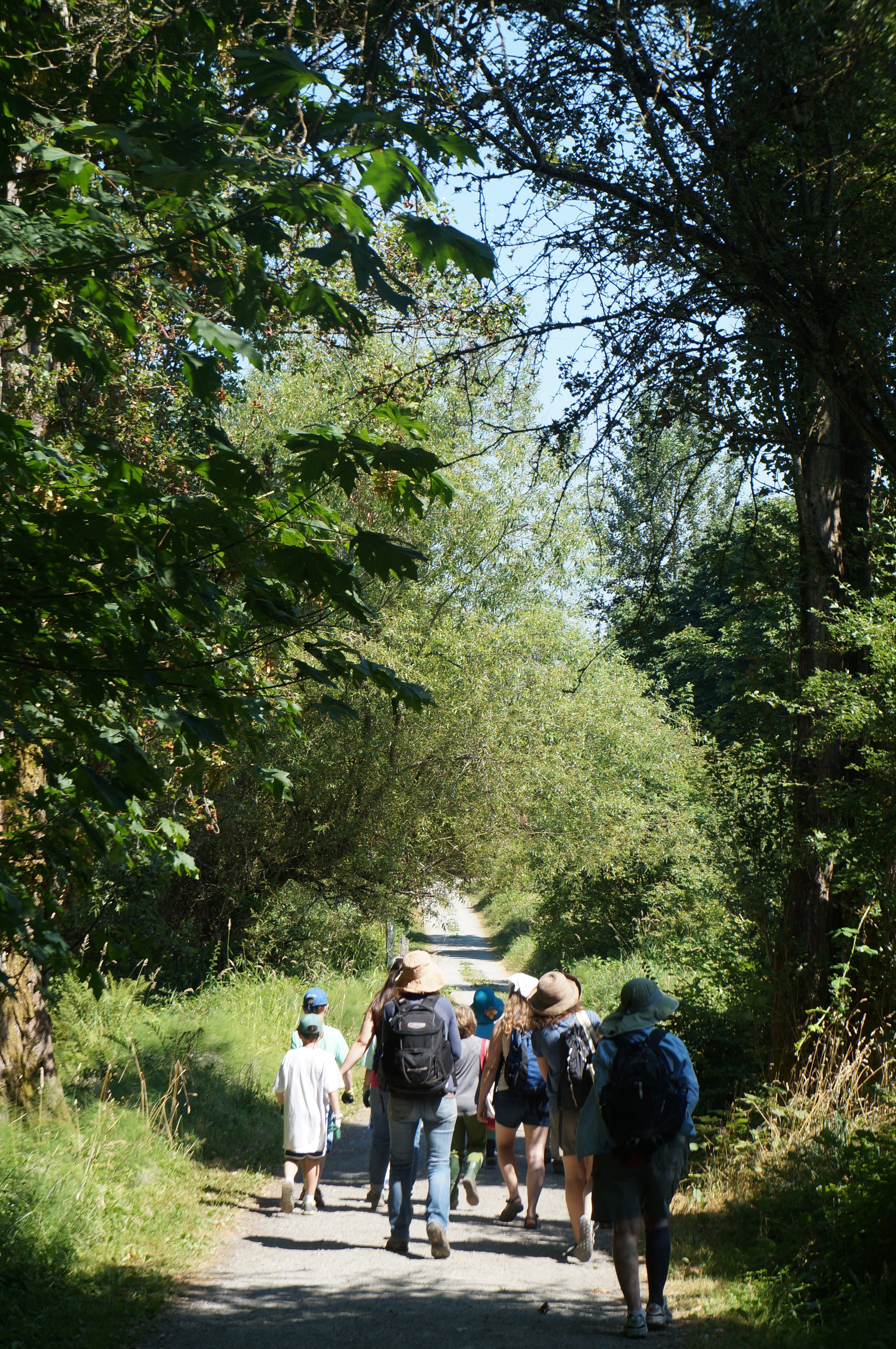
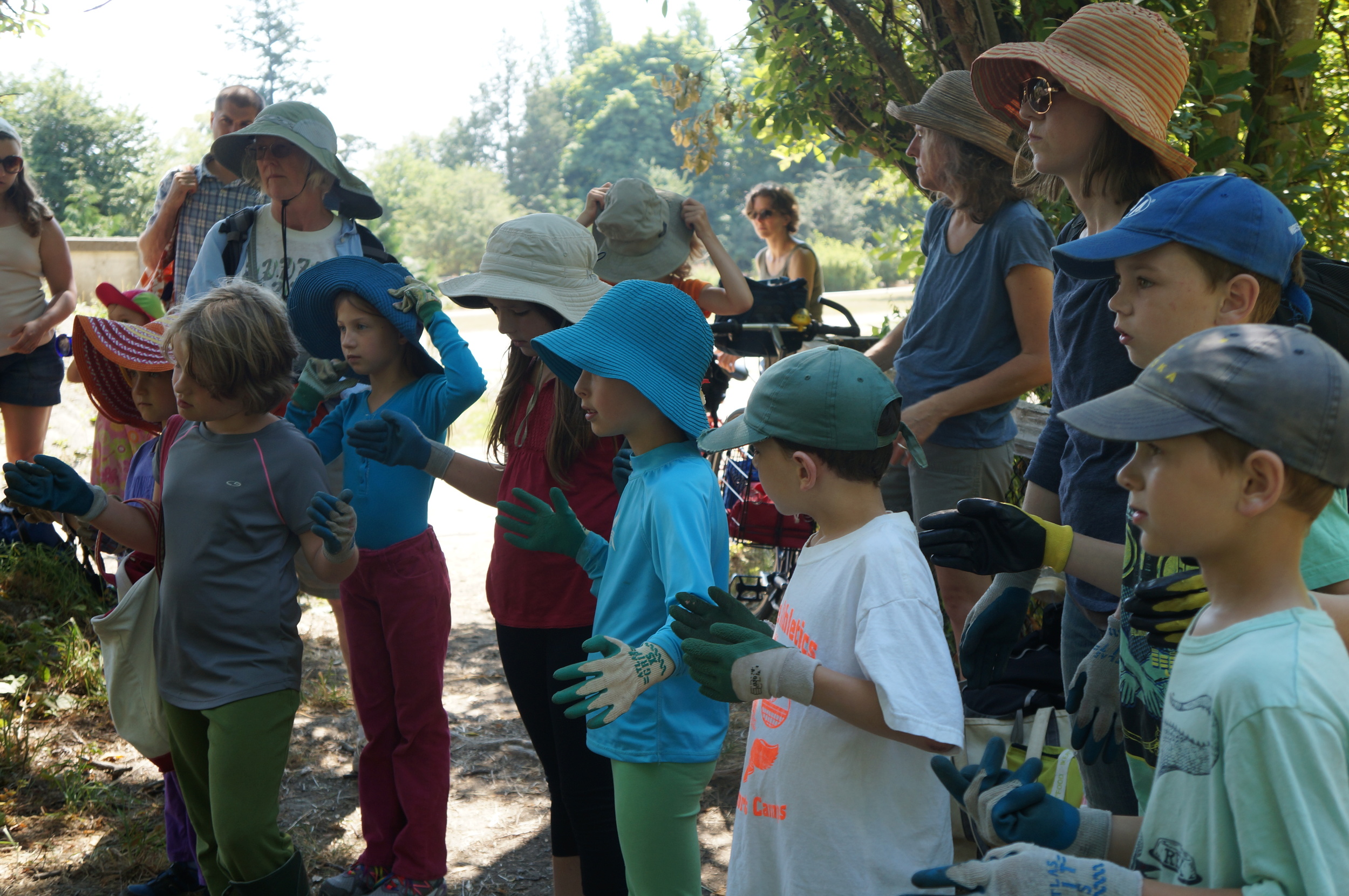
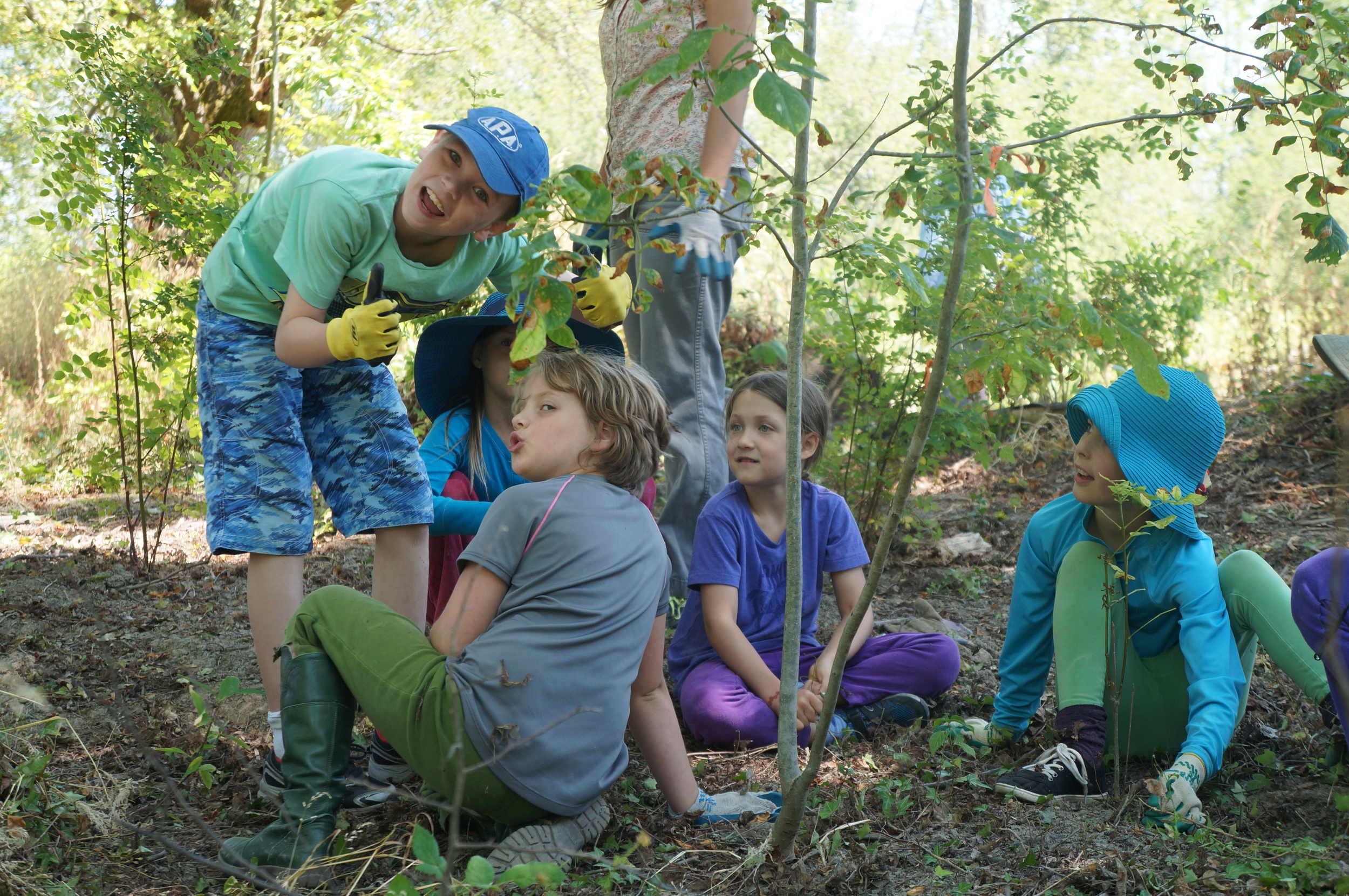
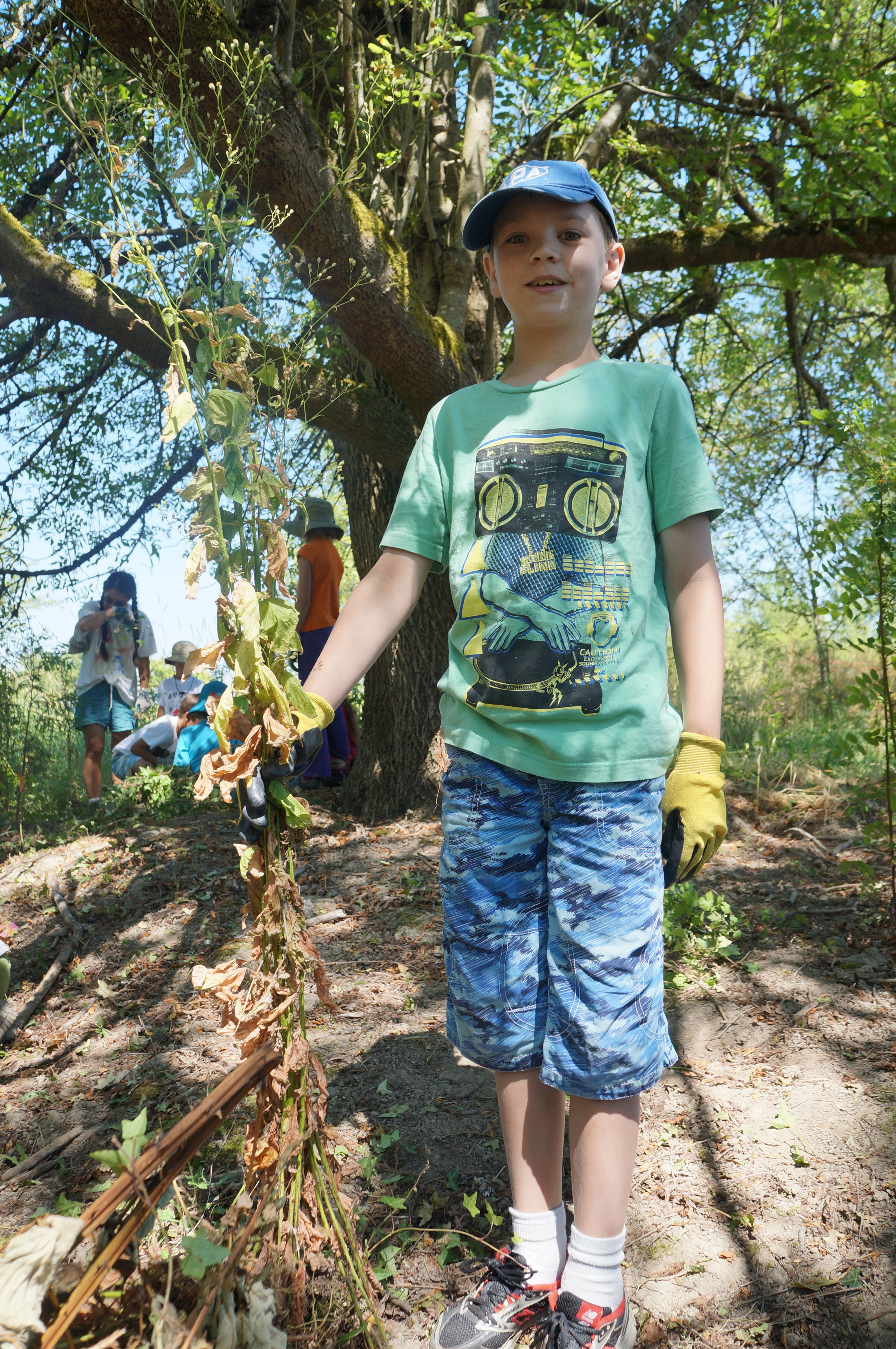
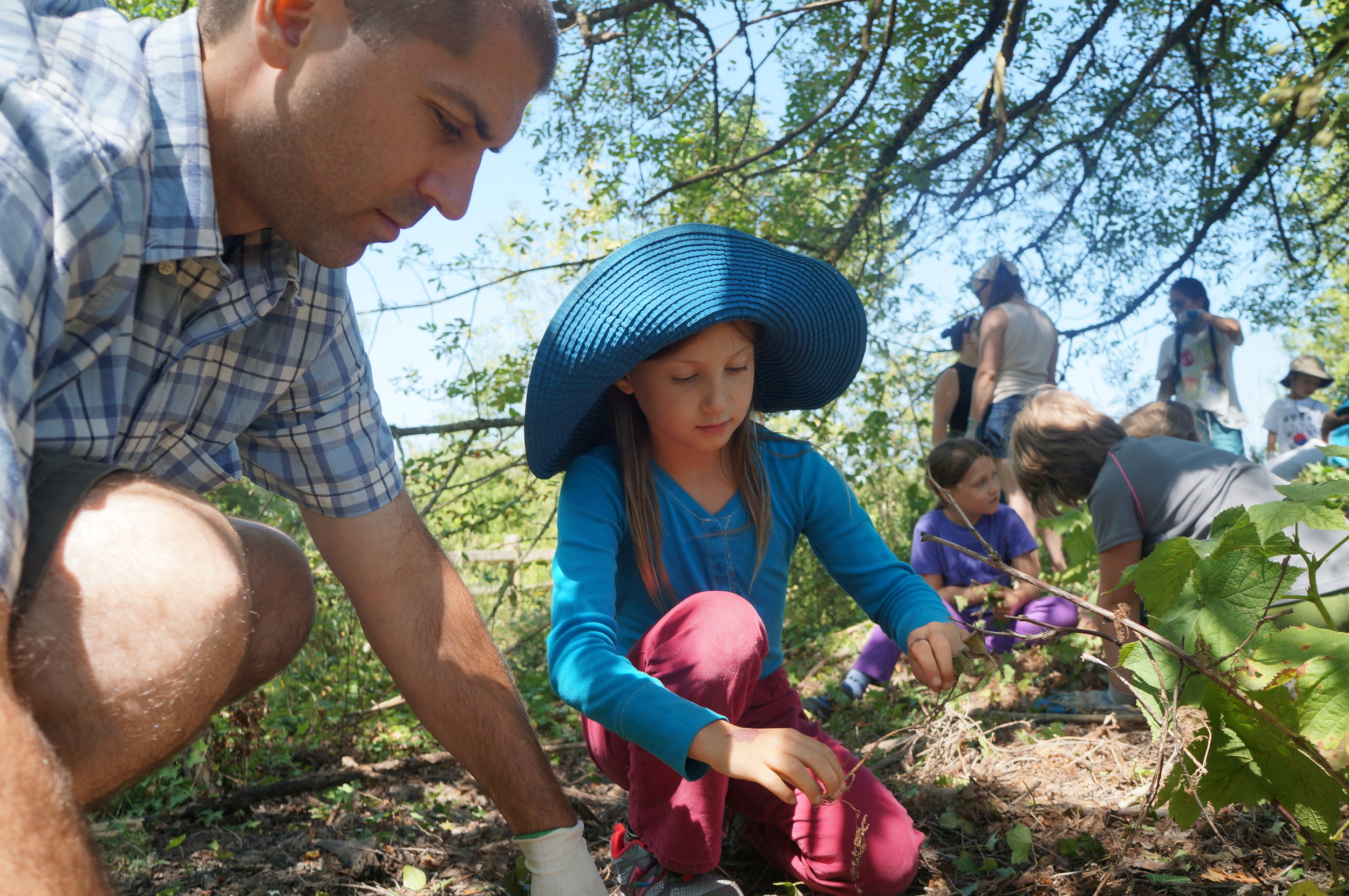
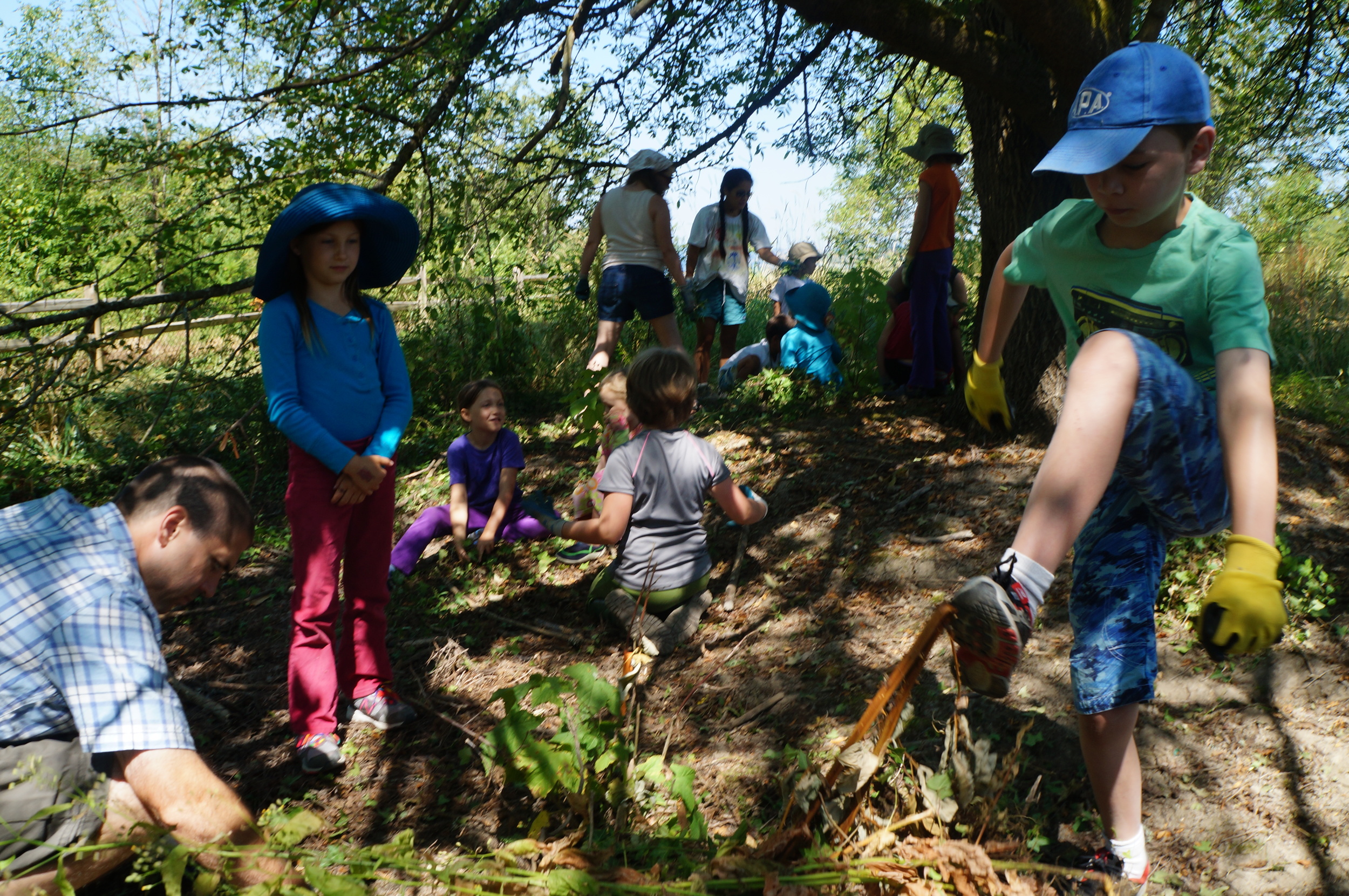
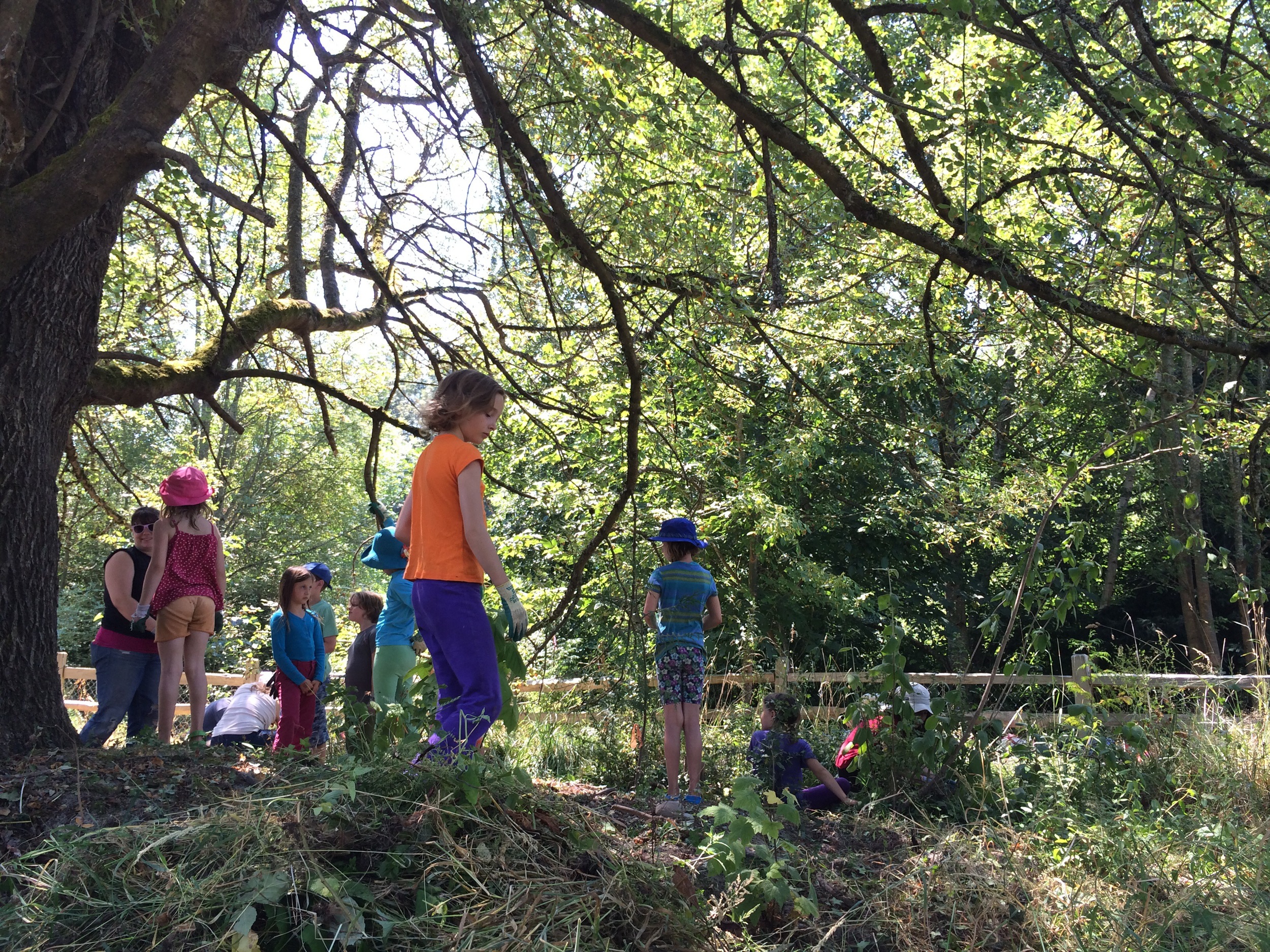
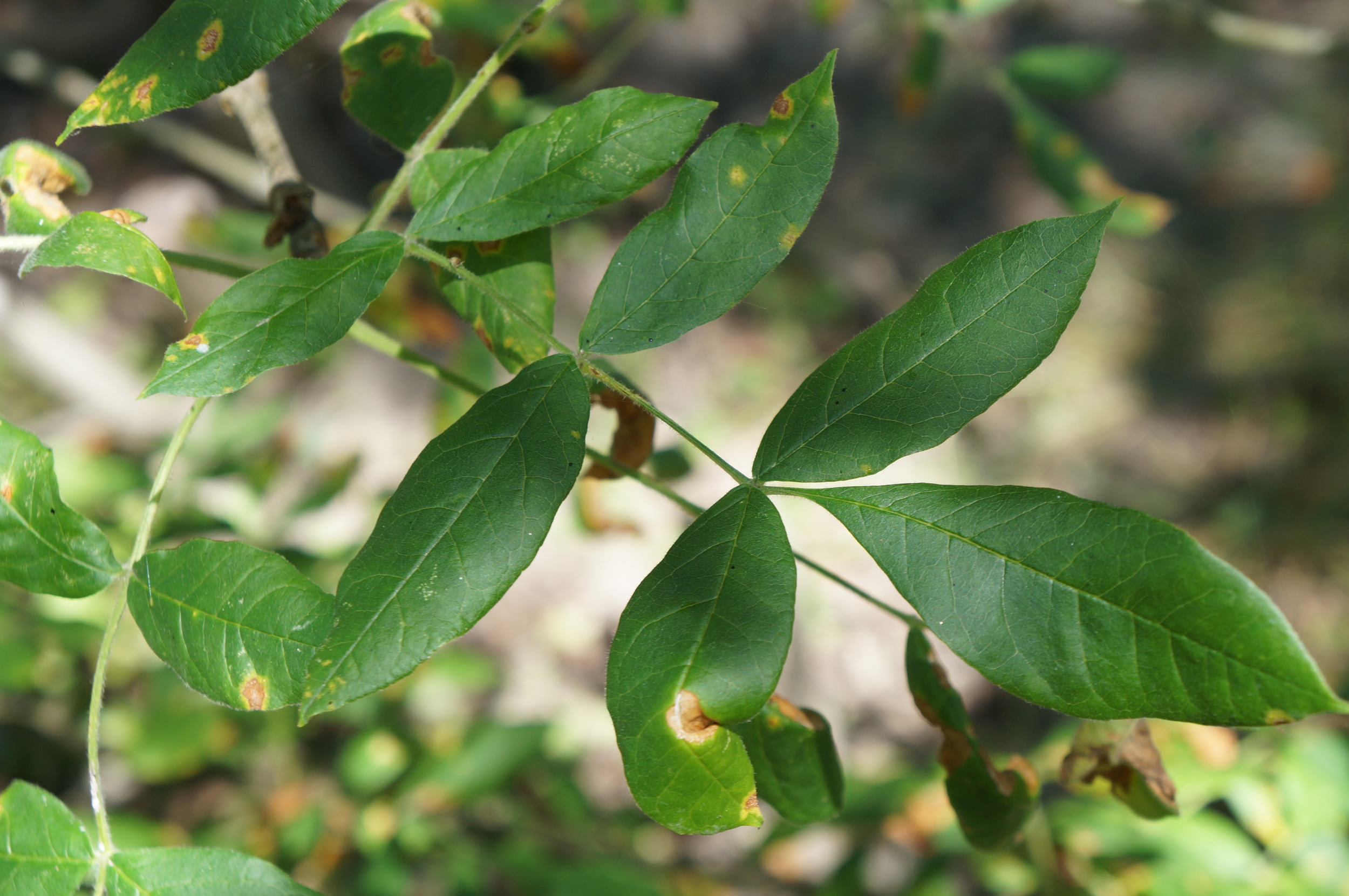
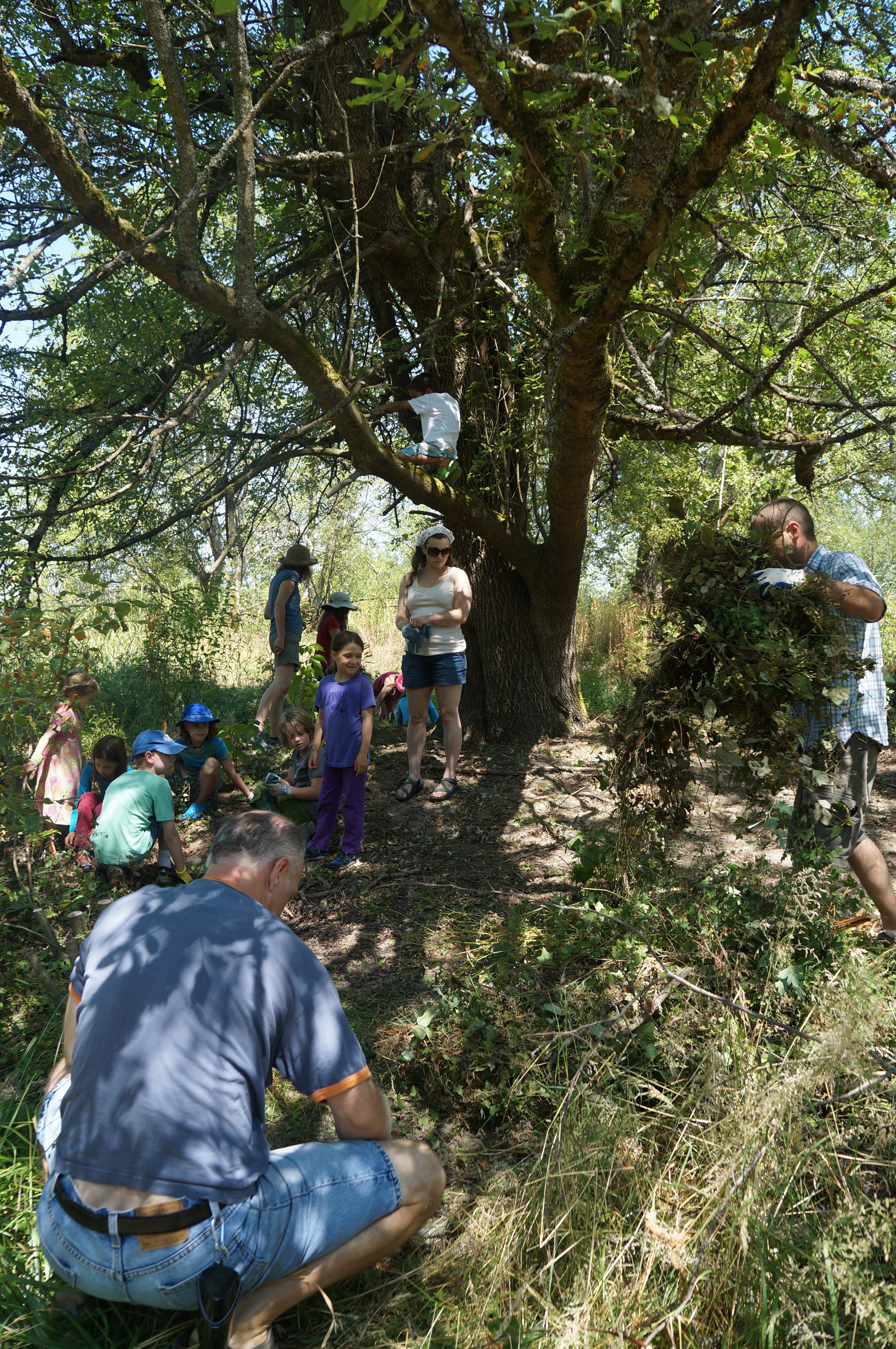
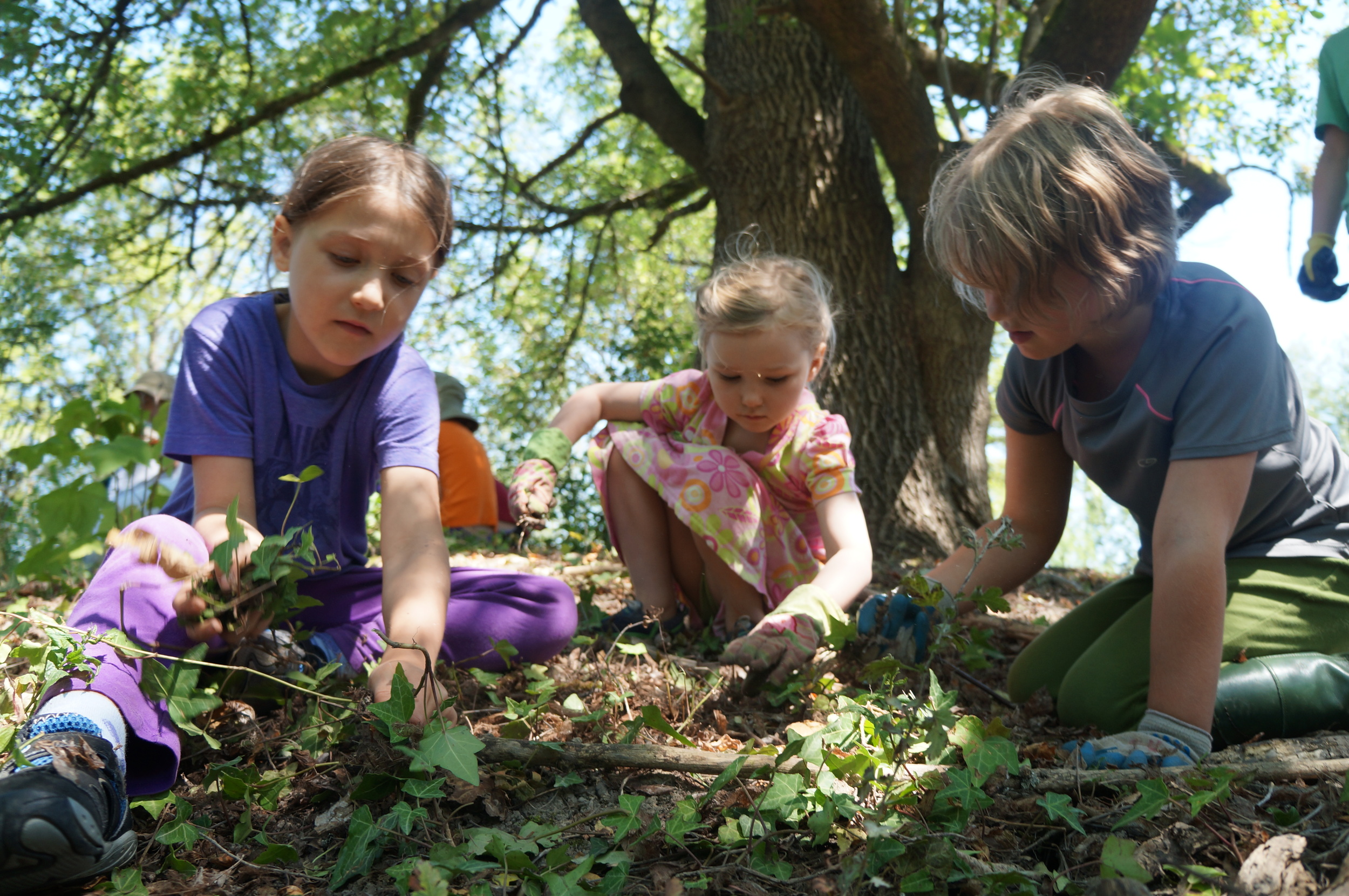
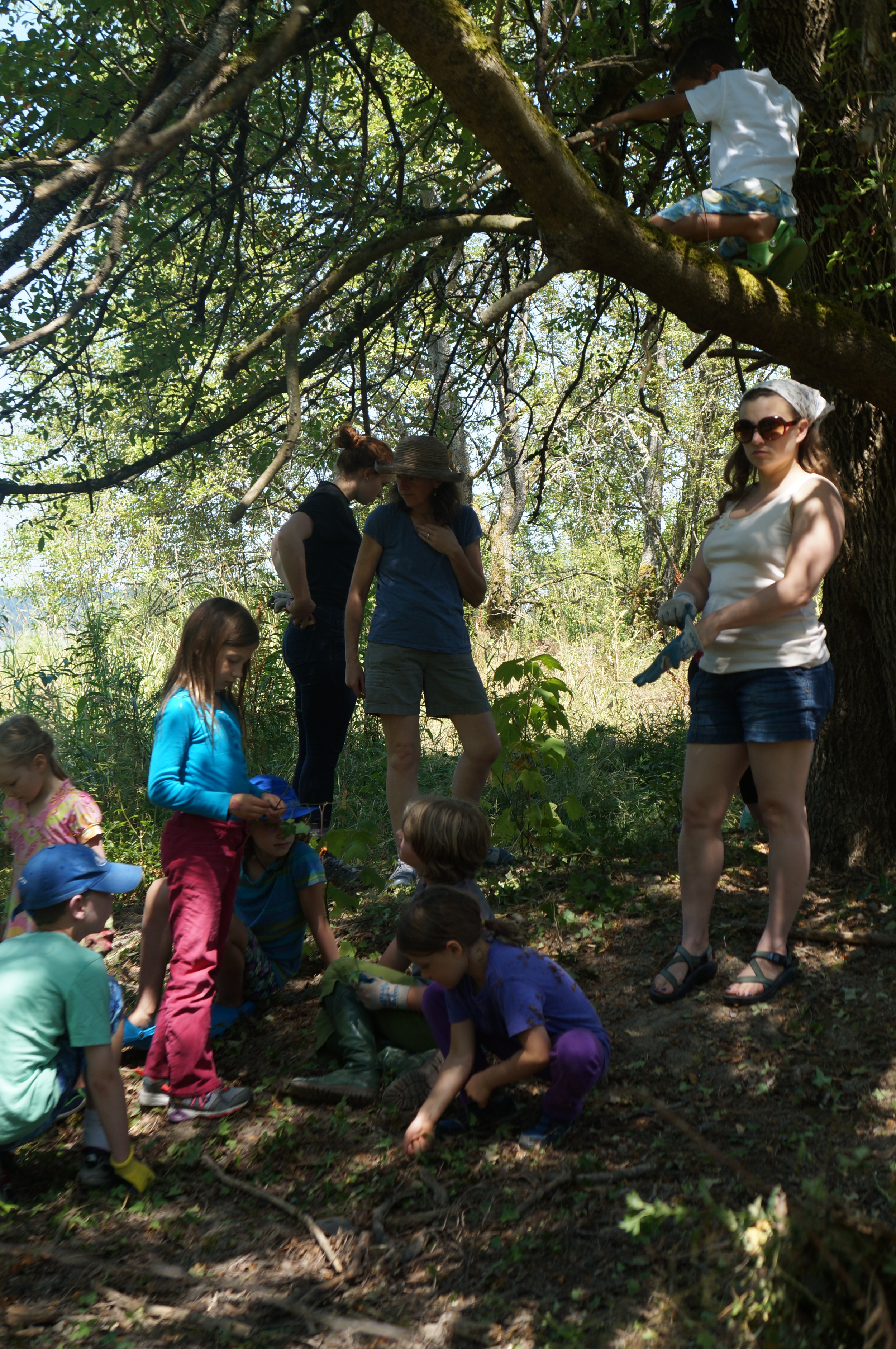
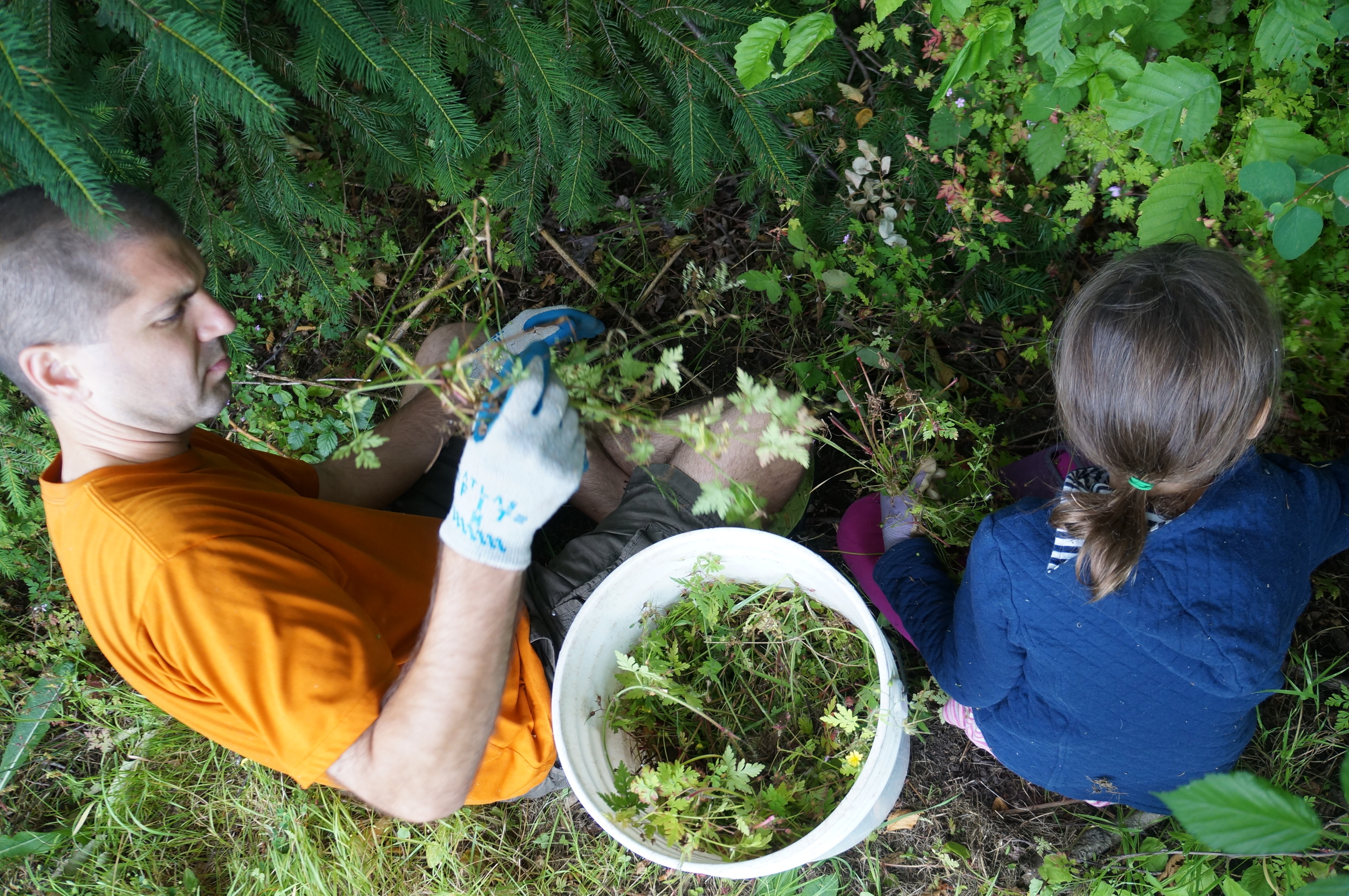
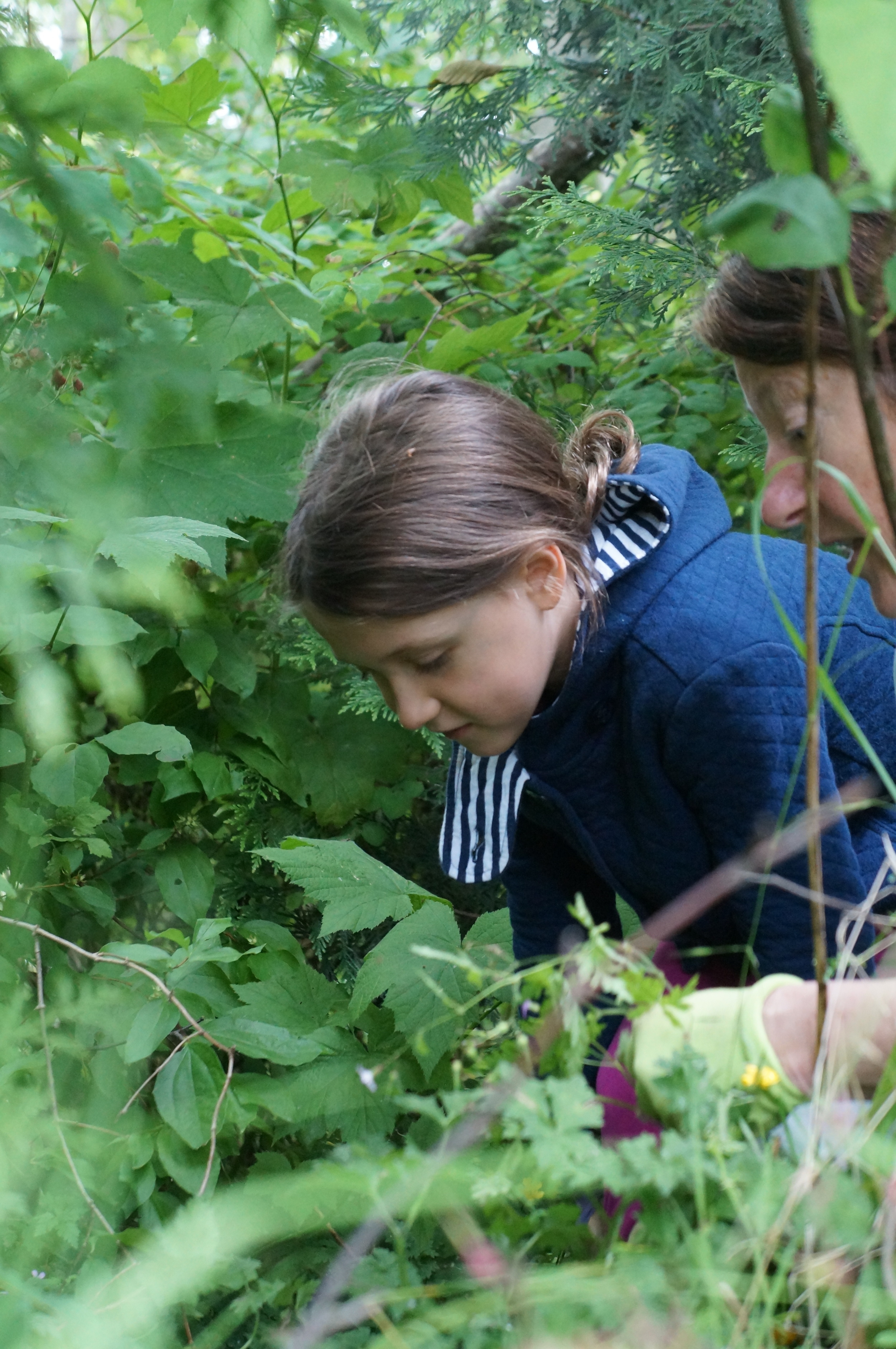
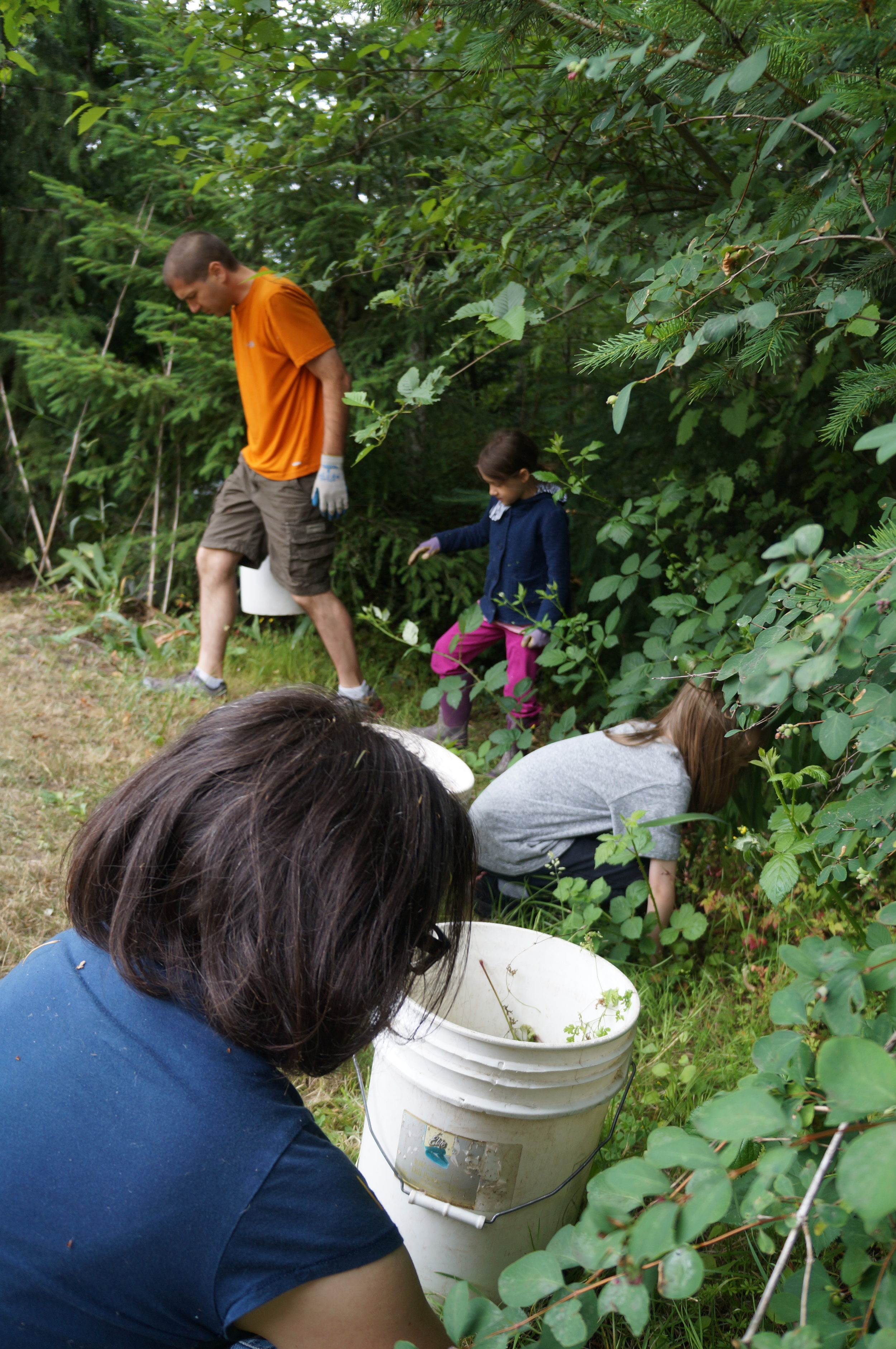
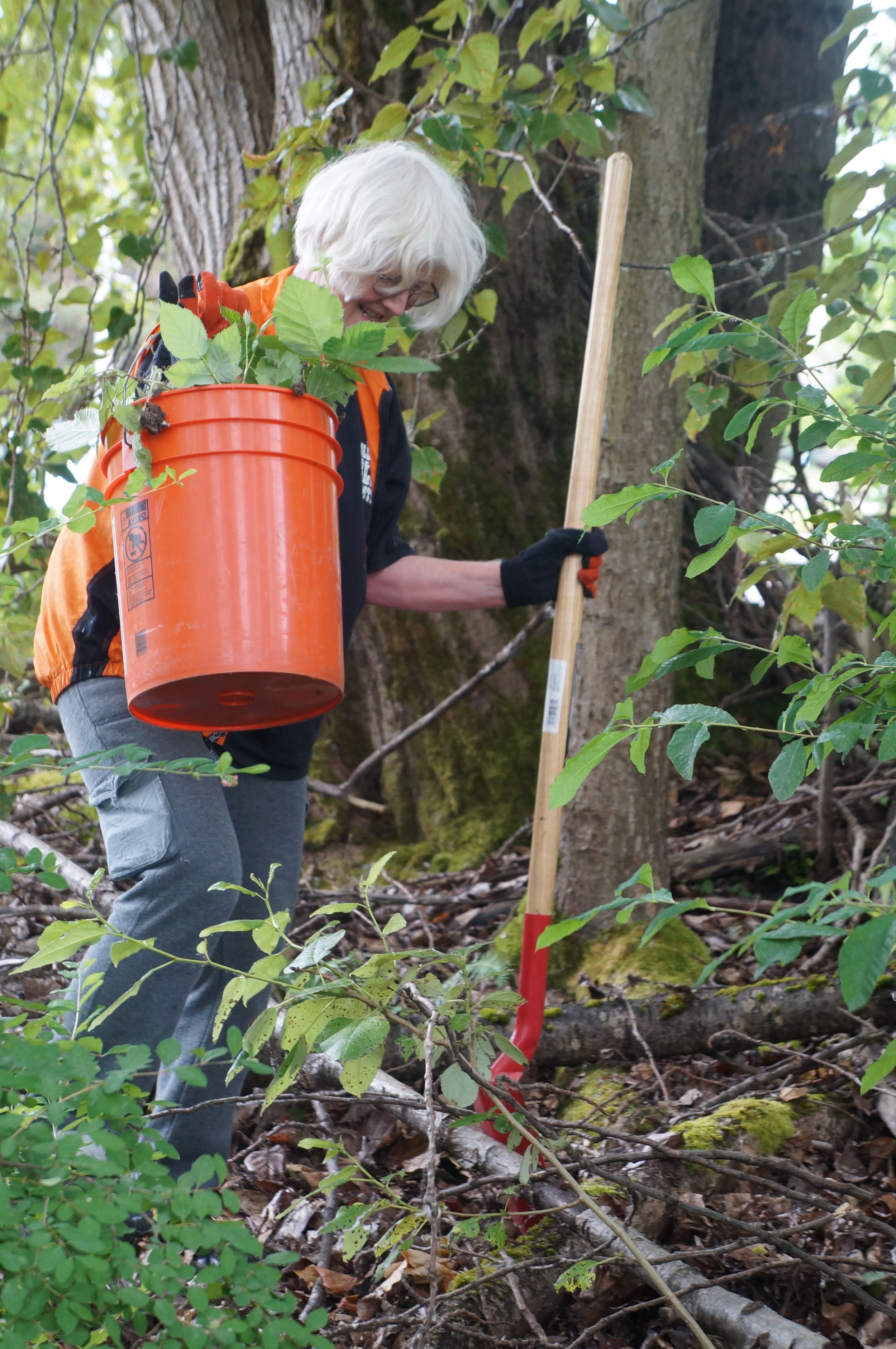
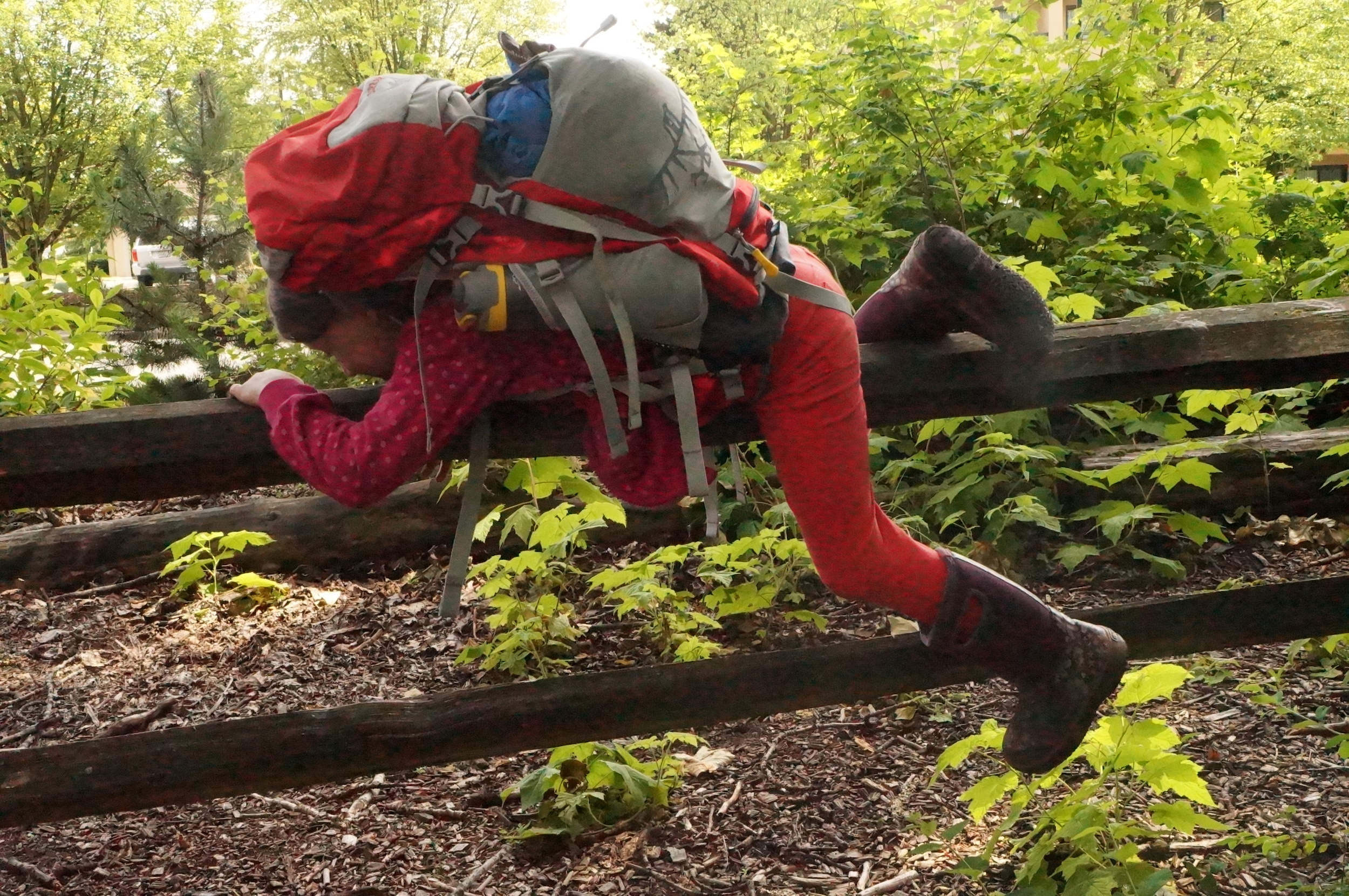
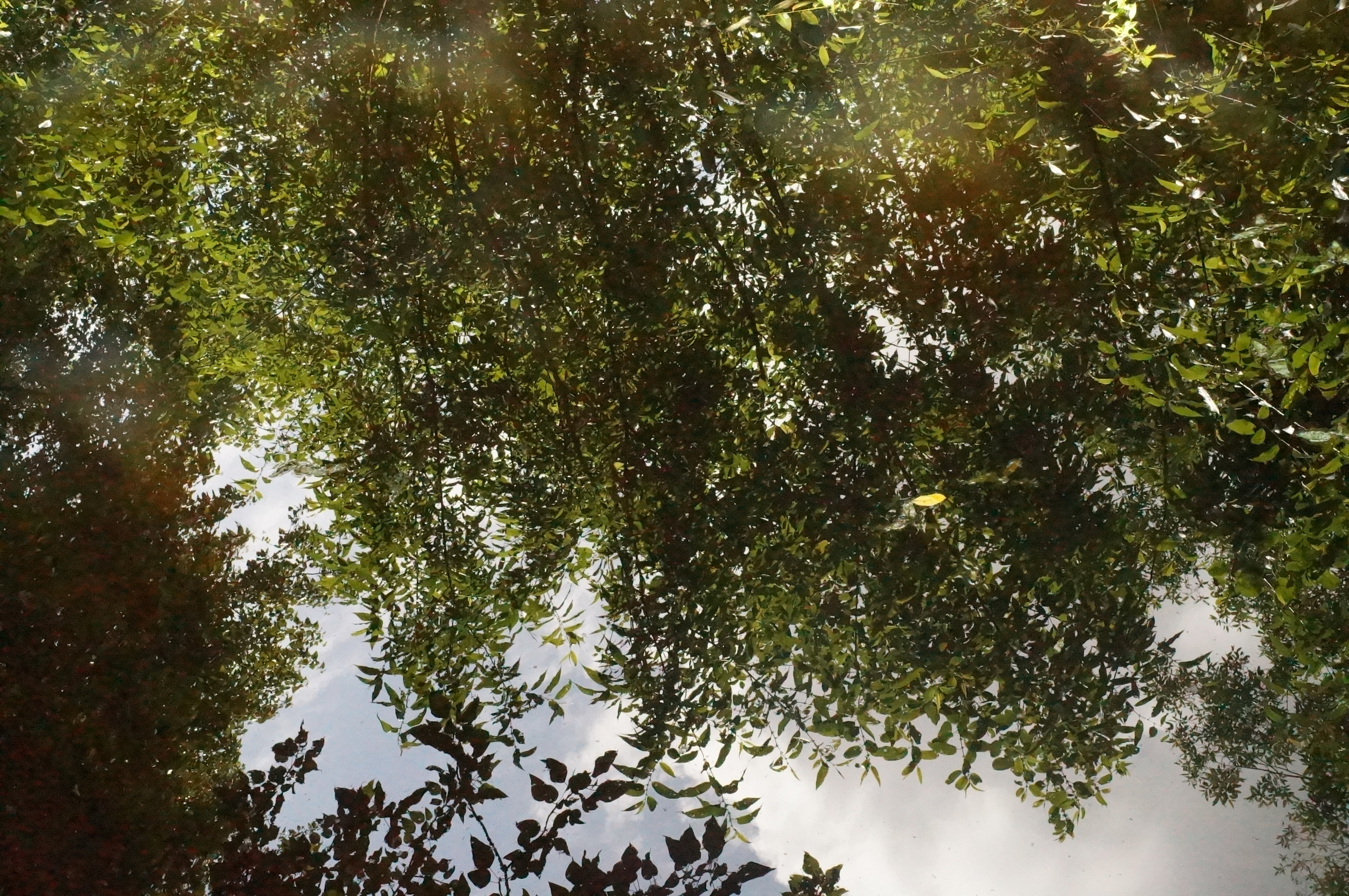
Lake Washington was at its finest during the height of a hot summer.  Fortunately the large Oregon ash / Fraxinus latifolia trees in the wetland buffer shaded us as we pulled noxious weeds from native plantings.  After working at a leisurely pace in the sultry weather we were joined by even more homeschooling friends for a fun afternoon in the refreshing lake.    

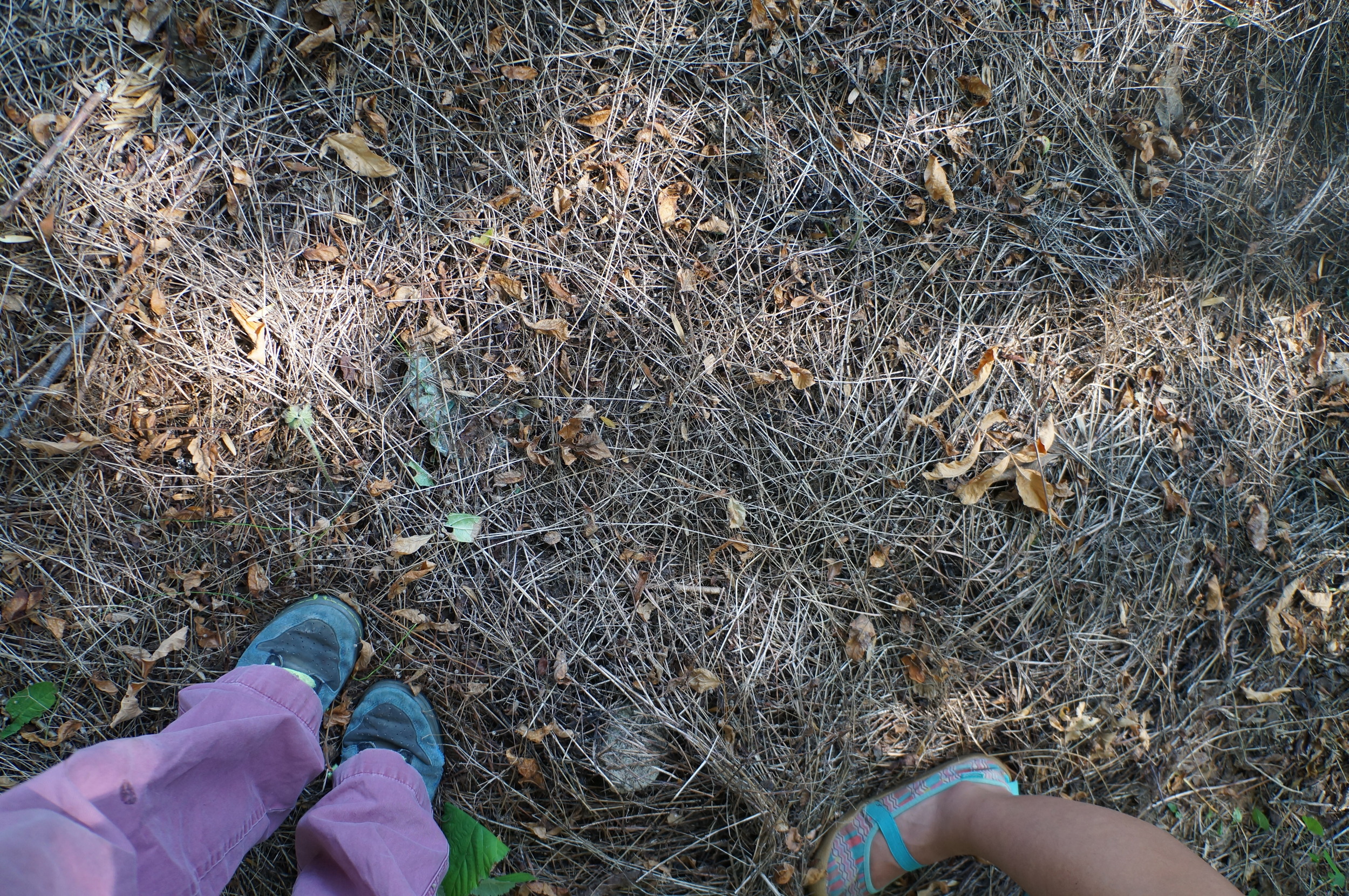
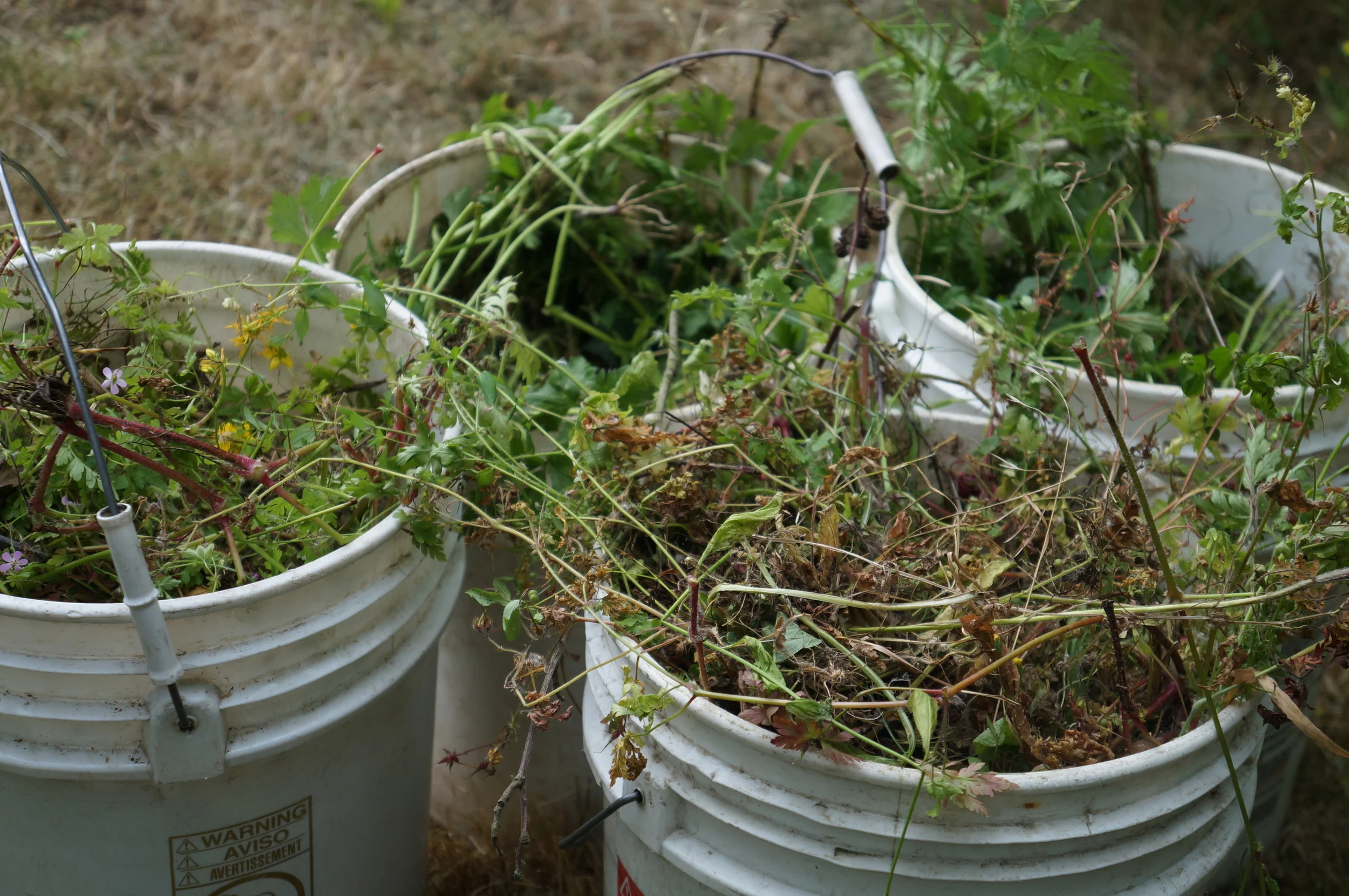
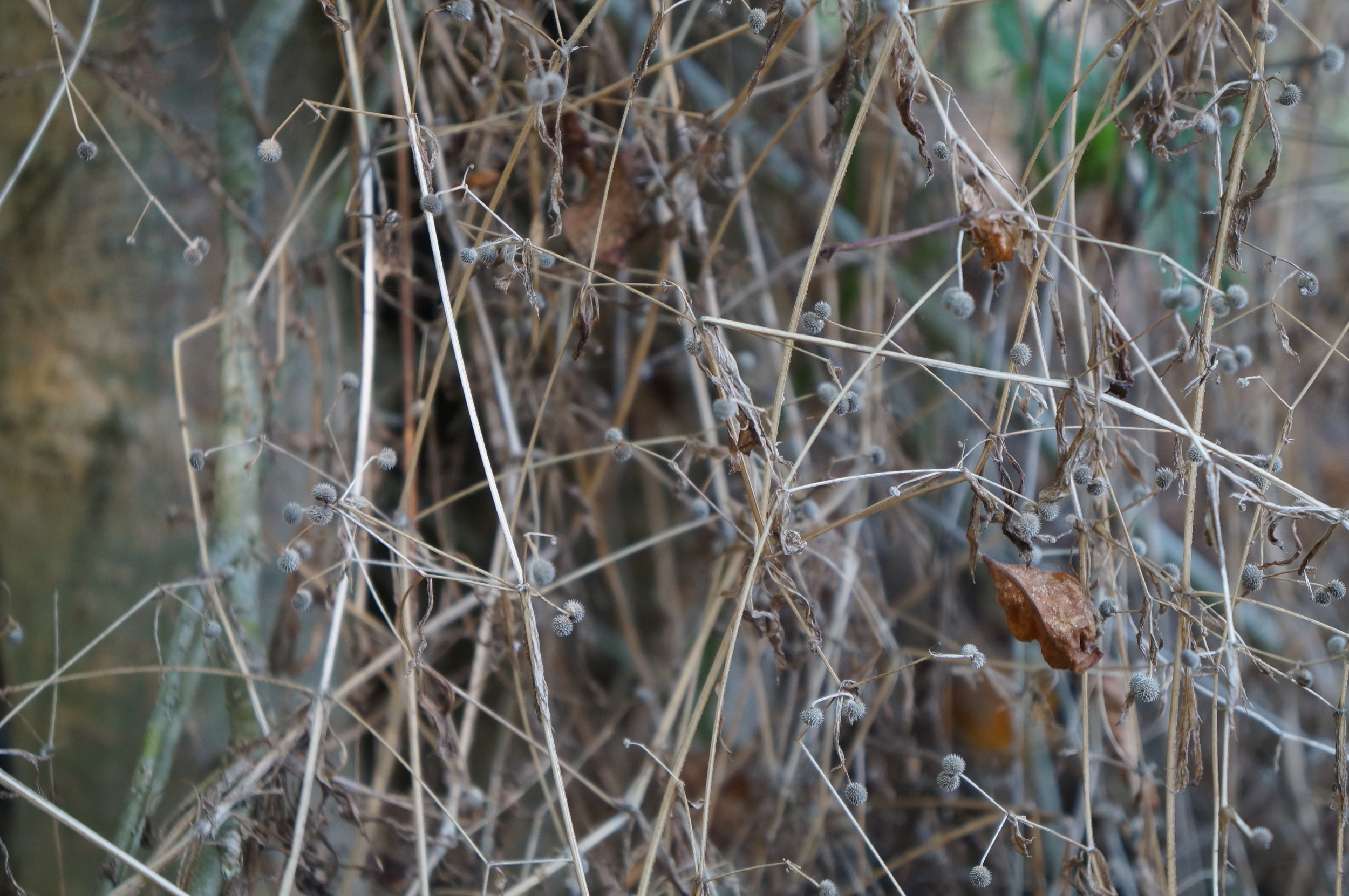
Conspicuous across our work site were thick mats of dead (for the summer) noxious stickyweed / Galium aparine that had clearly been smothering the small native plants back in spring when their growth is rampant.  The dry mats of stringy, grasping stems made clear why it is also known by the name bedstraw and also cleavers, as evident by the grasping round seedballs left all over our clothes and gloves.  Surely you know them.  Indeed it was such small hooks on burrs that inspired the creation of velcro.  Our less-seen native species of Galium include small bedstraw / Galium trifidum & boreal bedstraw / Galium boreale.  They are in the family Rubiaceae, which includes coffee, and supposedly the seeds of G. aparine can be used as a substitute as well as having edible foliage with medicinal properties.


Falling down a rabbit hole at Discovery Park.

Many a homeschooler are lovers of literature.  So, you can imagine the delight at having an opportunity to fall down actual rabbit holes at Discovery Park.  

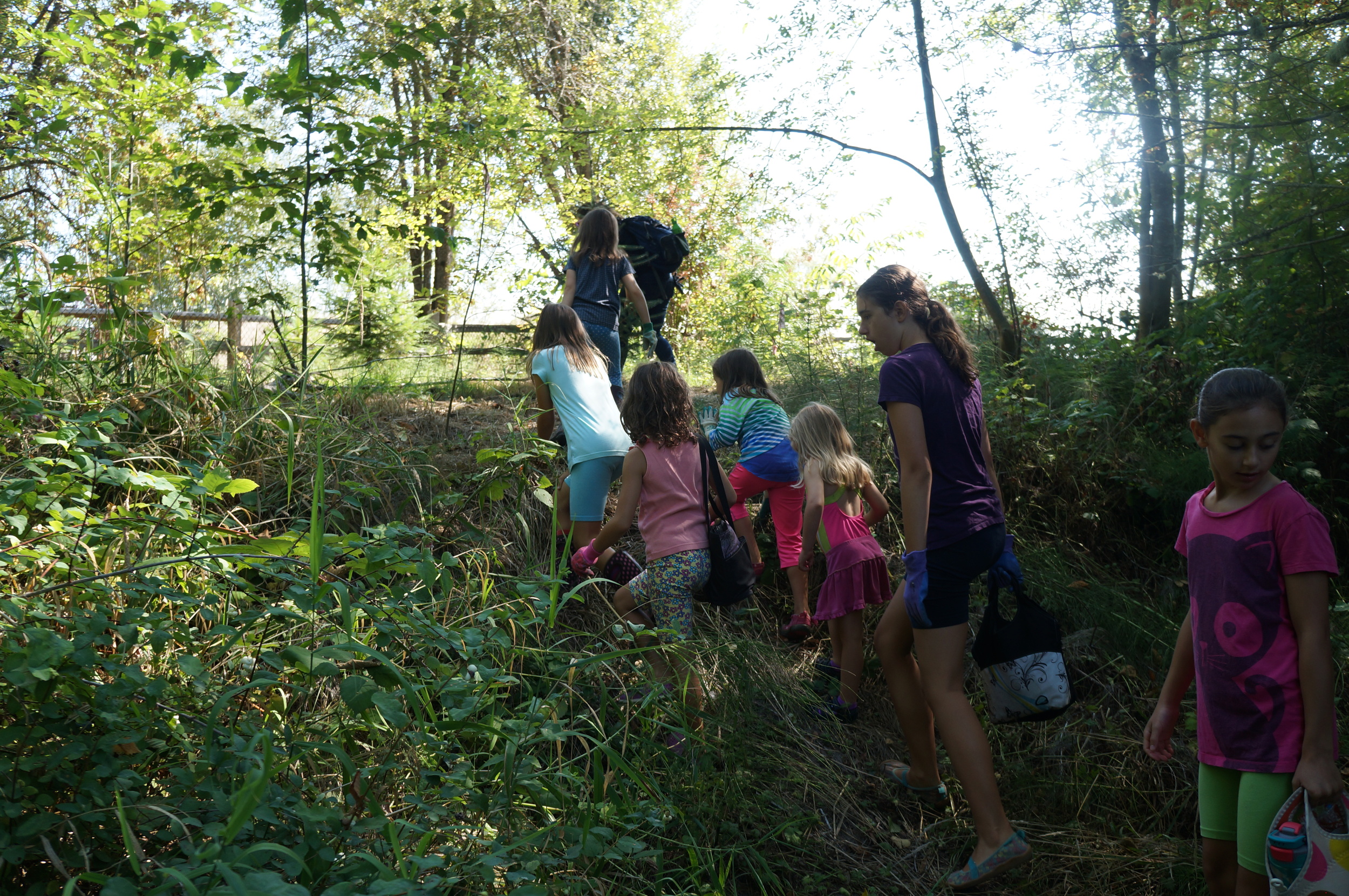
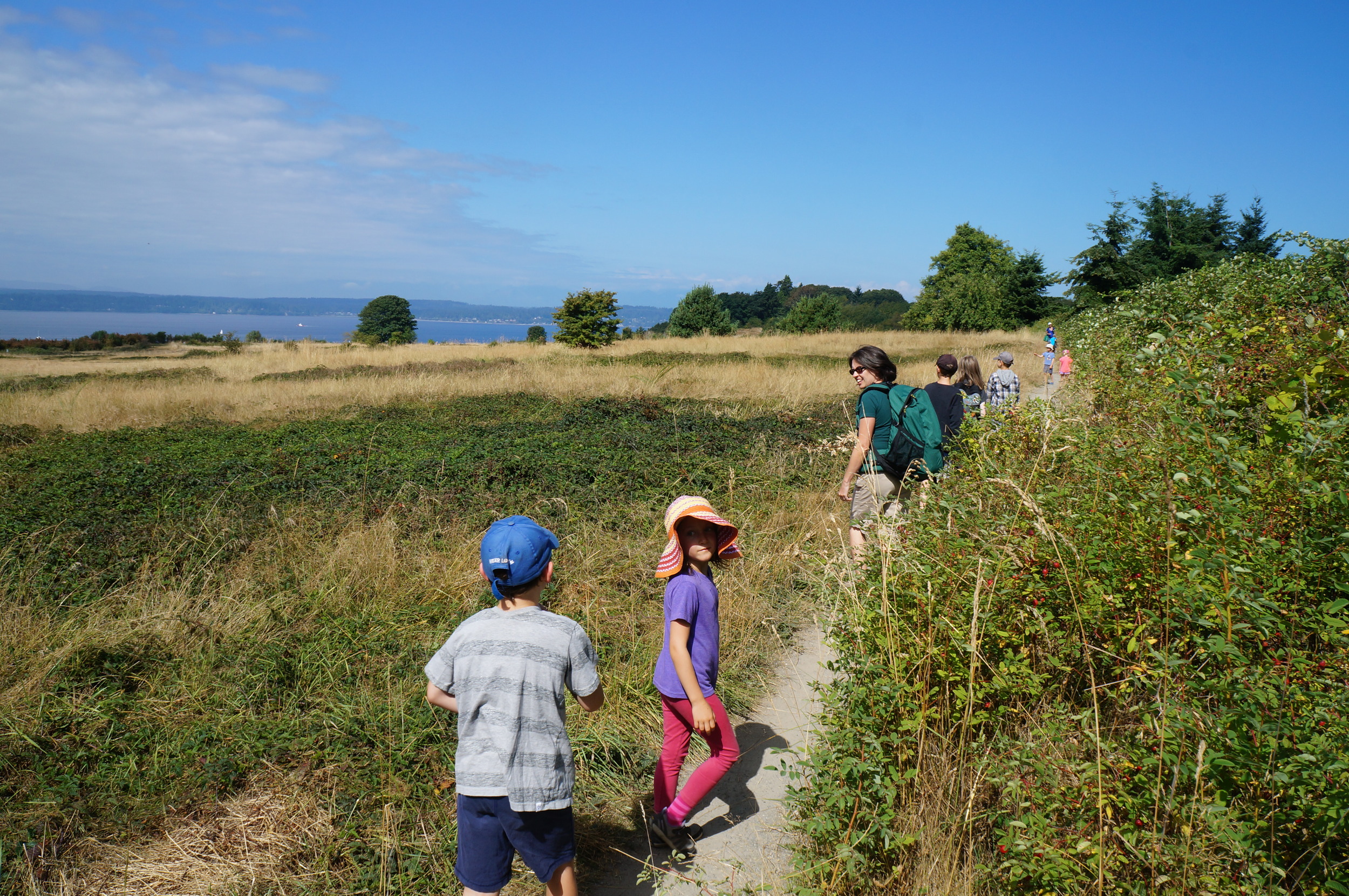
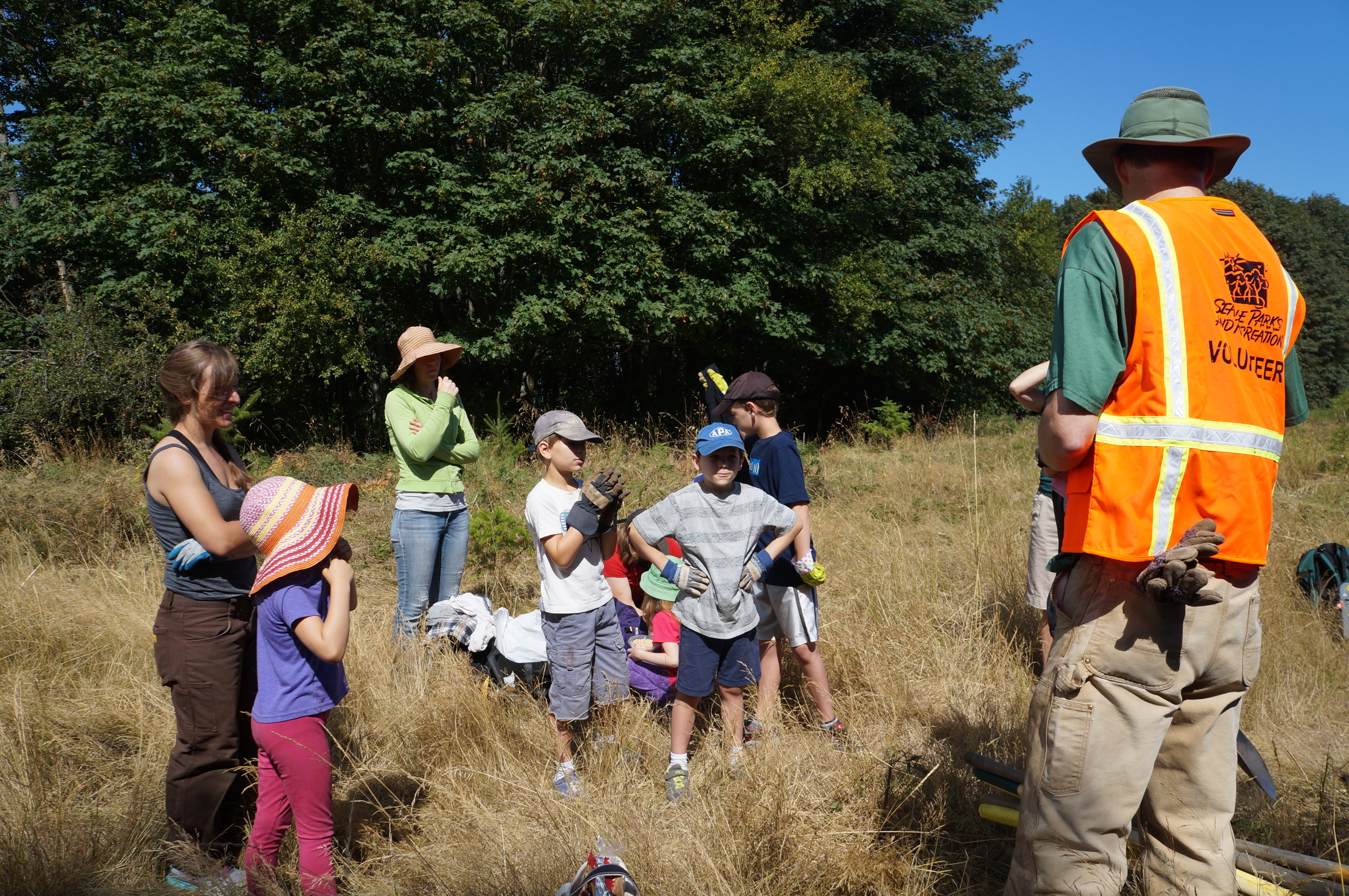
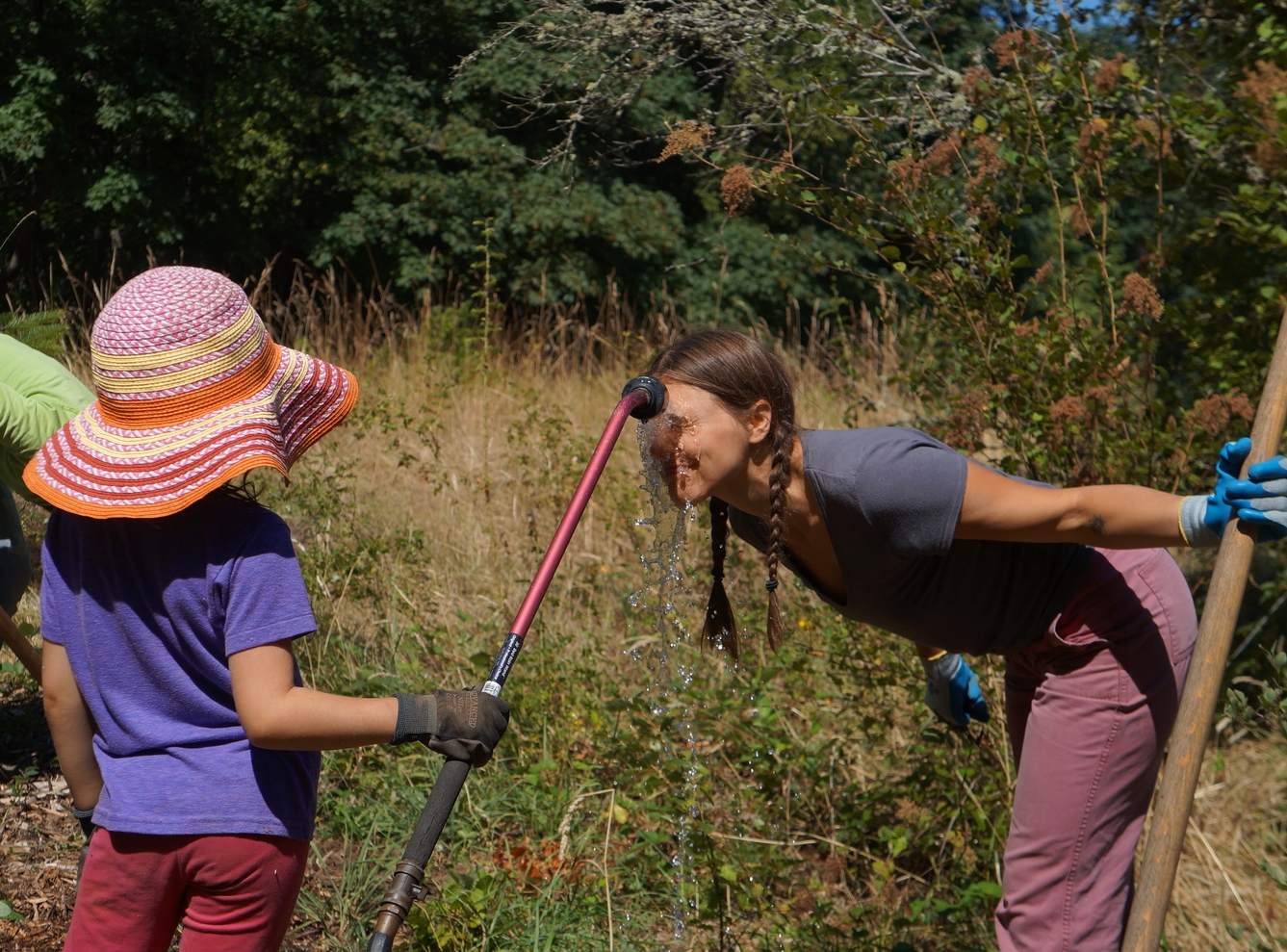
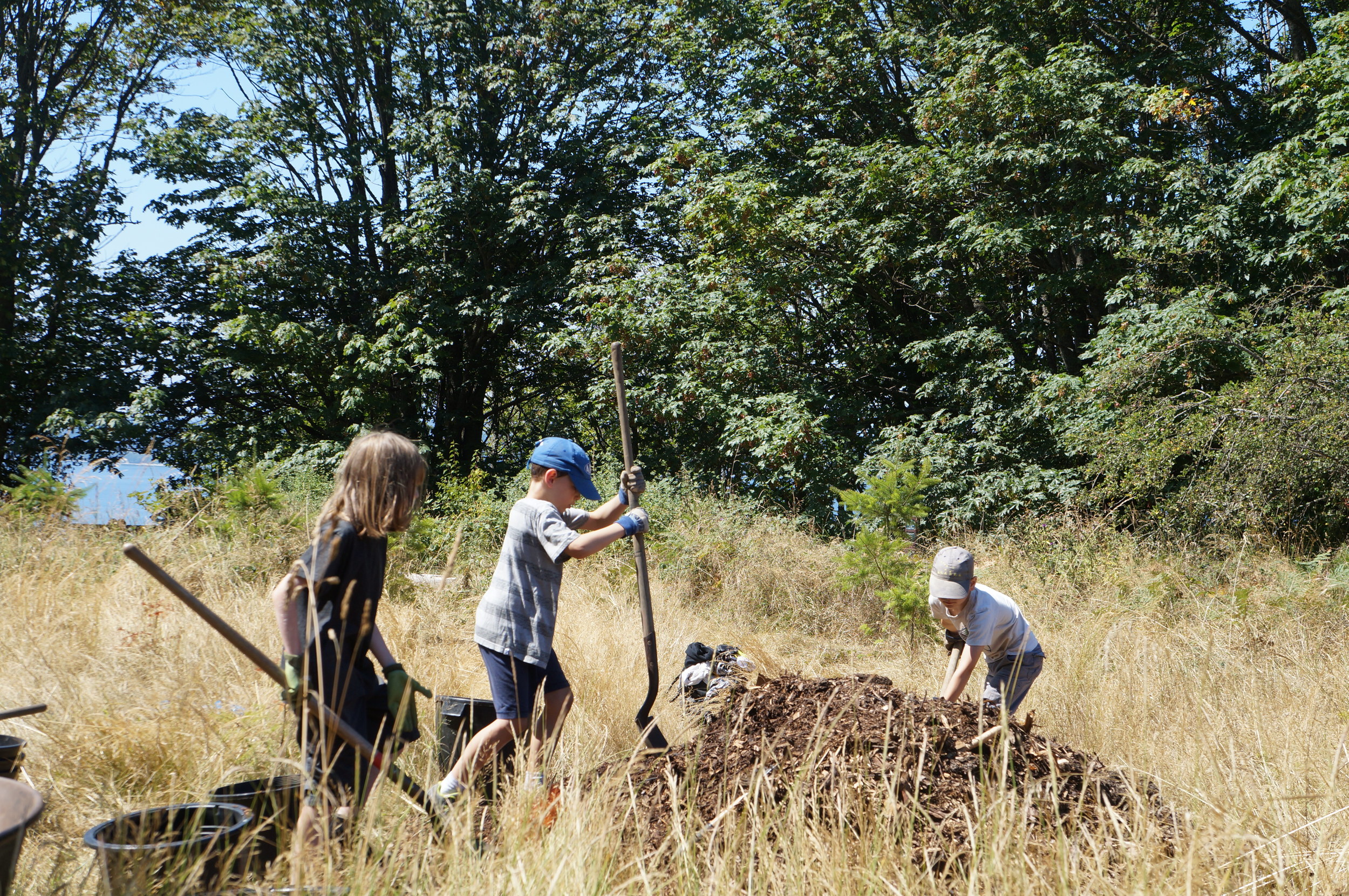
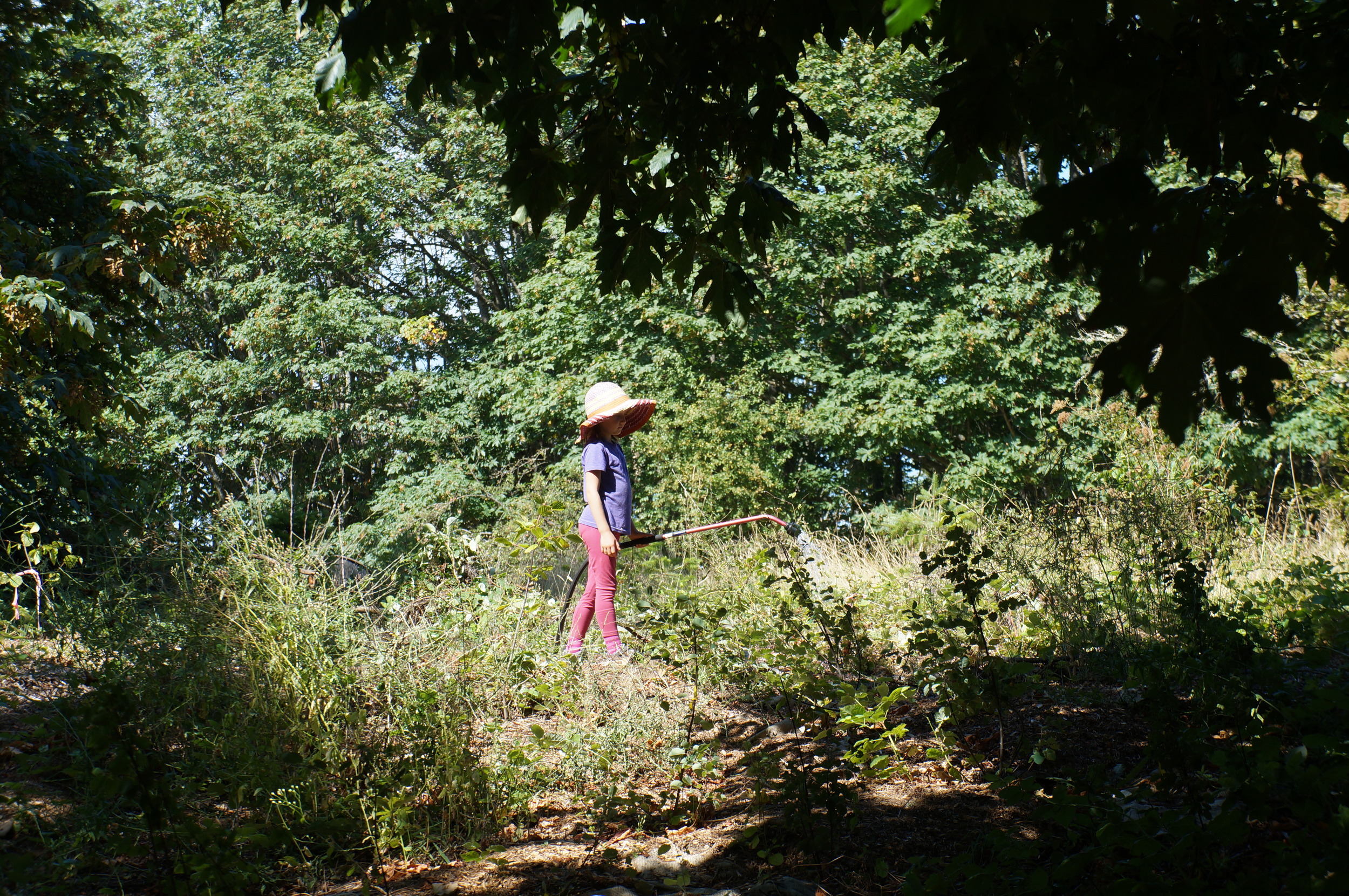
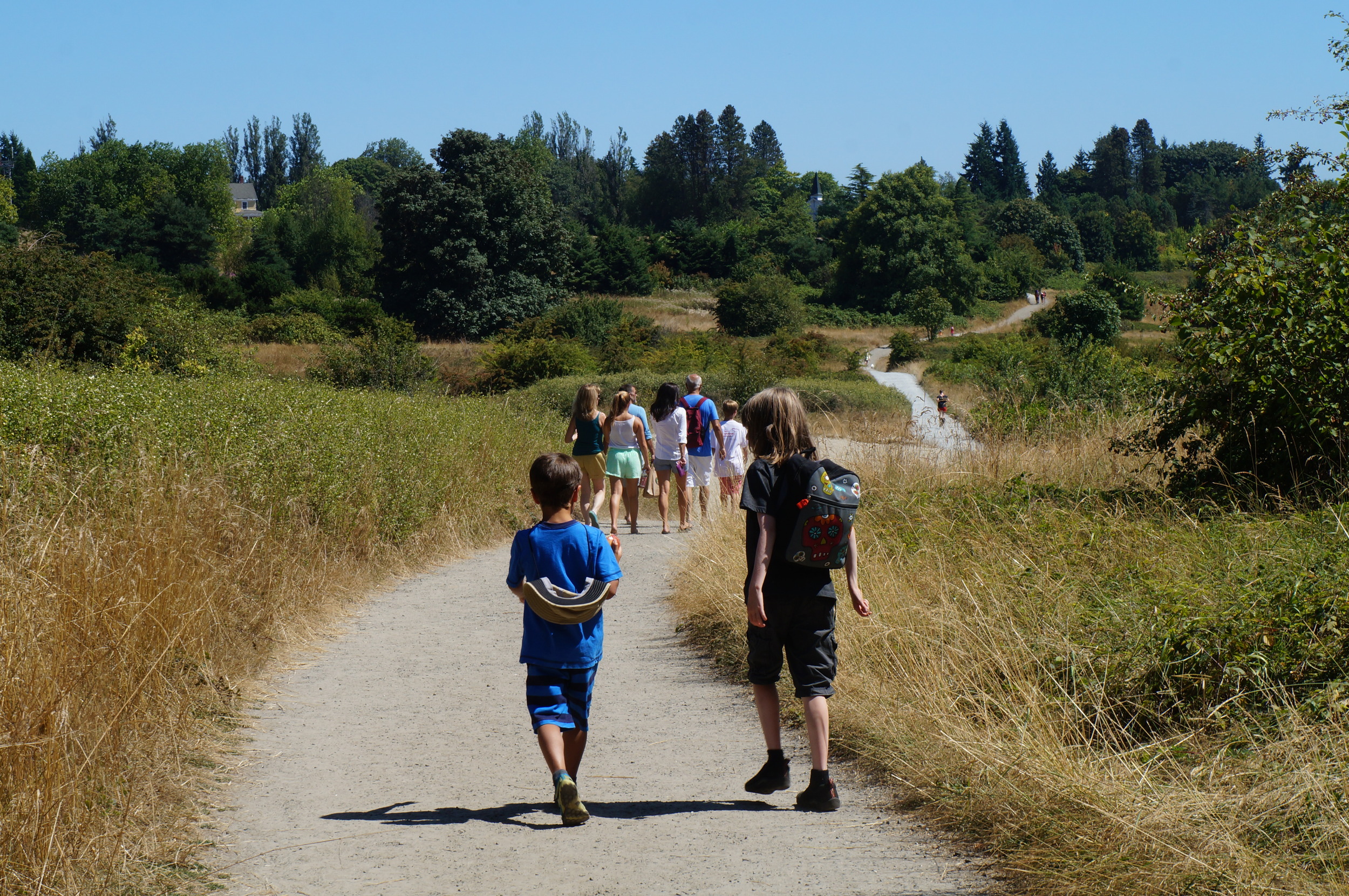
And frankly, who doesn't love a good hole in the ground?  Filling them in was a first for Squad and quite popular, as was watering.  Matt, our forest steward from the Green Seattle Partnership hauled his own personal hoses in a backpack so we could hook up >50' away to water the native plantings.  Other work included digging out blackberry and mulching.   There is much to see in this 500+ acre historic park, we are looking forward to coming back.

UPDATE: Matt discussed the holes further with Park staff who think they may evidence of mountain beaver activity rather than rabbits.  Perhaps this is the beginning of a new piece of literature....

Mats of native trailing blackberry / Rubus ursinus.

Mats of native trailing blackberry / Rubus ursinus.

Lovely Puget Sound.  Not so lovely Himalayan blackberry / Rubus armeniacus.

Lovely Puget Sound.  Not so lovely Himalayan blackberry / Rubus armeniacus.

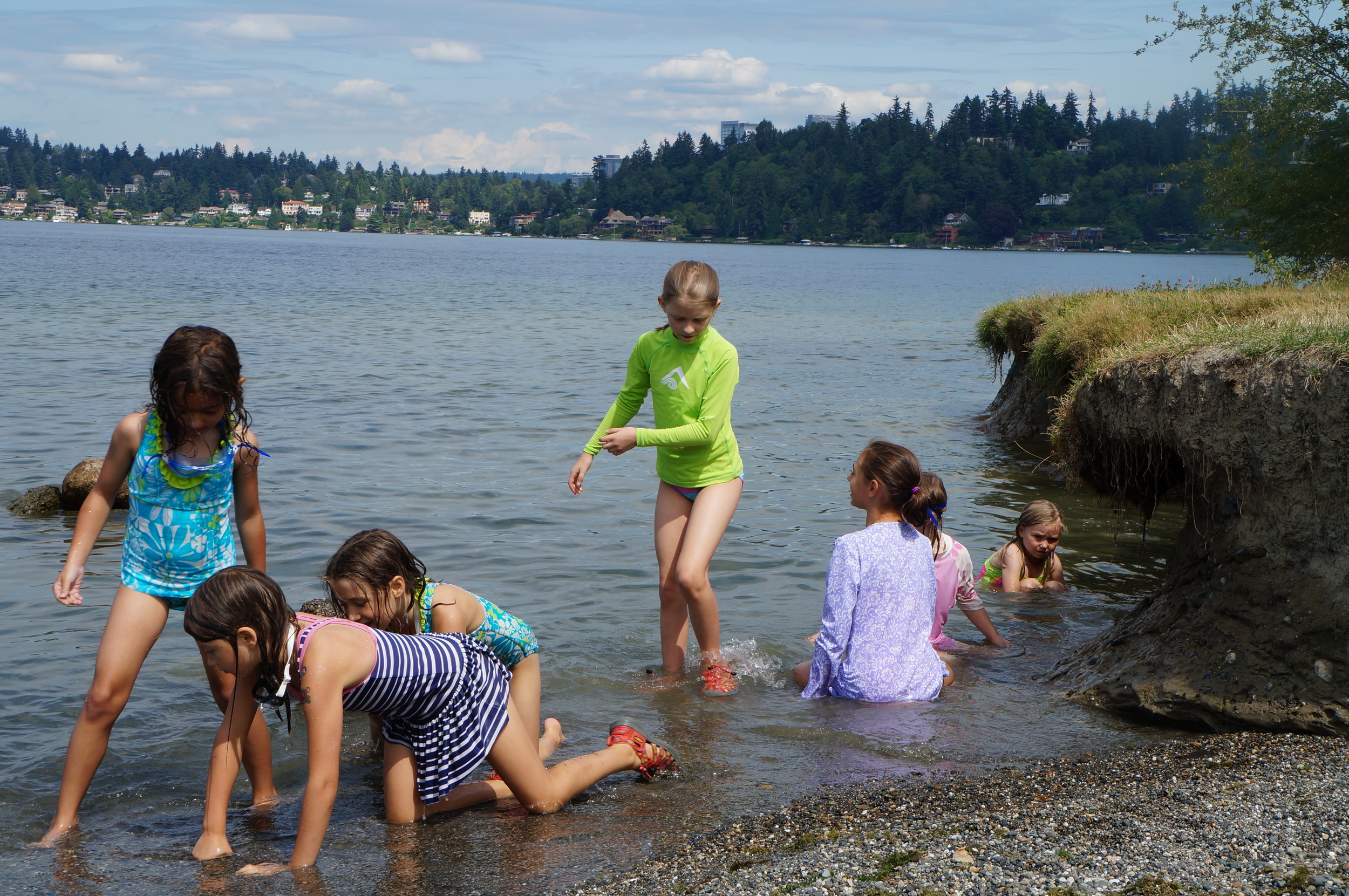
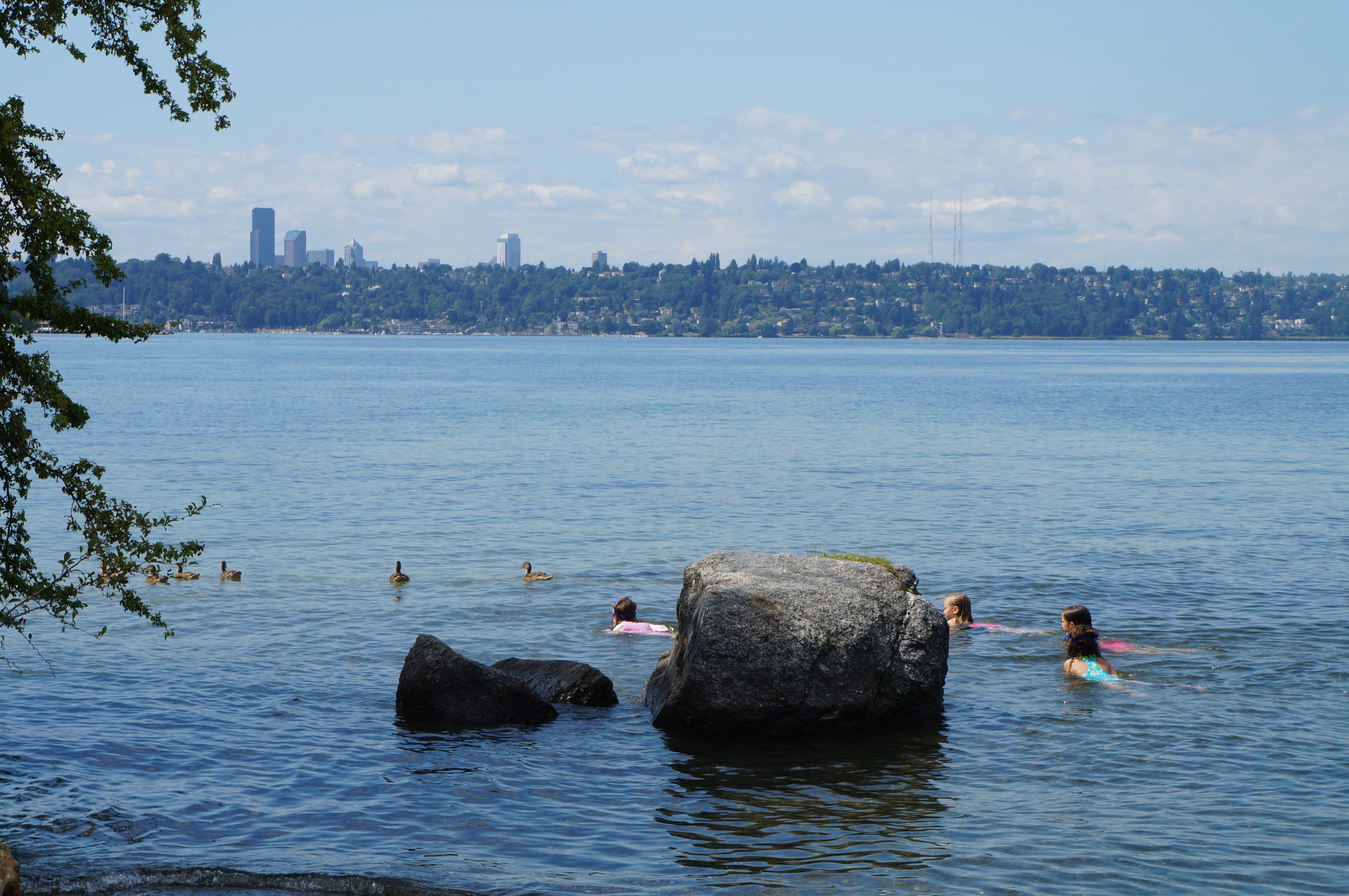
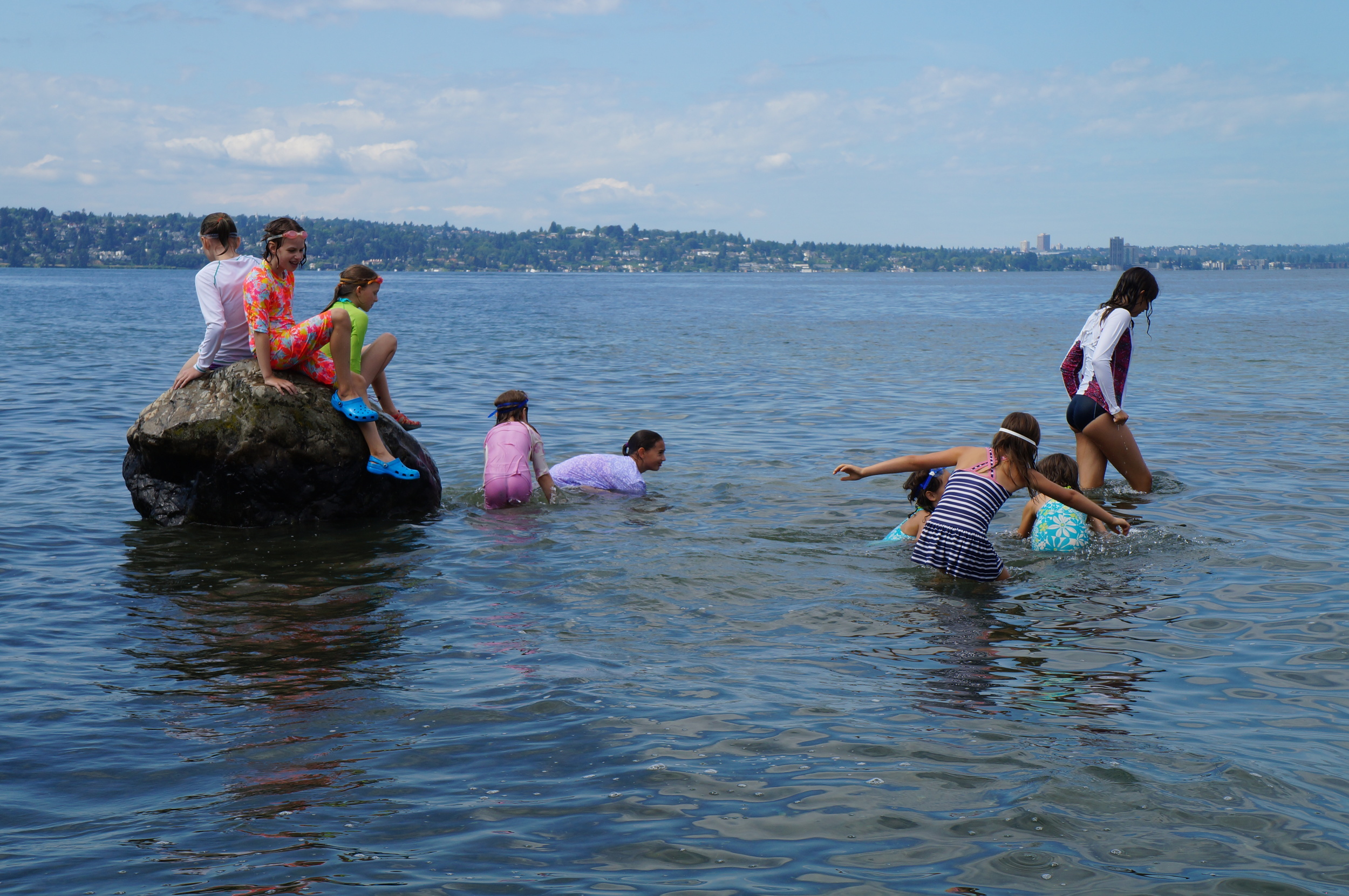
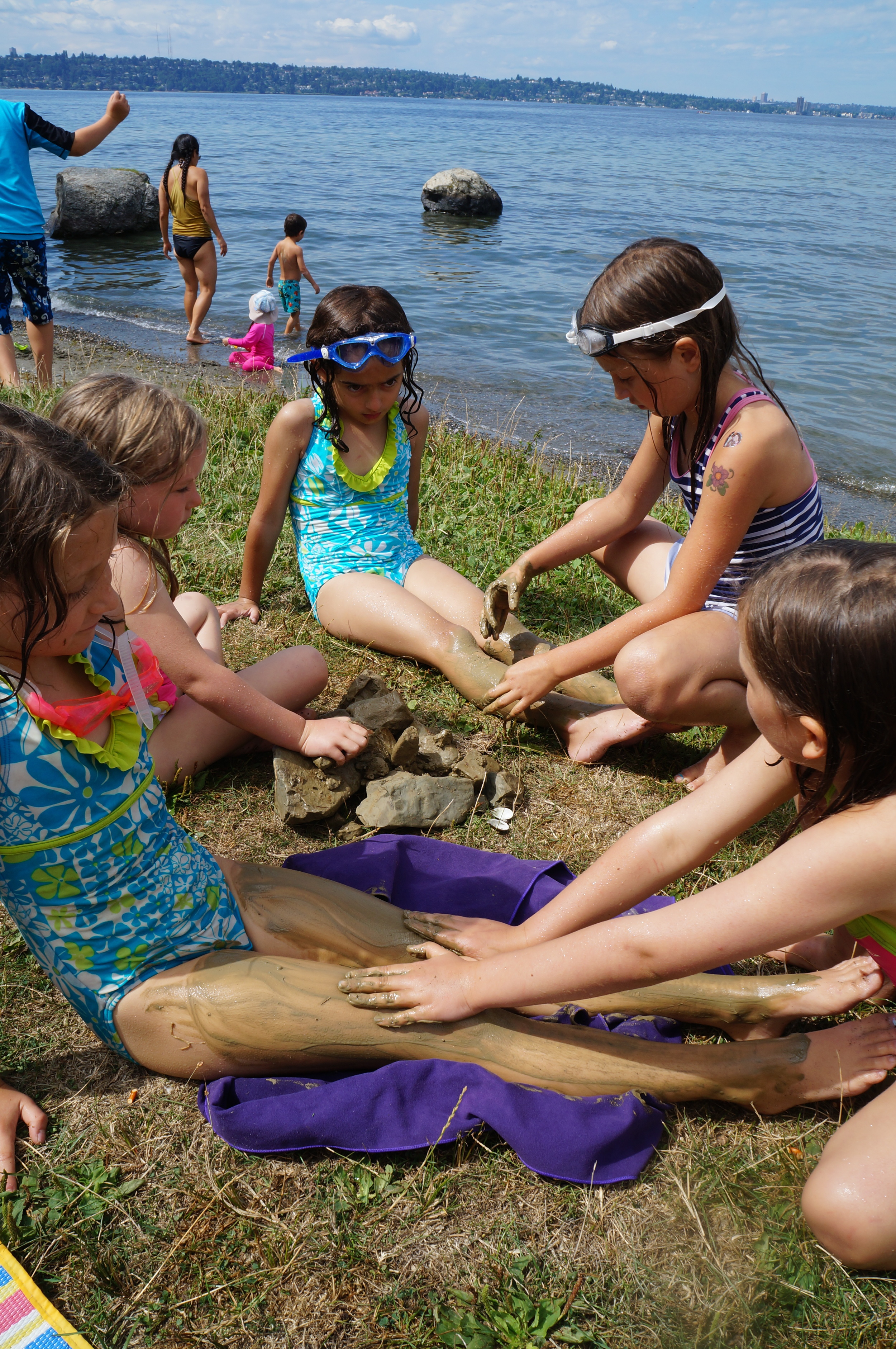
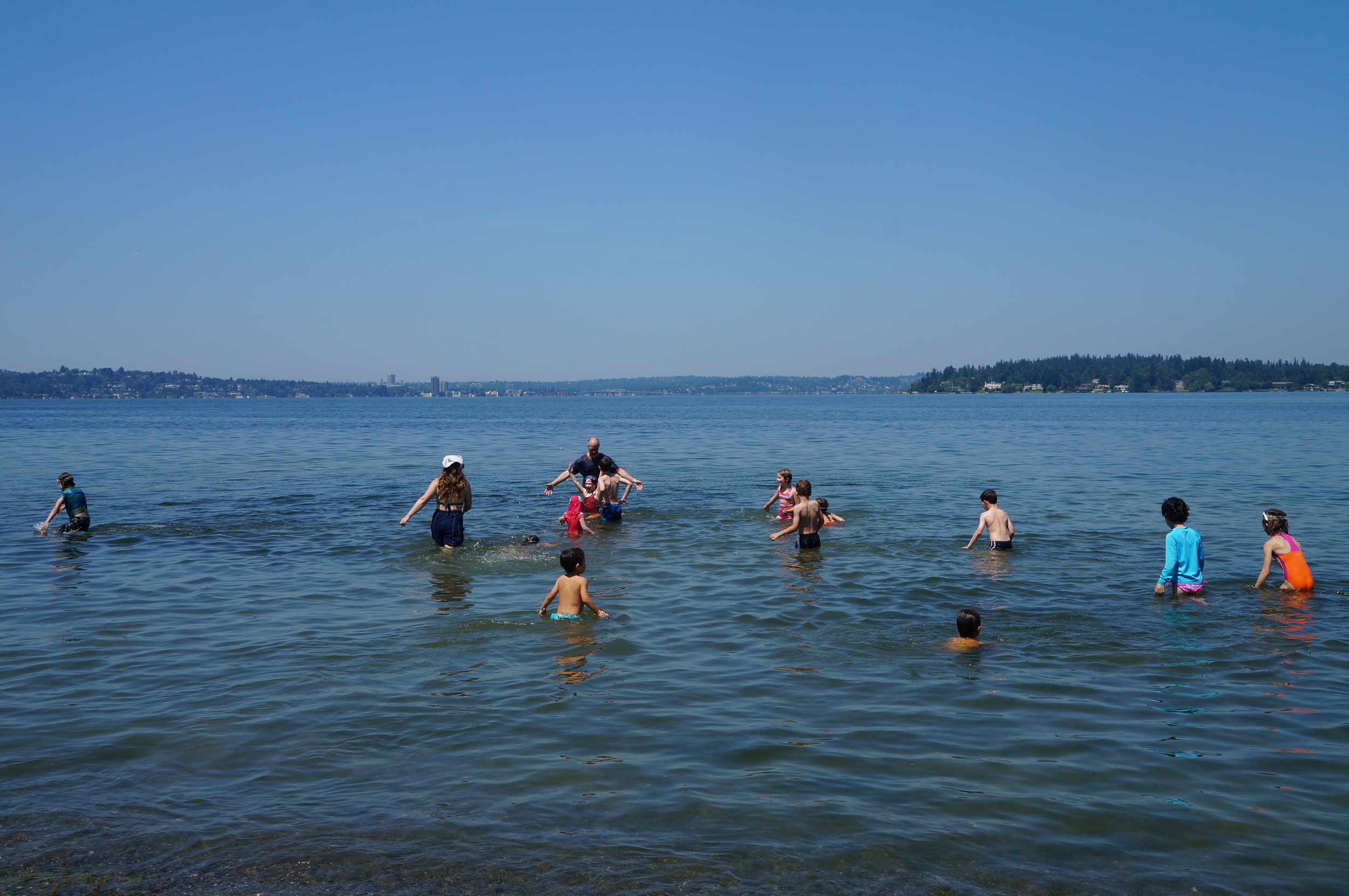
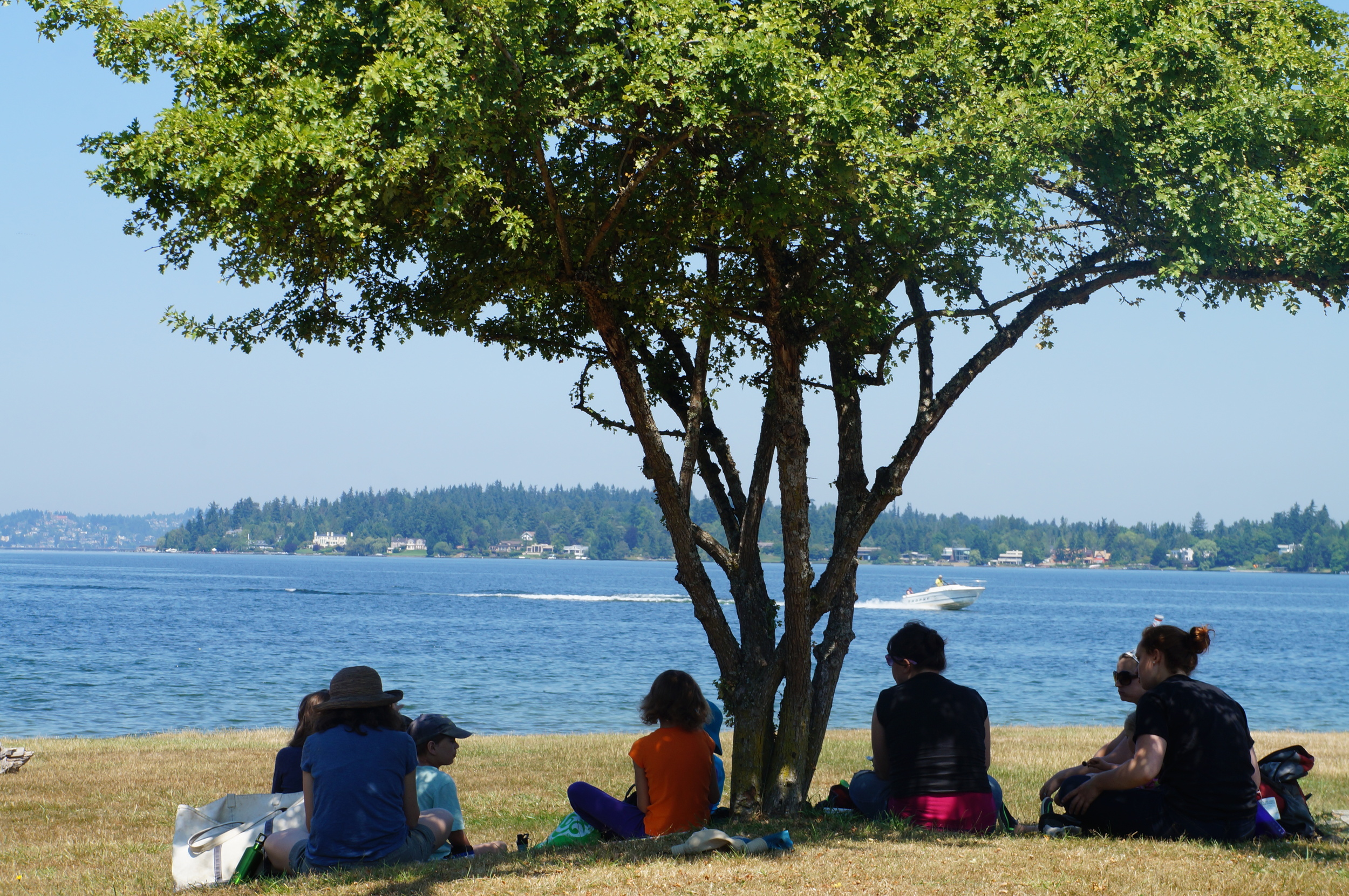
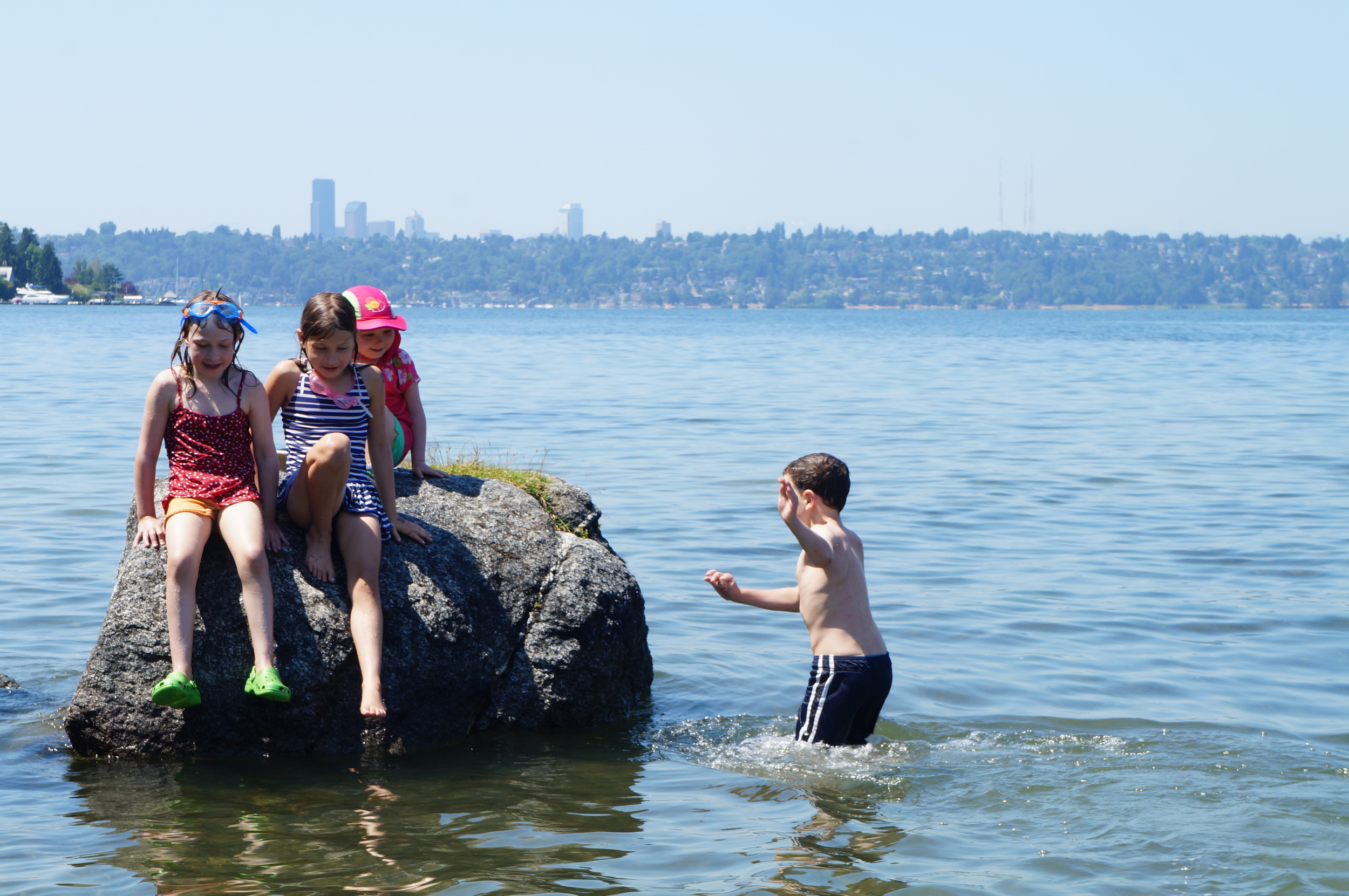
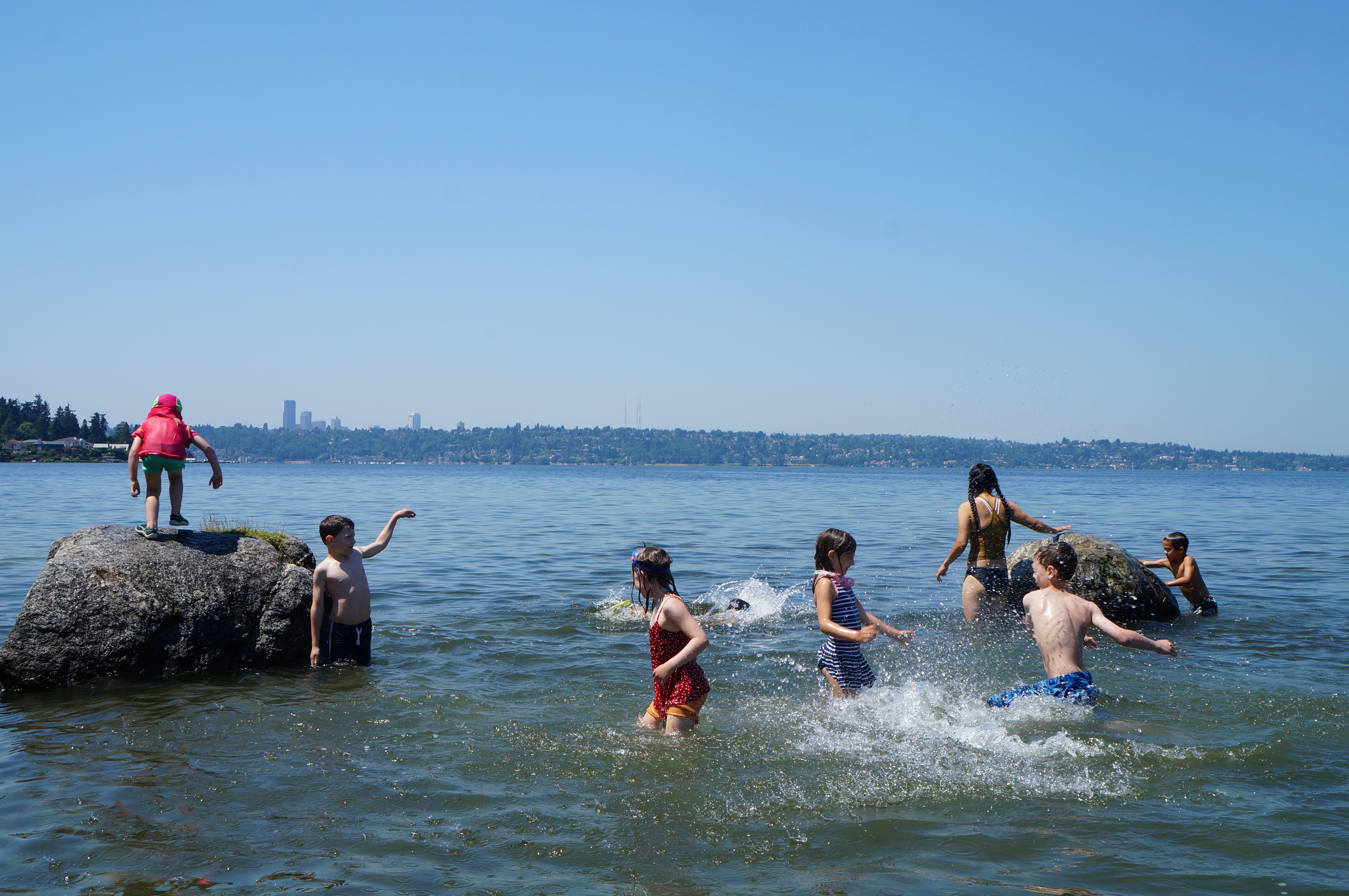
A perfect post-weeding swim in Lake WA on Mercer Island.

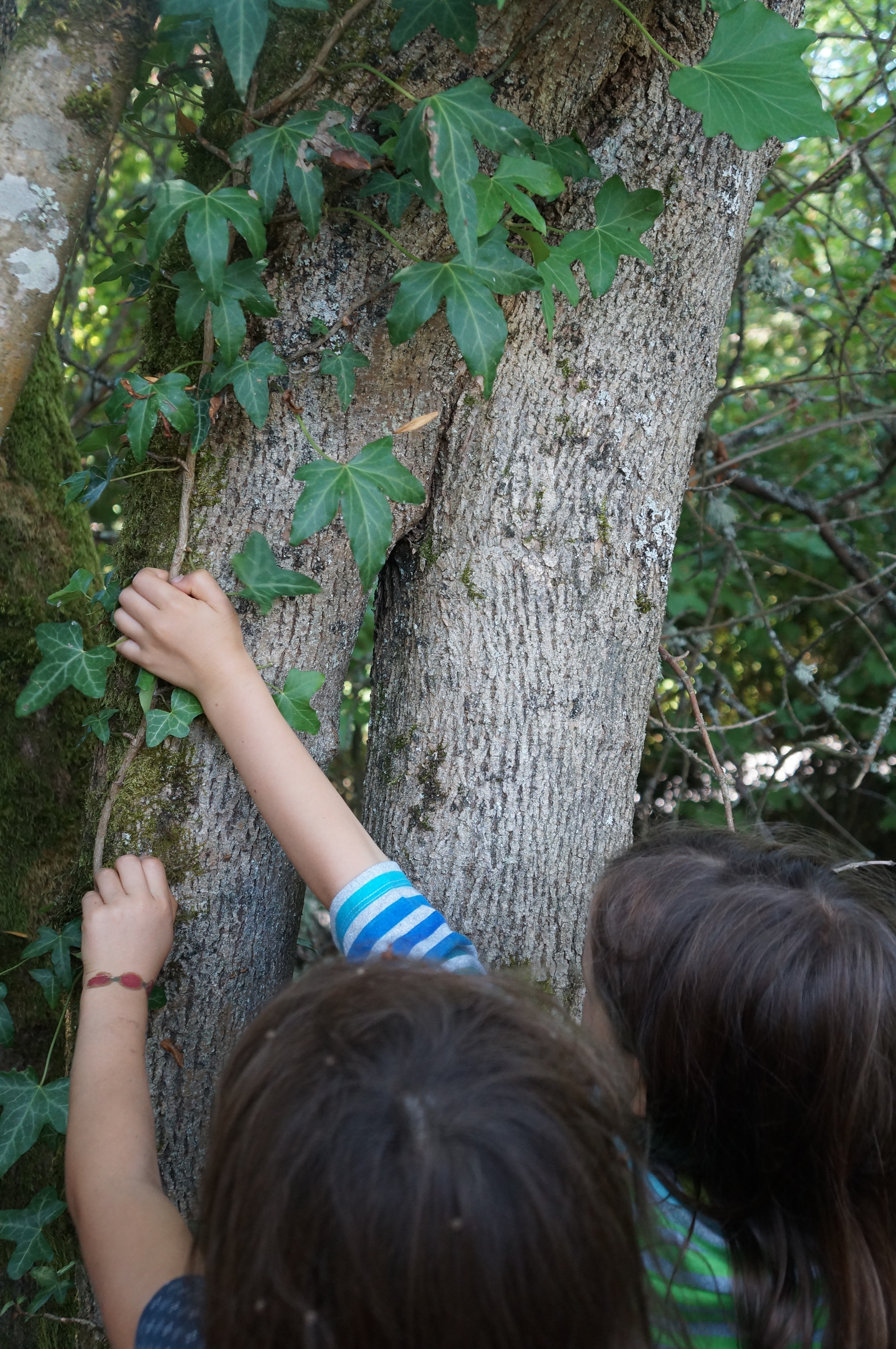
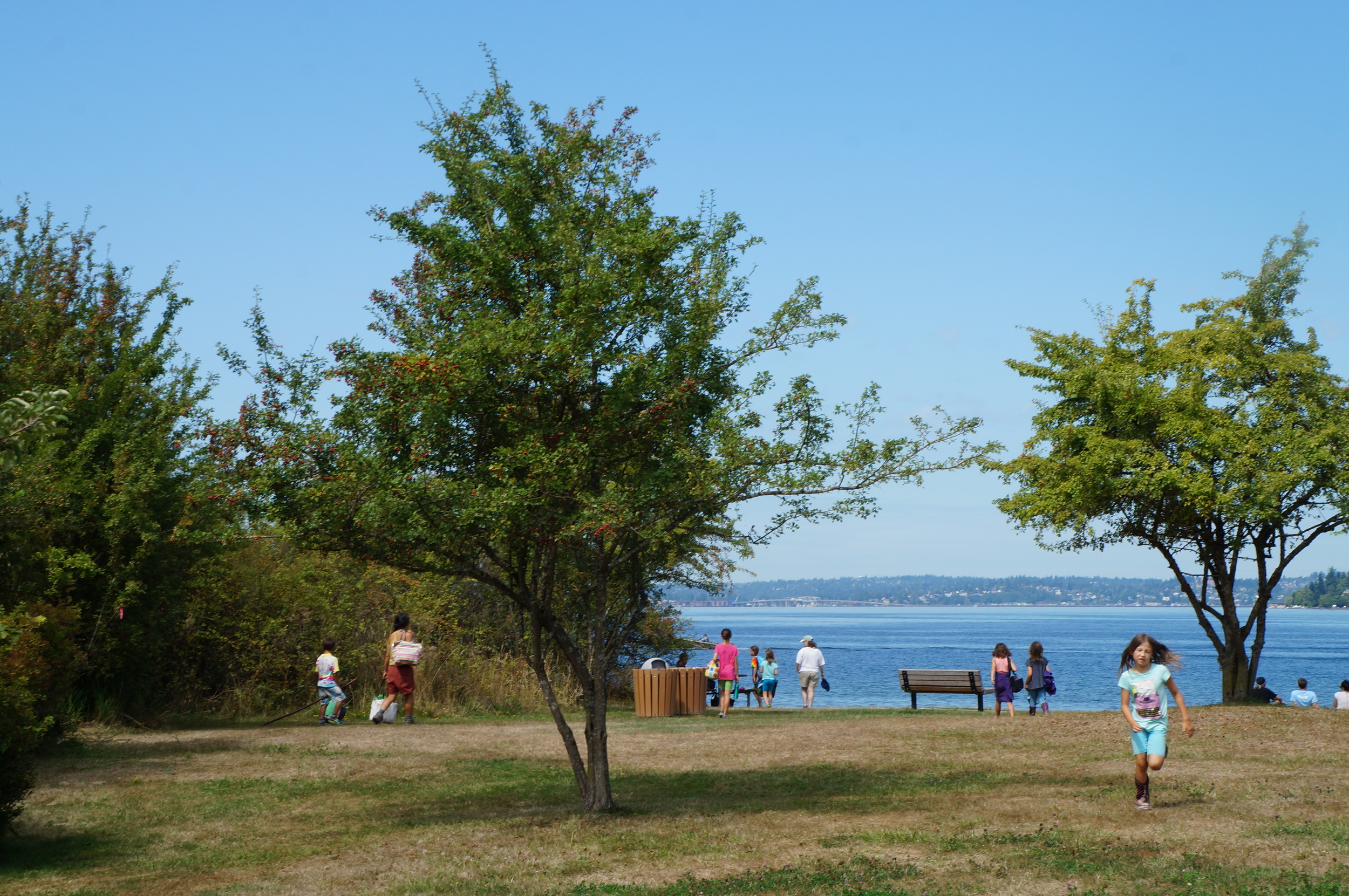
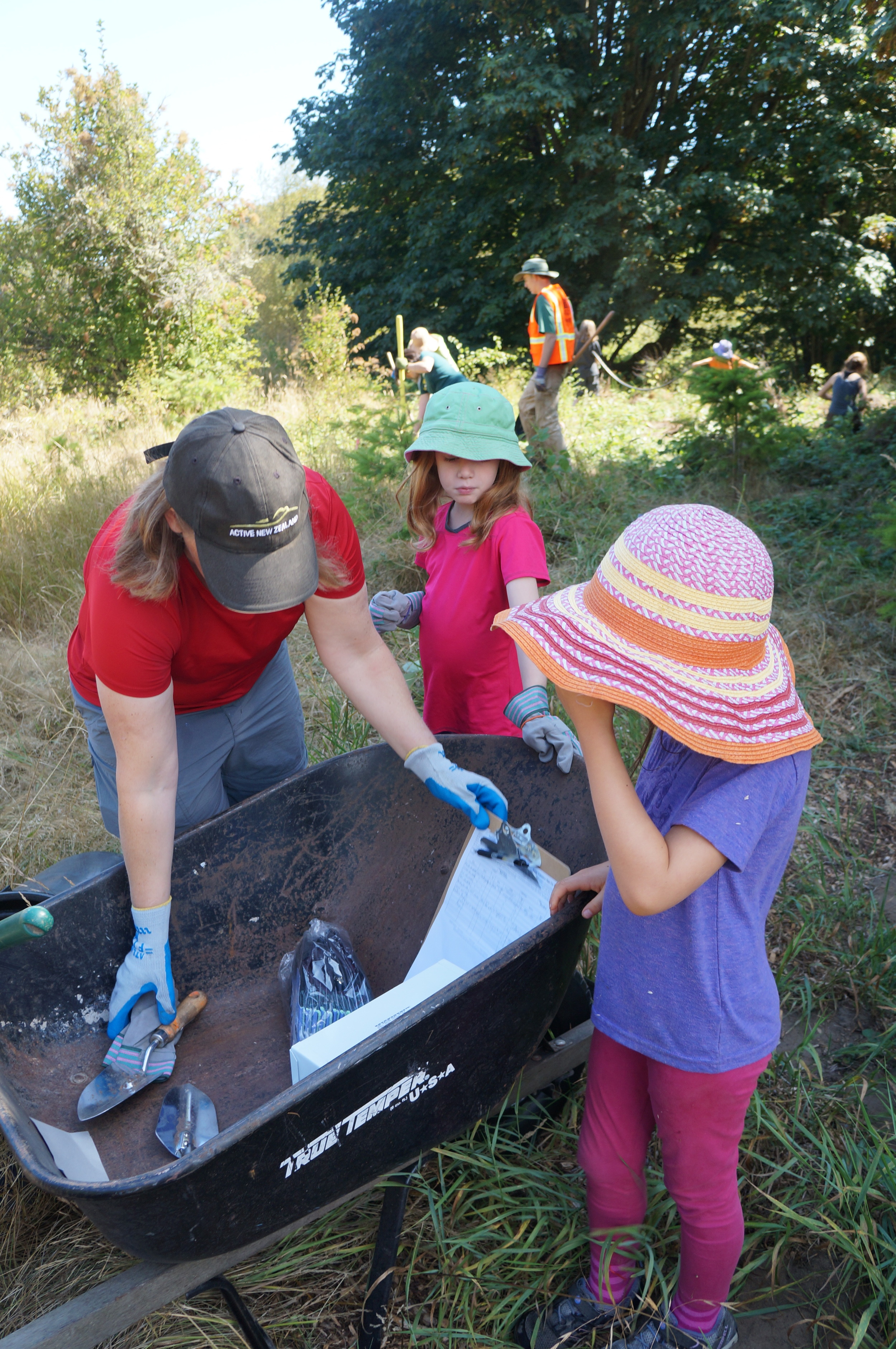
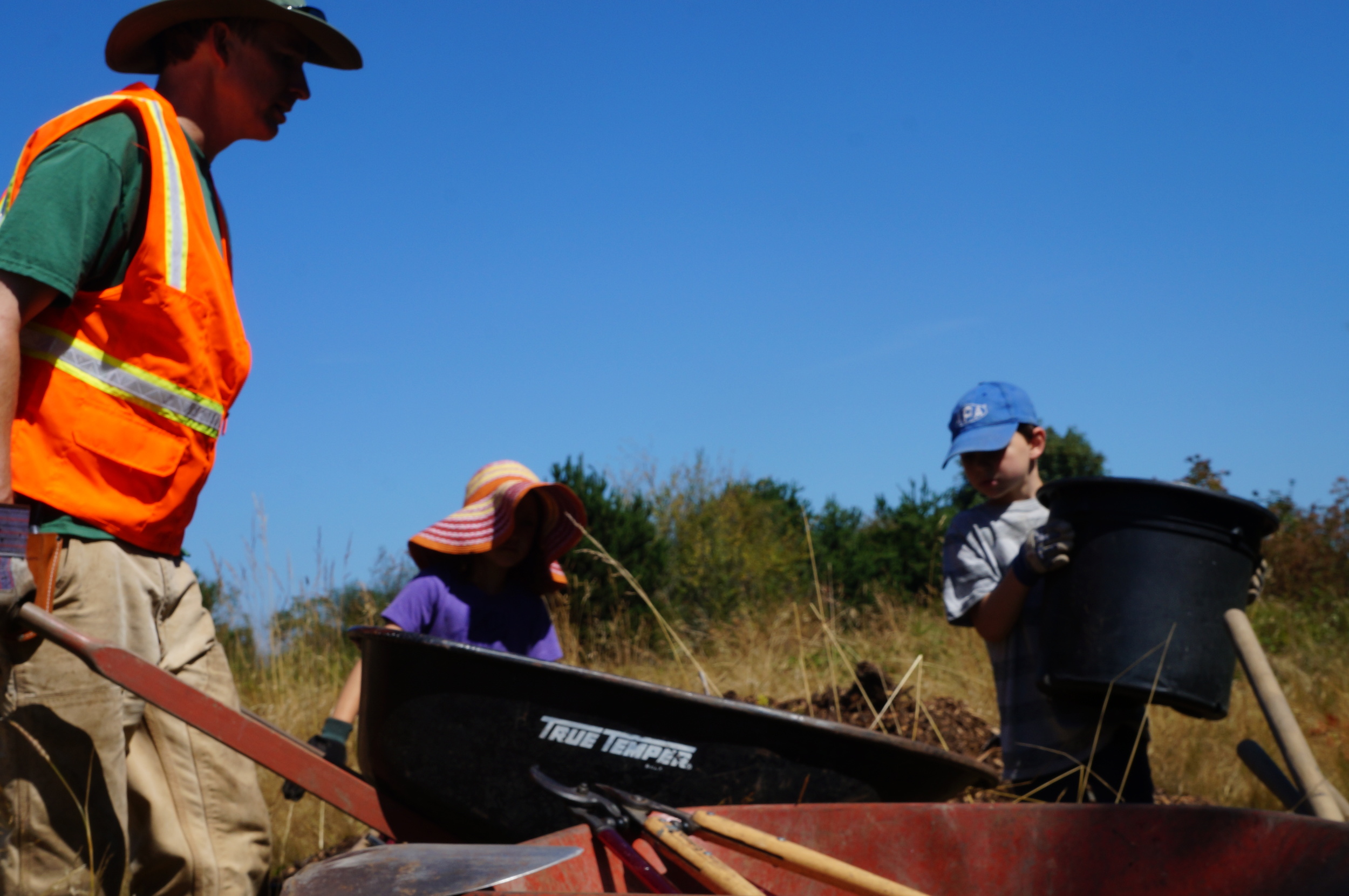
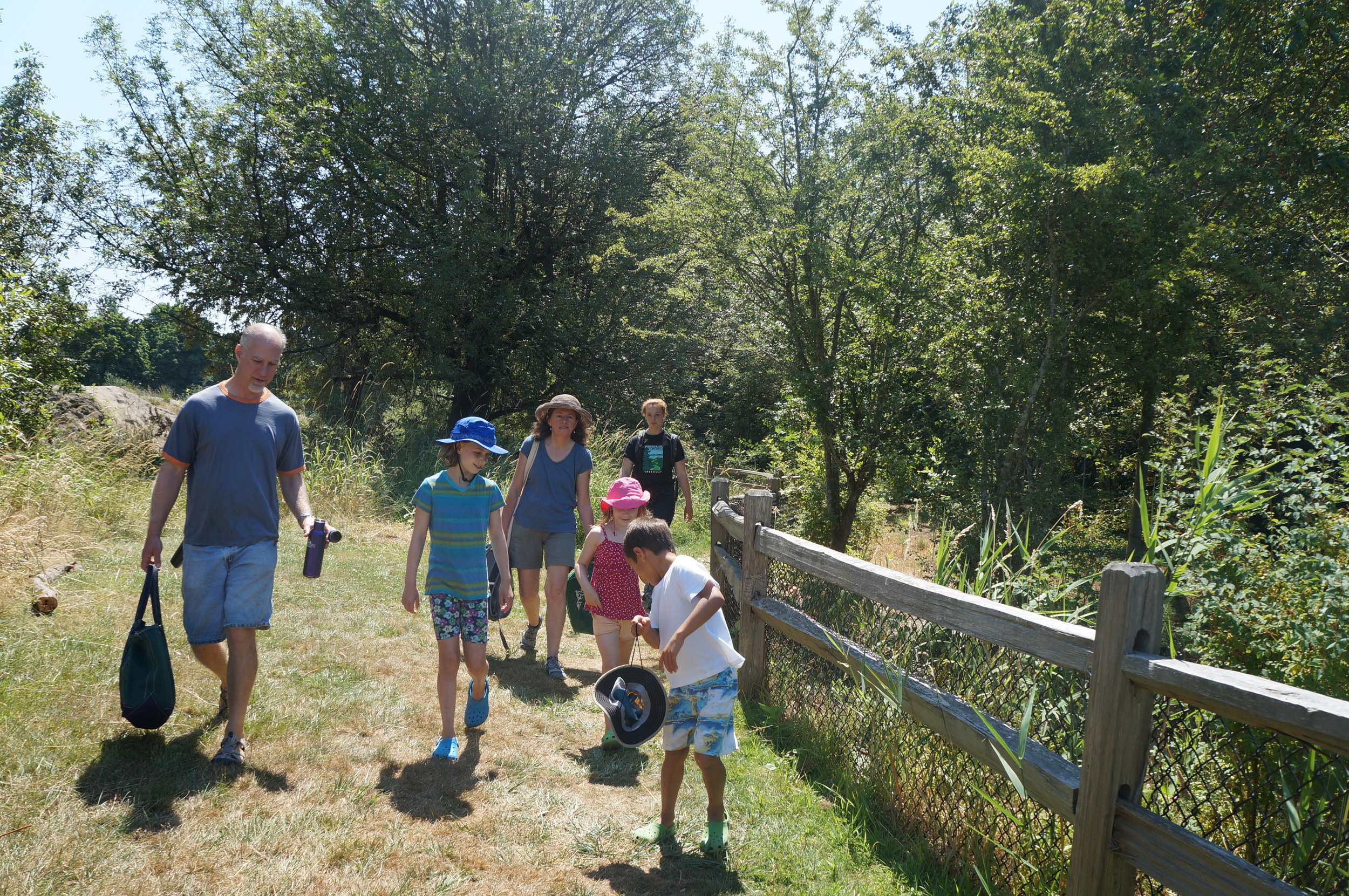
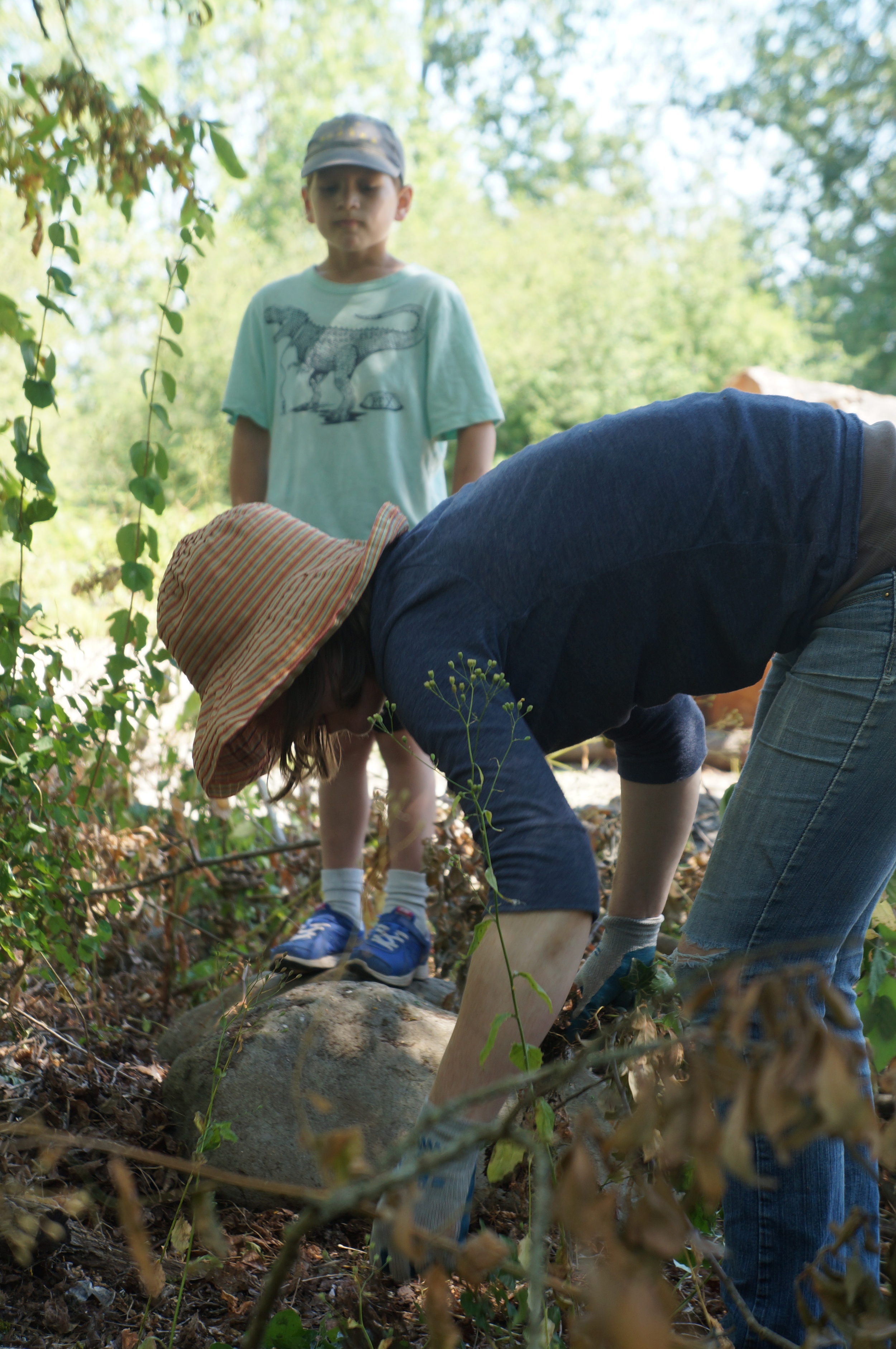
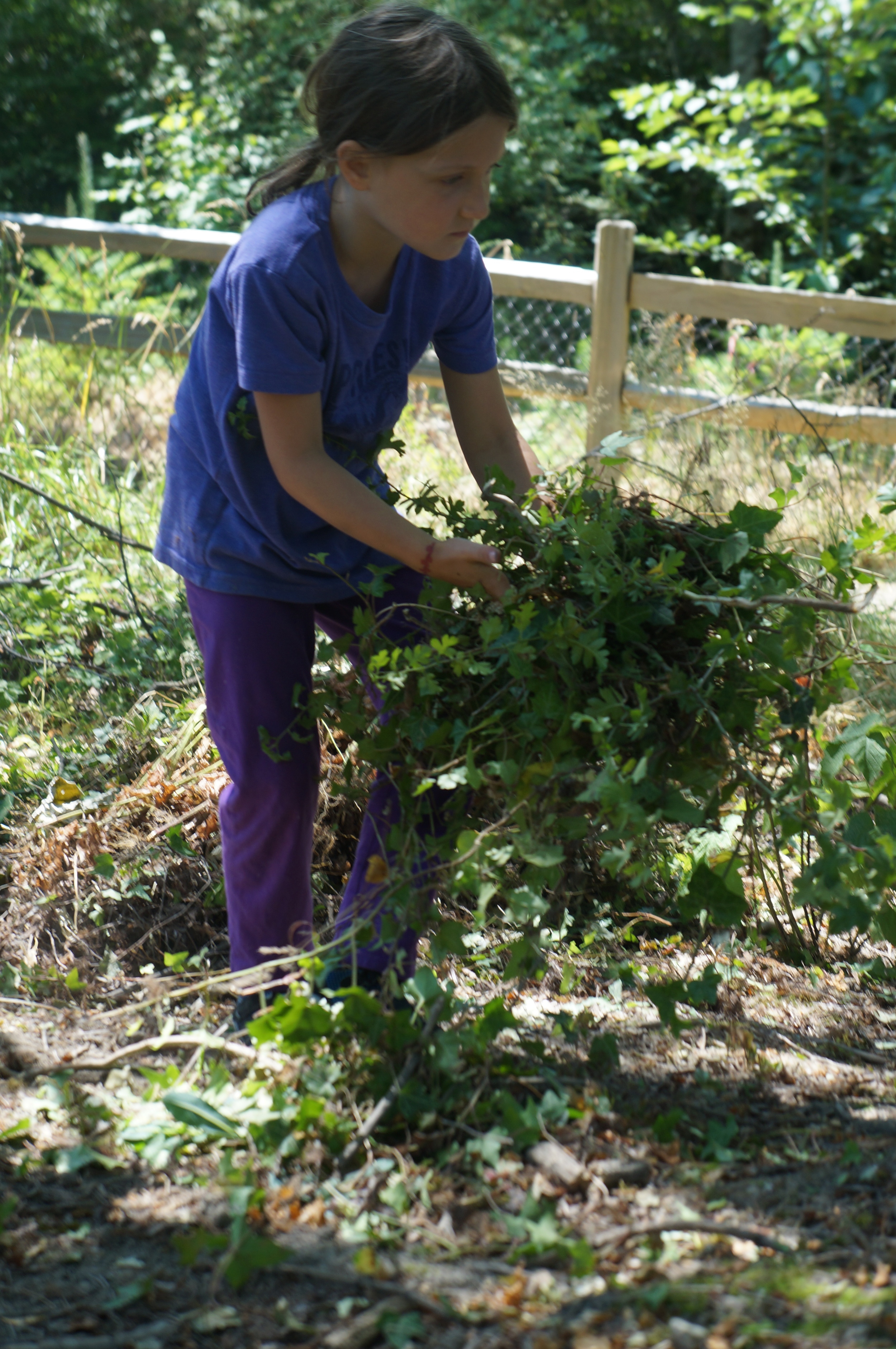
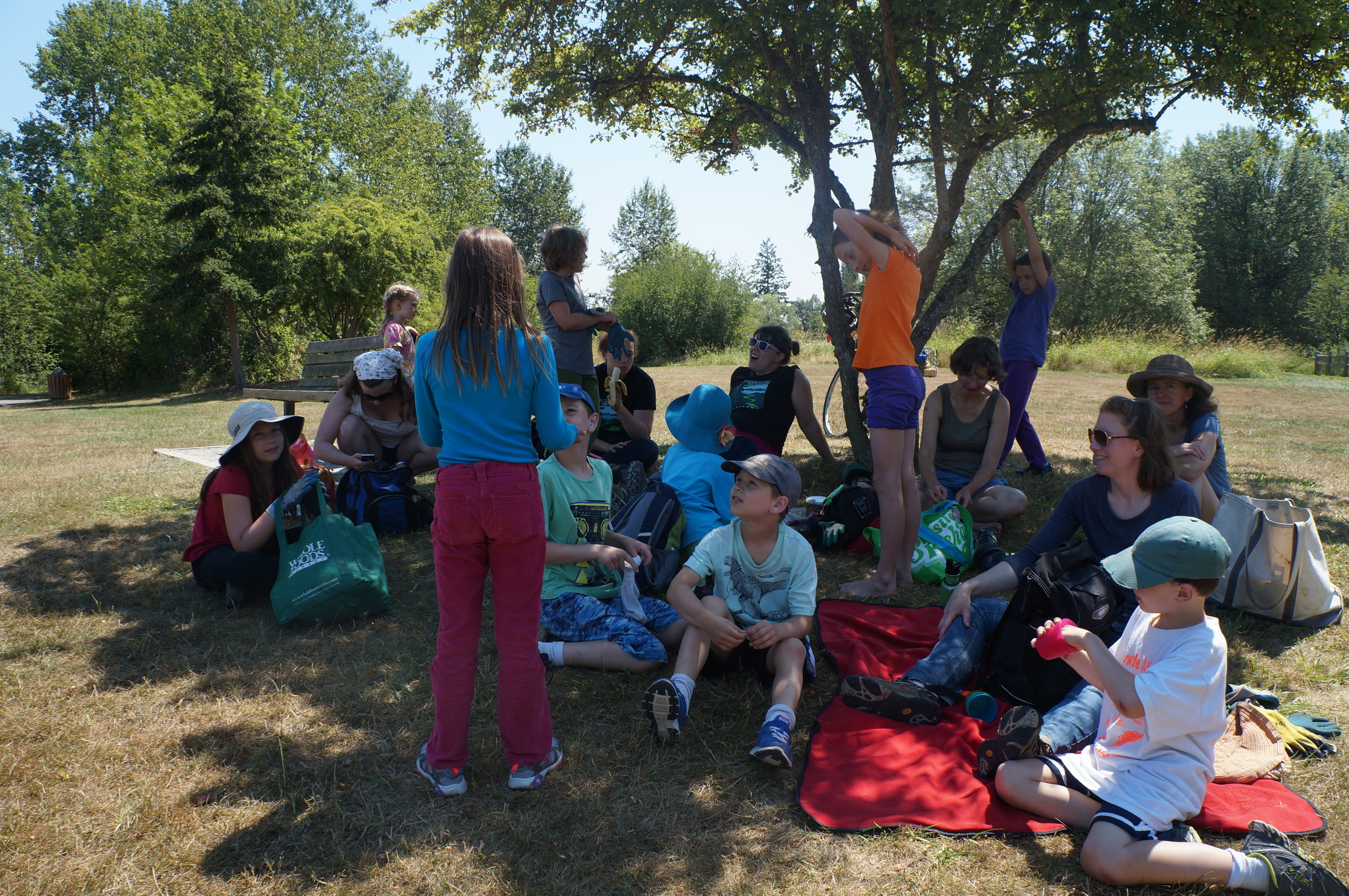
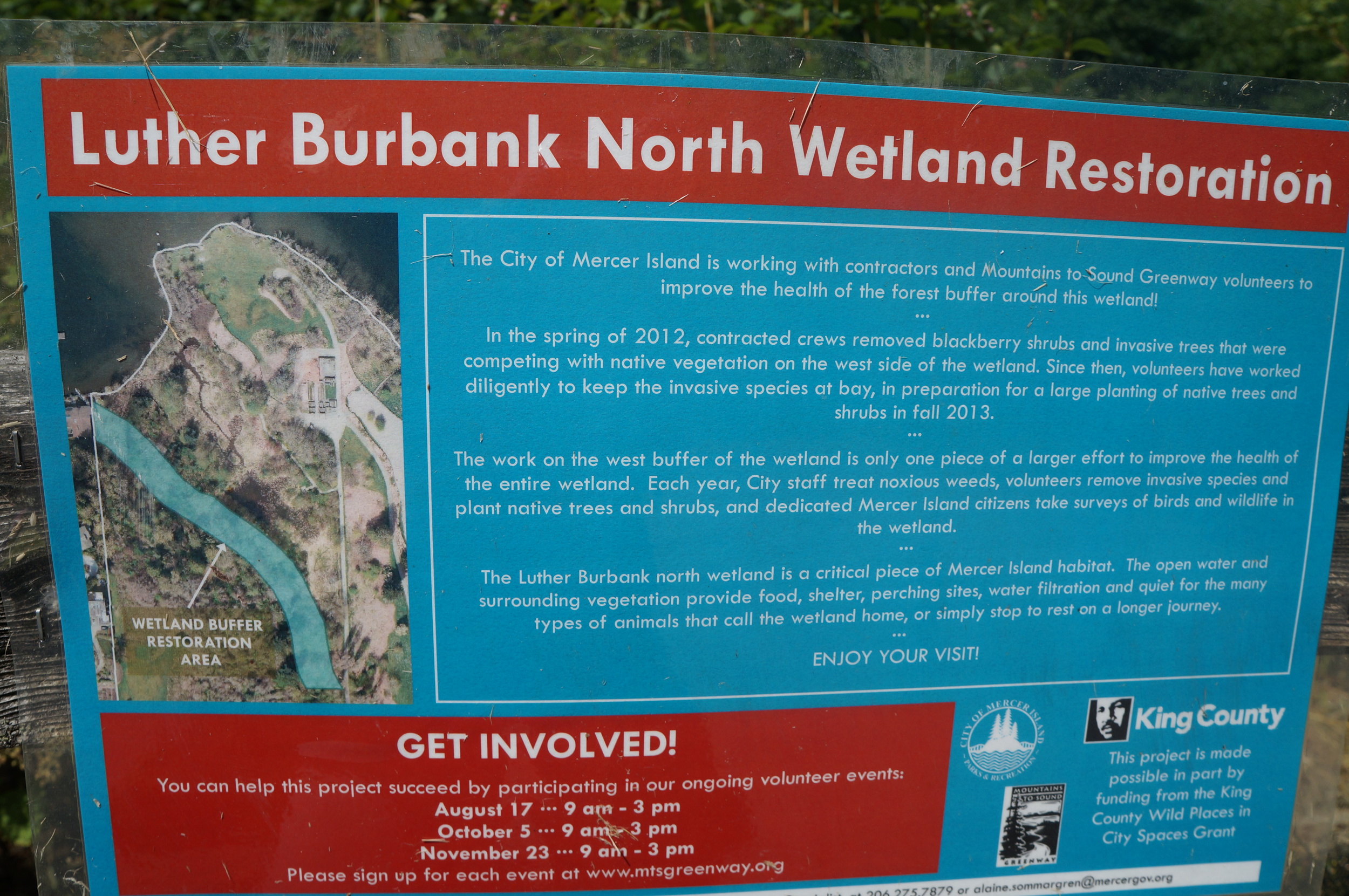
Mountains to Sound Greenway choose a shady spot for our weeding work beneath a large Oregon ash / Fraxinus latifolius at Luther Burbank Park.  The soil was completely dry, but the native plantings were hanging on well.  So were the weeds.  We kept busy pulling noxious species away from the rose, mahonia & red osier dogwood.  There were many invasive common hawthorn / Crataegus monogyna seedlings.  To our chagrin, we looked up at our lunchbreak tree on the park lawn and saw a lovely small tree of just this invasive variety.  The children were very confused as to why it was preserved by the park staff while we had worked all morning to eradicate its progeny.  Perhaps an interesting lesson on multi-agency/organization coordination.  This is certainly a tree that should be hit with the mower.

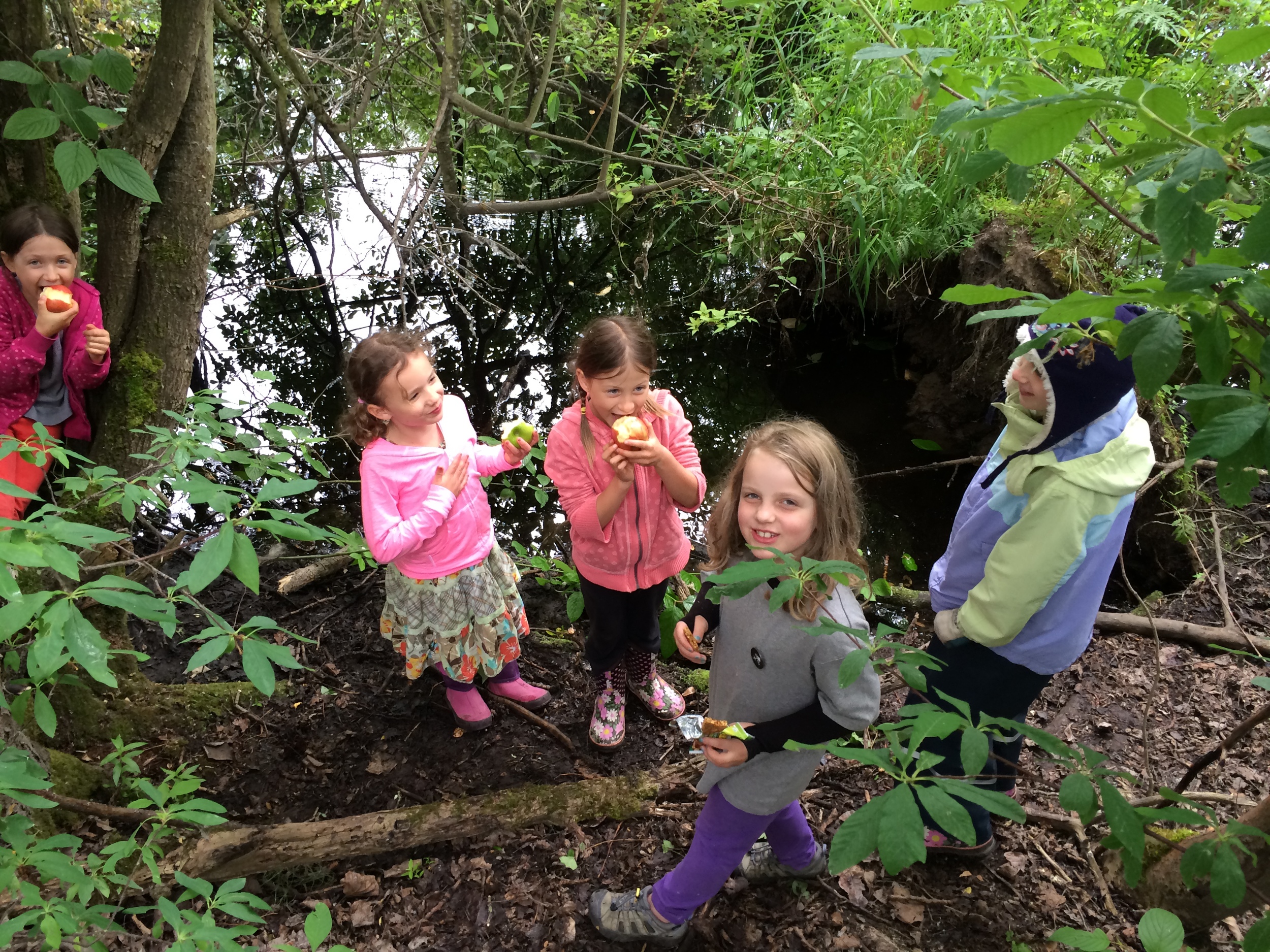
We swam at the quiet north end of the park, enjoying wide views across Lake Washington.  We even had the amazing opportunity to see a dragon/damsel fly nymph (larvae) emerge from its watery lifecycle and gradually unfurl its wings over 10m or so.  Stunning.  

Read about their amazing life cycle here.

Read about their amazing life cycle here.

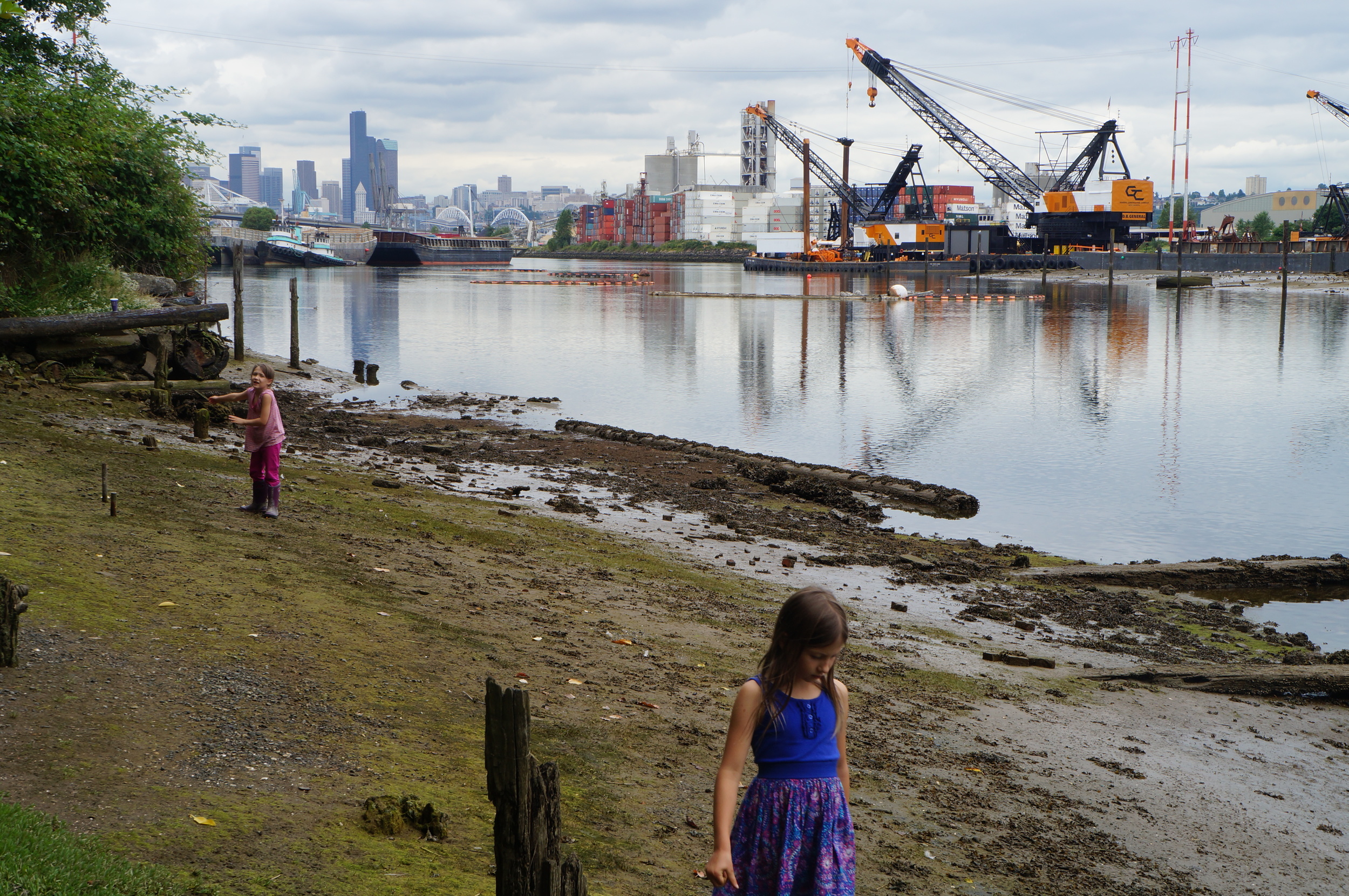
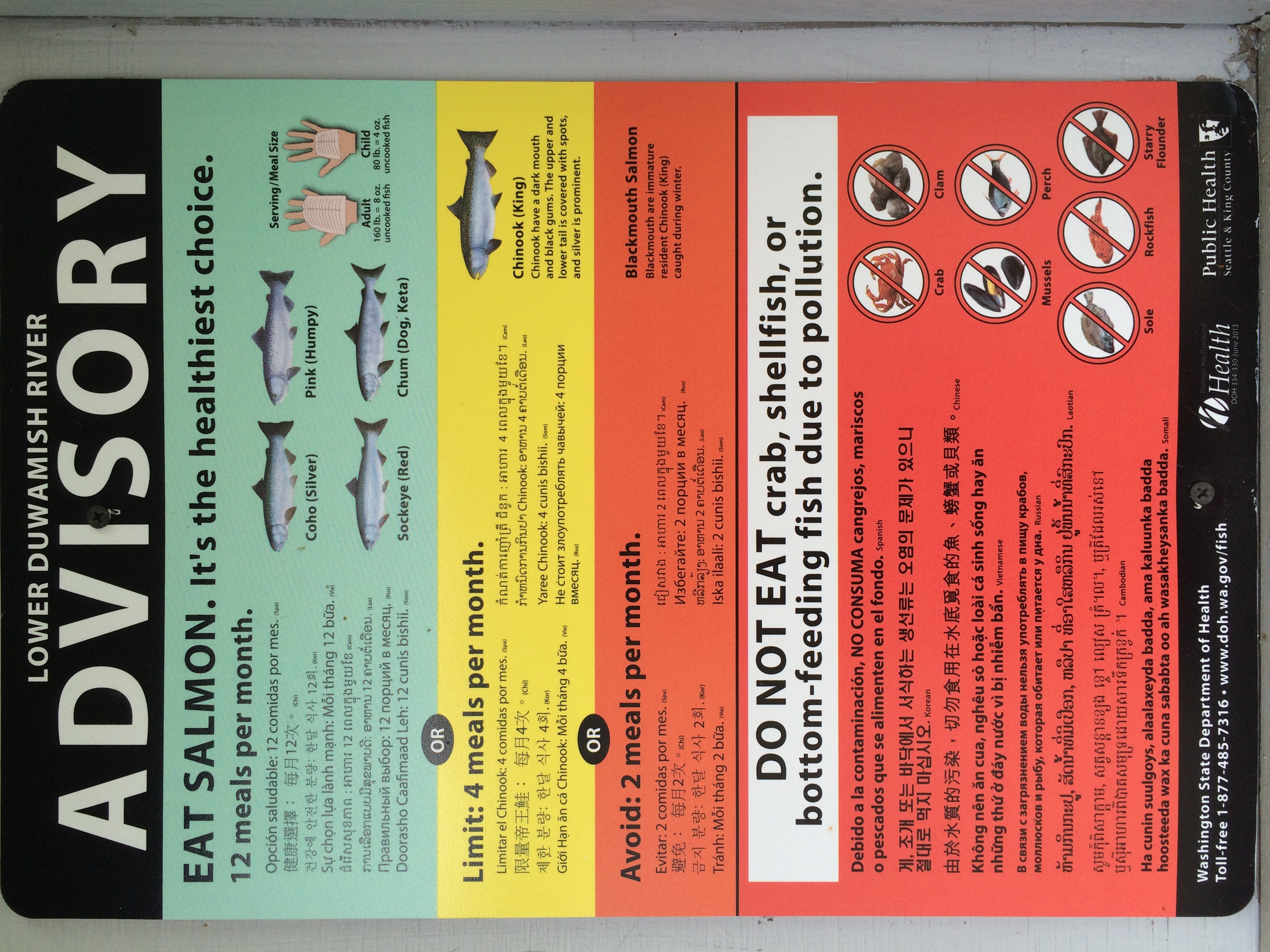
Terminal 107 on the Duwamish with EarthCorps.

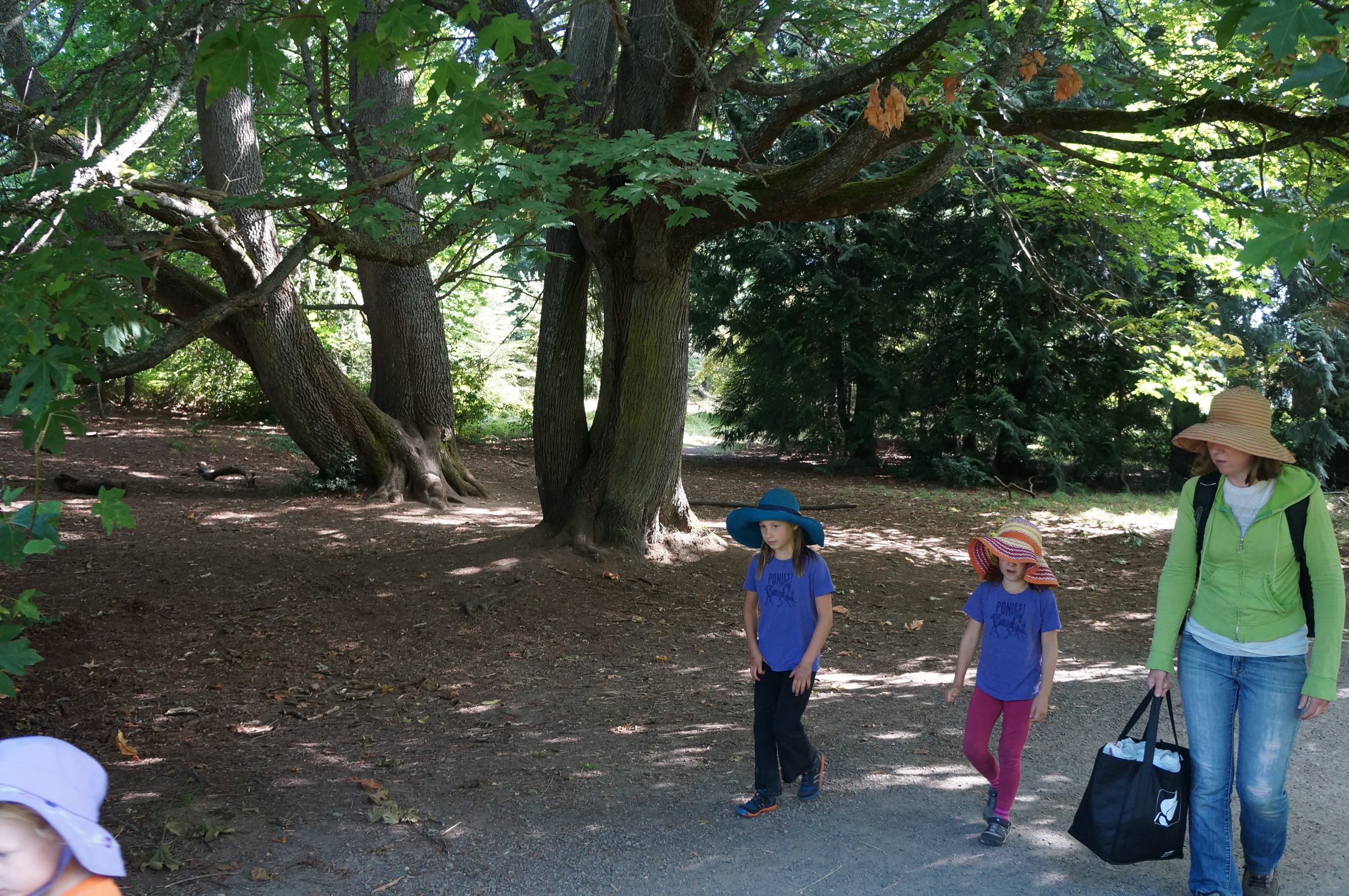
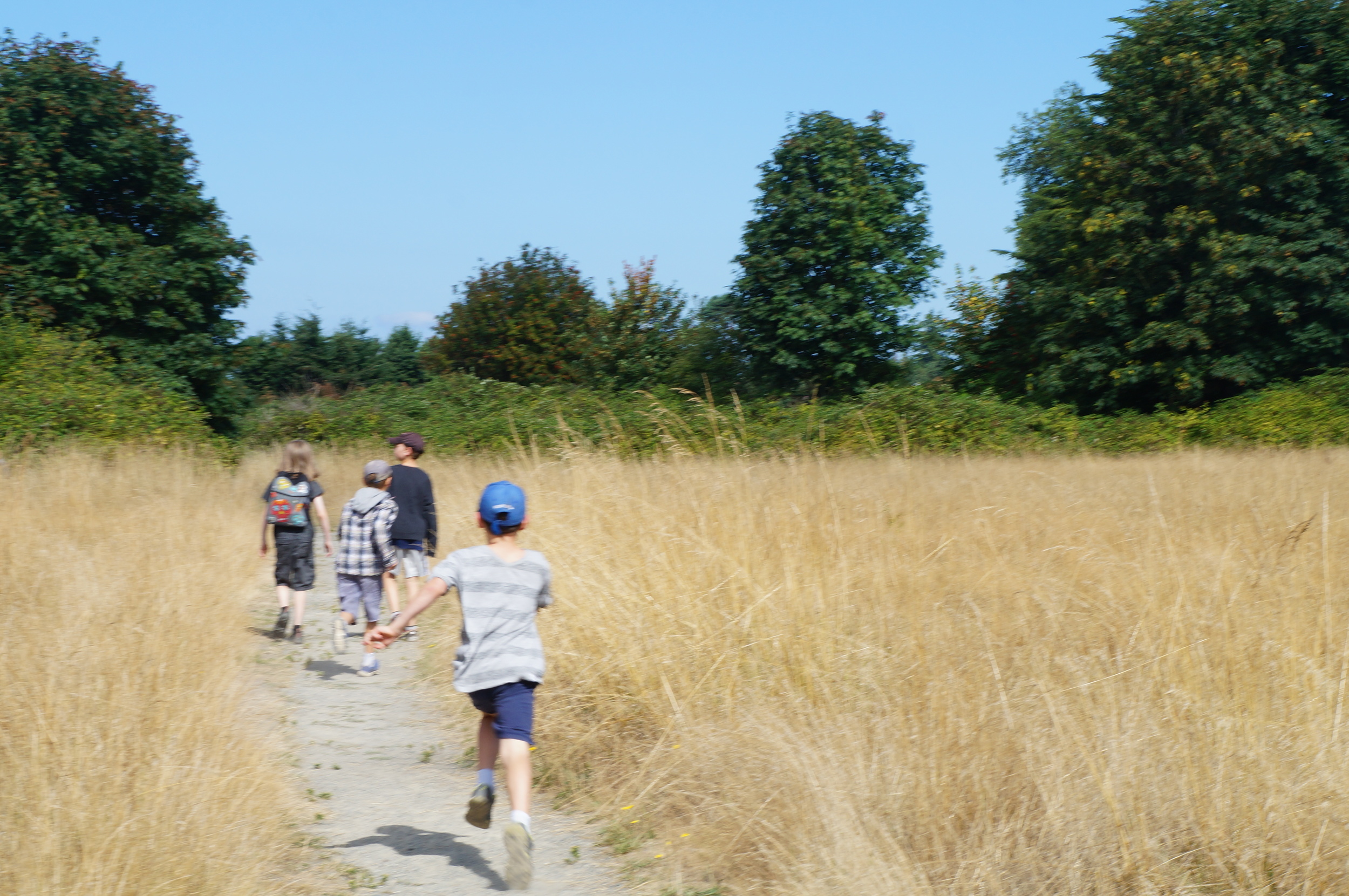
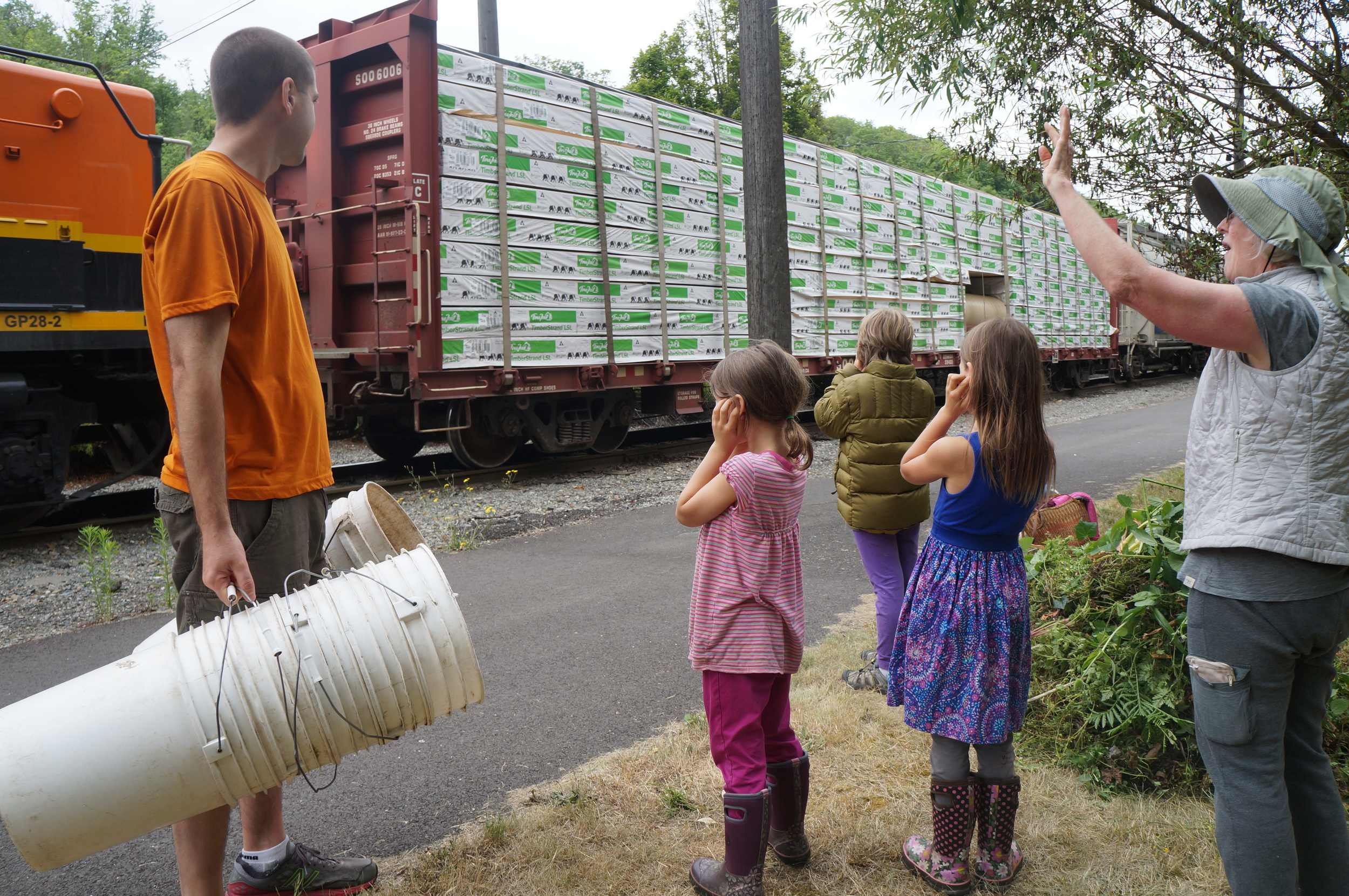
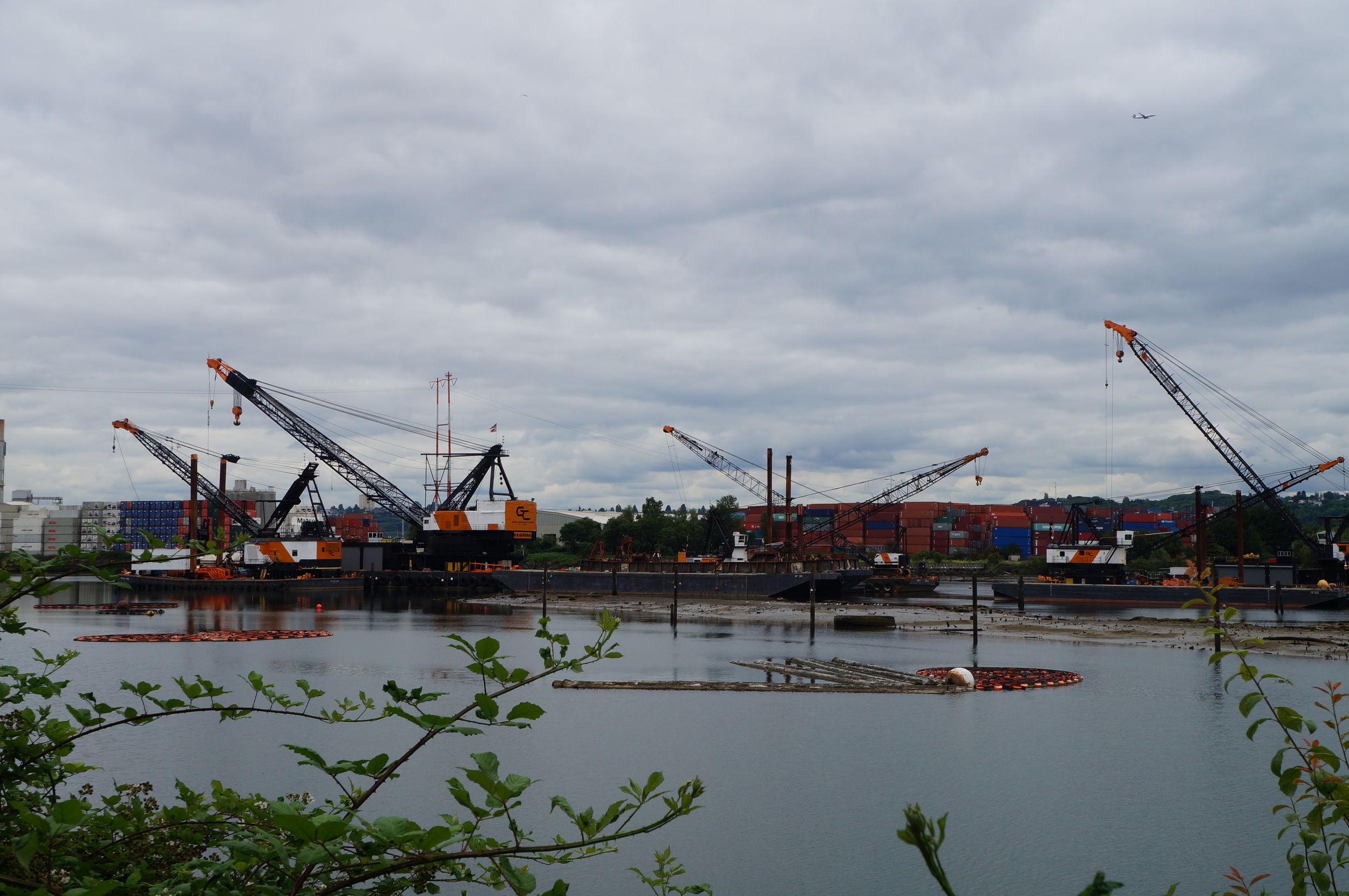
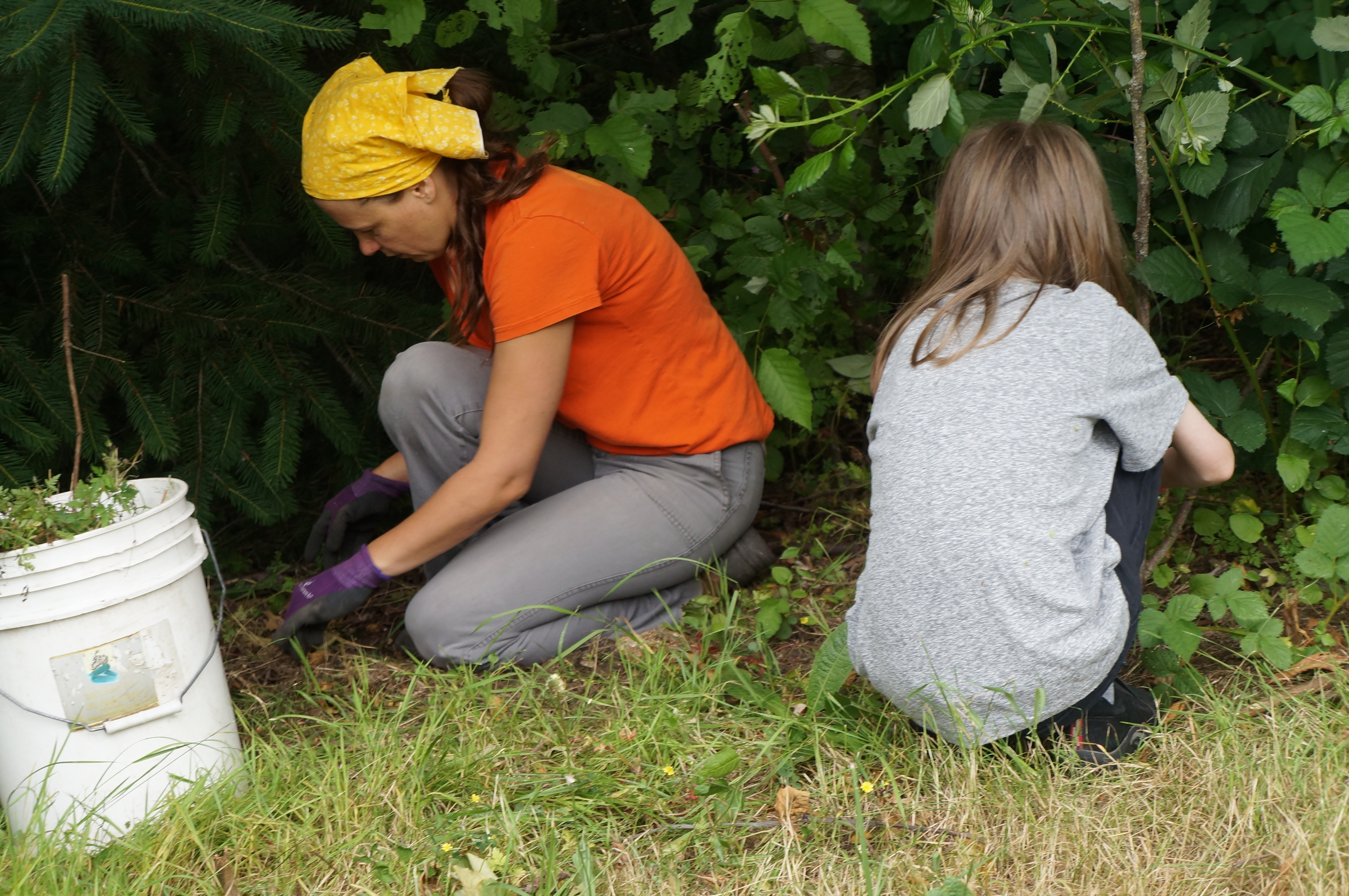
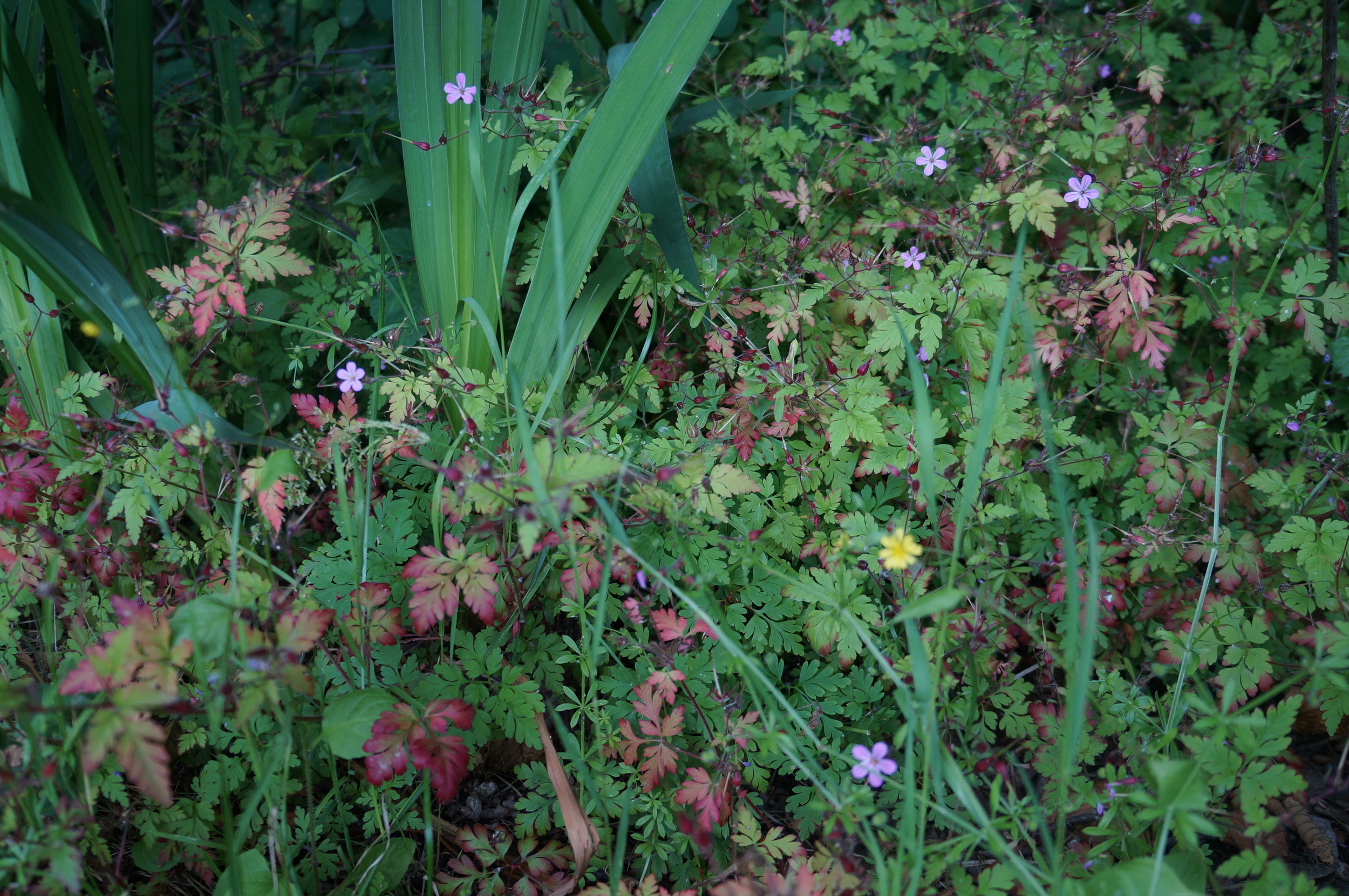
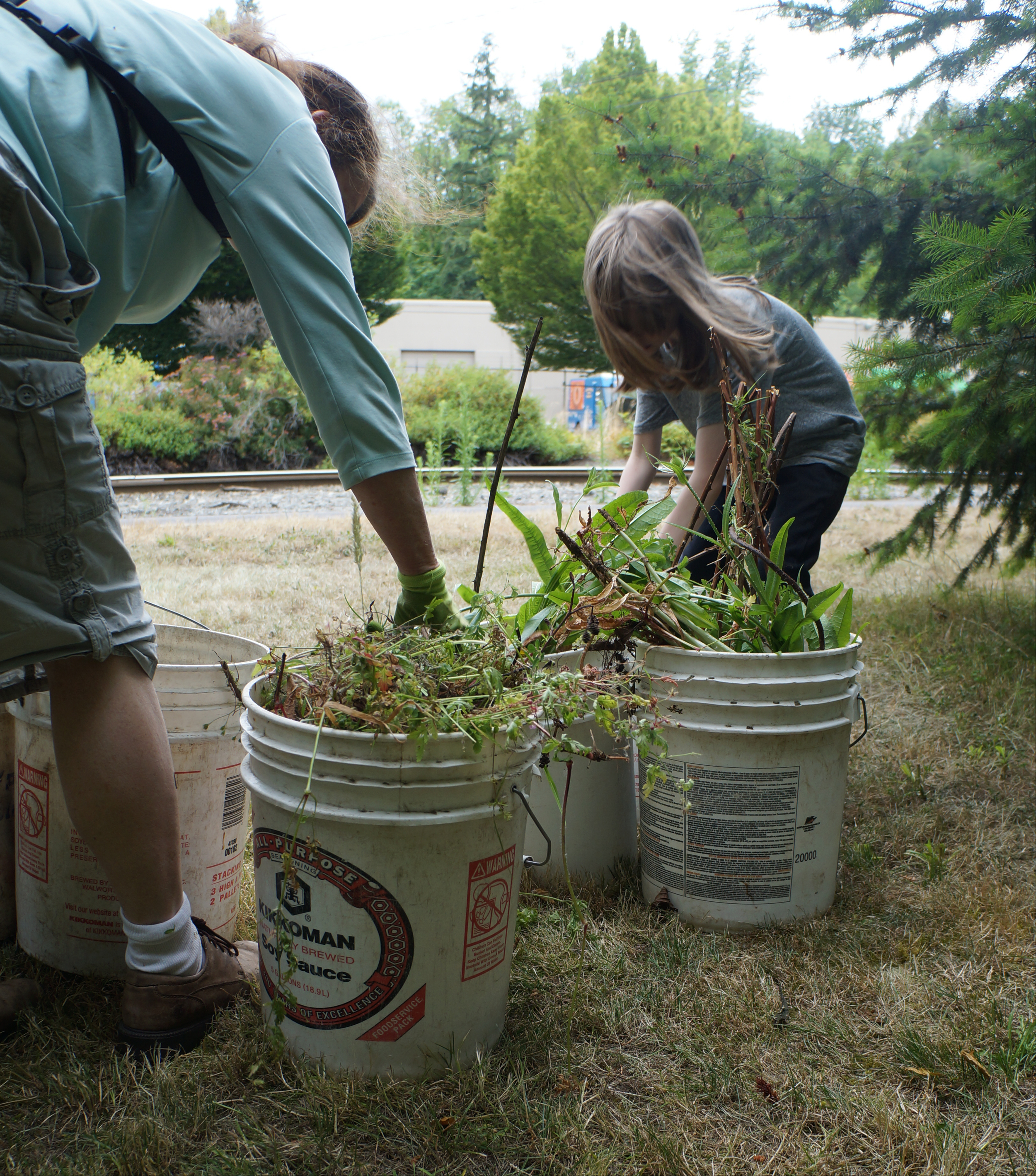
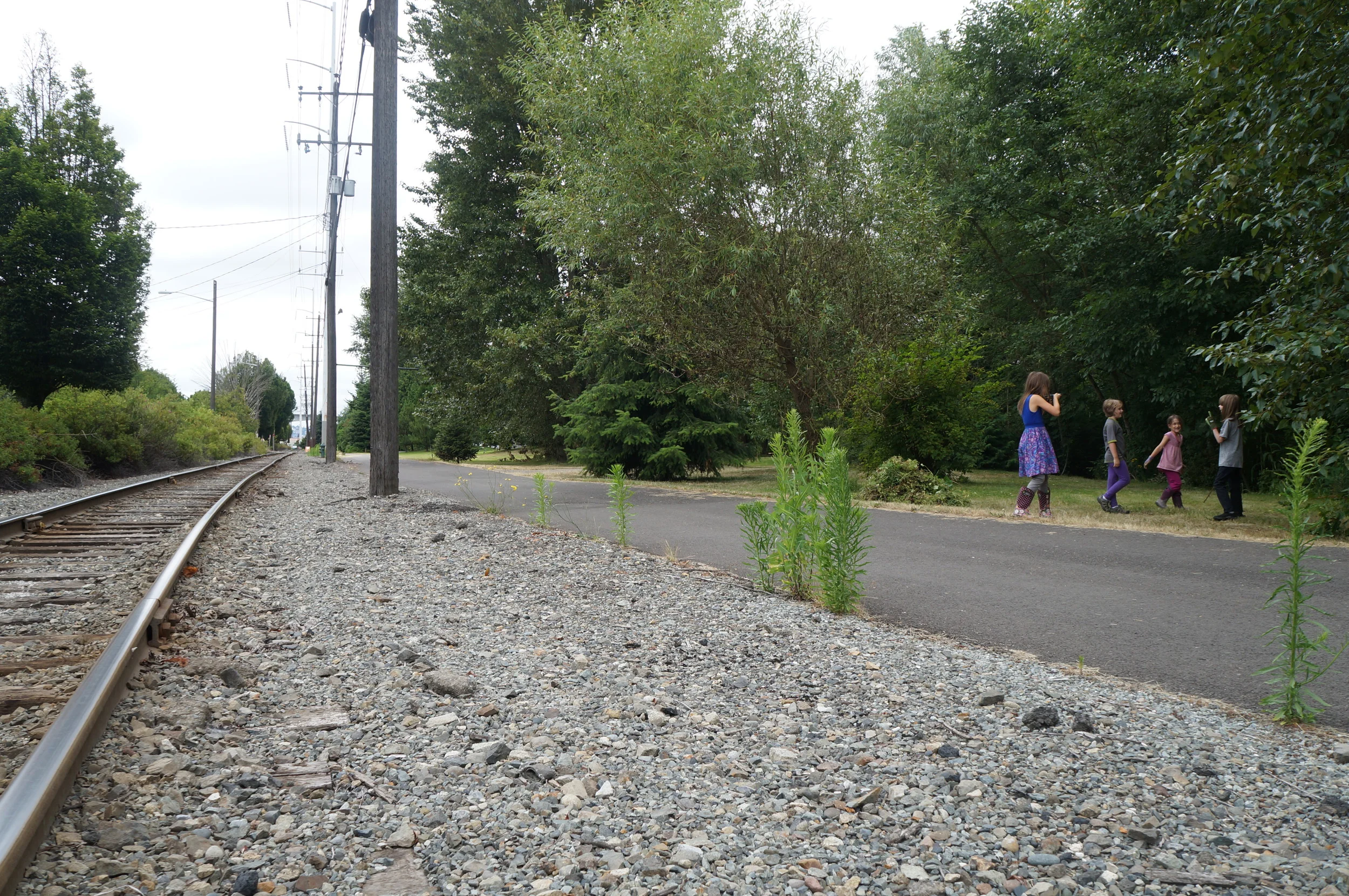
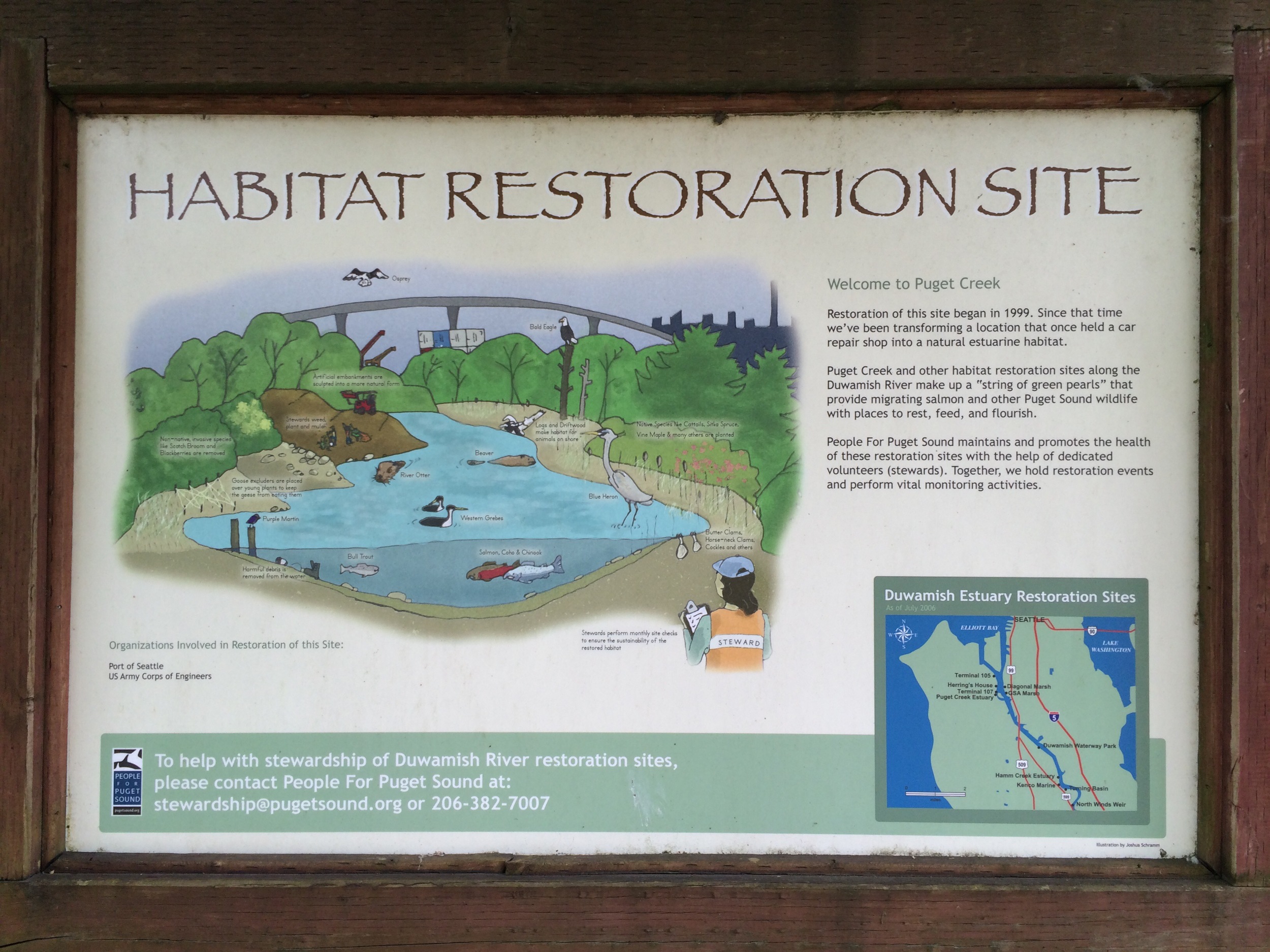
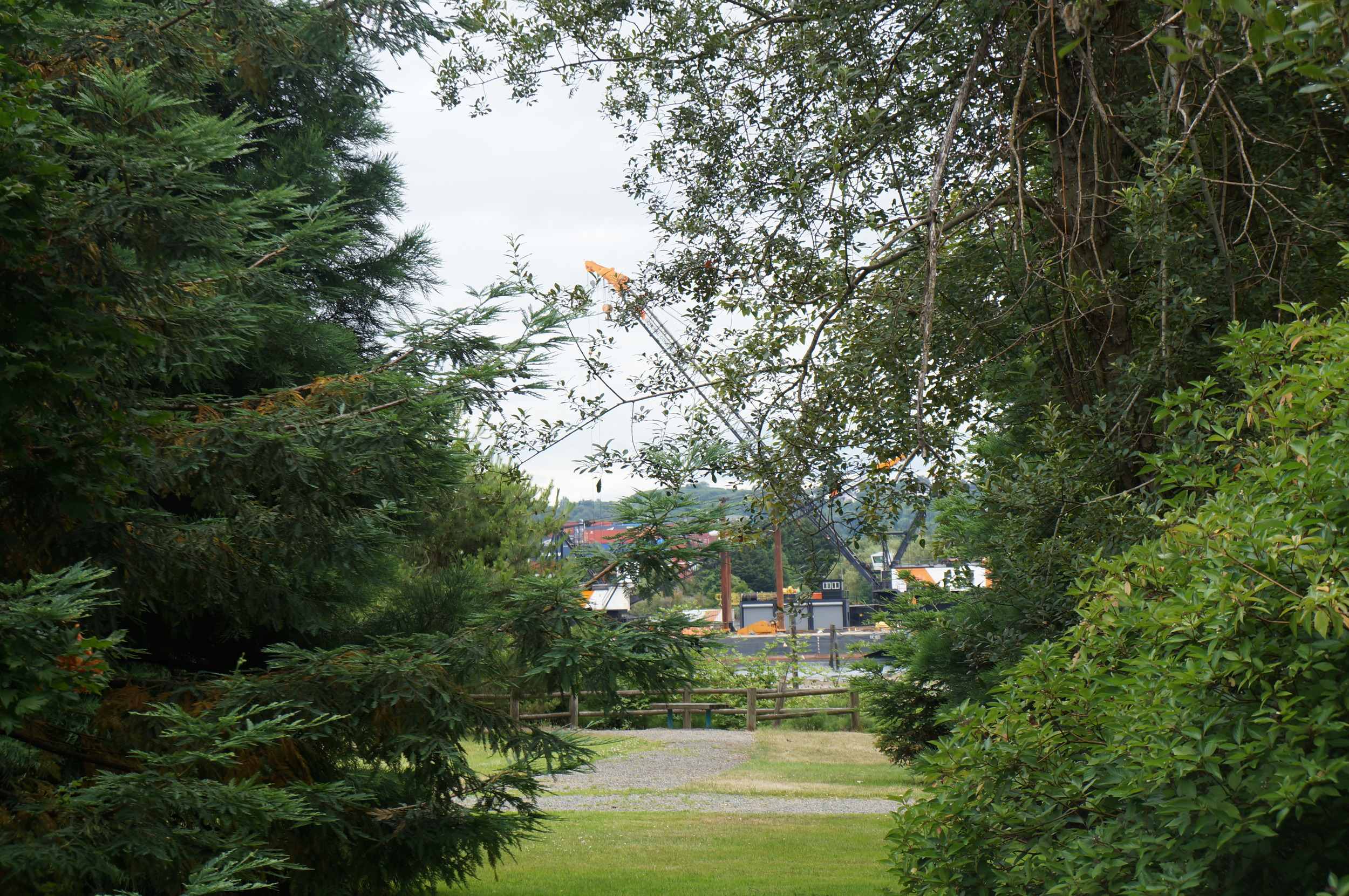
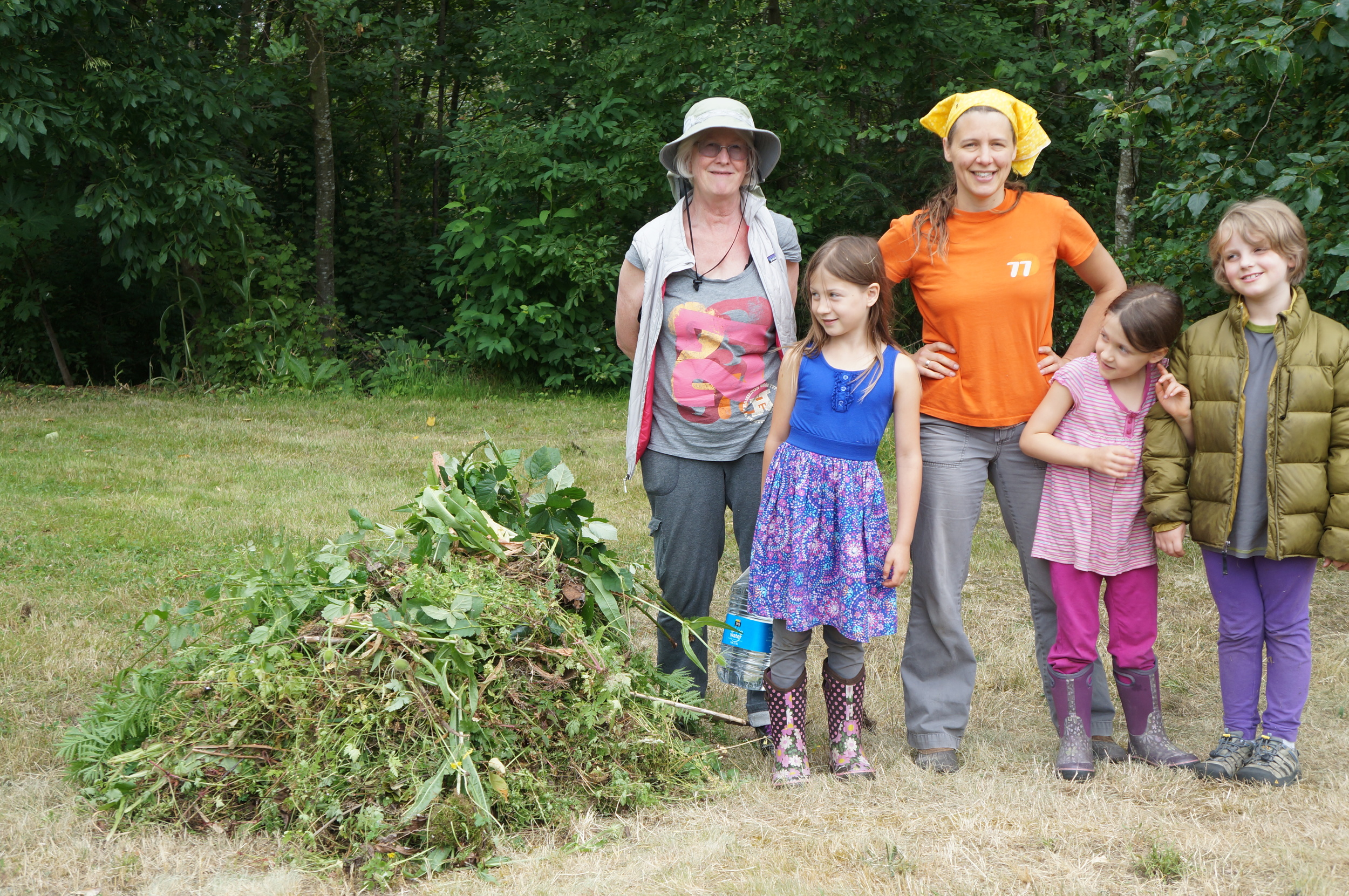
We pulled weeds with EarthCorps in the restoration site along Puget Creek at T-107 Park across from the Duwamish Longhouse, and indeed the park lies on a former native village site.  It was a quiet morning pulling stinky Bob and marveling at the noxious beauty of teasel until the train came chugging up just ten feet away!  Very exciting.  We observed just how carefully one has to grip the crown of noxious stinky Bob / Geranium robertianum.  The stems snap easily and if the crown remains in the soil it happily re-grows.  Afterwards we roamed the enjoyable park, reading about the boat sculpture, native history, spying the woodland pond, visiting the riverfront and deciding to come back with the kids' bikes; the photo below shows the regional trail access as well.

Native Crataegus Douglasii / Douglas' hawthorn, not to be confused with the noxious common hawthorn / Crataegus monogyna.  They have much different leaves (see below) and unfortunately you almost always encounter the weedy one.

Native Crataegus Douglasii / Douglas' hawthorn, not to be confused with the noxious common hawthorn / Crataegus monogyna.  They have much different leaves (see below) and unfortunately you almost always encounter the weedy one.

The  noxious common hawthorn / Crataegus monogyna showing it's more divided leaves. 

The  noxious common hawthorn / Crataegus monogyna showing it's more divided leaves. 

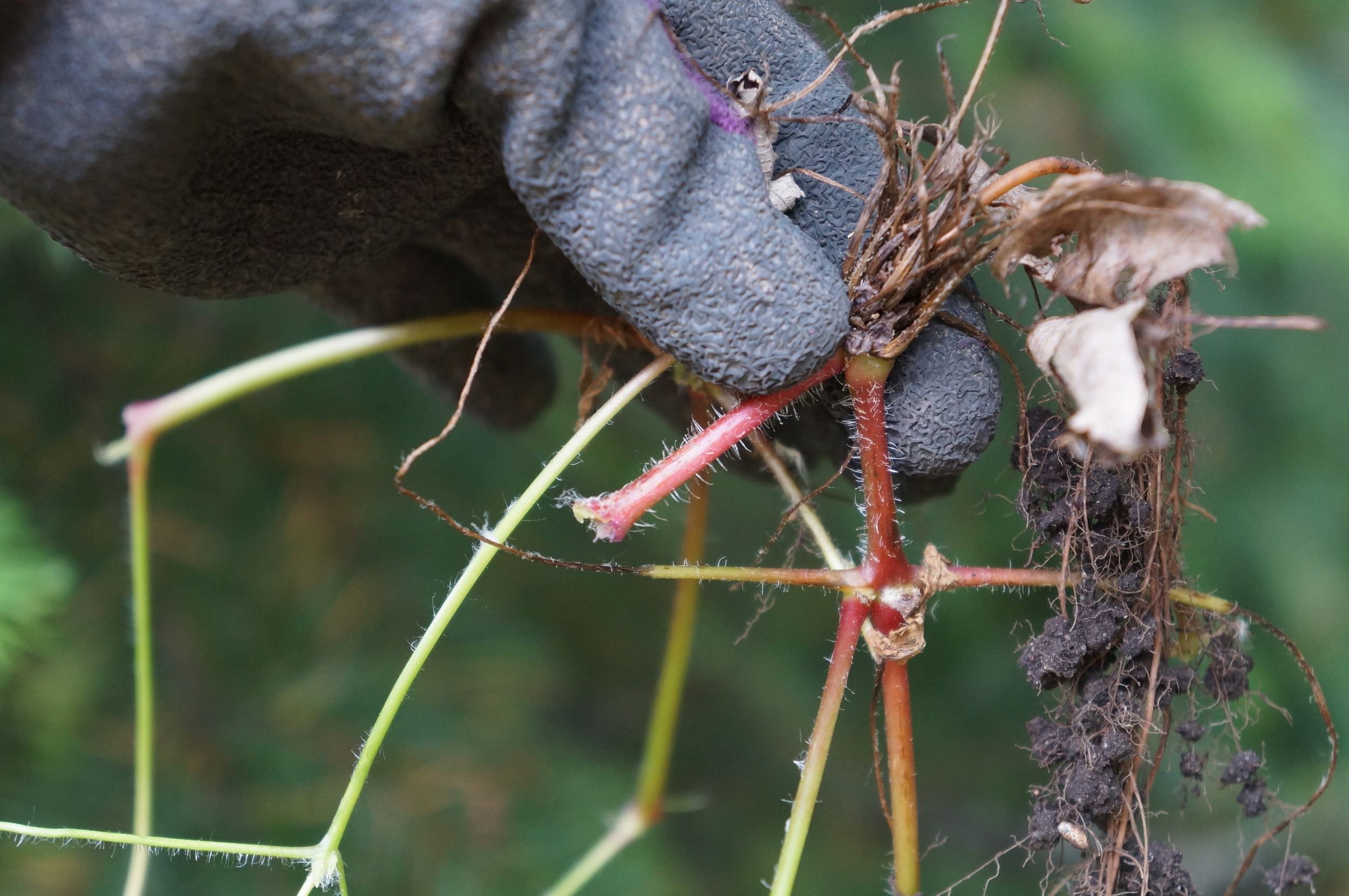
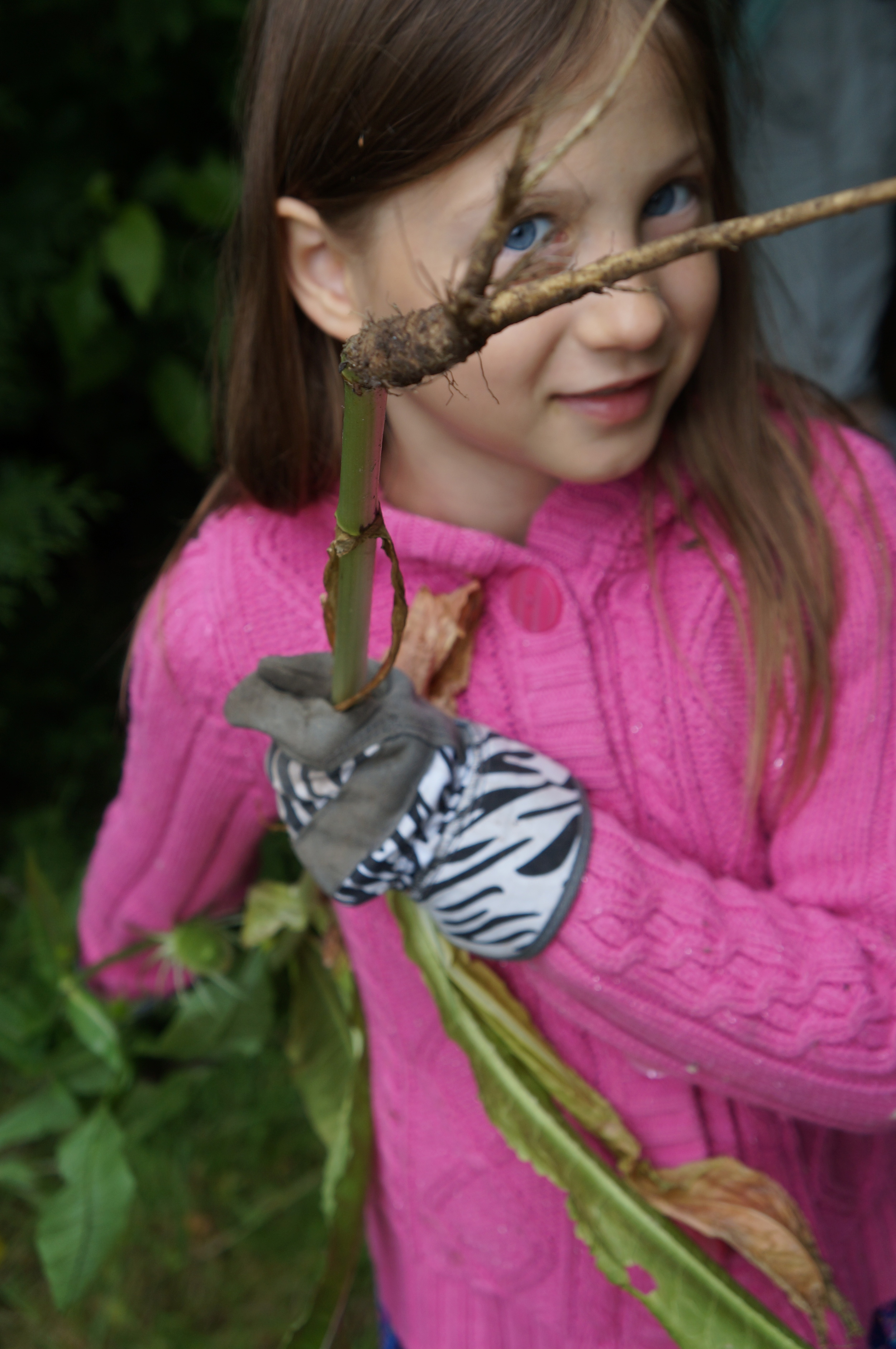
Stinky Bob must be pinched at the crown to be pulled out effectively, upon which it is easy to pluck.  When just the stems are tugged, they snap and the crown remains, happy to regrow.

Stinky Bob must be pinched at the crown to be pulled out effectively, upon which it is easy to pluck.  When just the stems are tugged, they snap and the crown remains, happy to regrow.

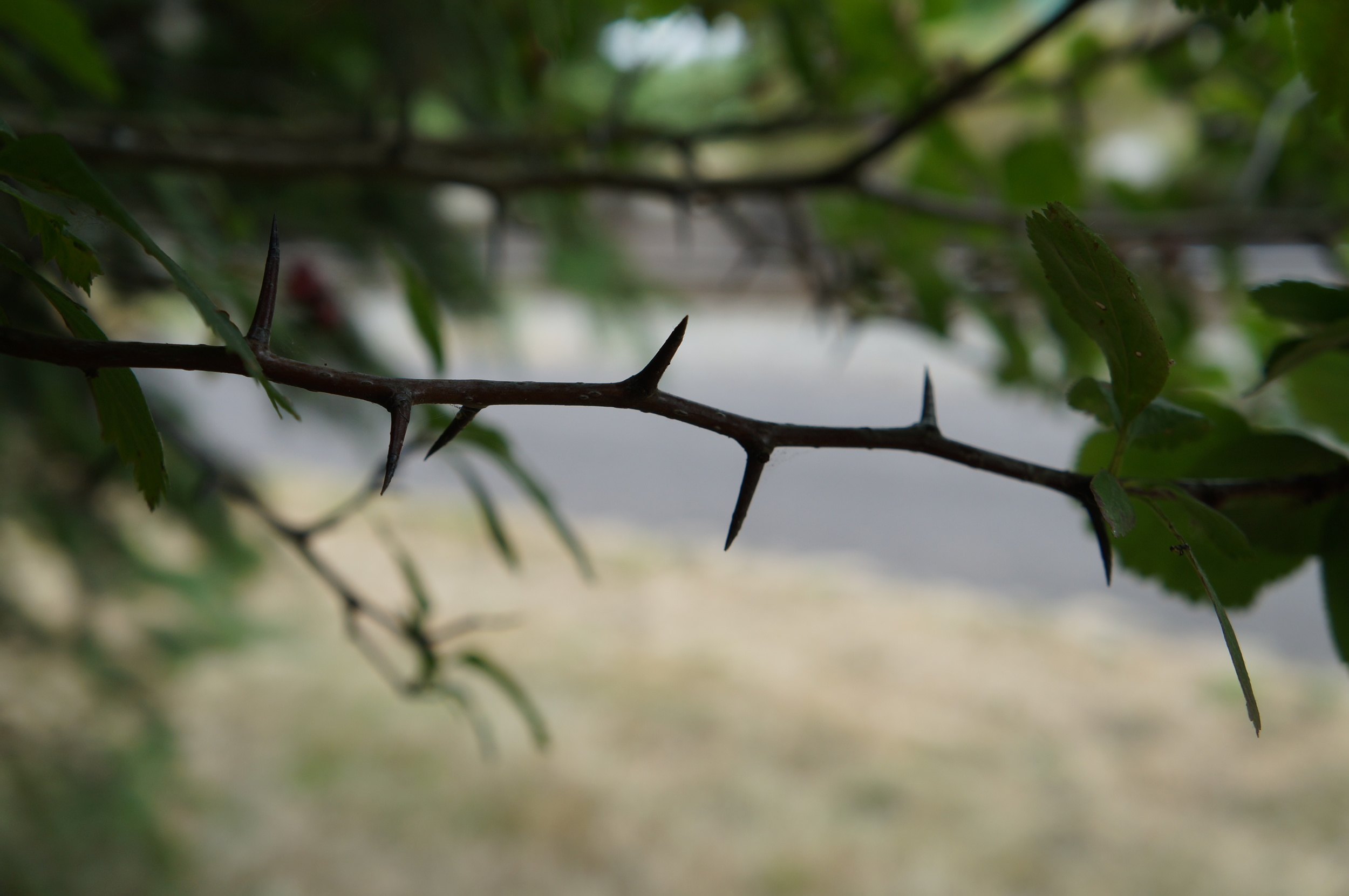
Native Crataegus Douglasii / Douglas' hawthorn has some wicked thorns (as does the noxious sp.)

Native Crataegus Douglasii / Douglas' hawthorn has some wicked thorns (as does the noxious sp.)

Noxius teasel / Dipsacus fullonum.  An attractive nuisance.

Noxius teasel / Dipsacus fullonum.  An attractive nuisance.

Noxius teasel / Dipsacus fullonum can be very tall.

Noxius teasel / Dipsacus fullonum can be very tall.

Female flowers and a maturing cone on a Douglas fir / Pseudotsuga menziesii.  The female flowers will ripen into cones after being wind-pollinated by the little male flowers.

Female flowers and a maturing cone on a Douglas fir / Pseudotsuga menziesii.  The female flowers will ripen into cones after being wind-pollinated by the little male flowers.

Wetland buffer maintenance at Tukwila Pond Park.

Jessa hacks the noxious common hawthorn / Crataegus monogyna.

Jessa hacks the noxious common hawthorn / Crataegus monogyna.

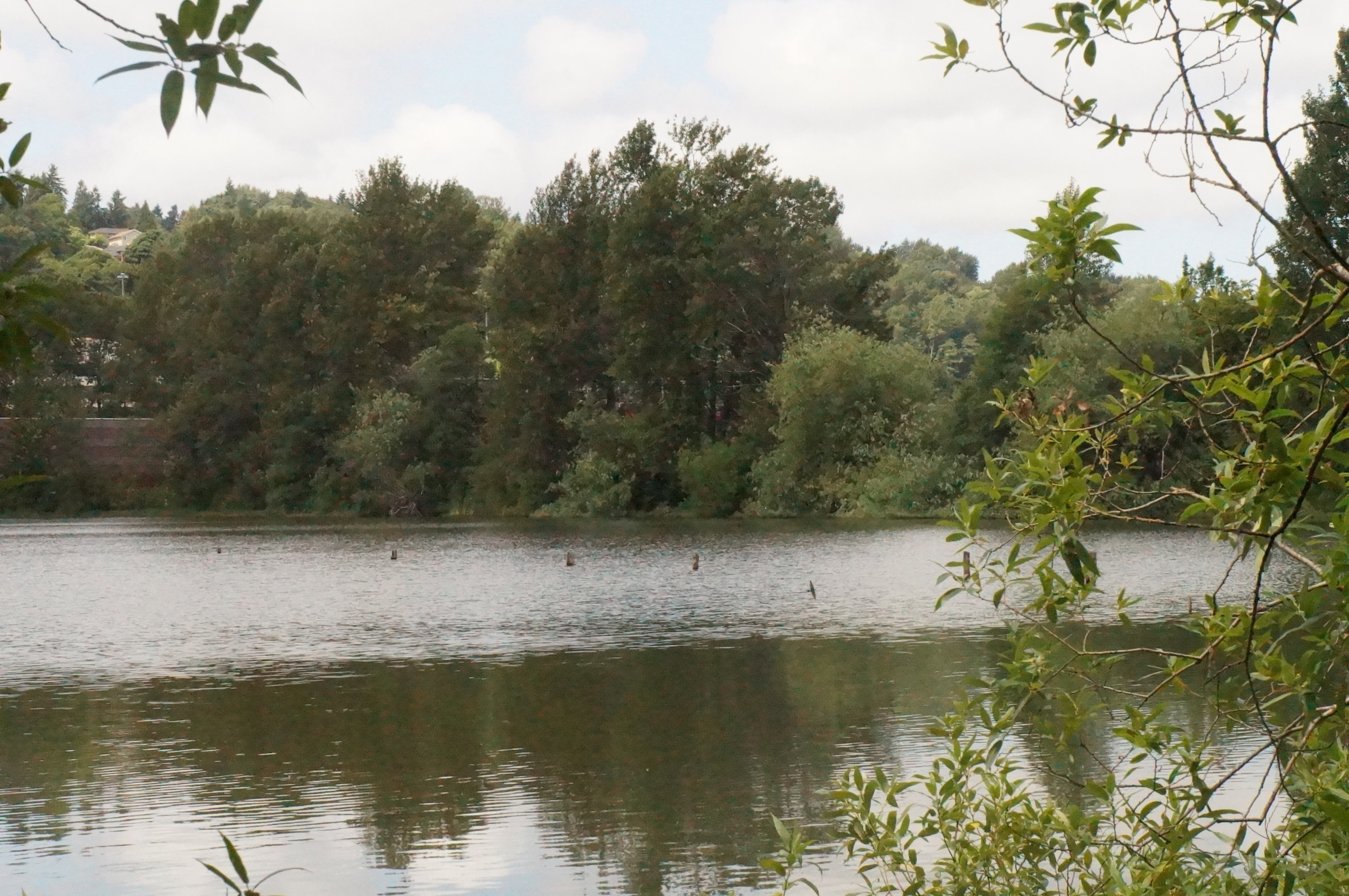
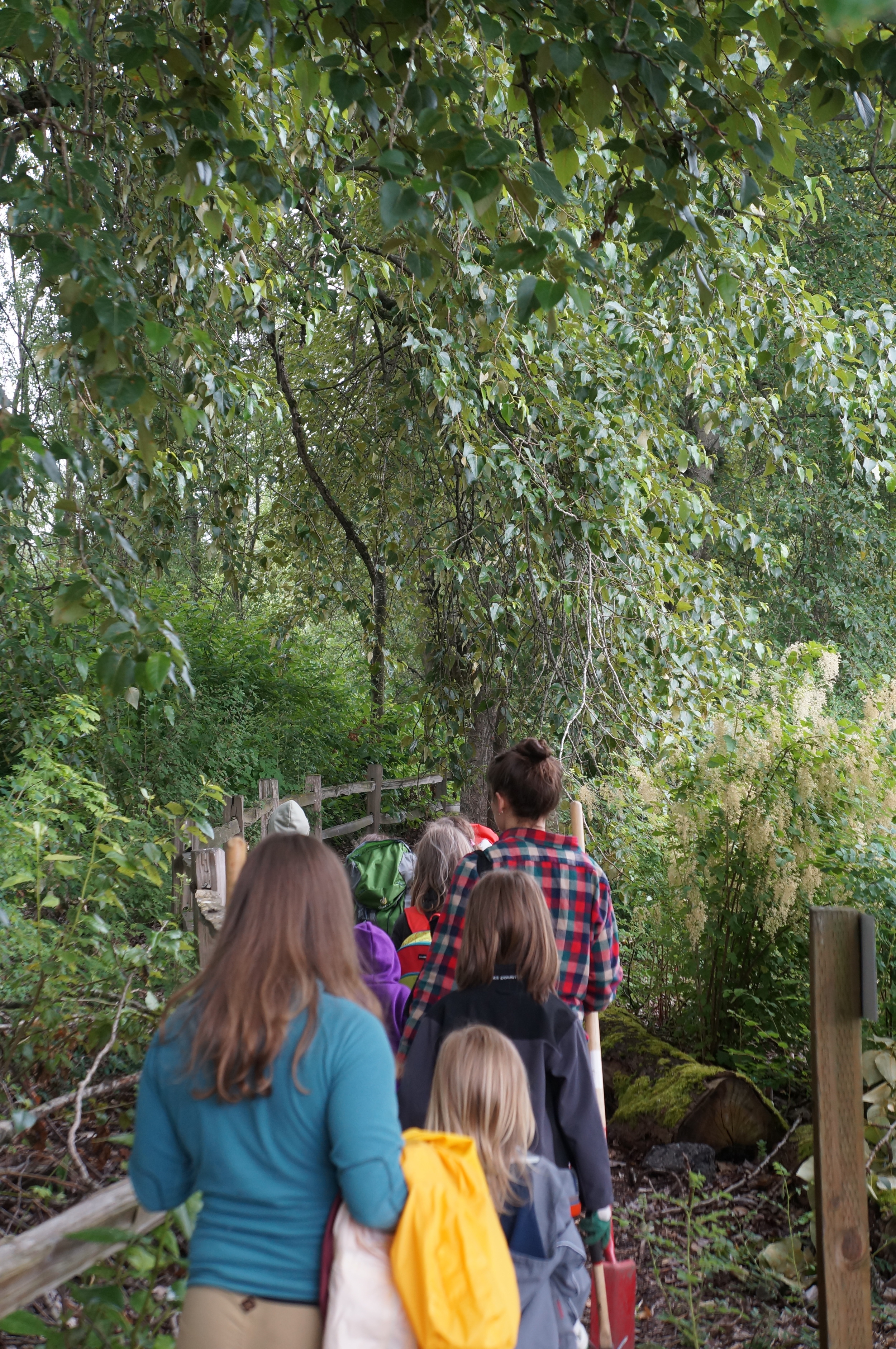
Hidden away behind the big box stores in Tukwila is a very large pond (a lake really) surrounded by willowy wetlands.  It was improved via the mitigation process, as required in exchange for development on (poor quality) wetlands nearby.  The site used to be agricultural, and indeed the old fence posts can still be seen poking out of the water.  Due to development, creek out-flow was restricted and the area became permanently flooded.  Now it is excellent bird habitat.

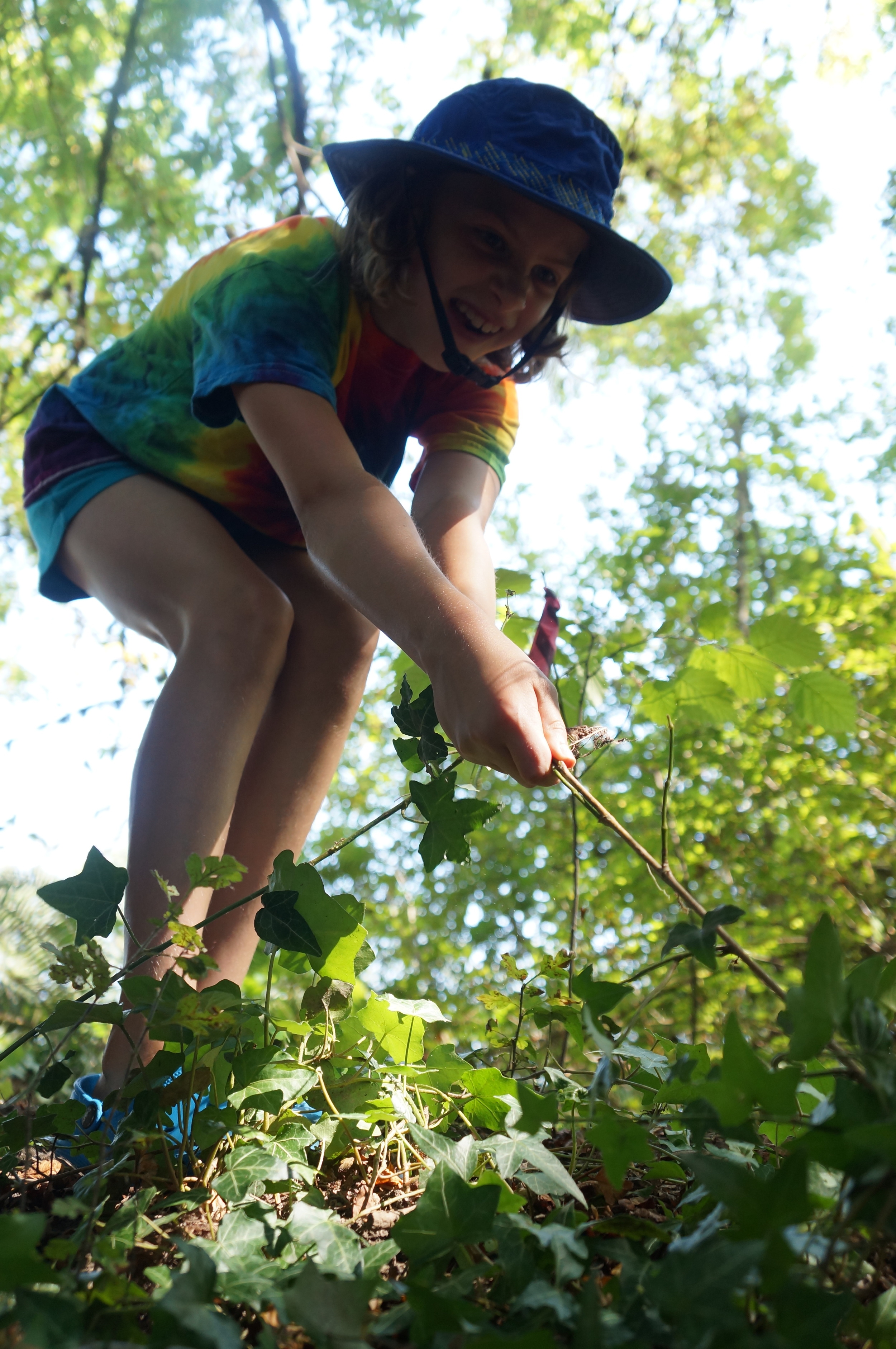
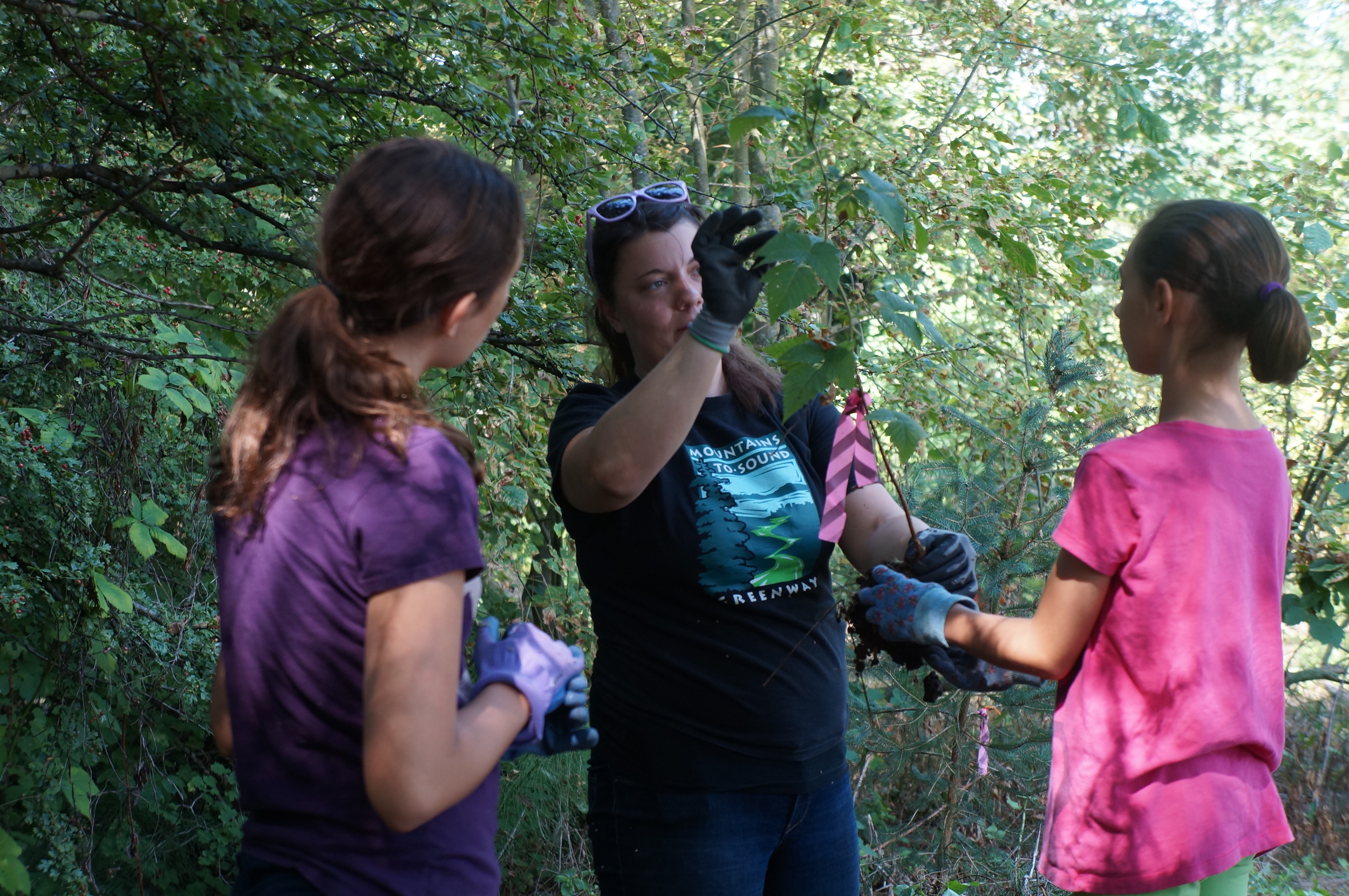
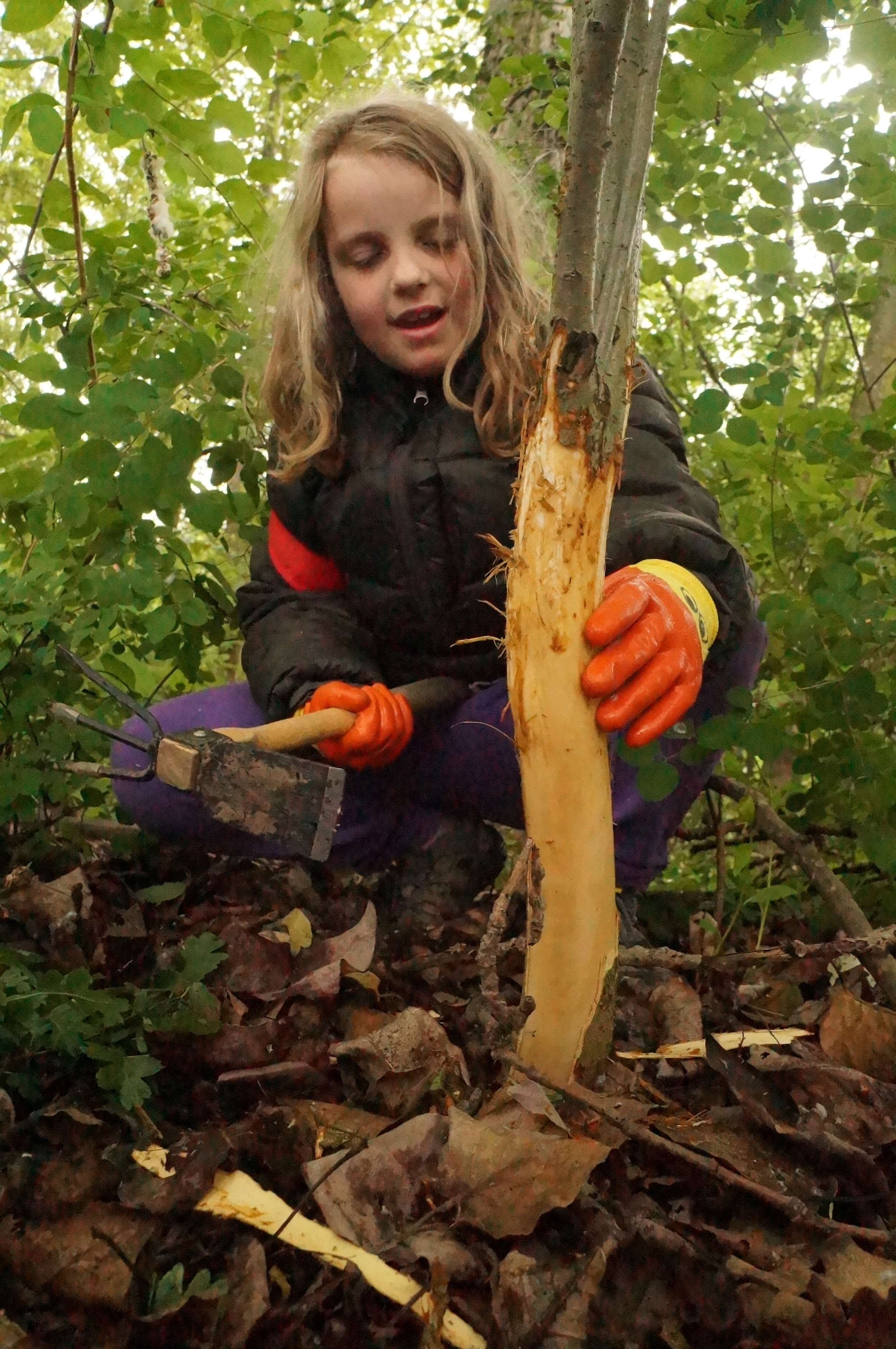
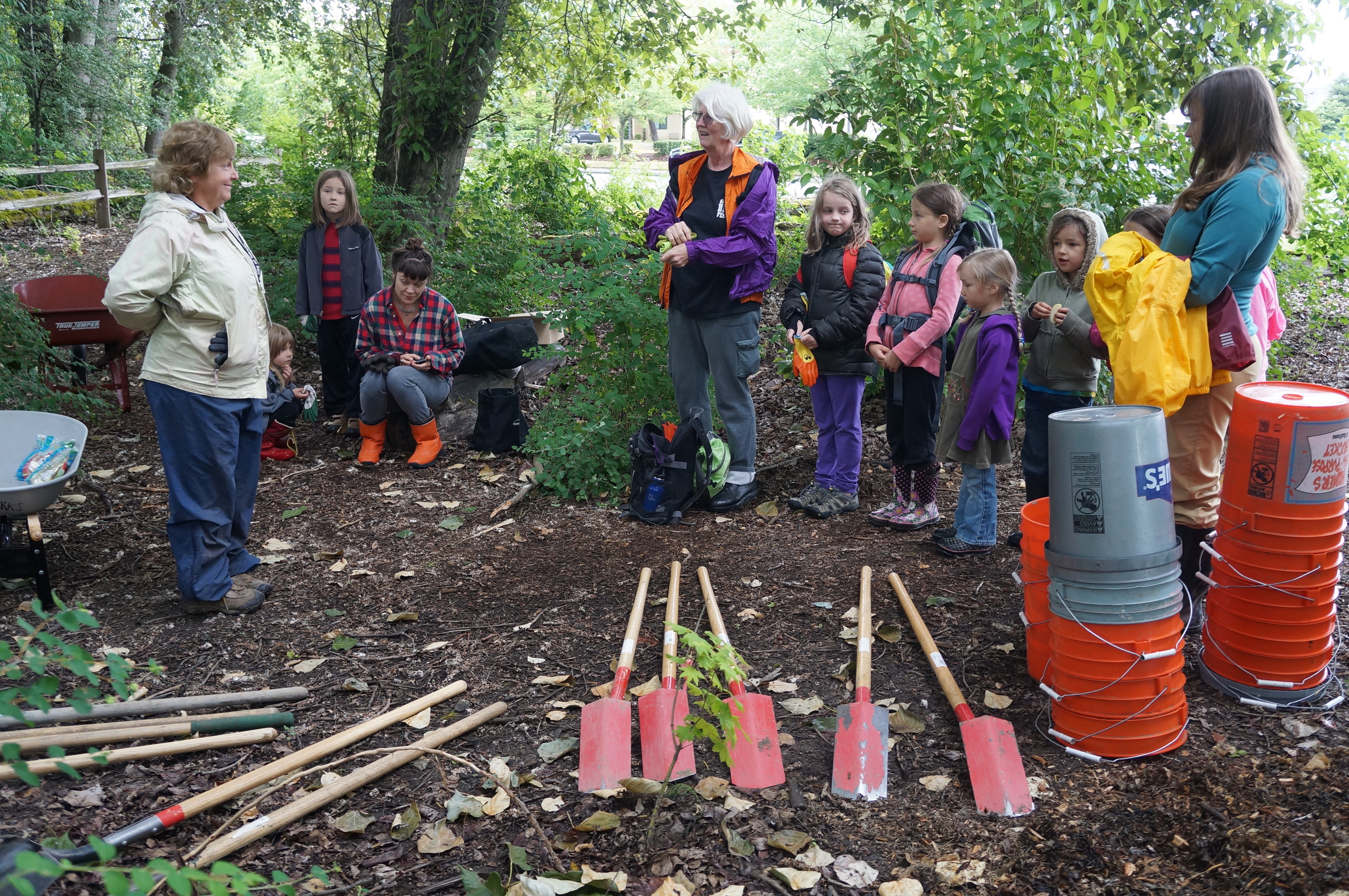
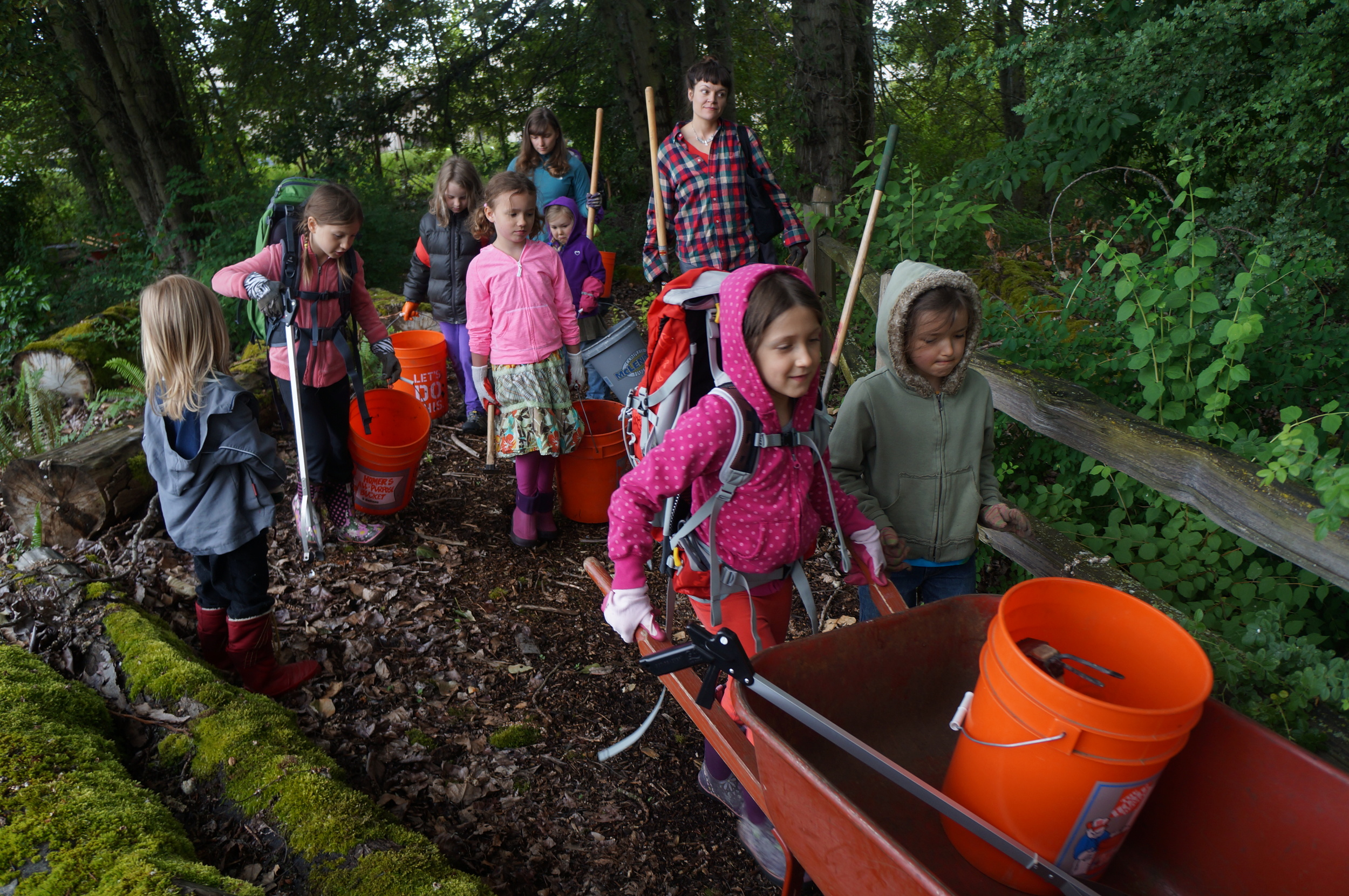
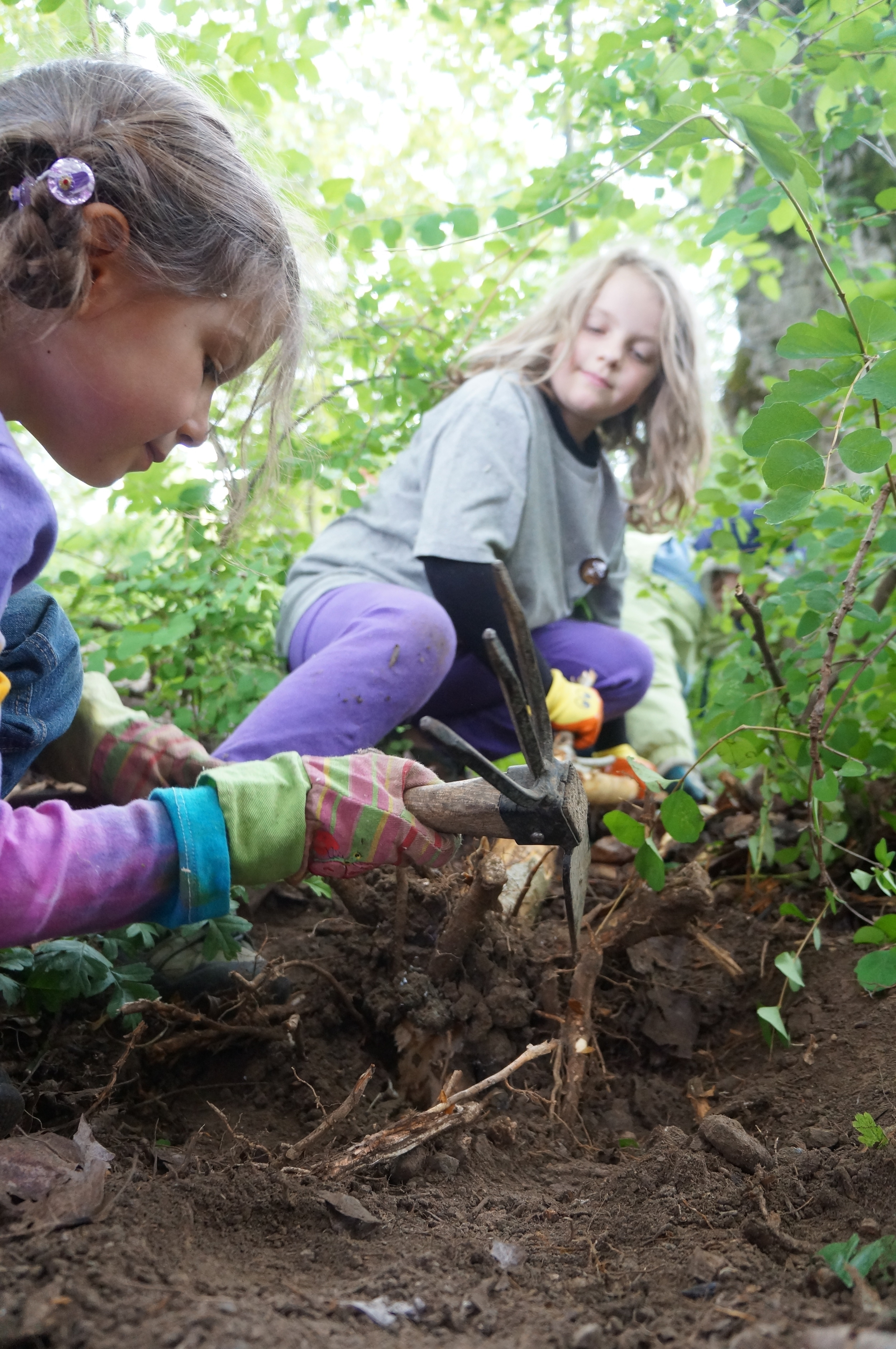
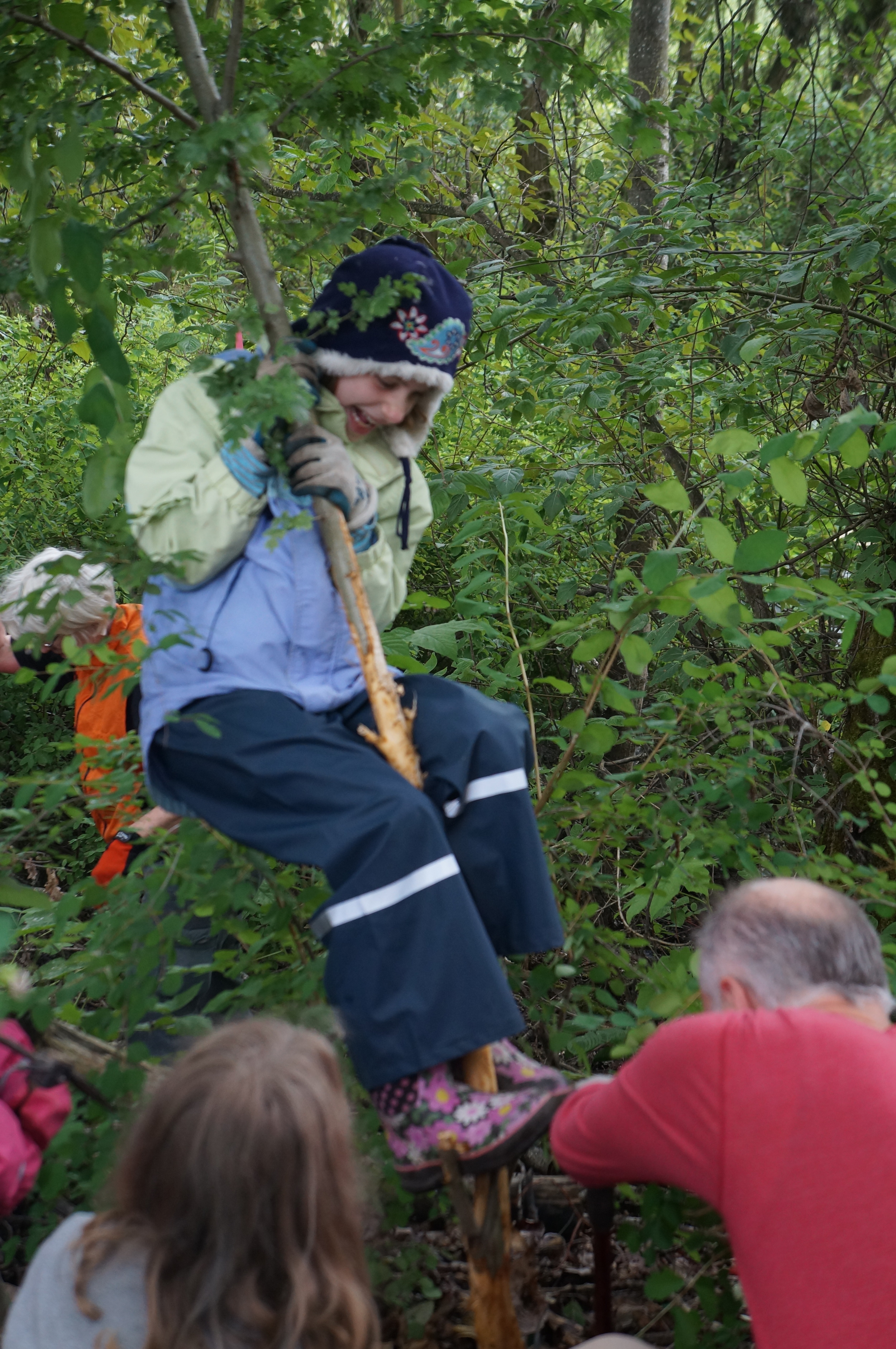
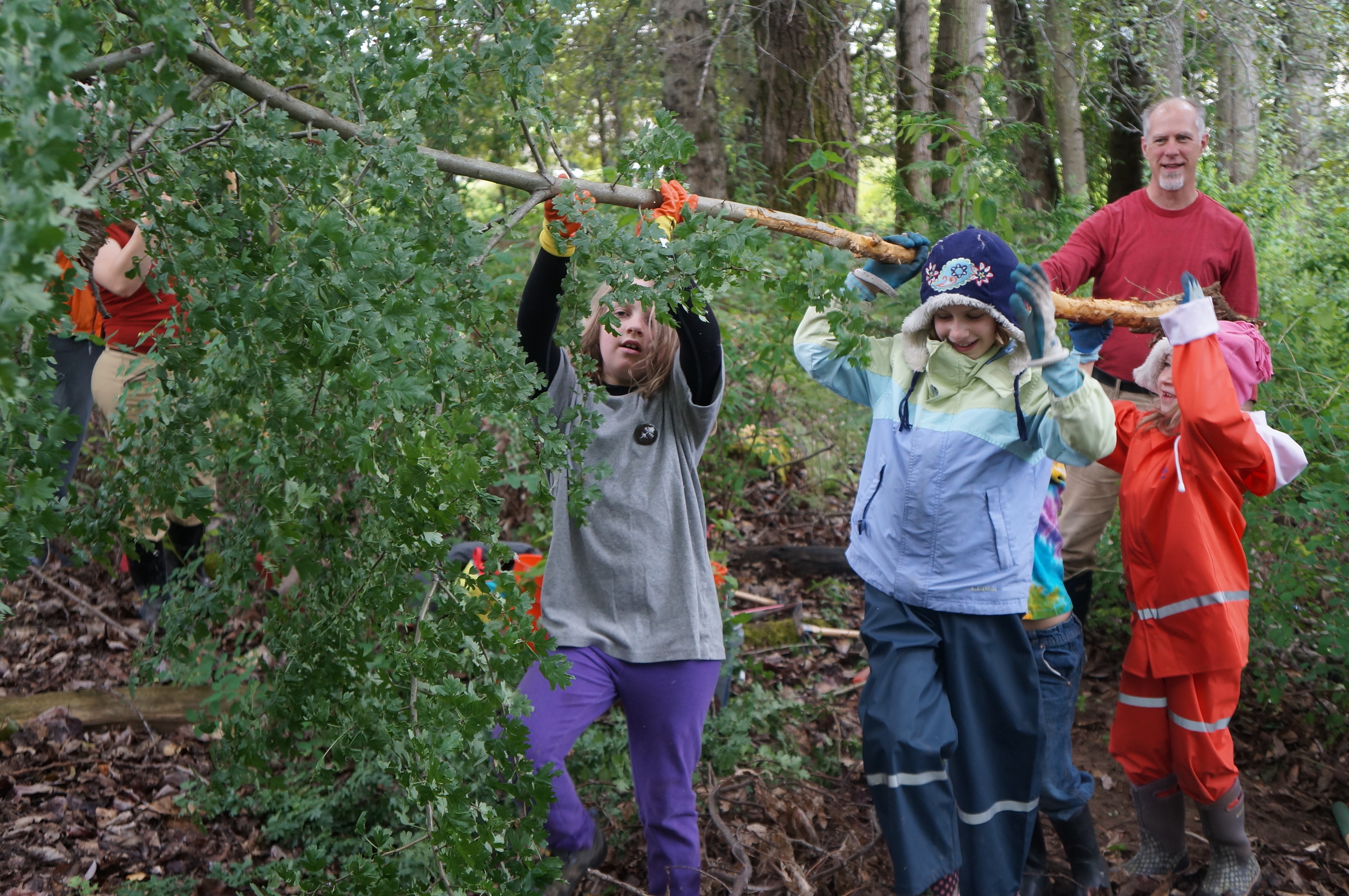
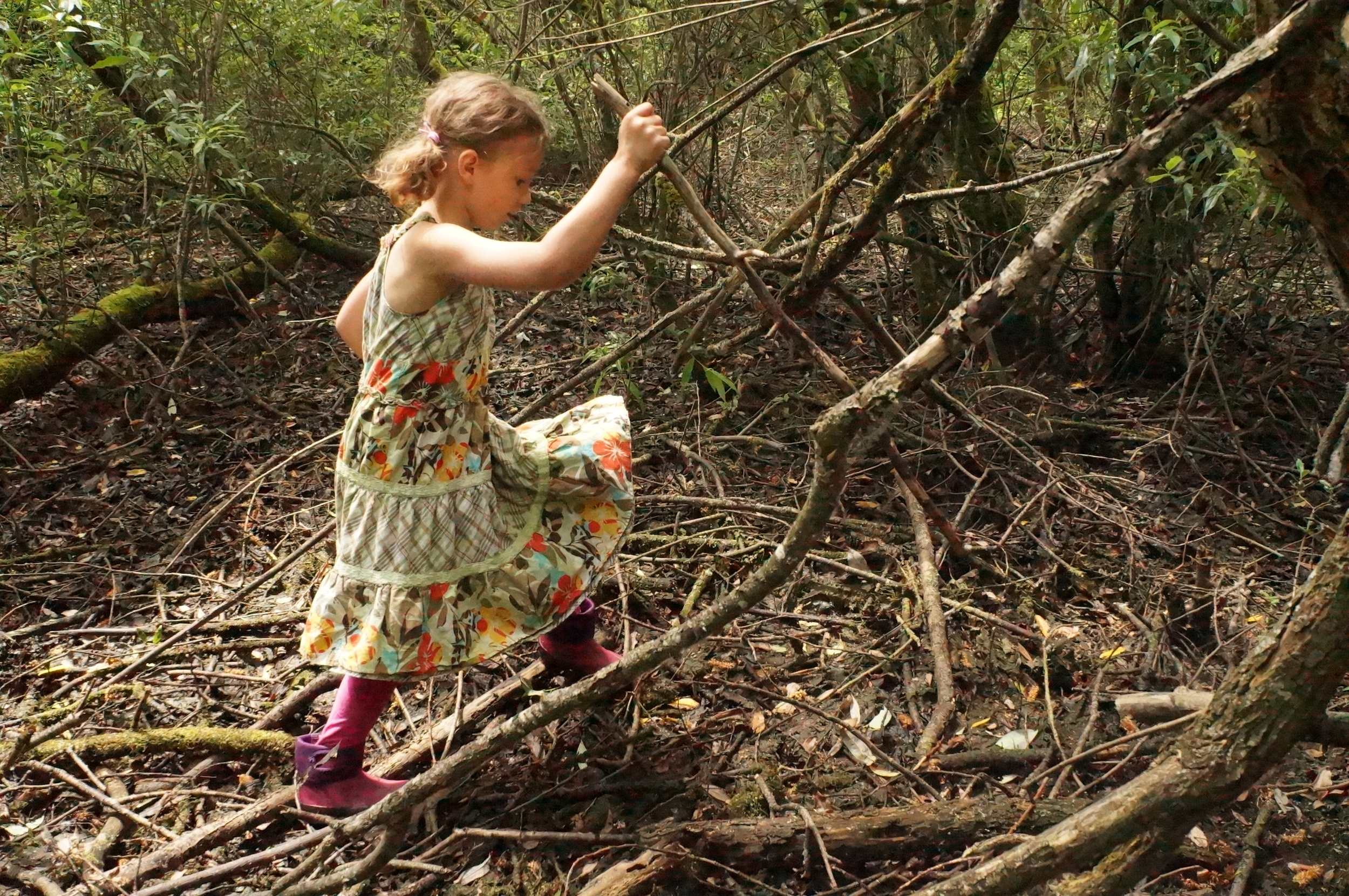
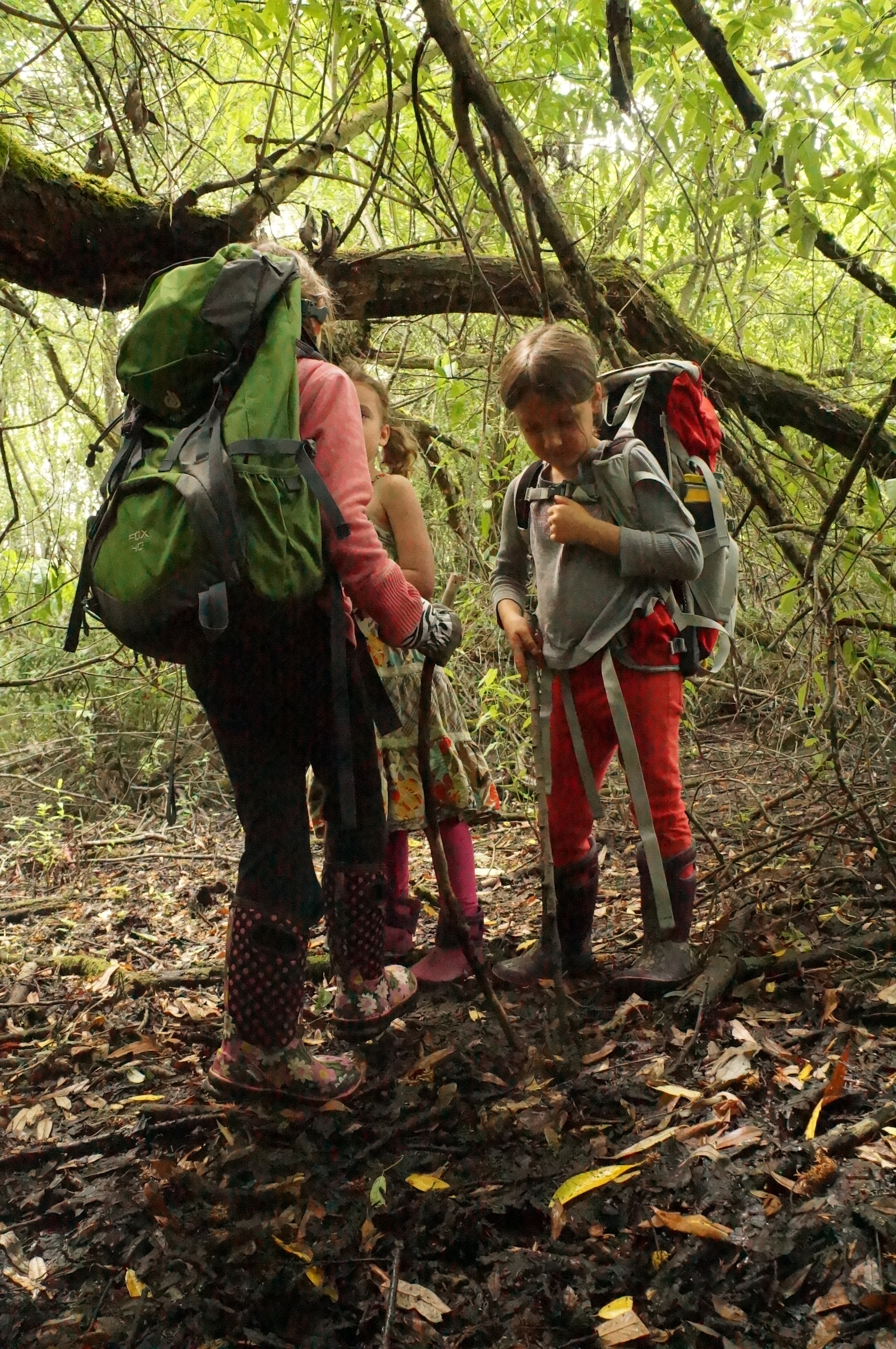
Our work with the City of Tukwila was to remove invasive noxious species from the native planting buffer.  I casually mentioned to a couple of passionate children, "This tree is actually an invasive hawthorn species.  It can be harder to removed trees since they're large, sometimes you can girdle them to kill them."  Before I knew it they formed a team to start scraping it away and after an hour's hard work them eventually removed the tree entirely!  Other species we removed were holly, ivy, blackberry & nightshade.

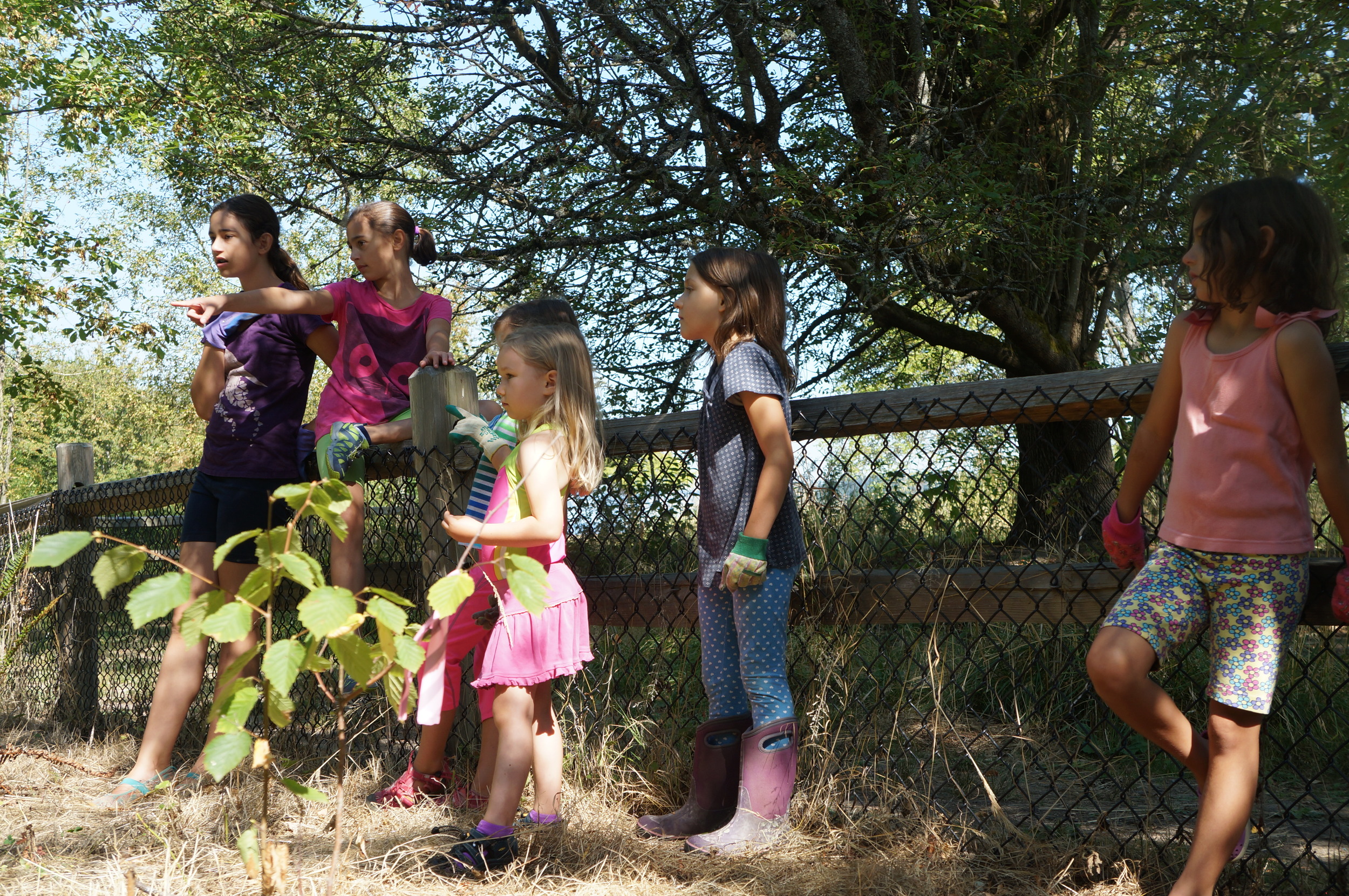
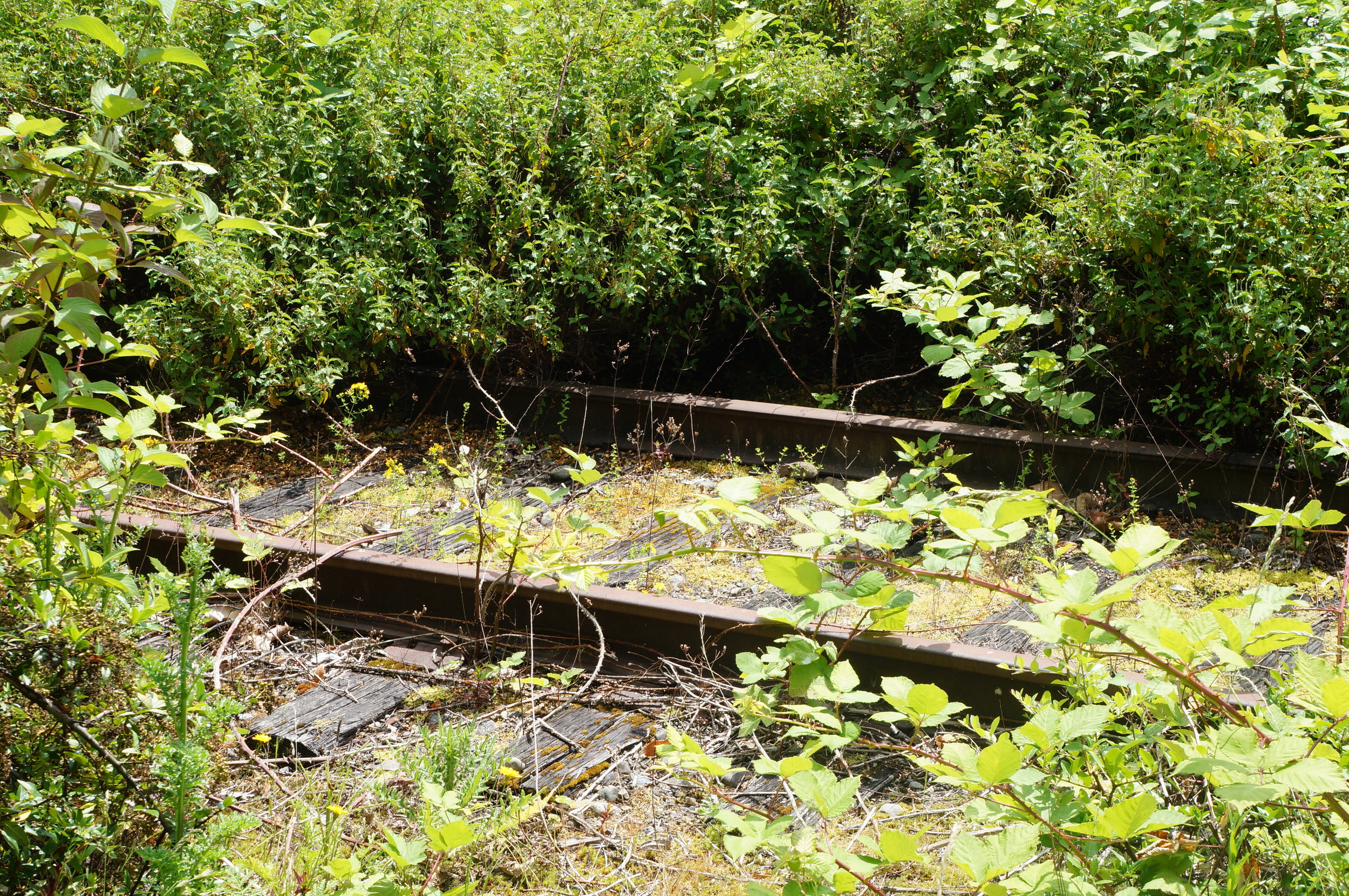
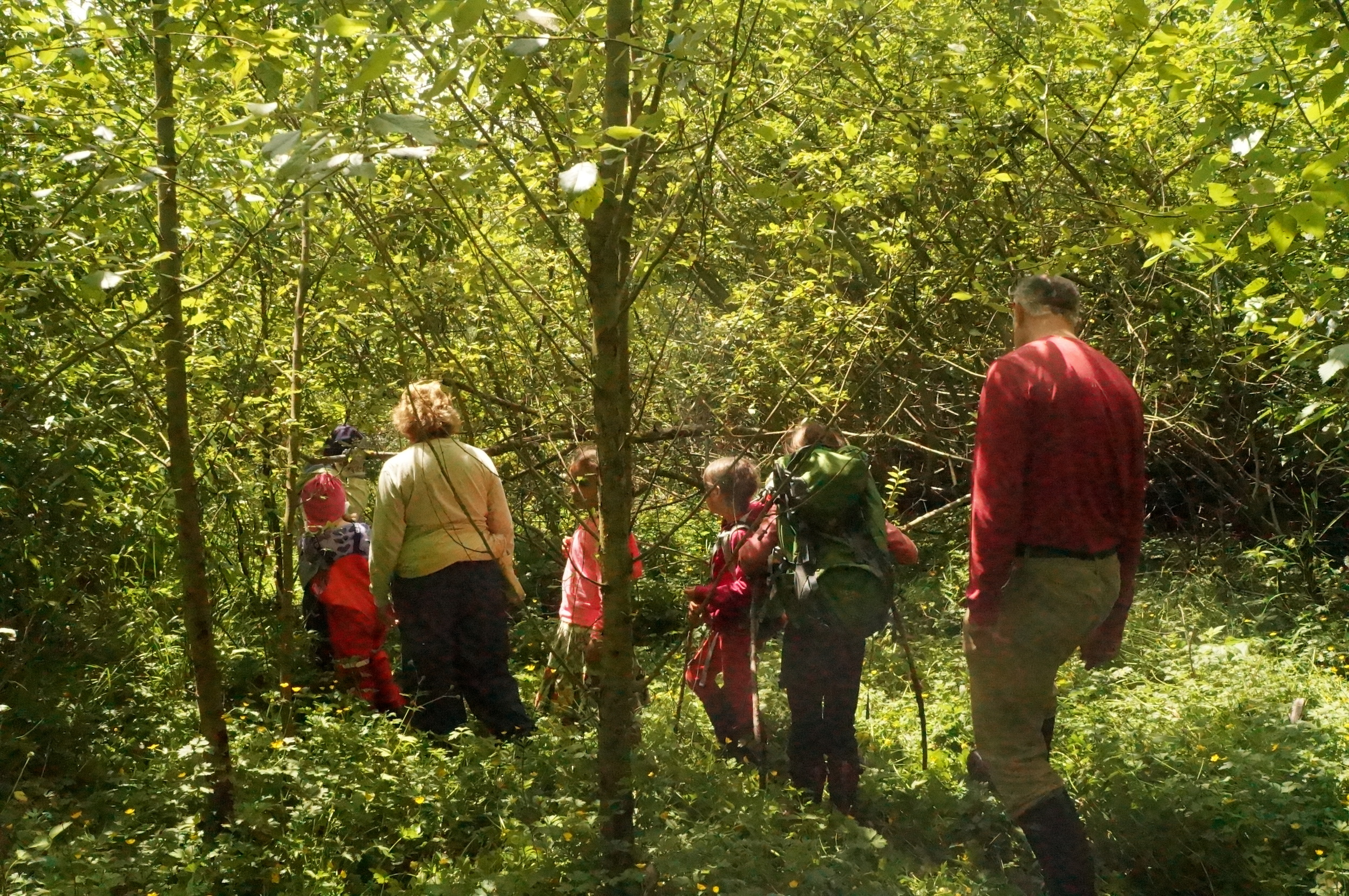
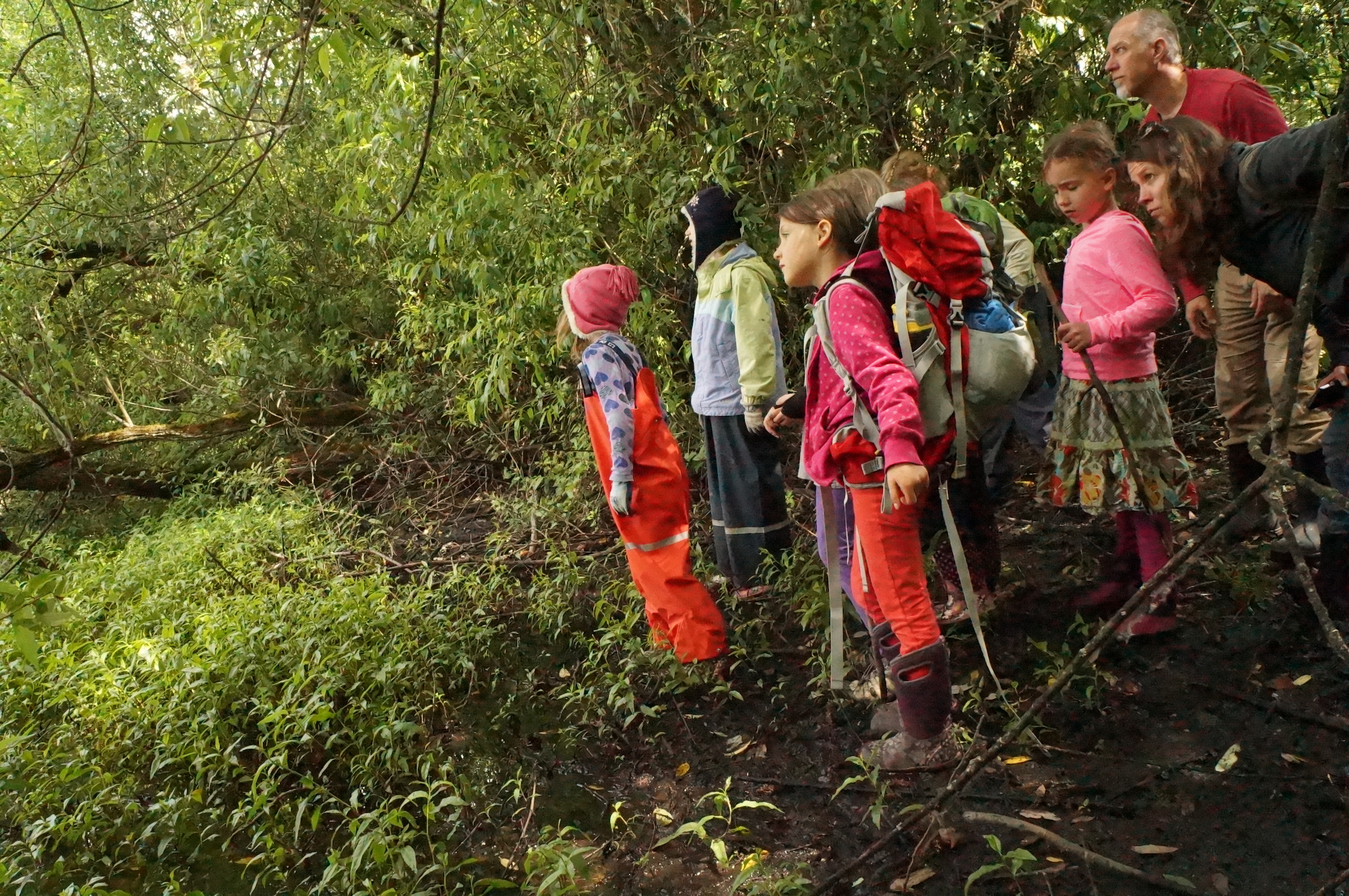
After working, we hiked past abandoned train tracks and through the thick willows to reach the open water.  If funds could be secured, the City would like to create greater public access.  Biologist Sandra Whiting pointed out wetland species along the way and shared the cultural & restoration history of the site.

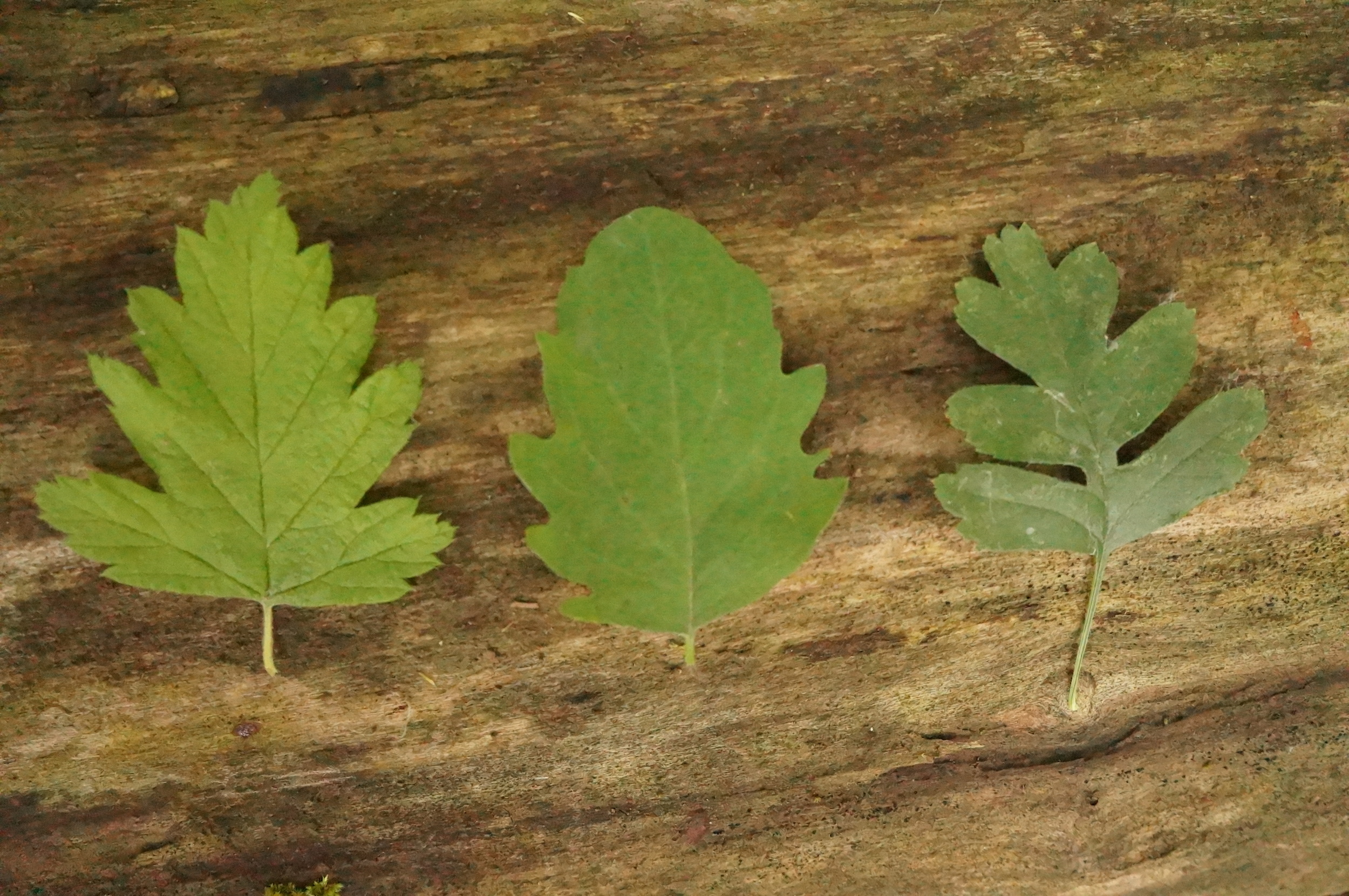
QUIZ!  What leaves are these?cocean spray / Holodiscus discolor, snowberry / Symphoricarpos albus, noxious common hawthorn / Crataegus monogyna.  

QUIZ!  What leaves are these?

cocean spray / Holodiscus discolor, snowberry / Symphoricarpos albus, noxious common hawthorn / Crataegus monogyna.  

Sandra Whiting teaches us about noxious reed canary grass / Phalaris arundinacea.

Sandra Whiting teaches us about noxious reed canary grass / Phalaris arundinacea.

Genetic variation - a variegated (noxious!) blackberry seedling.

Genetic variation - a variegated (noxious!) blackberry seedling.

4 noxious sp together!  Ivy, baby blackberry, baby holly & baby bittersweet nightshade / Solanum dulcamara (which not the same as deadly nightshade / Atropa belladonna).

4 noxious sp together!  Ivy, baby blackberry, baby holly & baby bittersweet nightshade / Solanum dulcamara (which not the same as deadly nightshade / Atropa belladonna).

Black cottonwood / populus trichocarpa.

Black cottonwood / populus trichocarpa.

Black cottonwood / populus trichocarpa seed capsules.
Black cottonwood / populus trichocarpa seed capsules.