More Wetland Planting on Longfellow Creek with KCD.

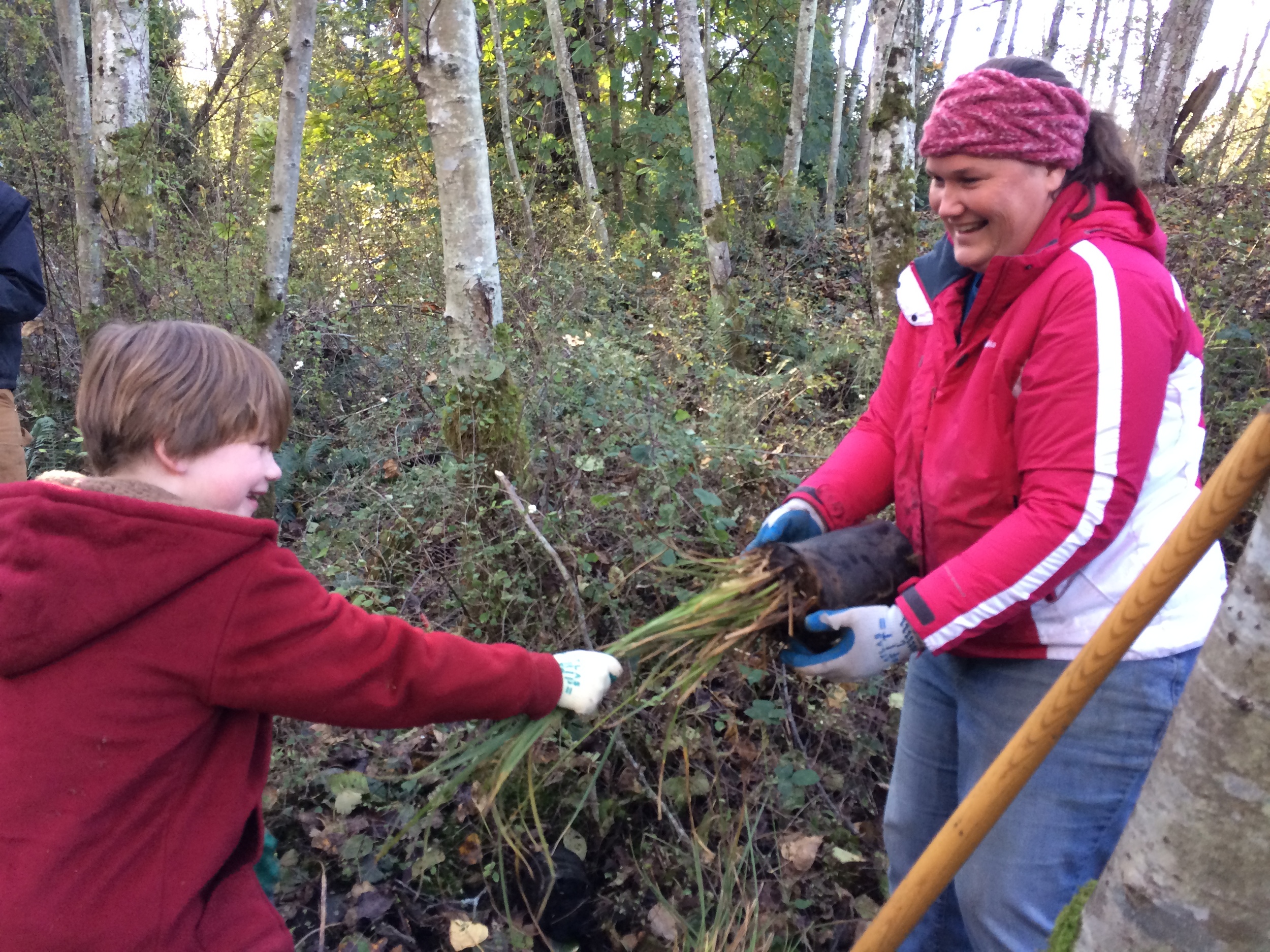
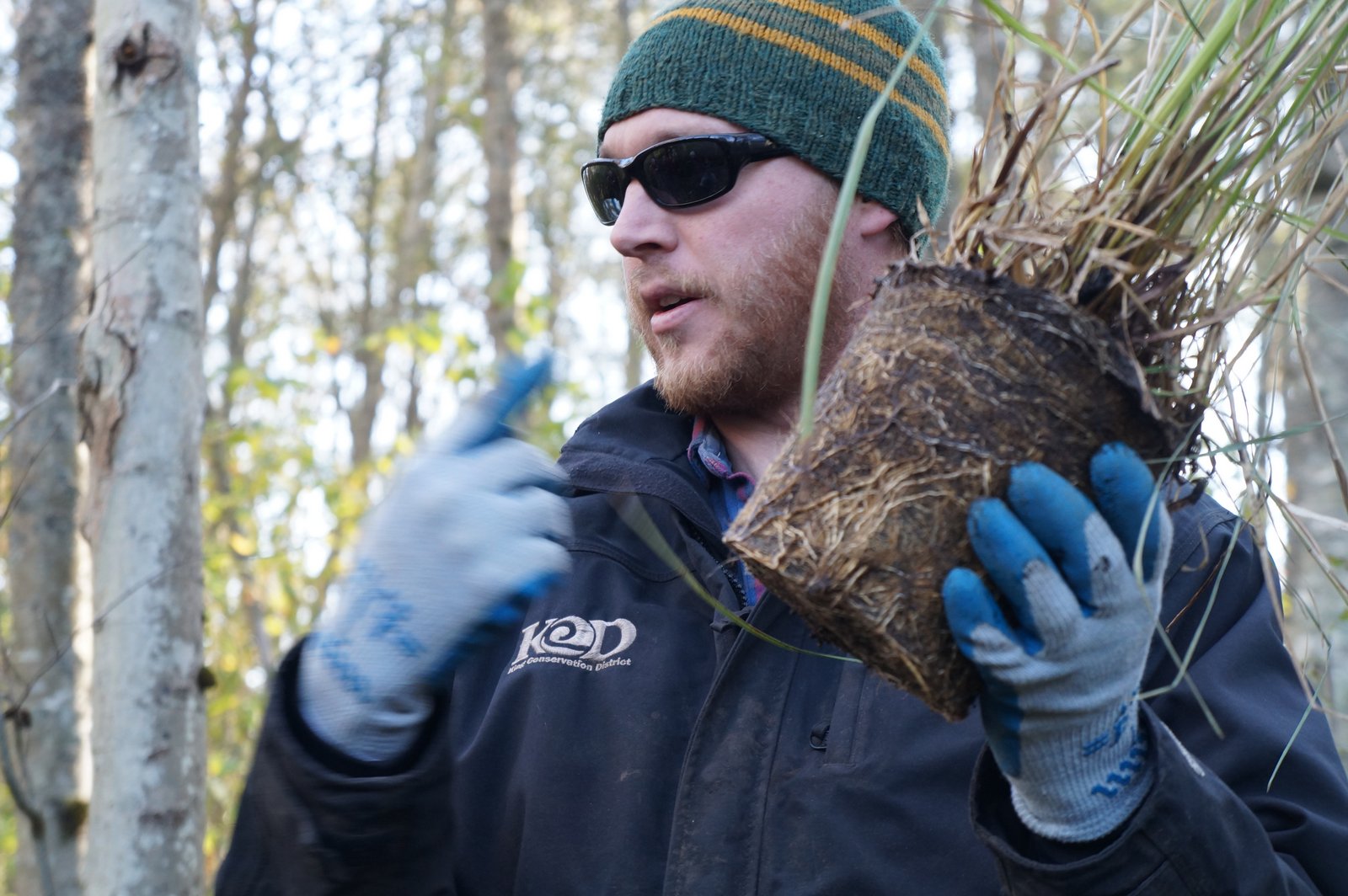
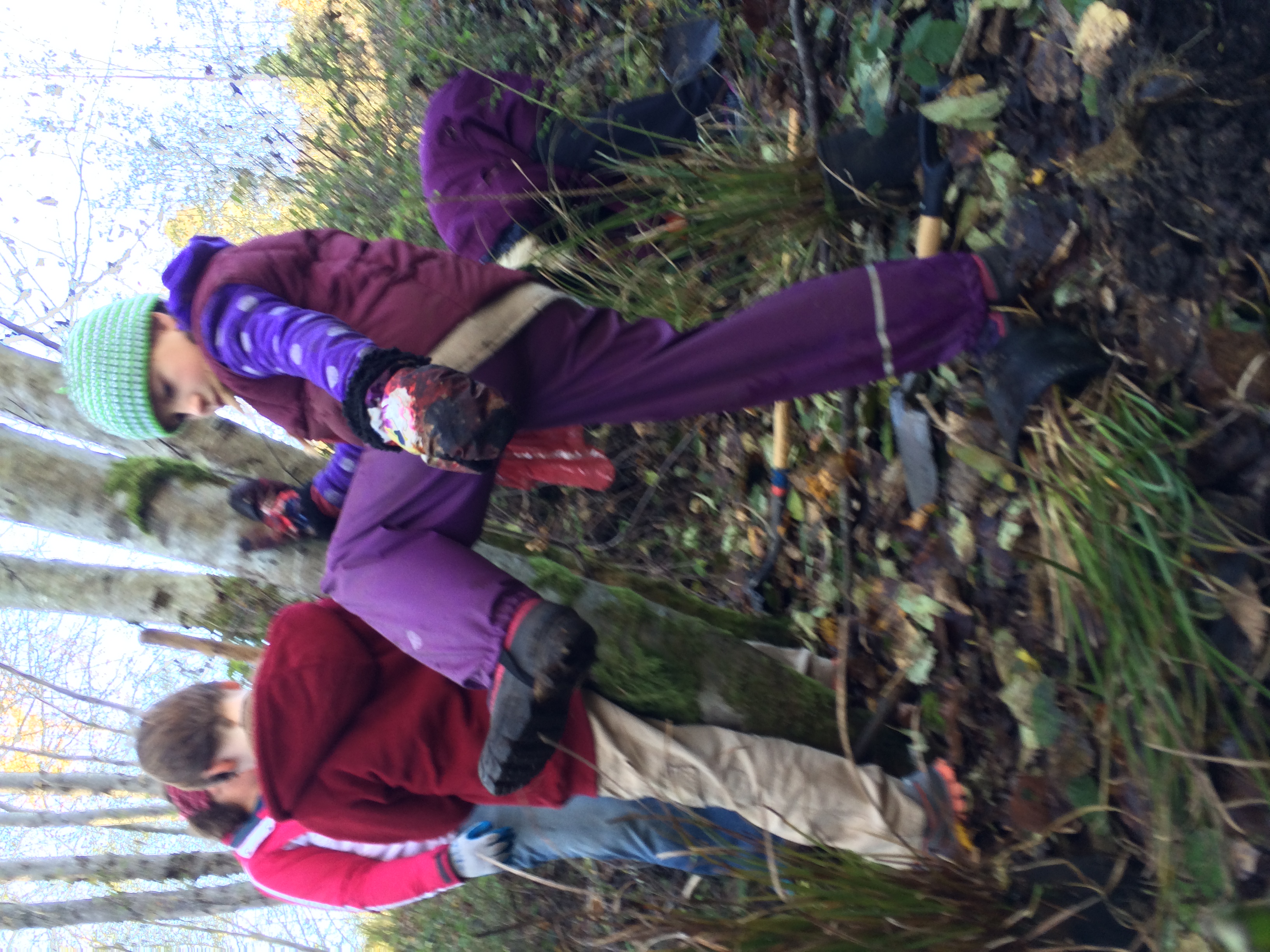
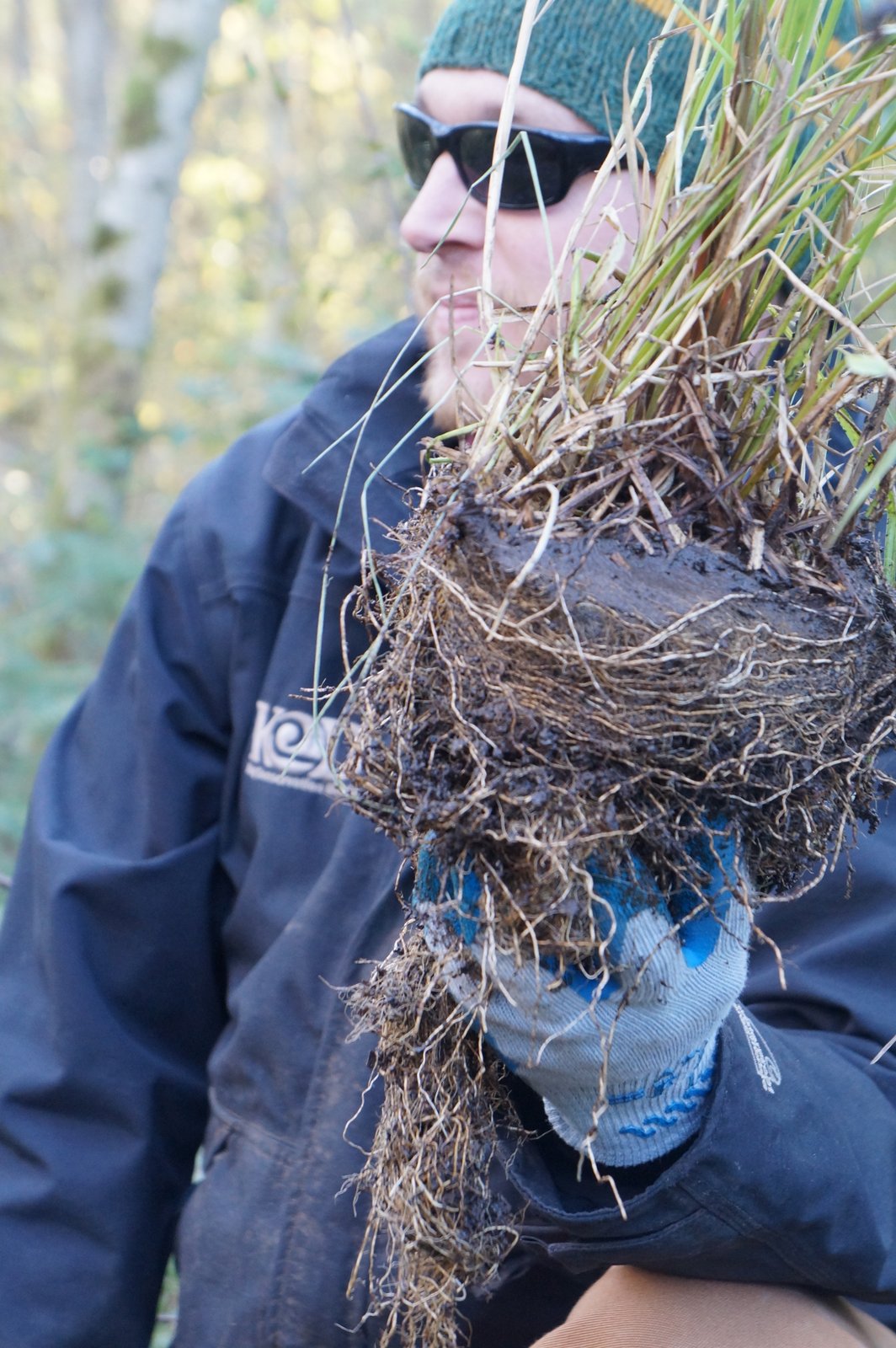
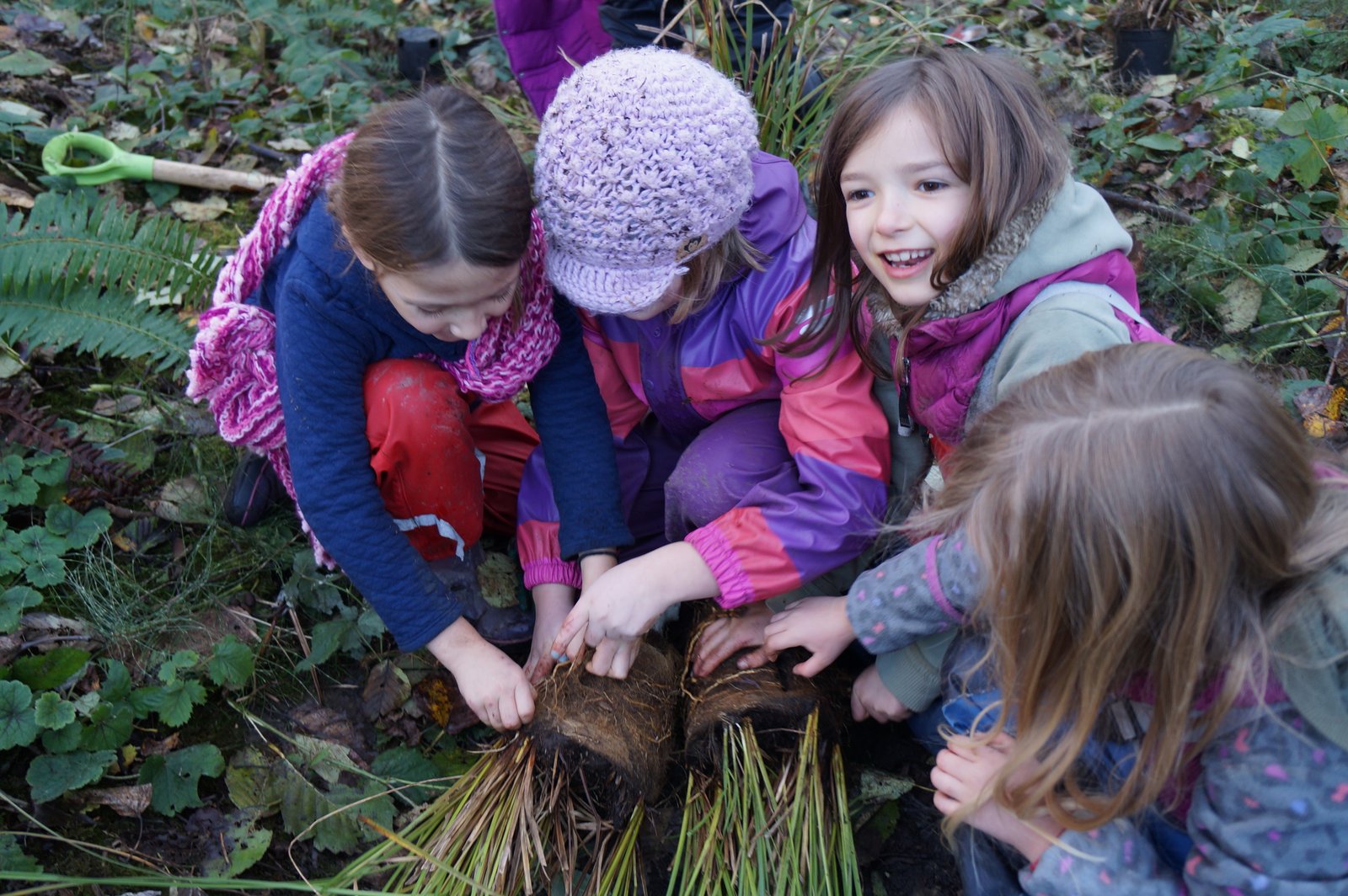
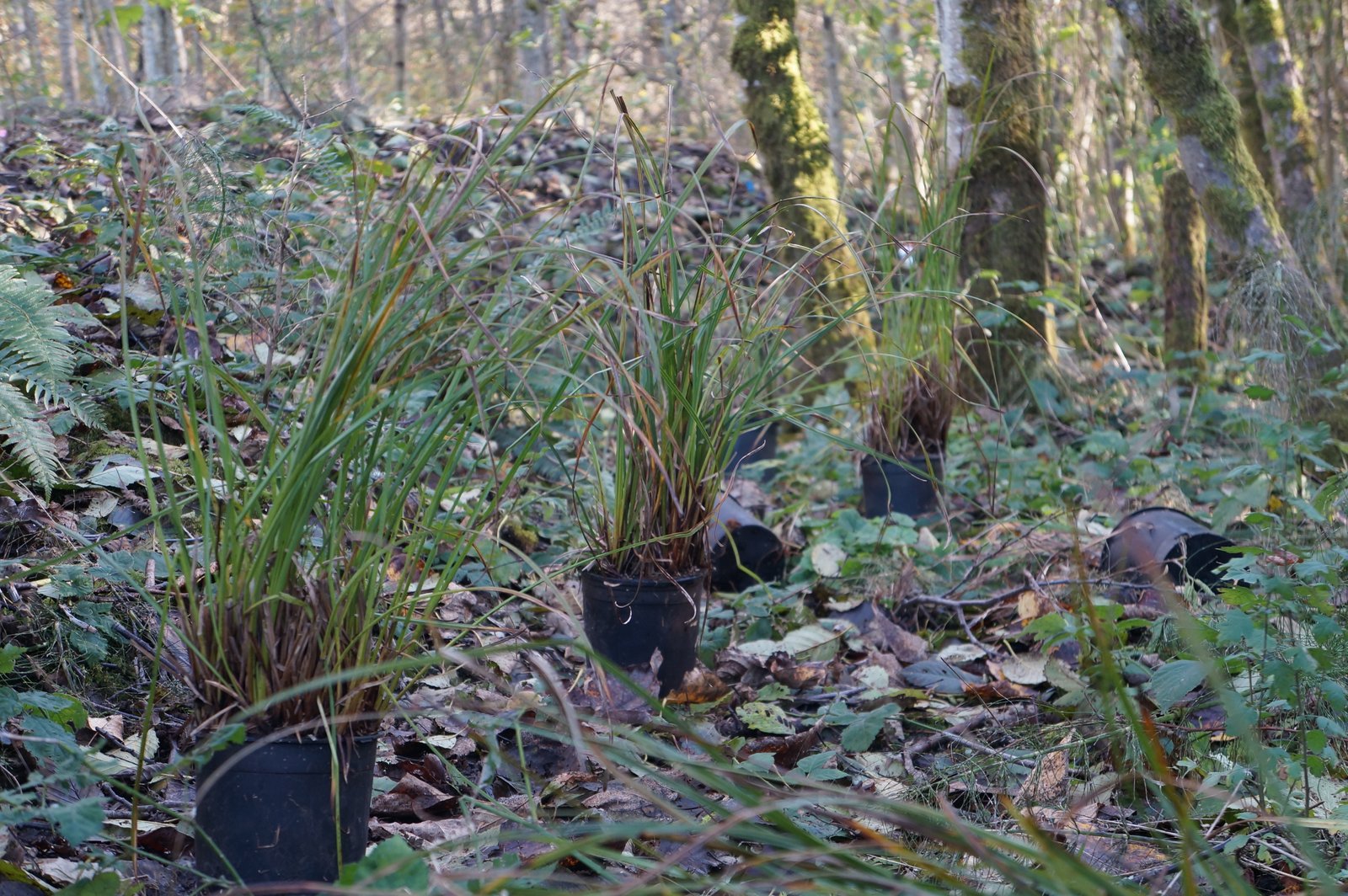
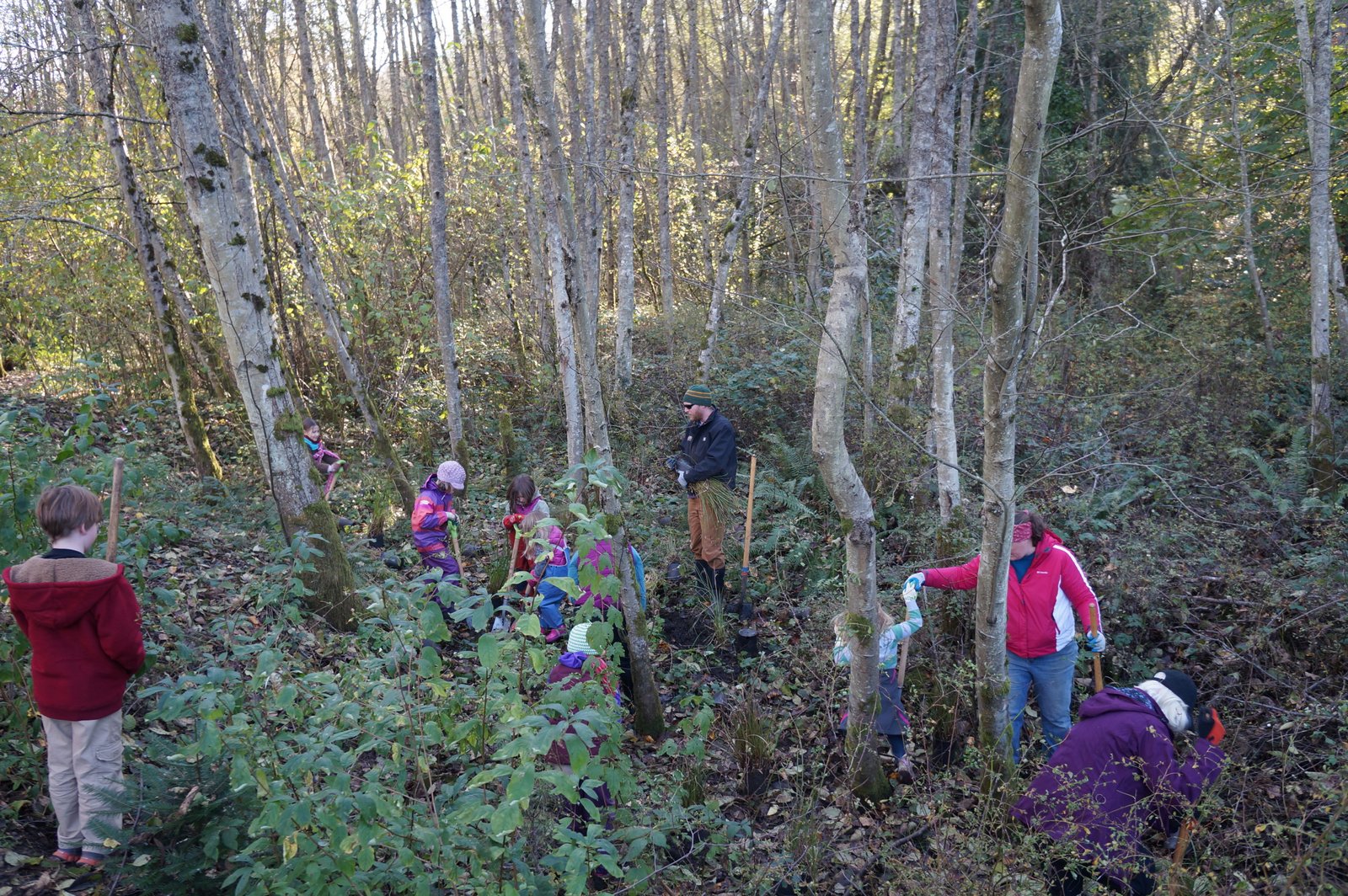
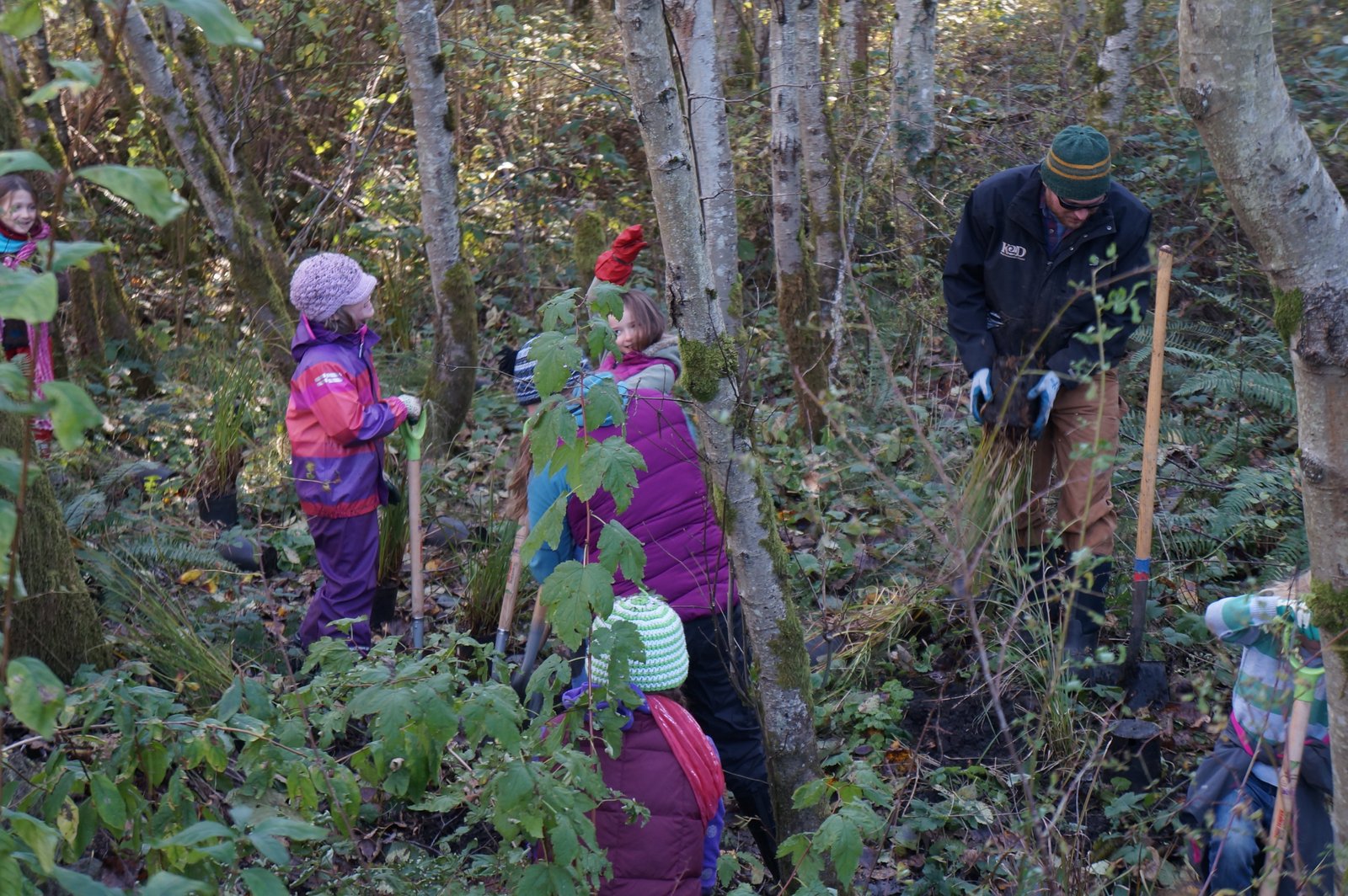
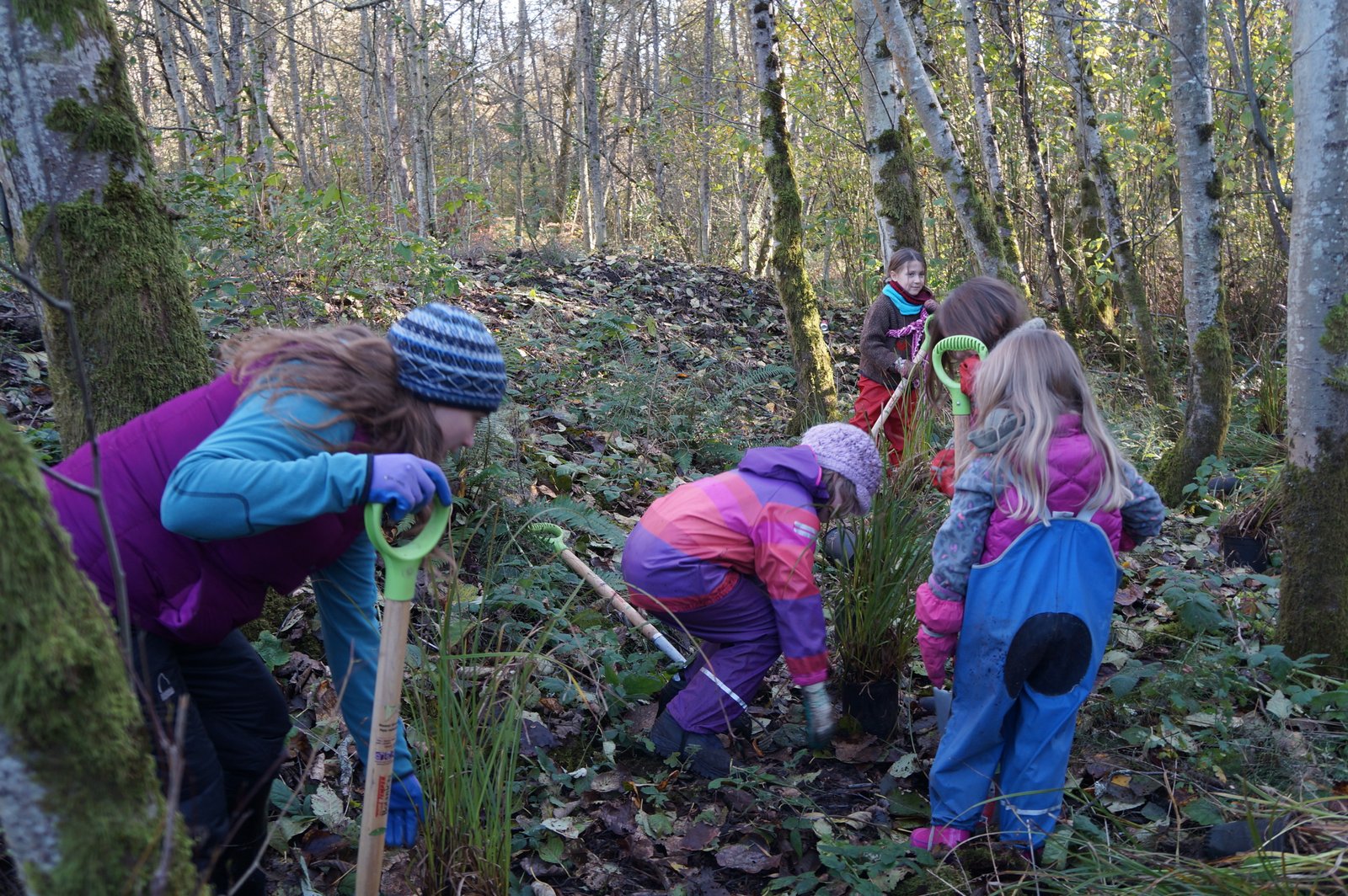
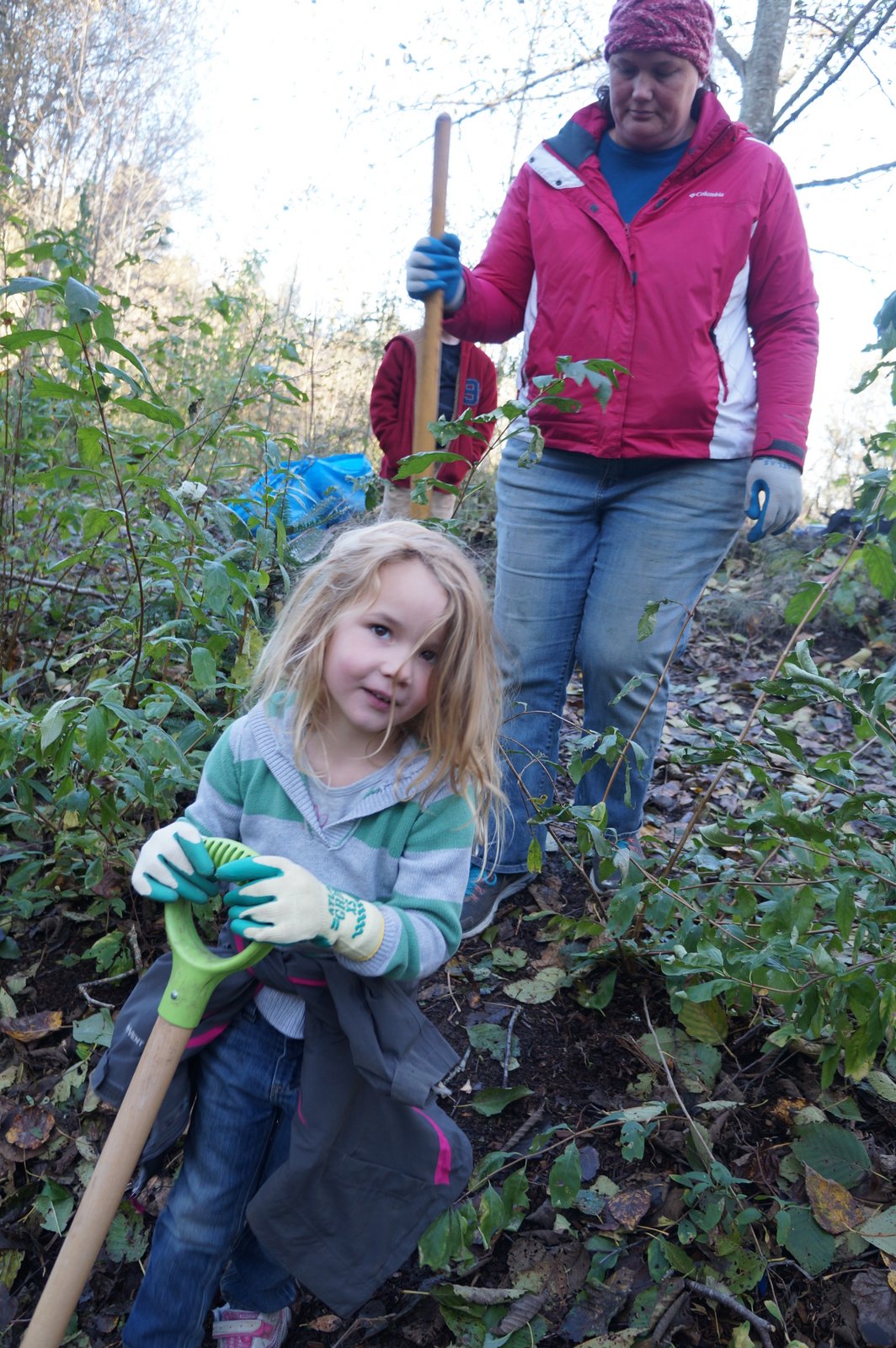
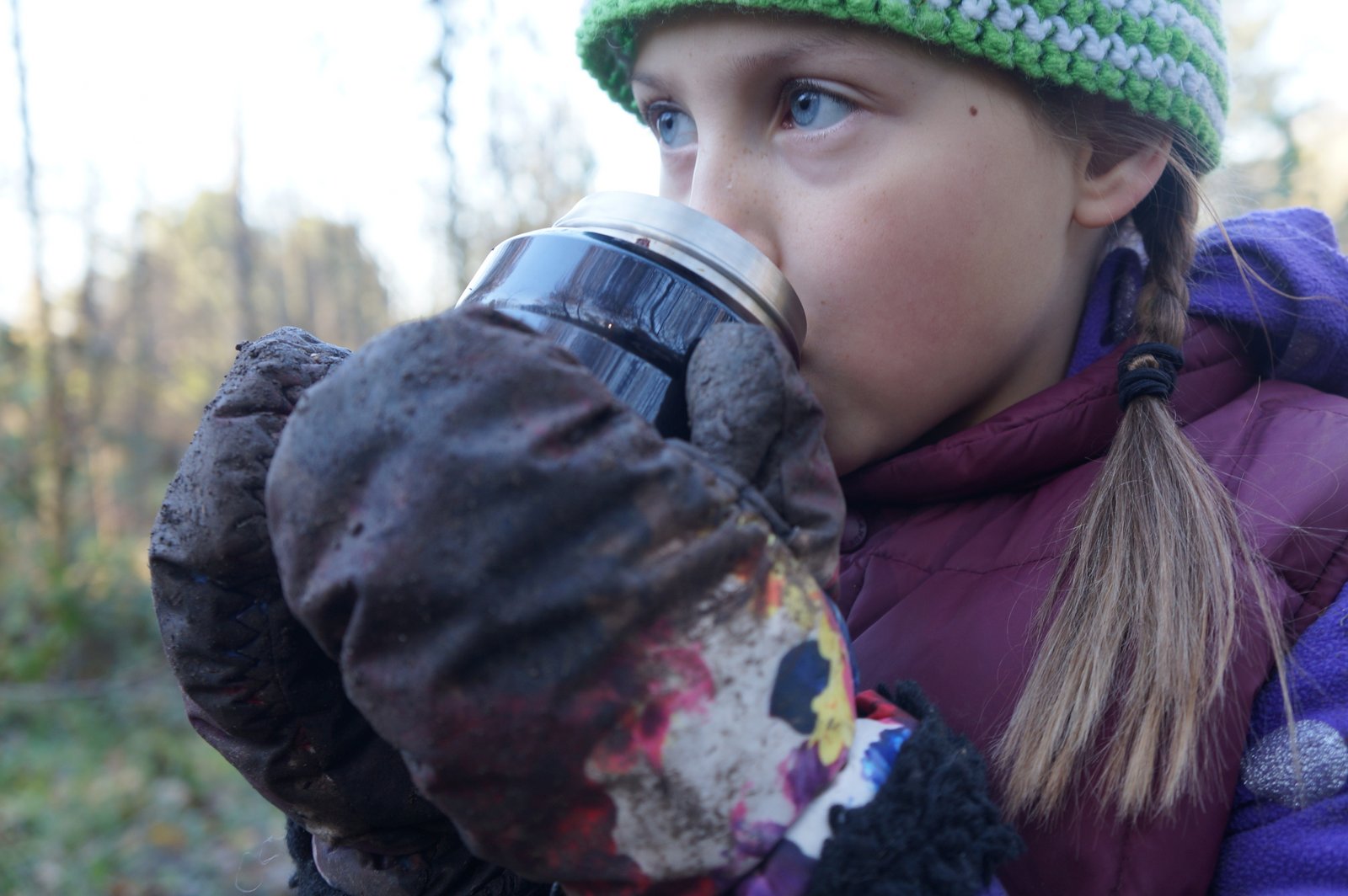
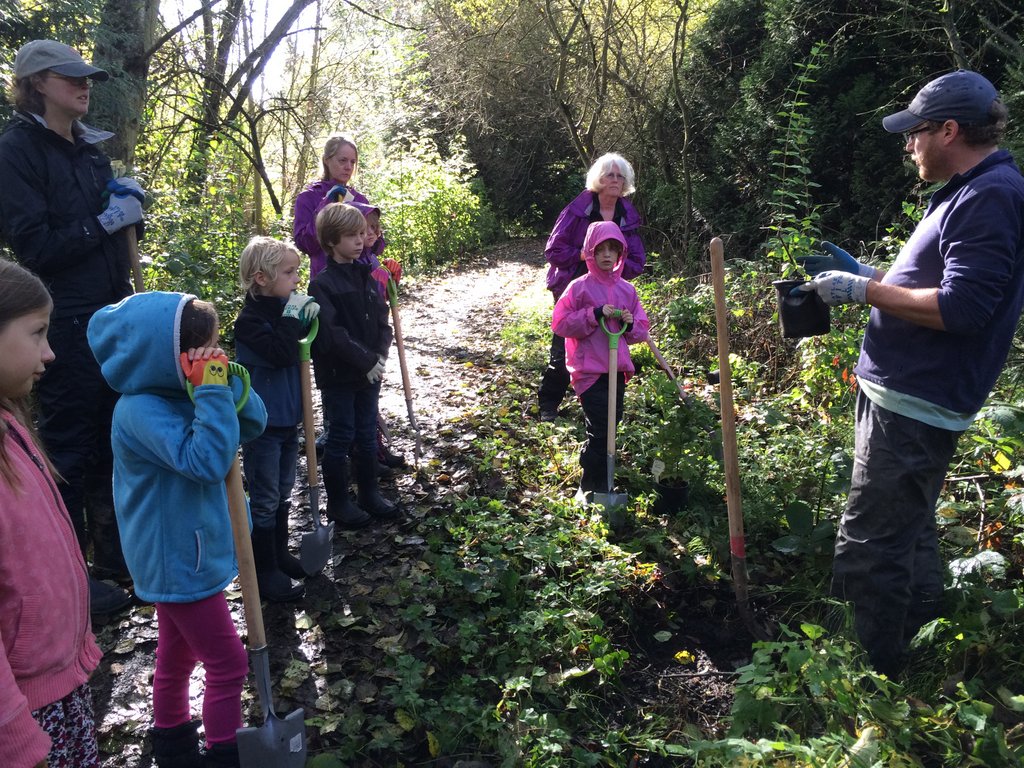
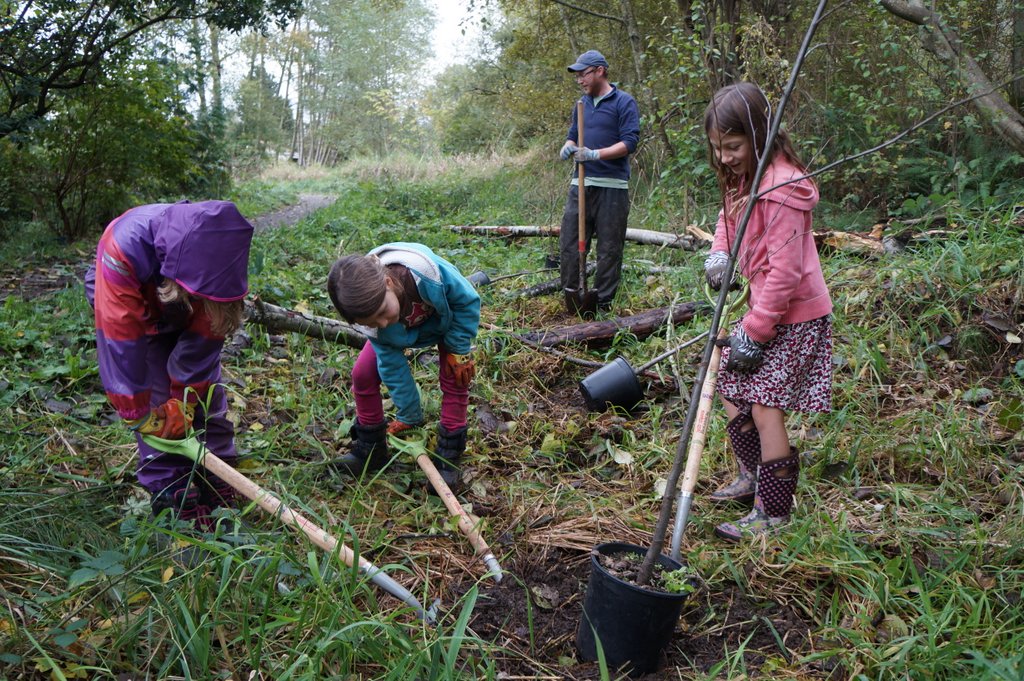
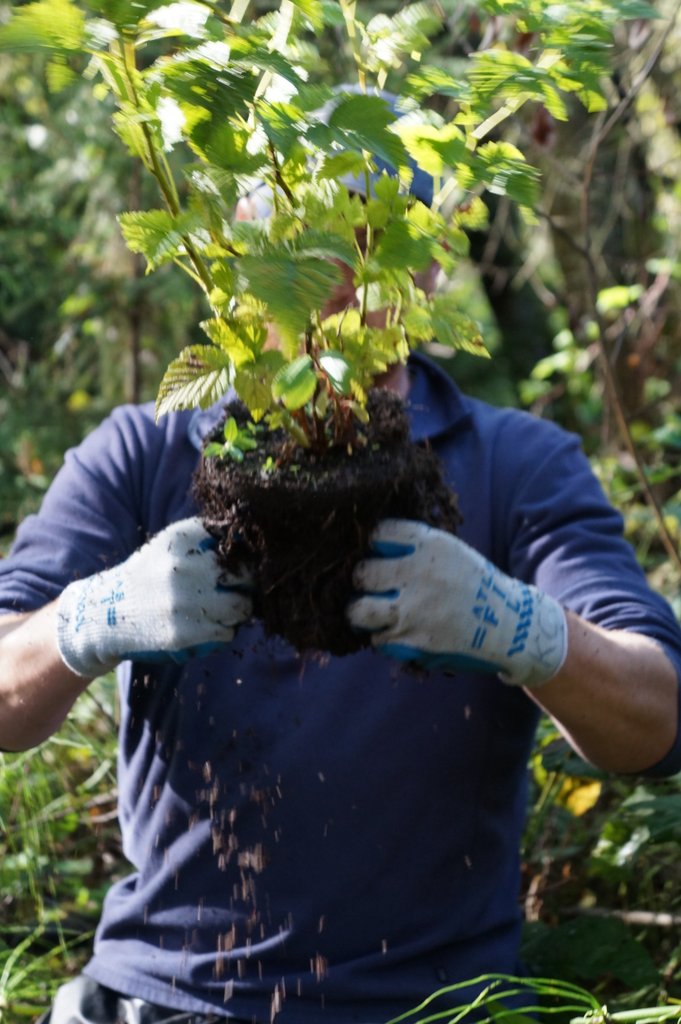
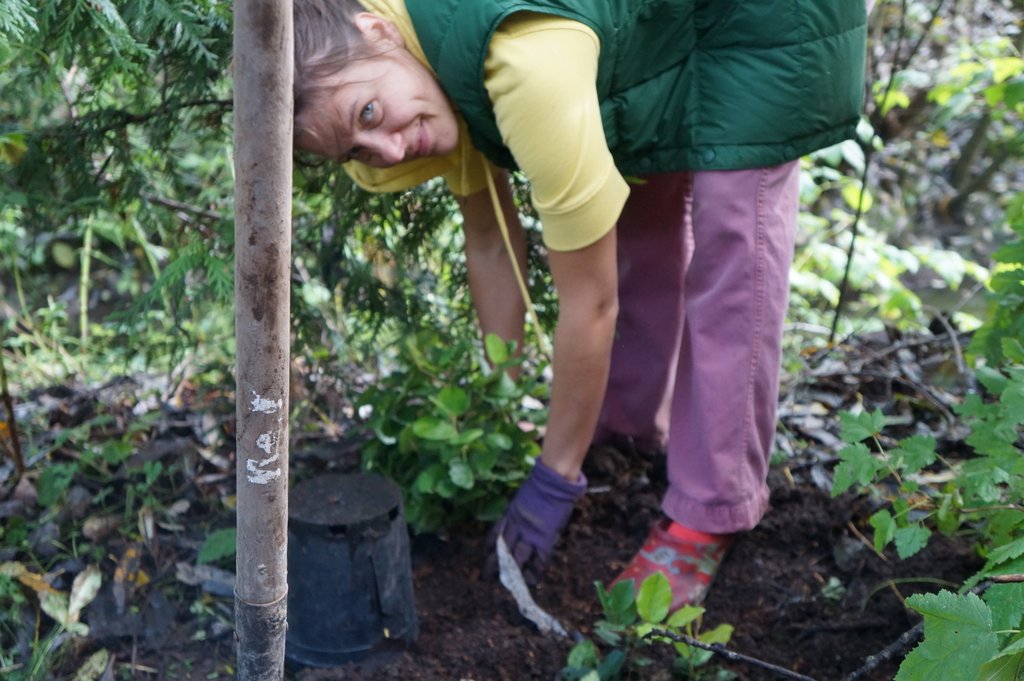
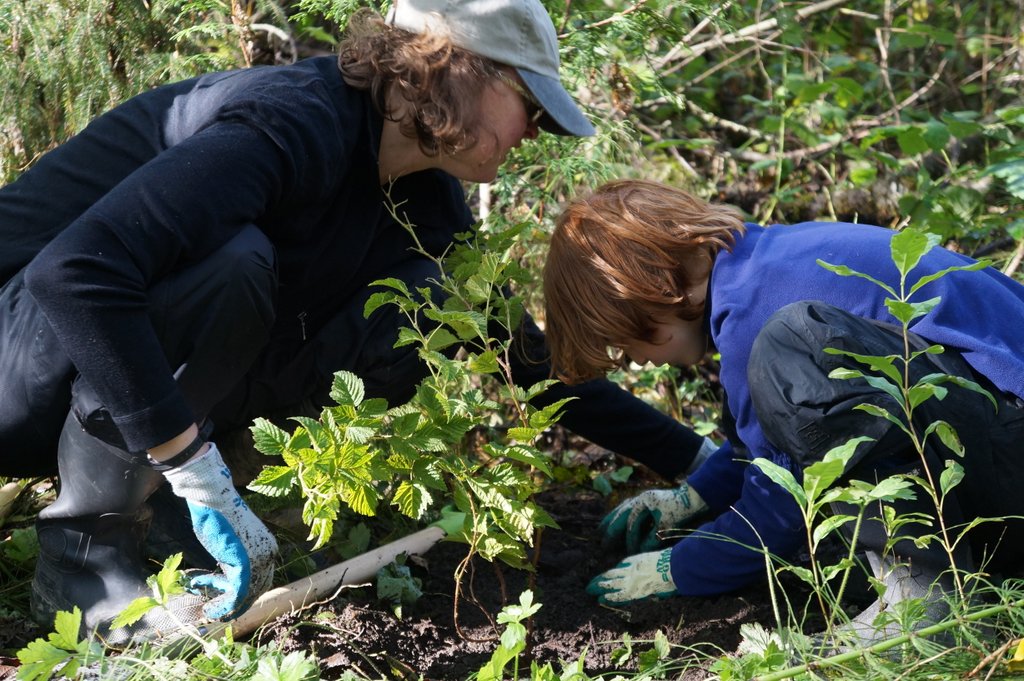
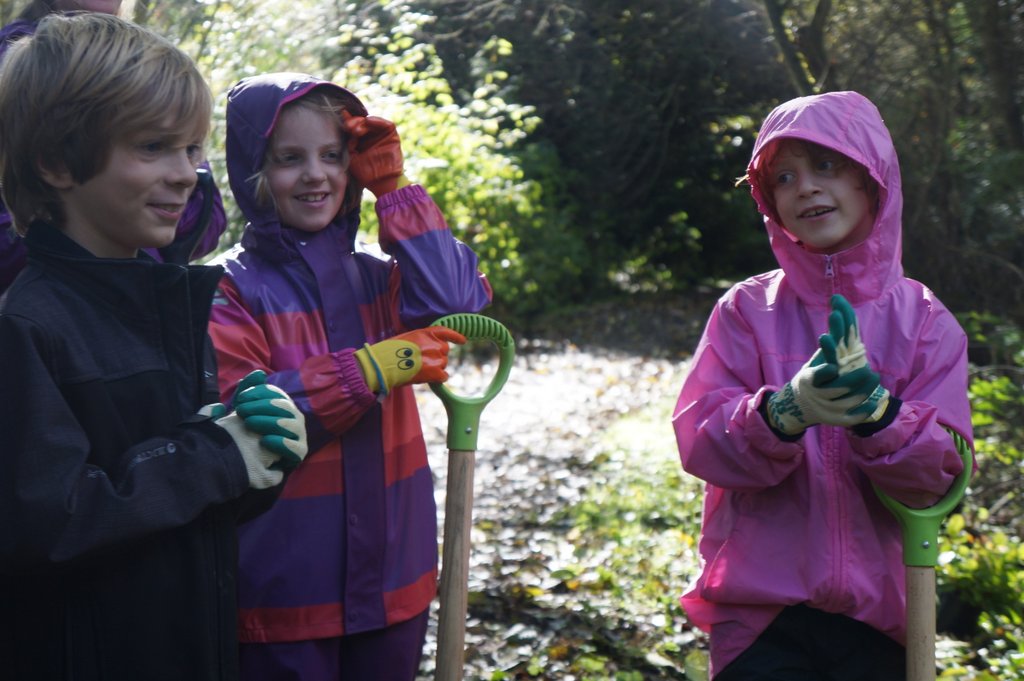
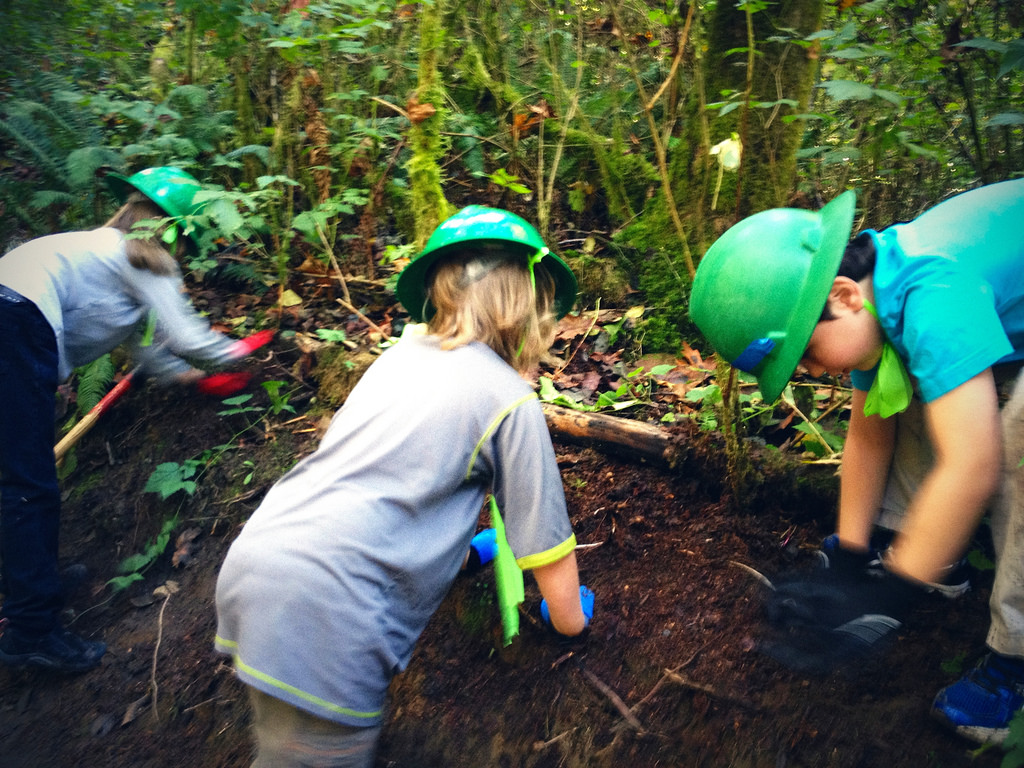
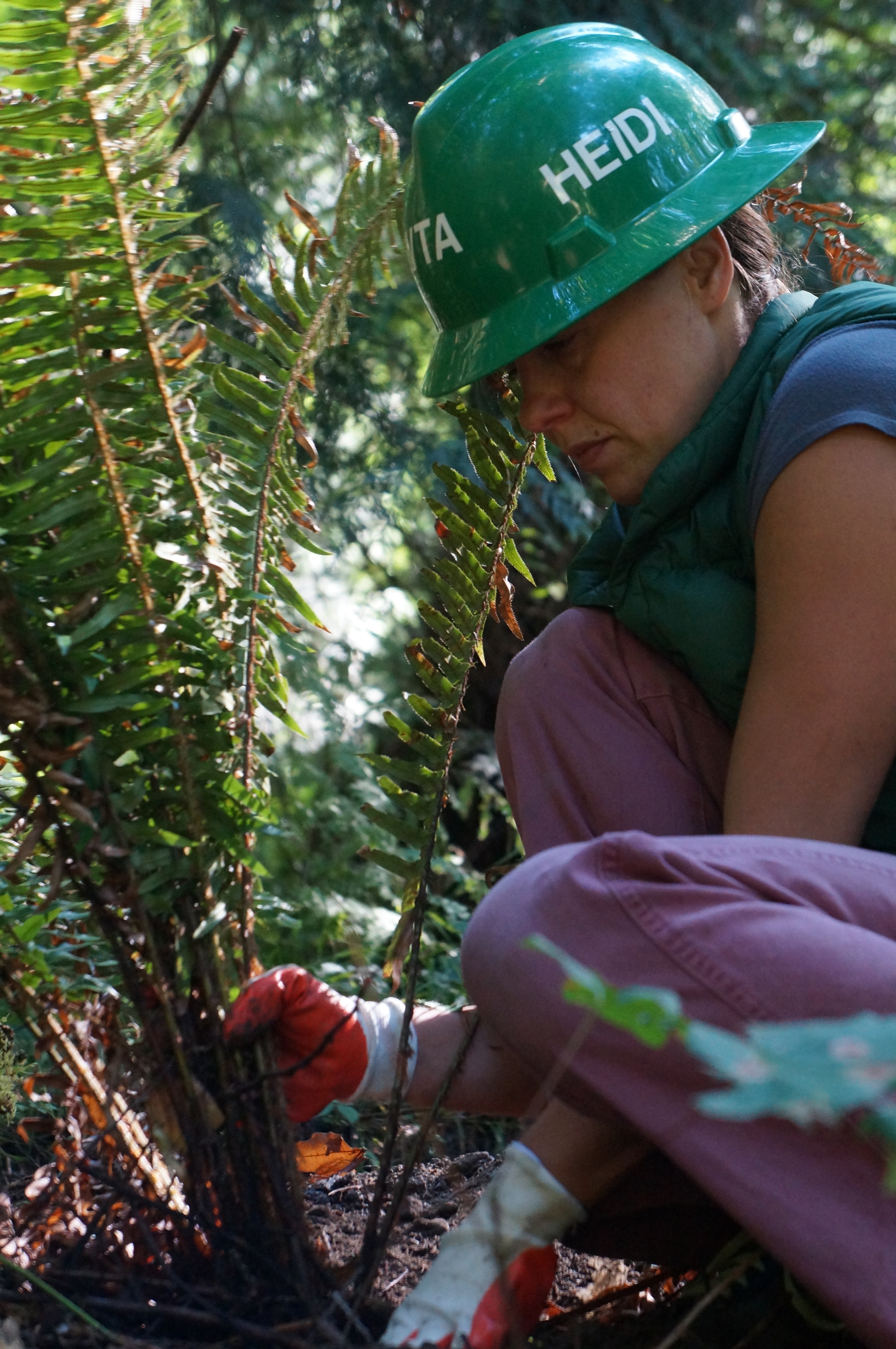
This time along the Longfellow Creek Trail (Brandon Street Natural Area), we planted wetland grasses in a low, soggy area- Carex obnupta / slough sedge.  A common task at King Conservation Disctrict's wetland plant nursery is to divide such fast-growing species as these, indeed some were so root-bound that stomping, punching and pulling failed to dislodge them from their pots and Adam had to slice the pot (and plant) through with his shovel.  Upon finally freeing them, it was a significant task to loosen up the vigorous root system before planting.

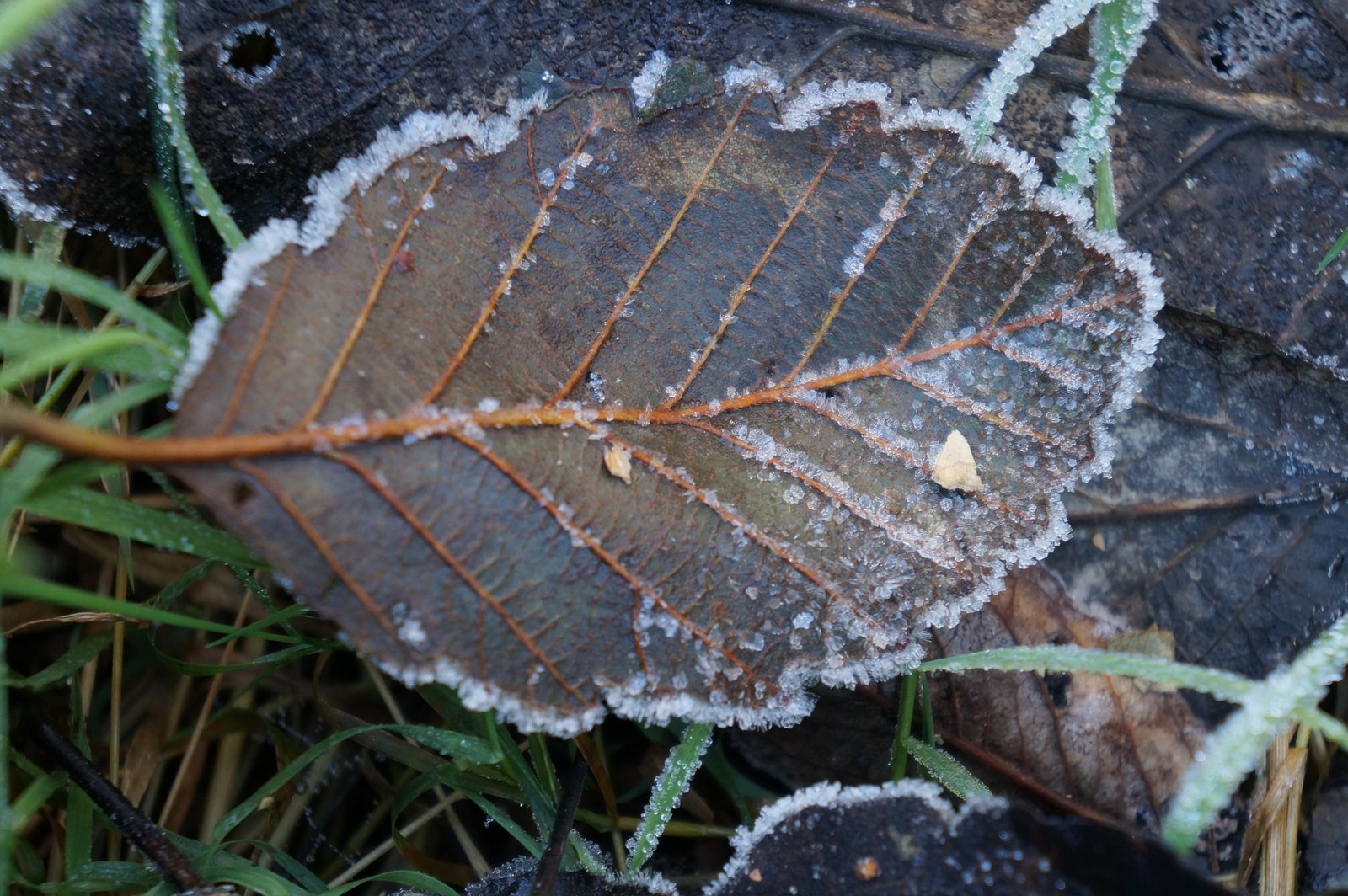
Other species planted under the frosty, sunny alder forest were Symphoricarpos albus / snowberry & Thuja plicata / western red cedar.
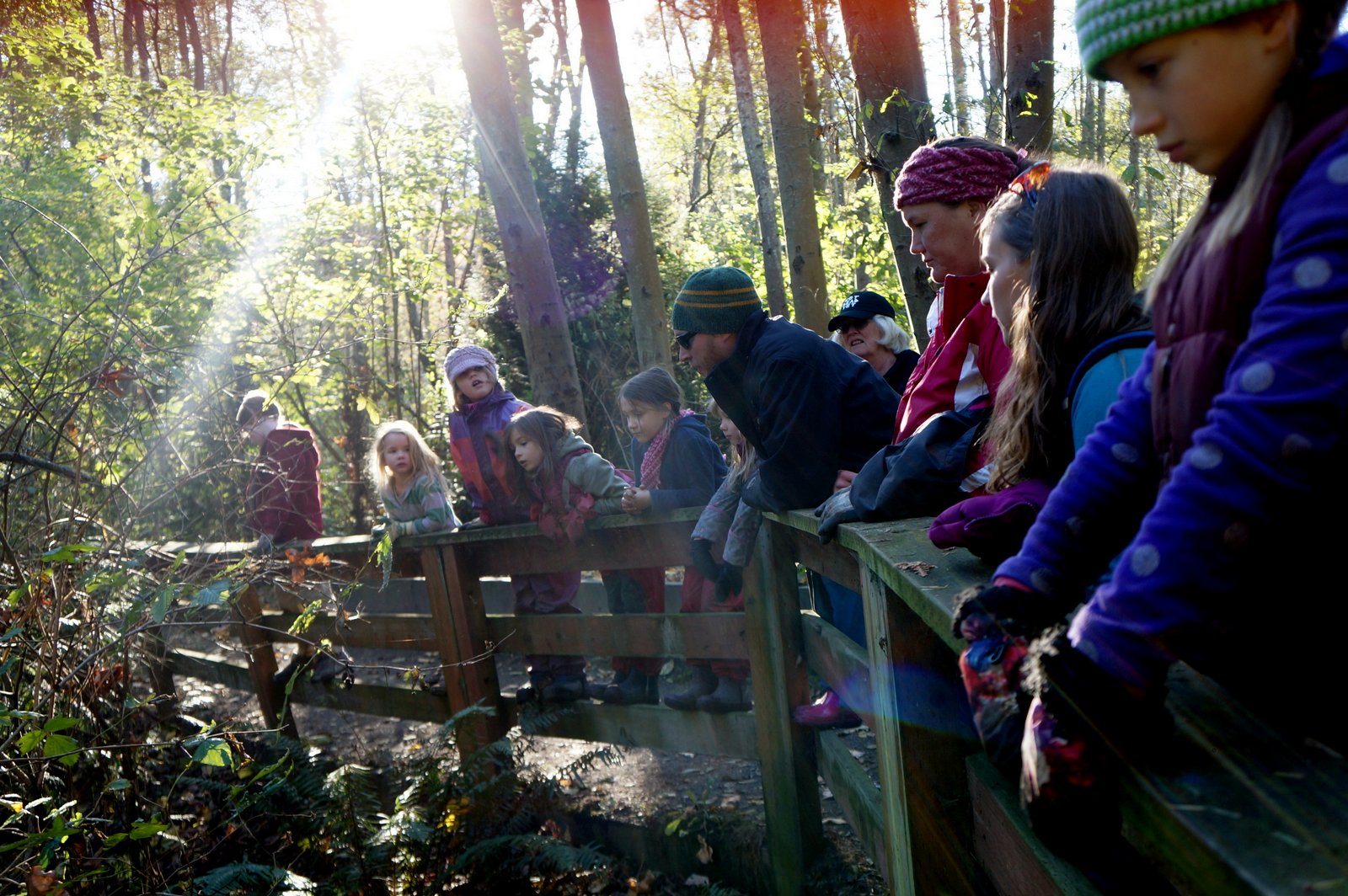
Field-Planting the Wetland Species We've Tended in the Nursery.

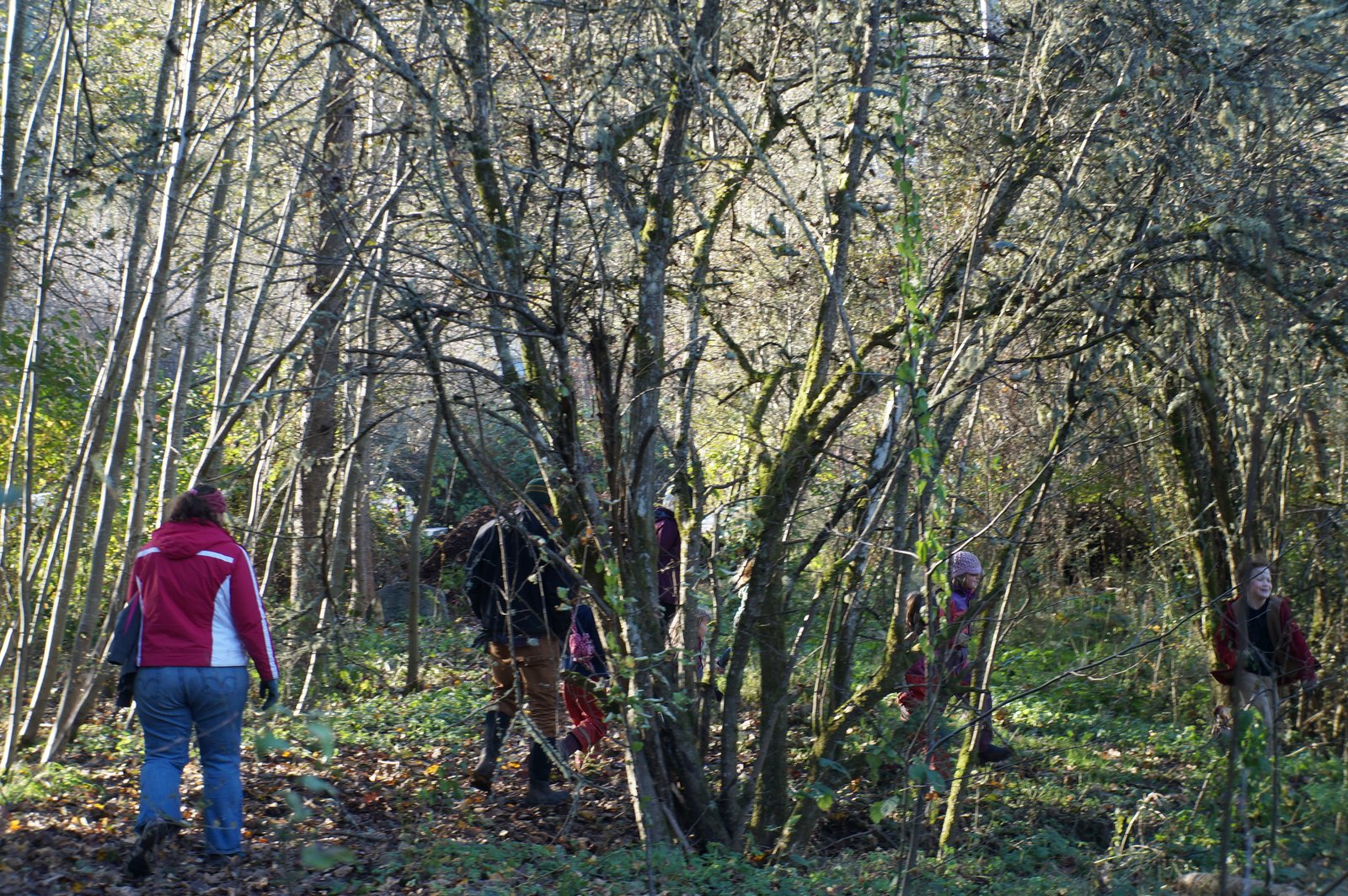
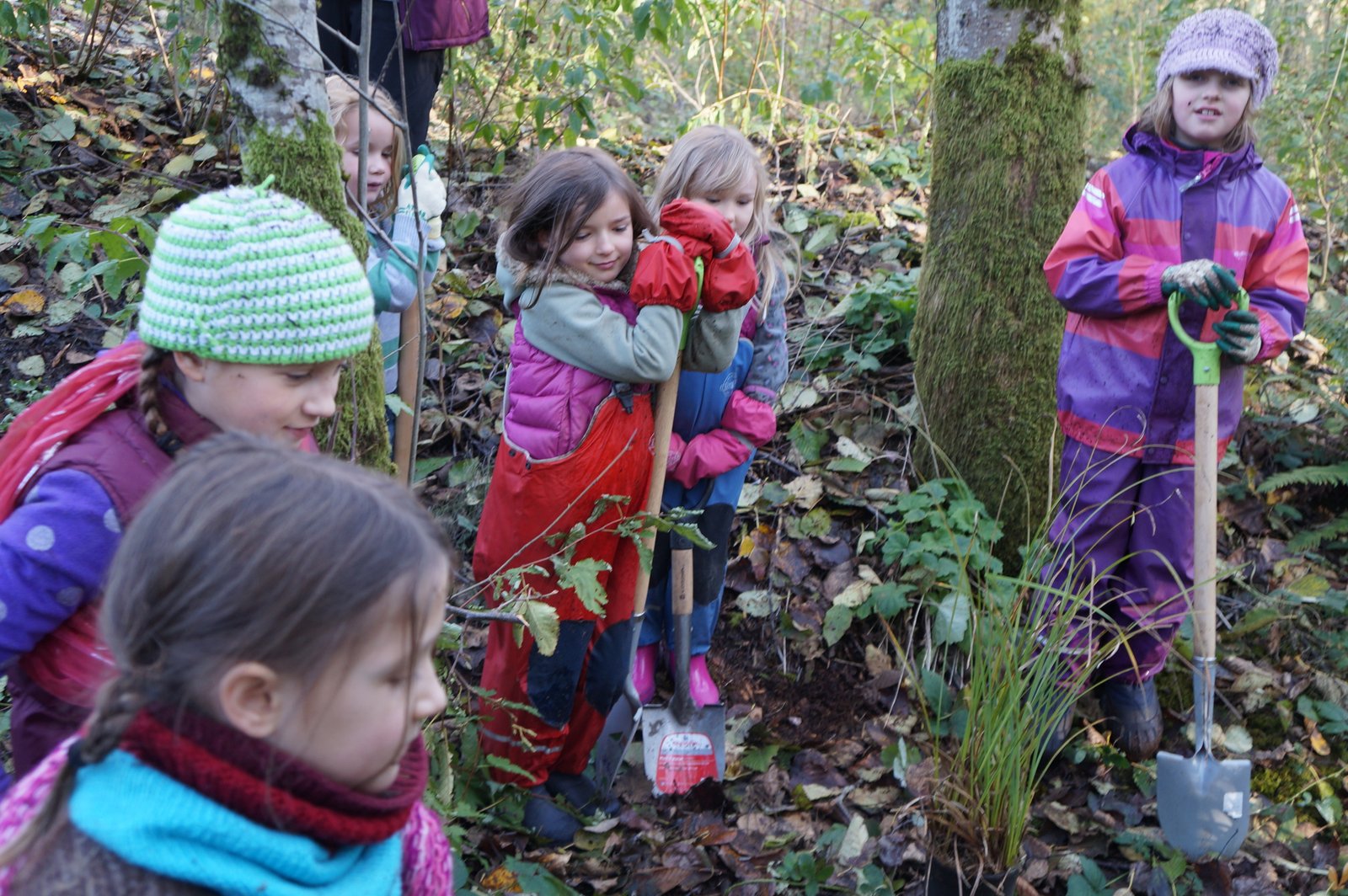
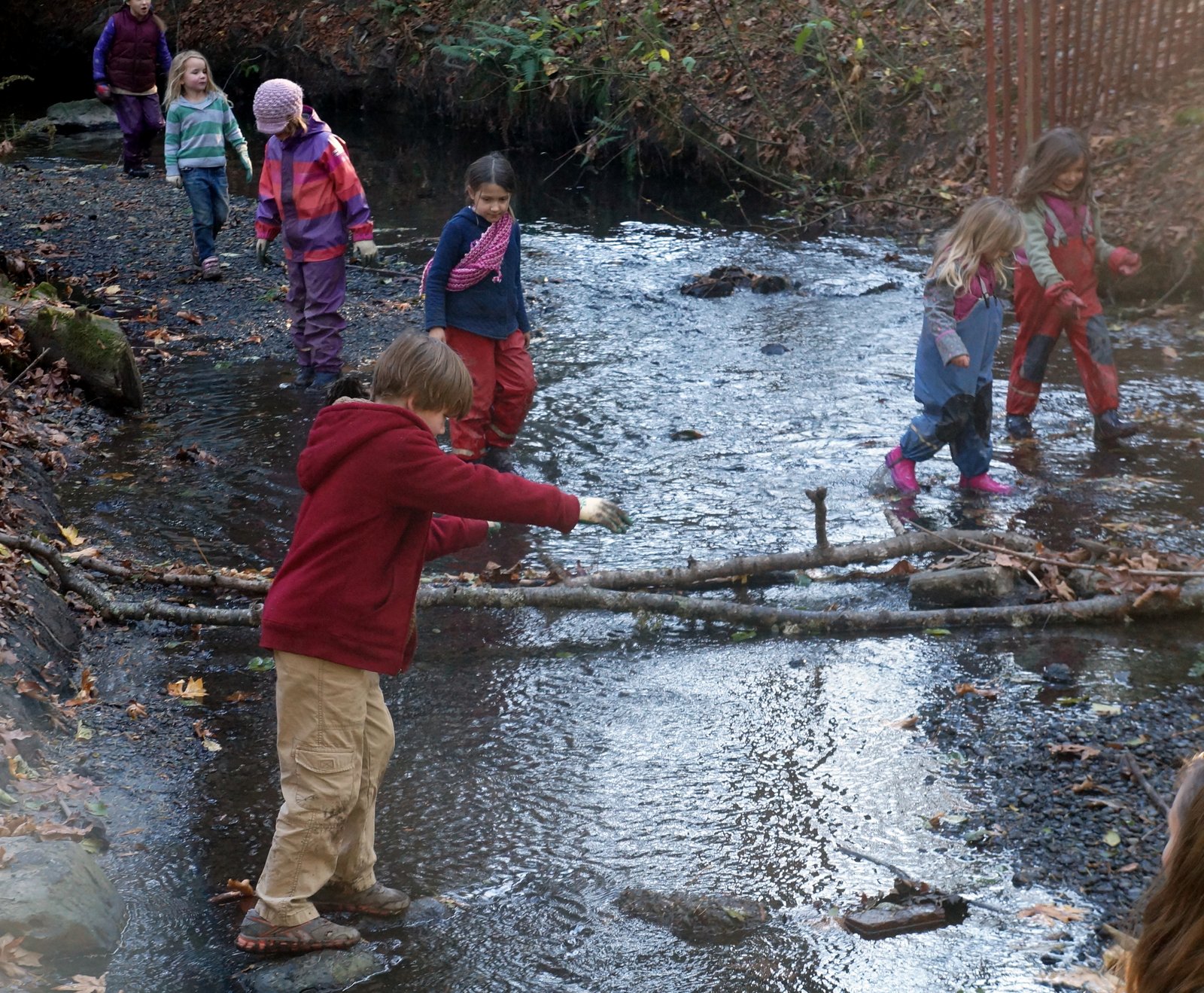
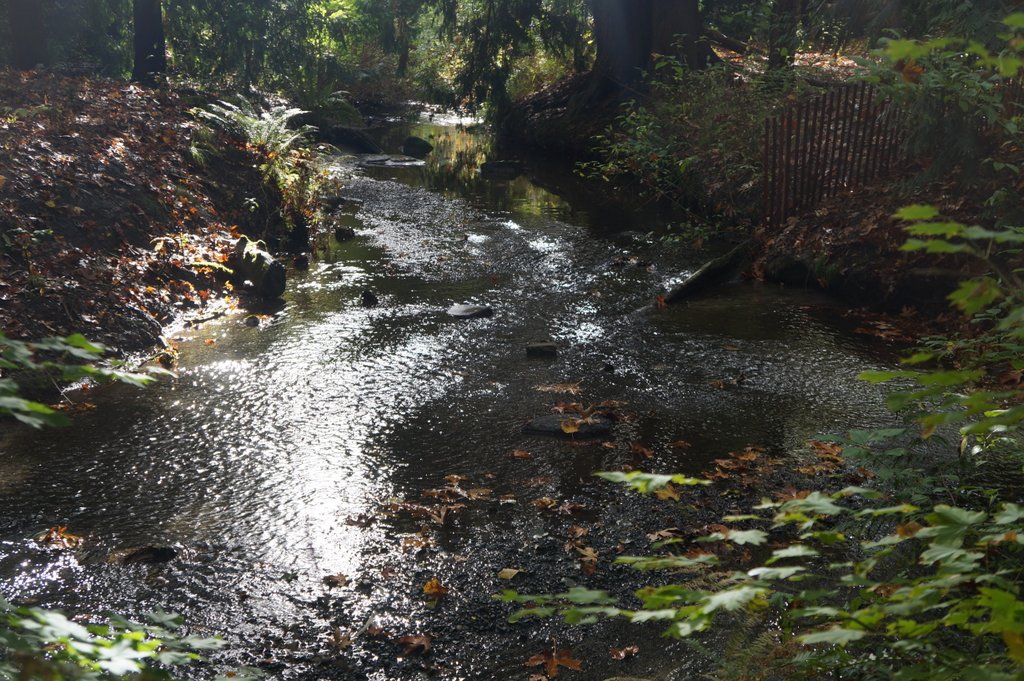
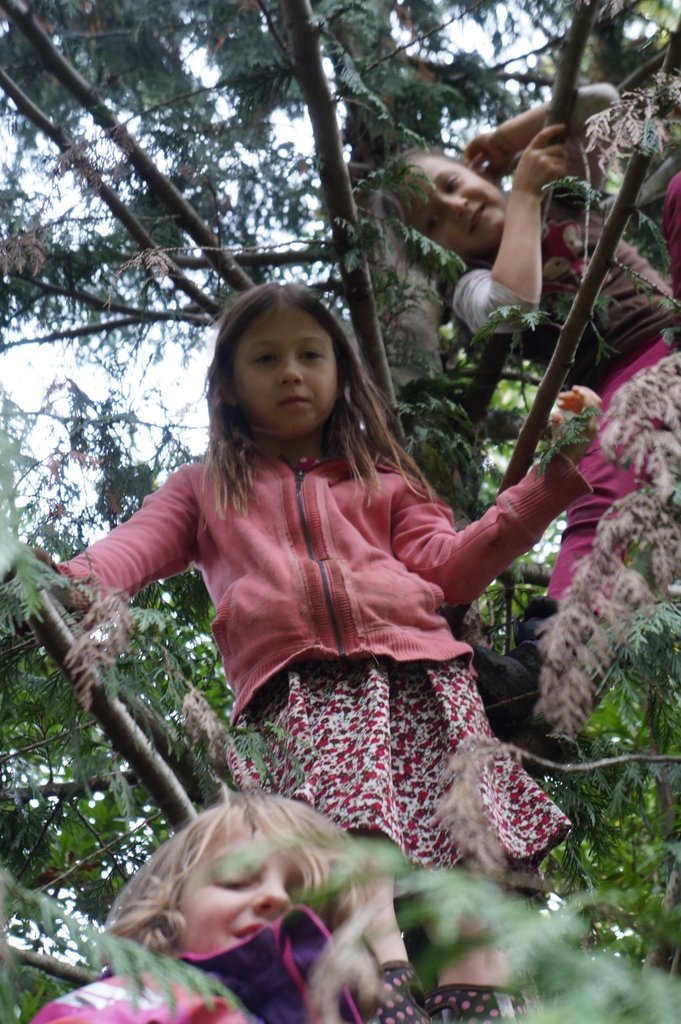
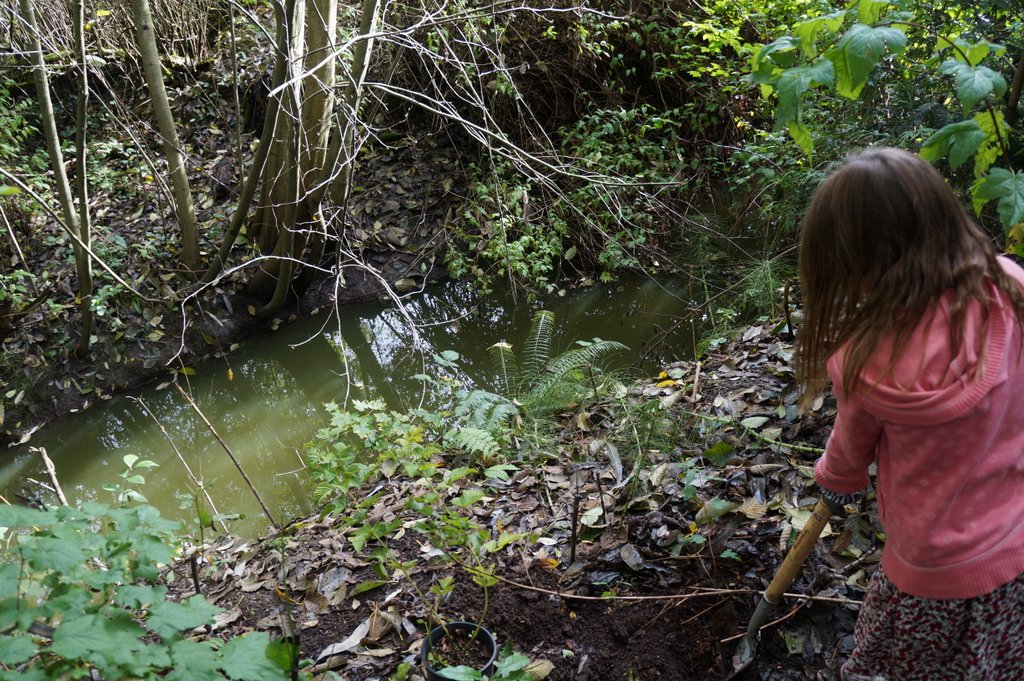
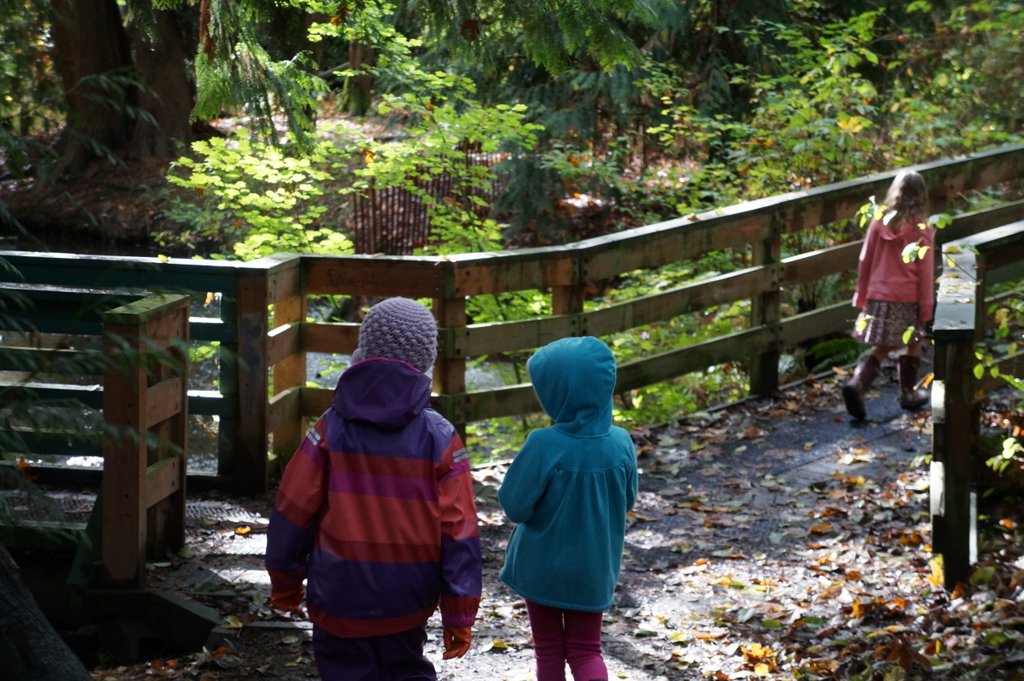
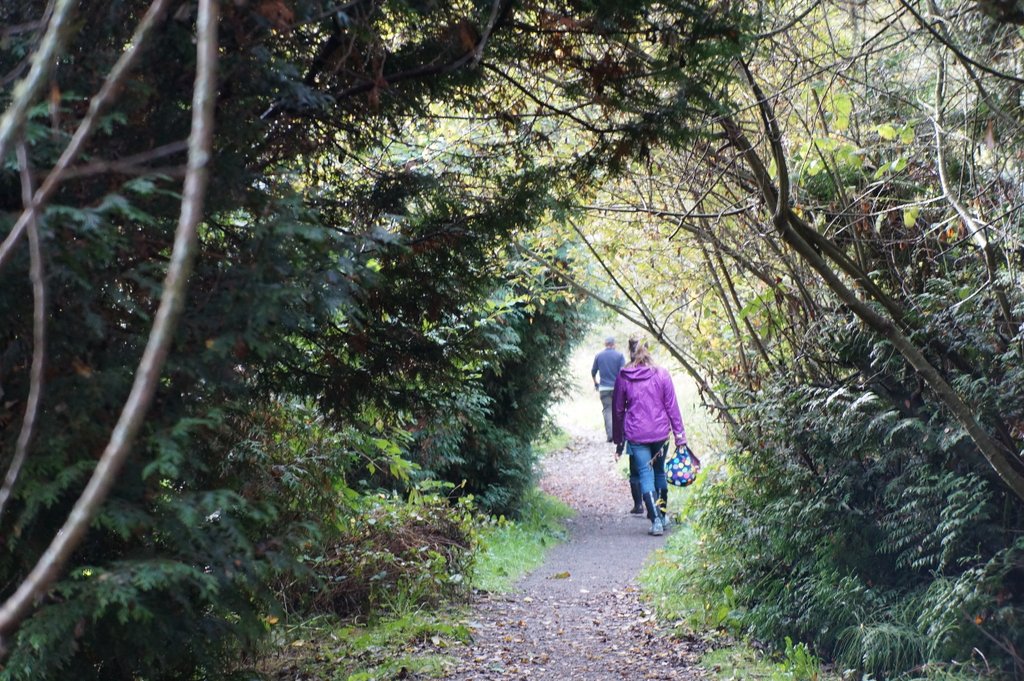
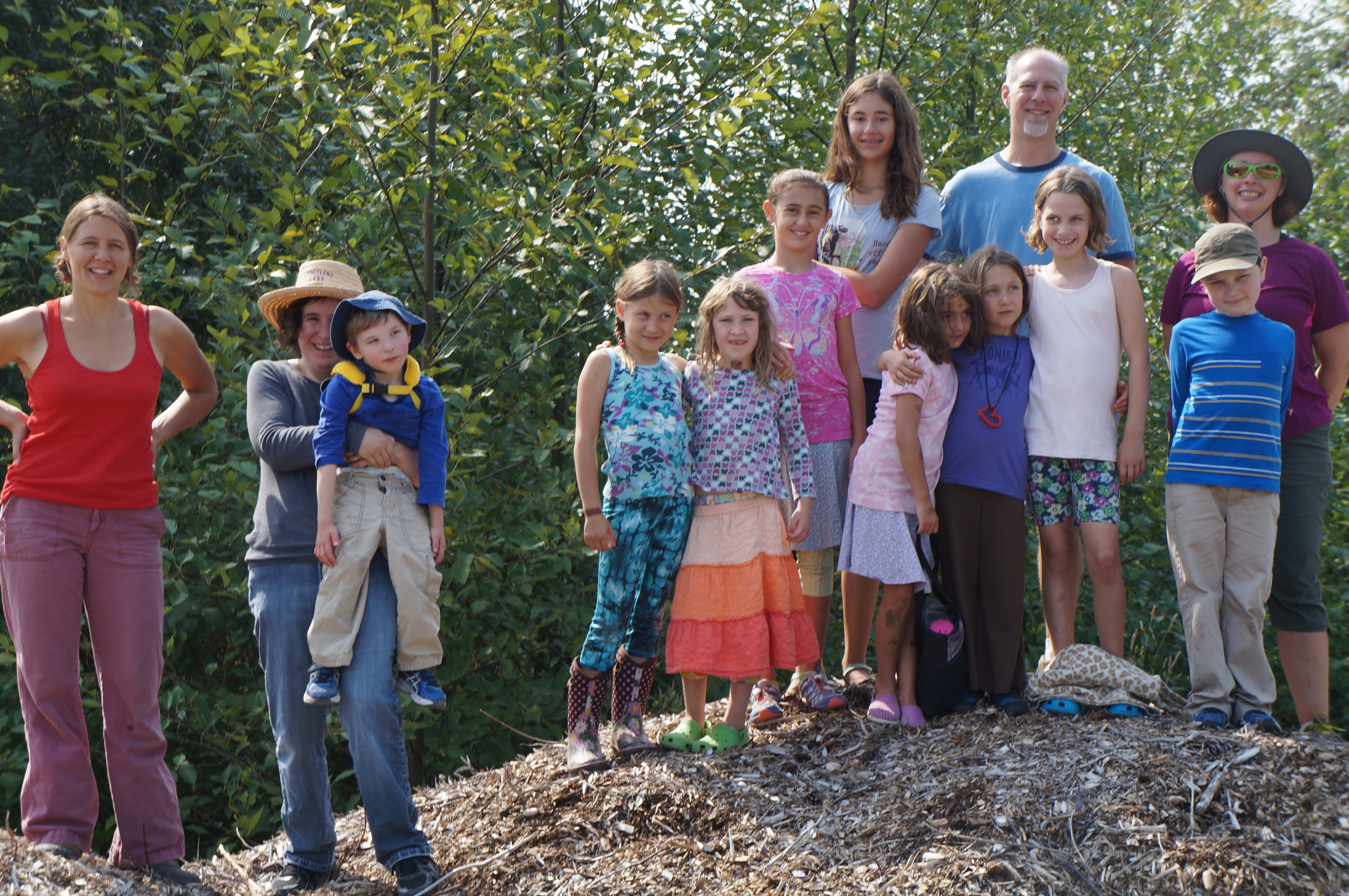
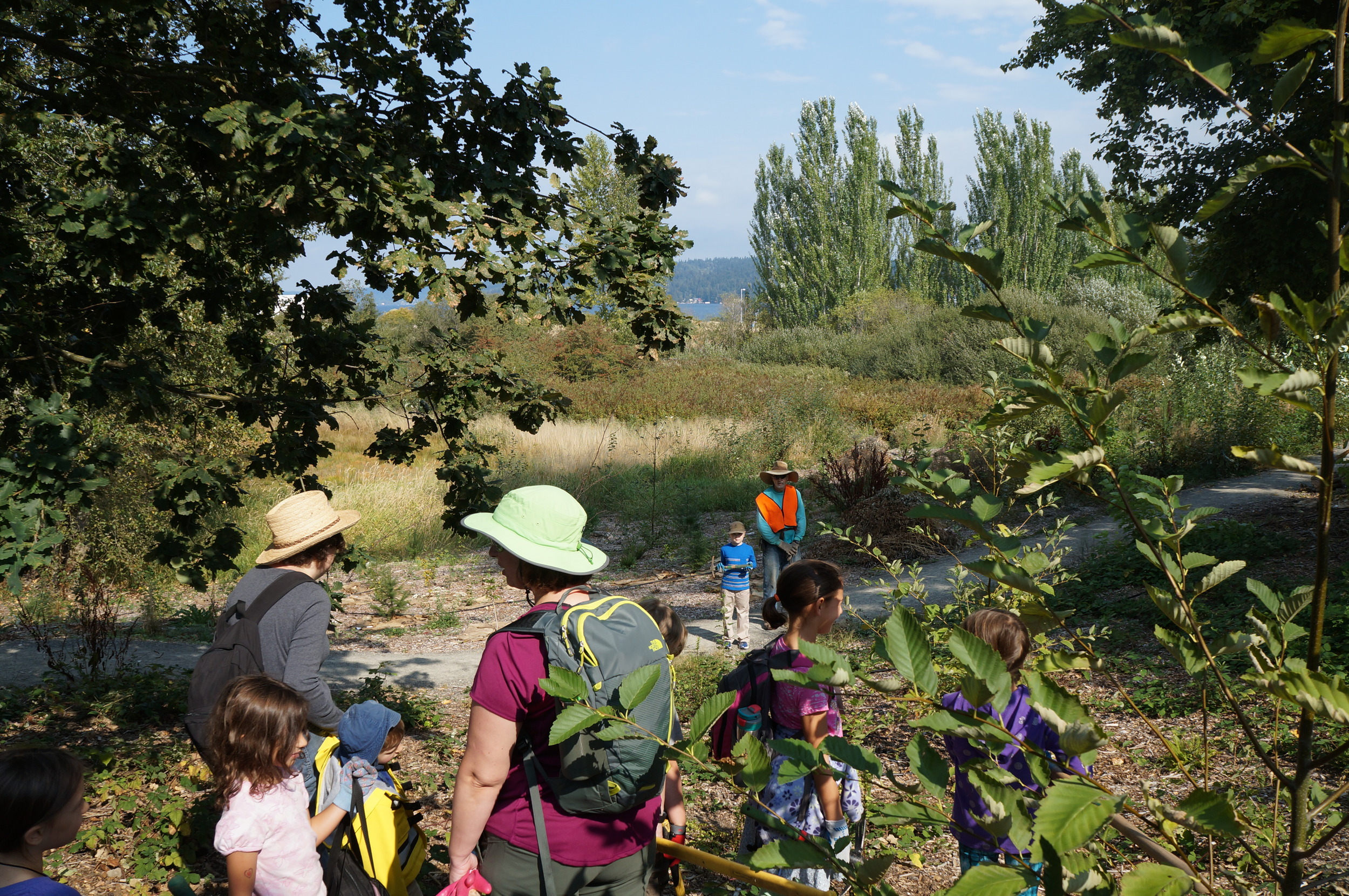
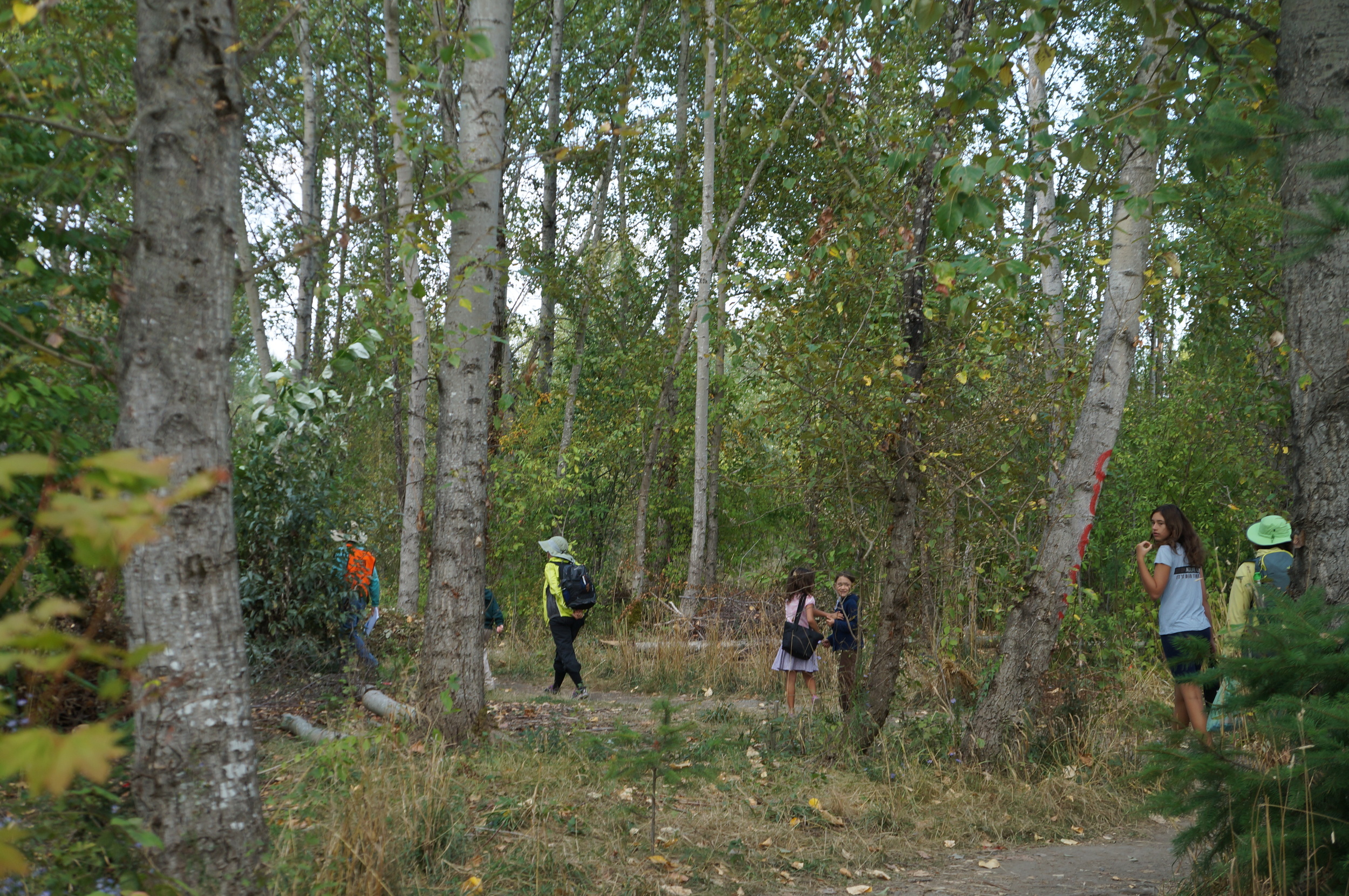
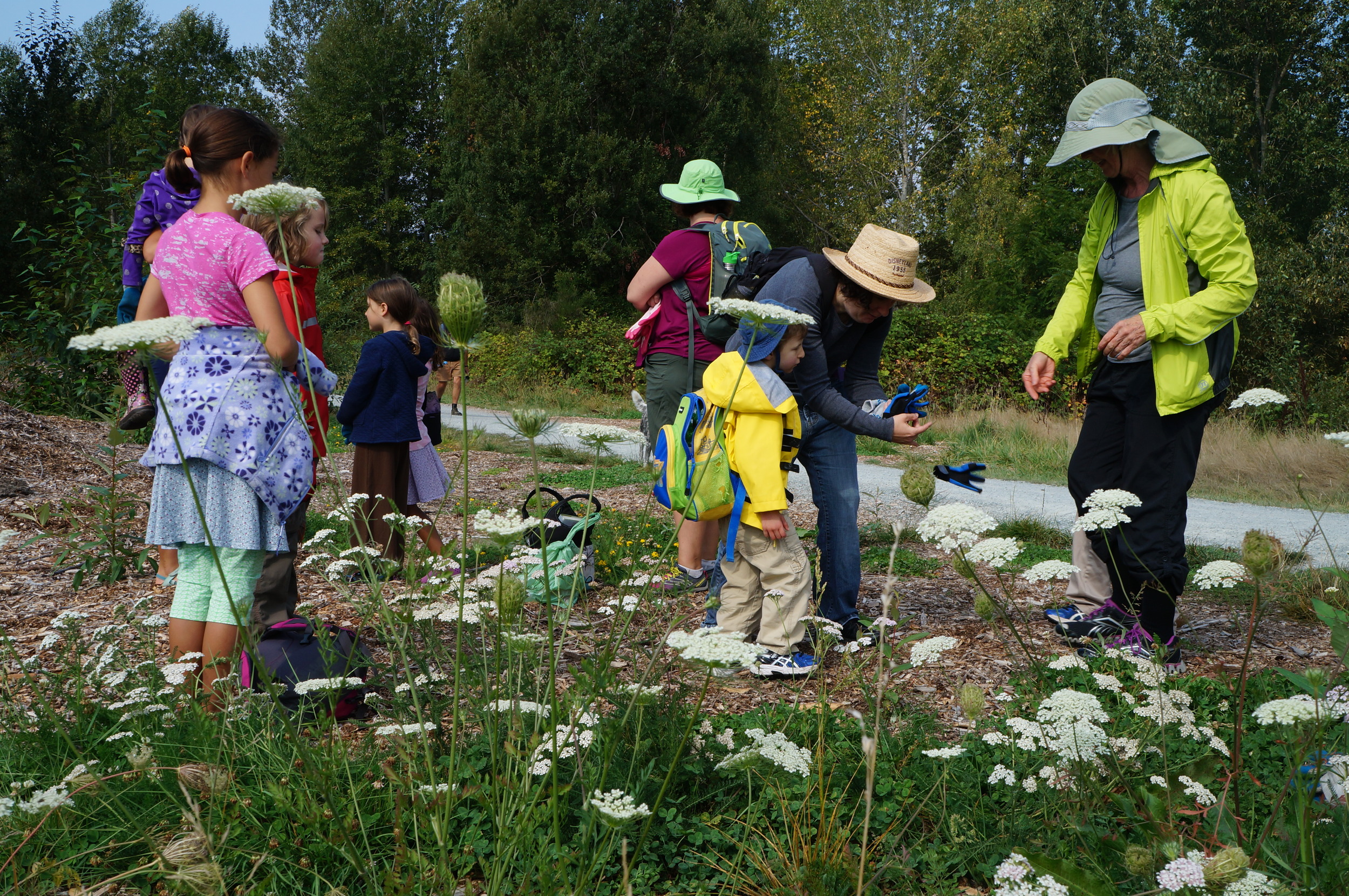
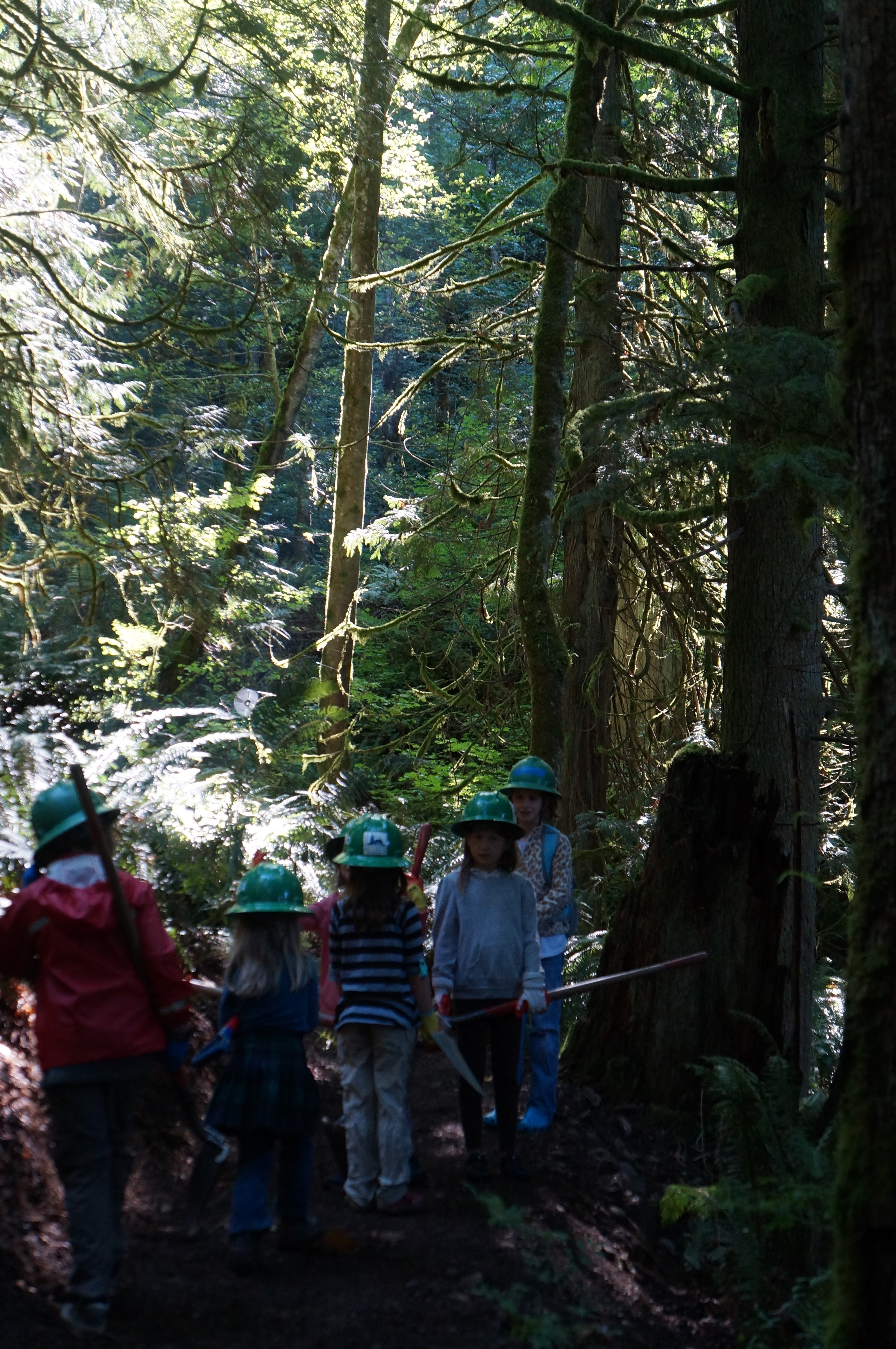
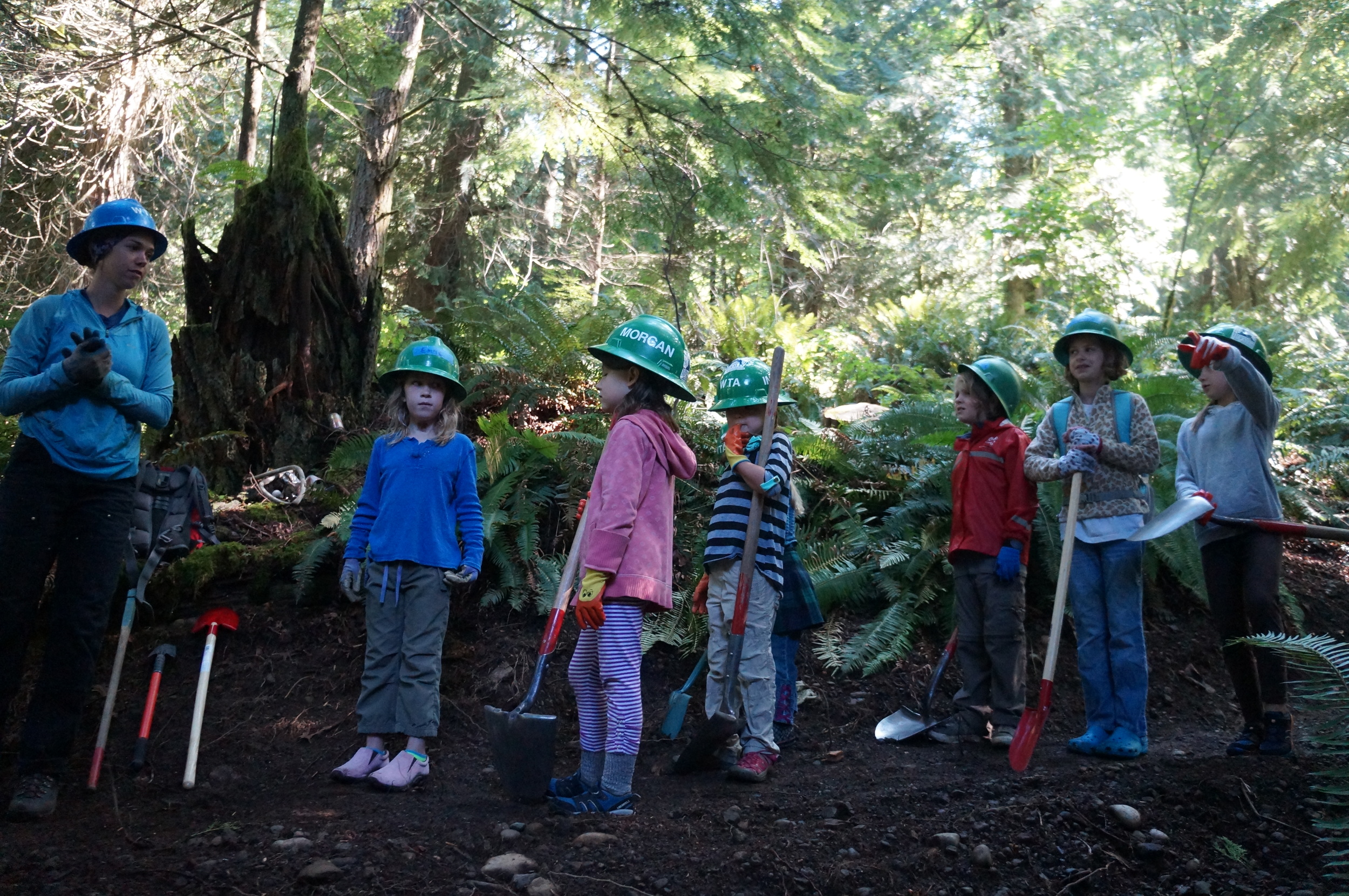
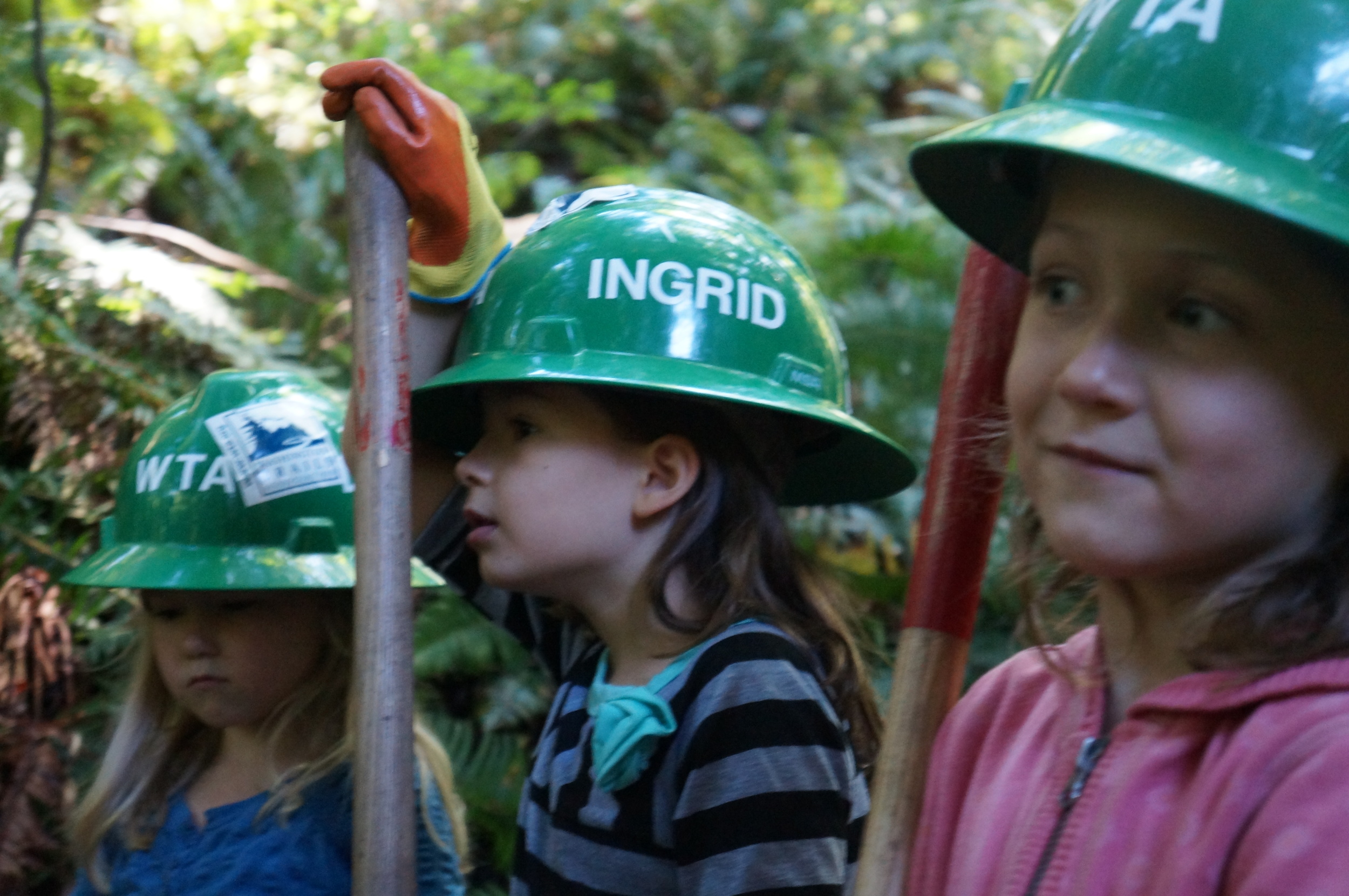
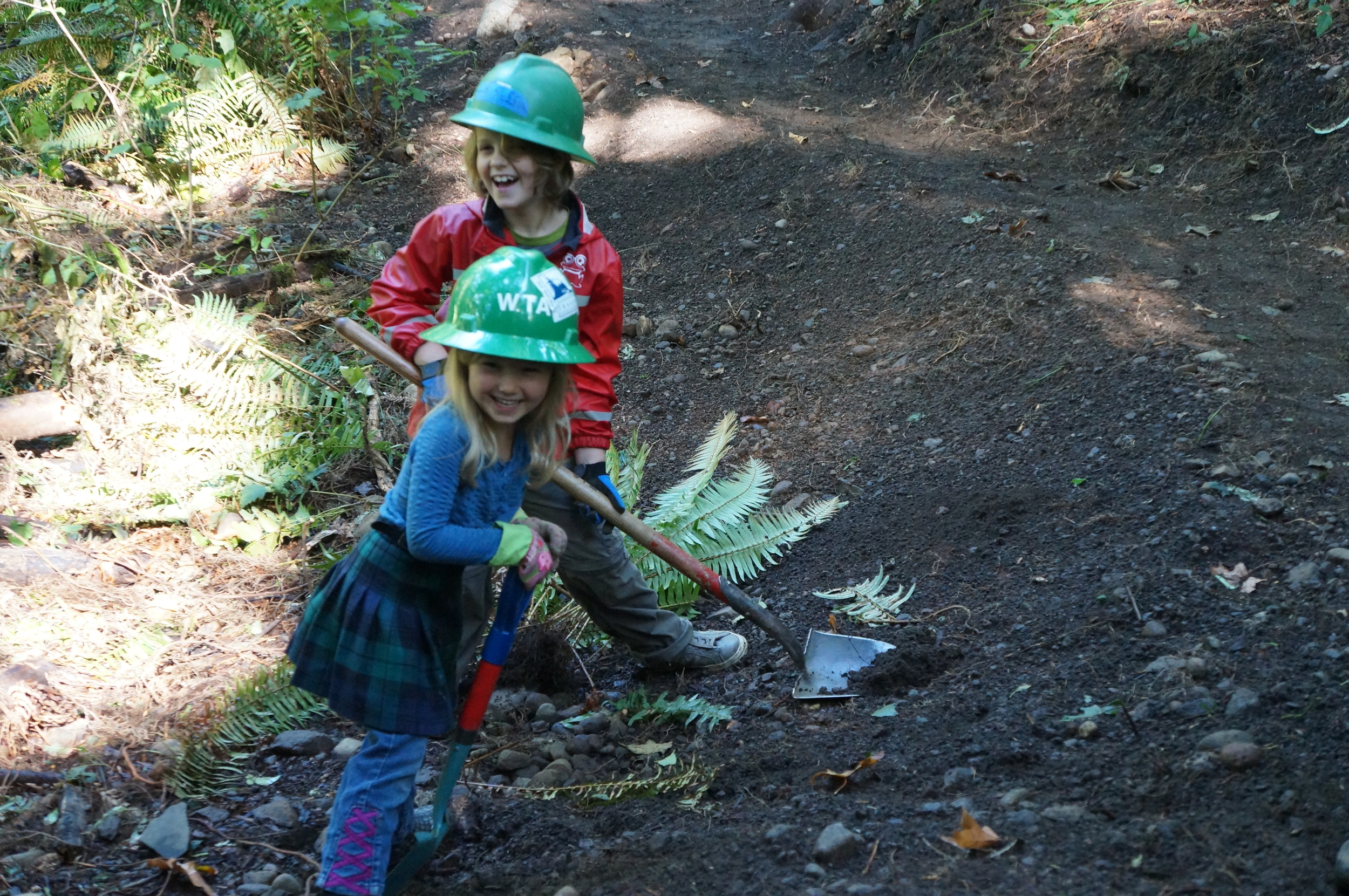
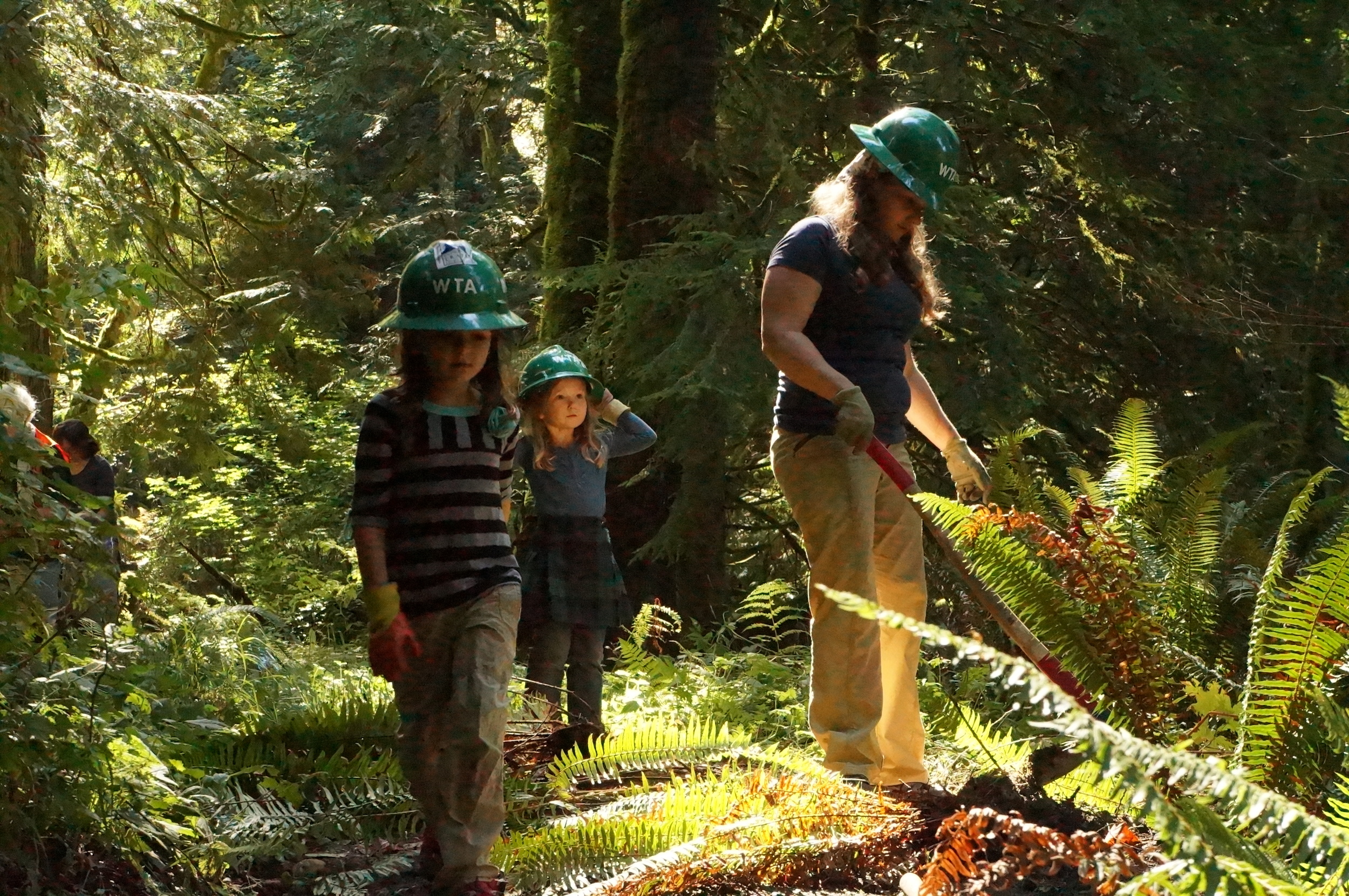
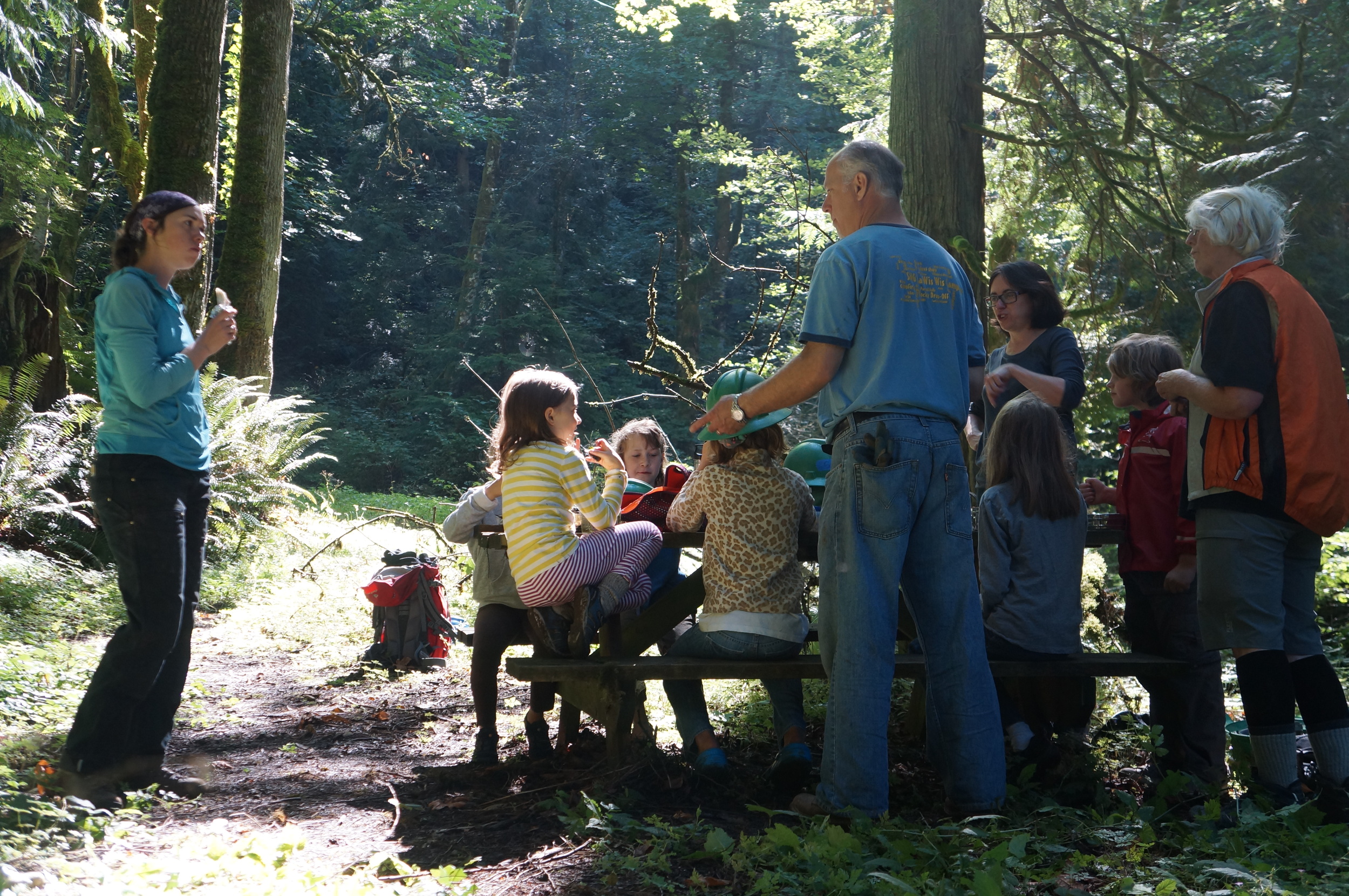
After working at King Conservation Disctrict's wetland plant nursery for three years, it was thoroughly satisfying to plant some of the species we've tended out in the field along the Longfellow Creek Trail in the Brandon Street Natural Area of West Seattle.  The weather has been amazing this fall, with many sunny days and warm temperatures.  After a bit of downpour, the urban woodland sparkled and the kids enjoyed all its features from climbing cedar and trails to boardwalk and tall saplings to plant.  They alders were much taller than the kids when we potted them up at KCD's nursery in the spring and after growing over the summer, they were larger still- requiring a team of three to get them in the ground.  It was tricky at times to dig holes underneath the roots of mature trees, but it was enjoyable to see the nitrogen-fixing bacteria nodules in the alder roots (photo below).

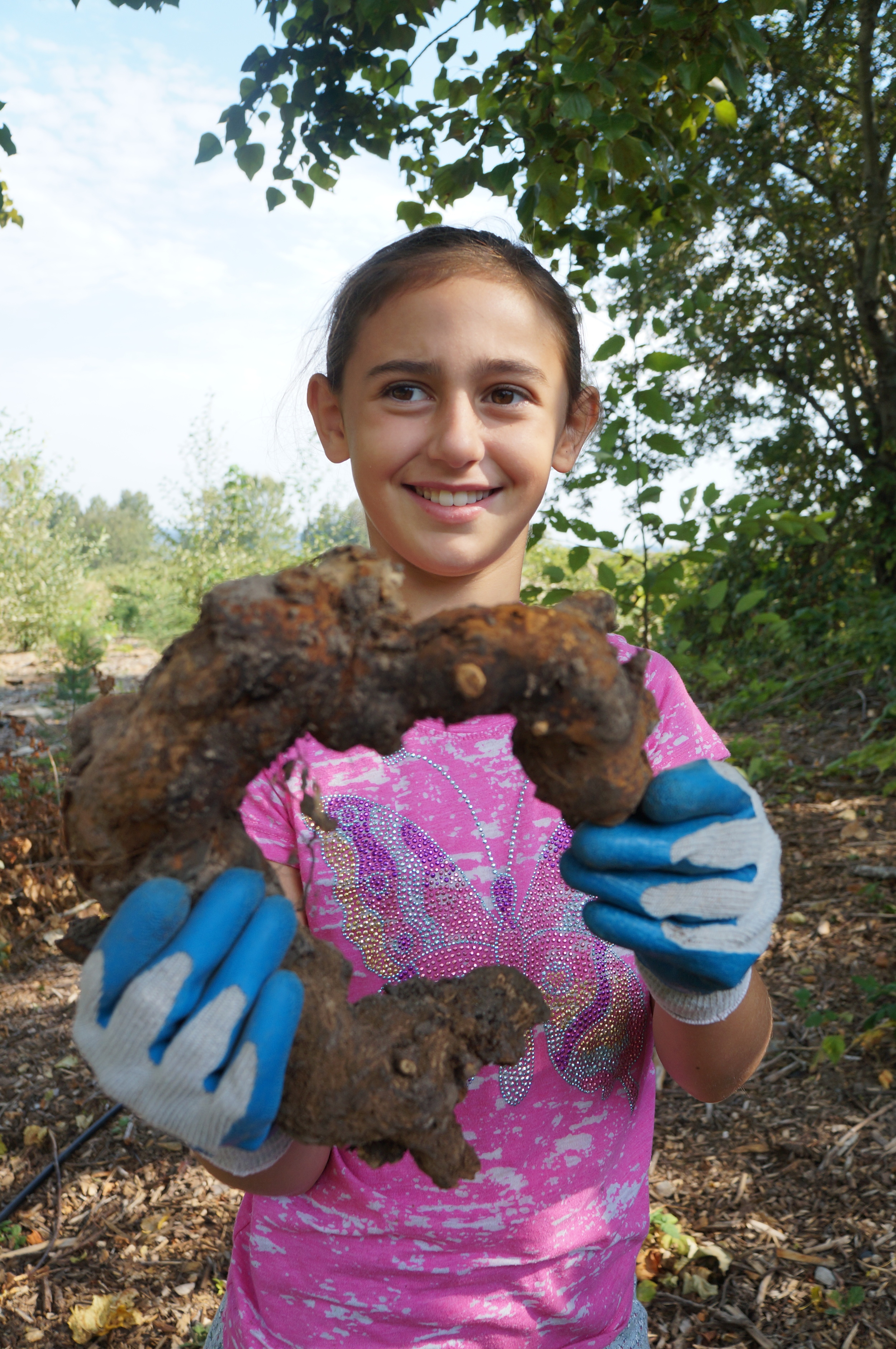
Alnus rubra / red alder roots showing the nodules of nitrogen-fixing bacteria that transform it from a gaseous state into a form usable to the tree, enabling incredibly fast growth and the ability to colonize disturbed areas as a pioneer specie…

Alnus rubra / red alder roots showing the nodules of nitrogen-fixing bacteria that transform it from a gaseous state into a form usable to the tree, enabling incredibly fast growth and the ability to colonize disturbed areas as a pioneer species.

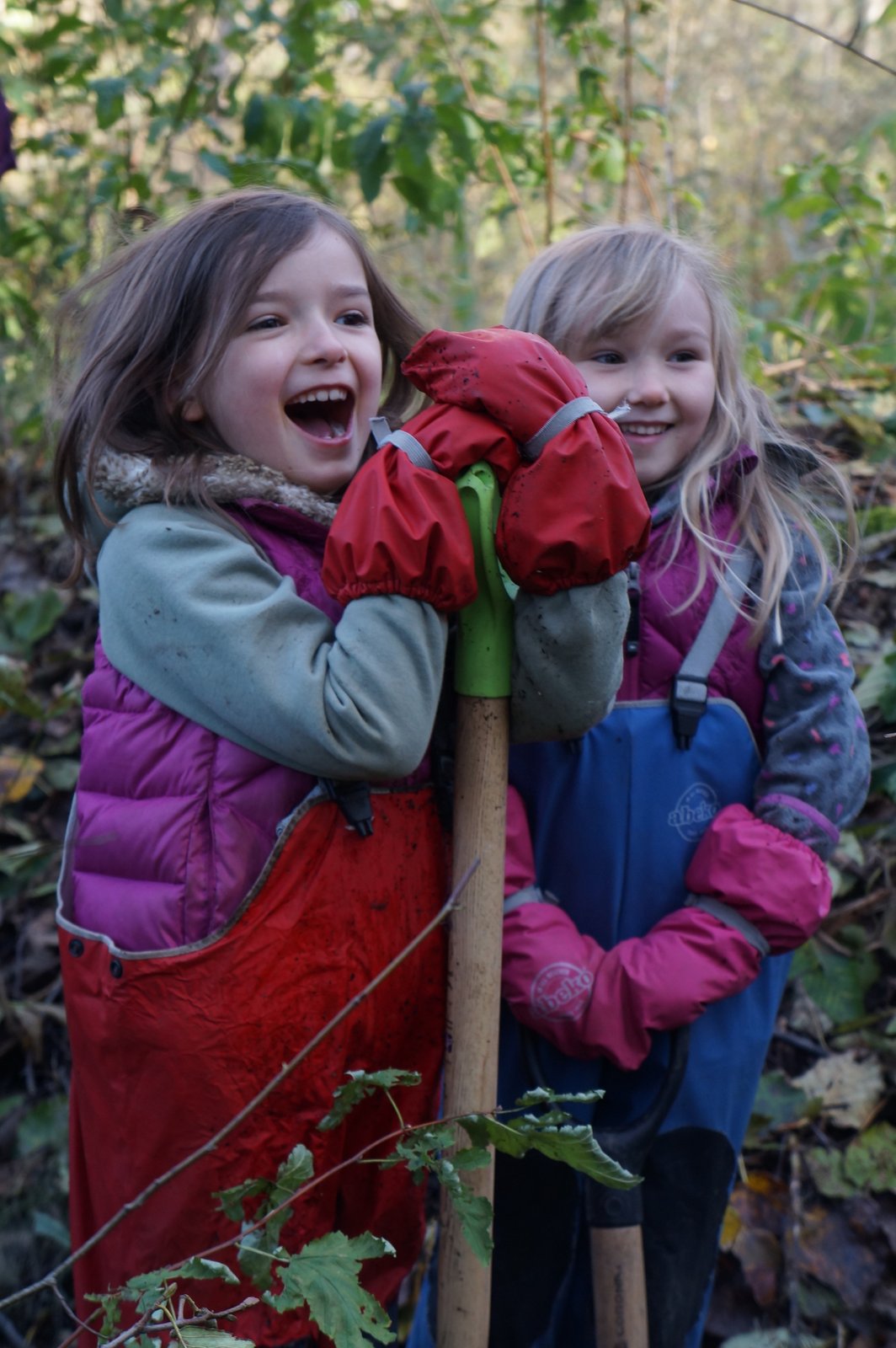
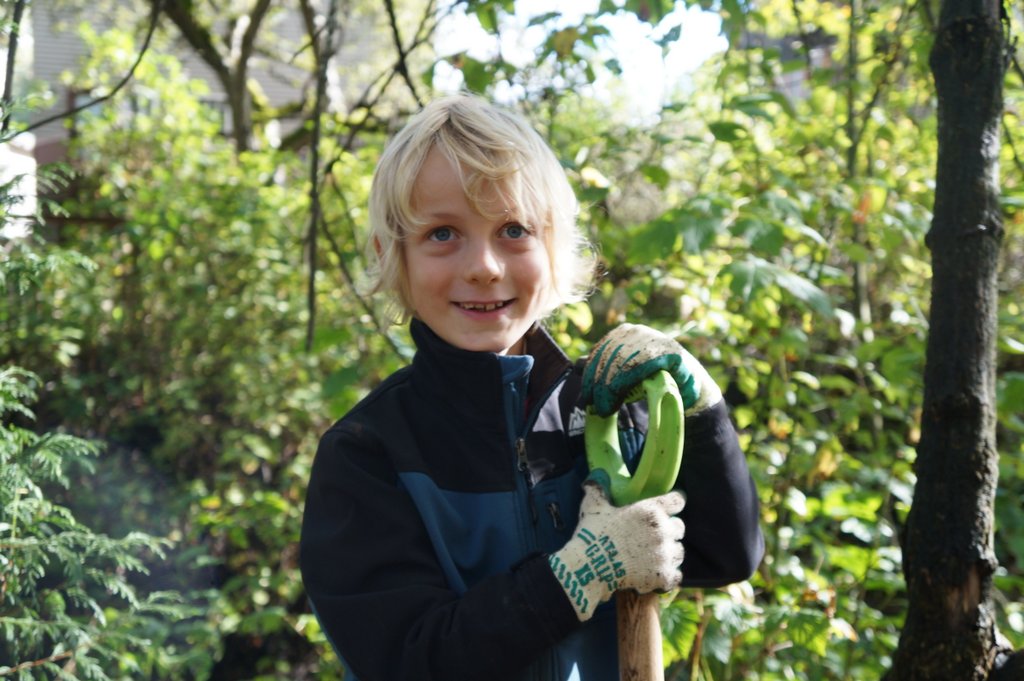
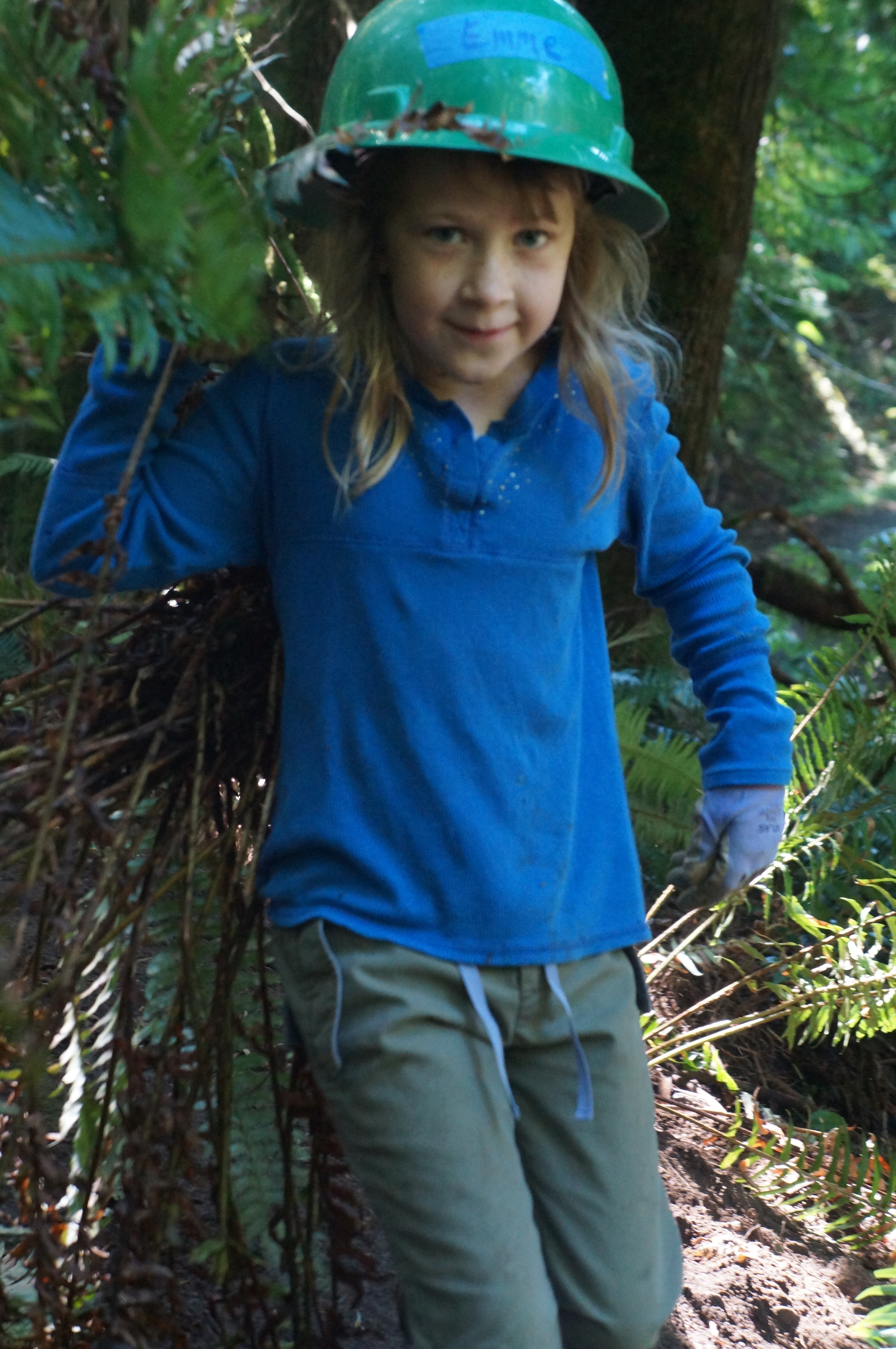
They we excited to field-plant the tall alder sapling they had potted-up in the nursery the previous spring.

They we excited to field-plant the tall alder sapling they had potted-up in the nursery the previous spring.

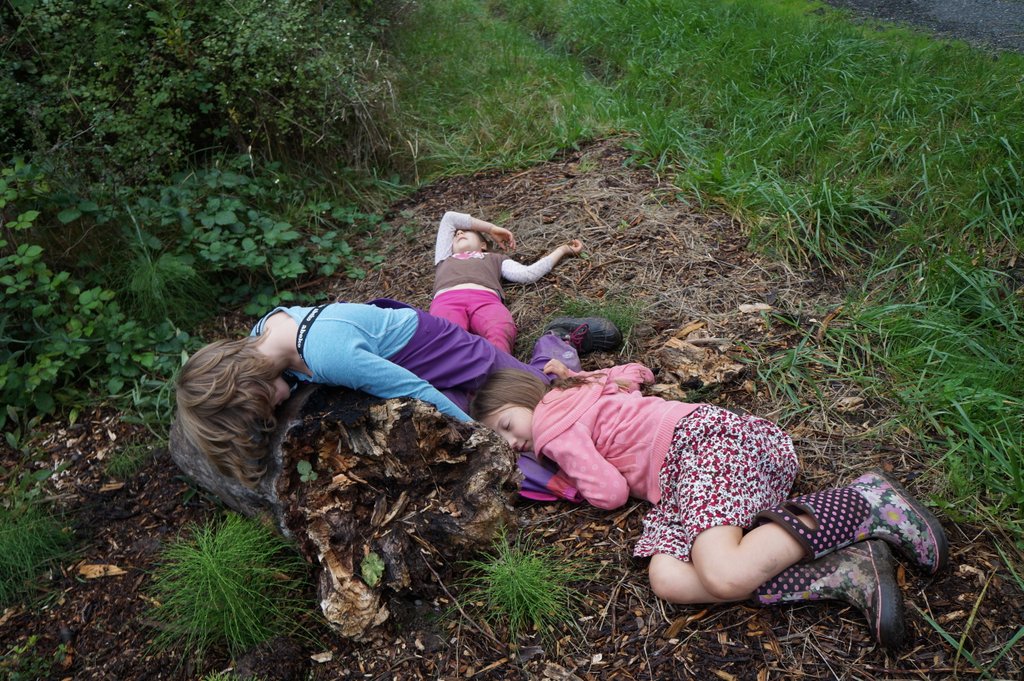
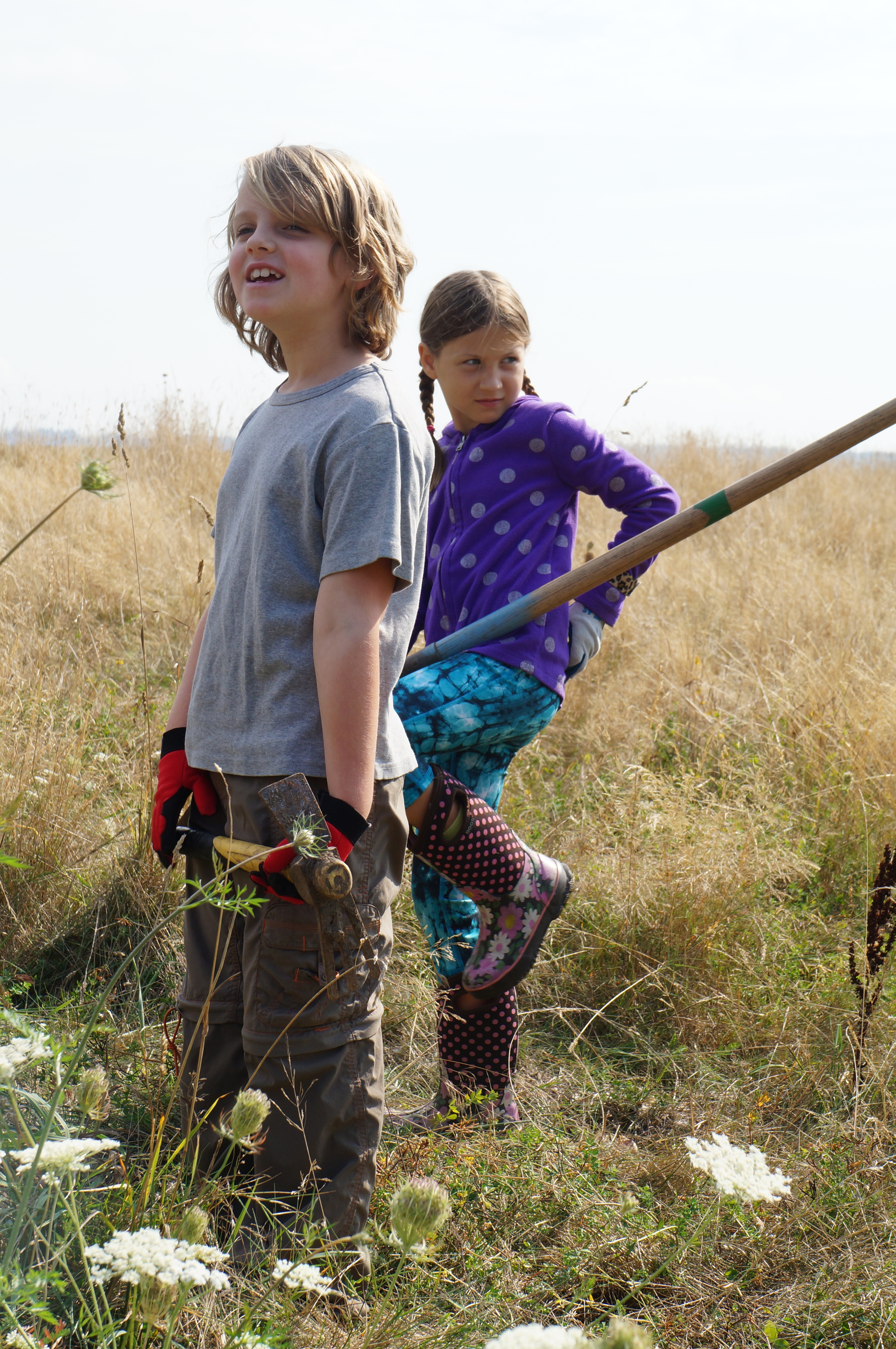
.....choreographed display of exhaustion.

.....choreographed display of exhaustion.

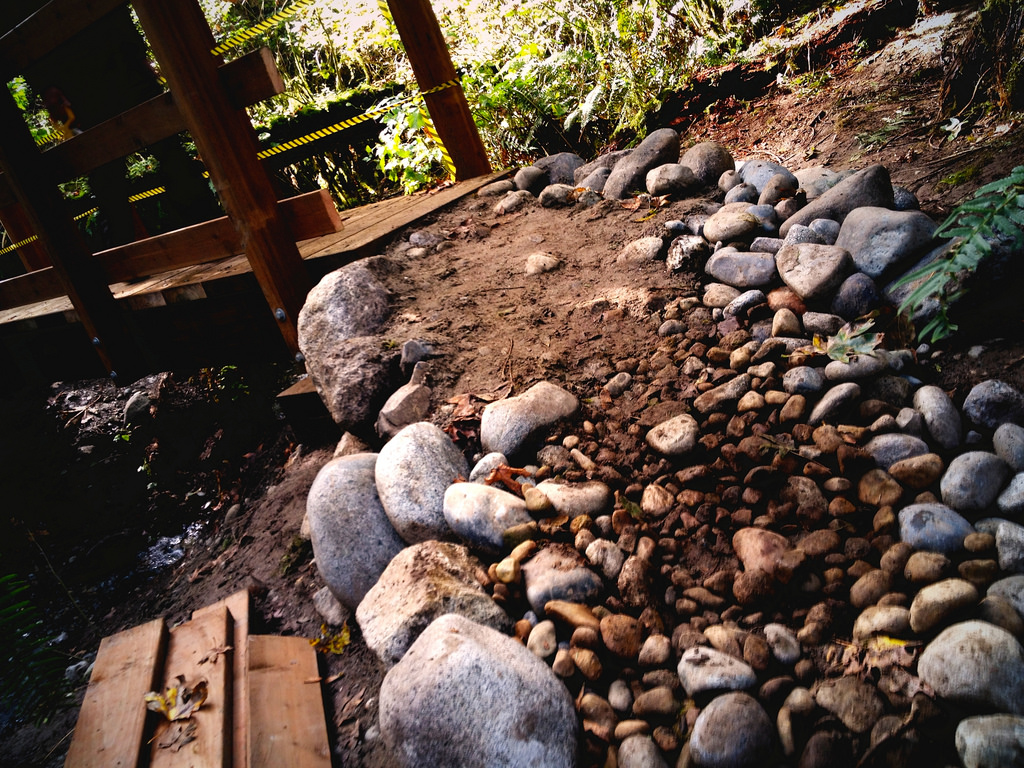
Rock Work on a Bridge Approach, Bear Claws and Ferns Ferns Ferns.

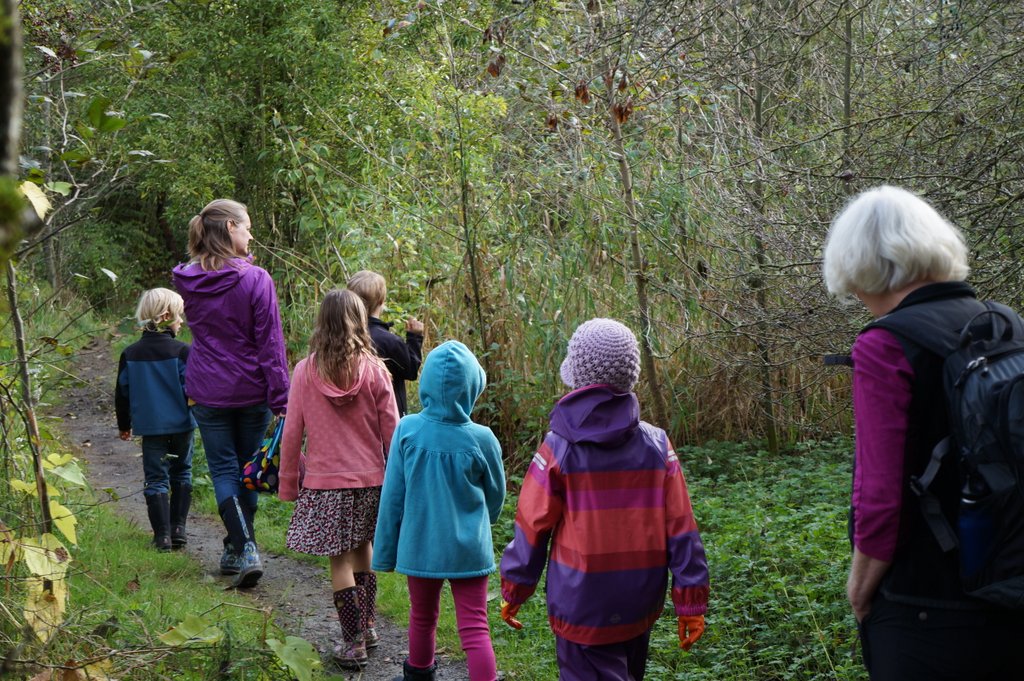
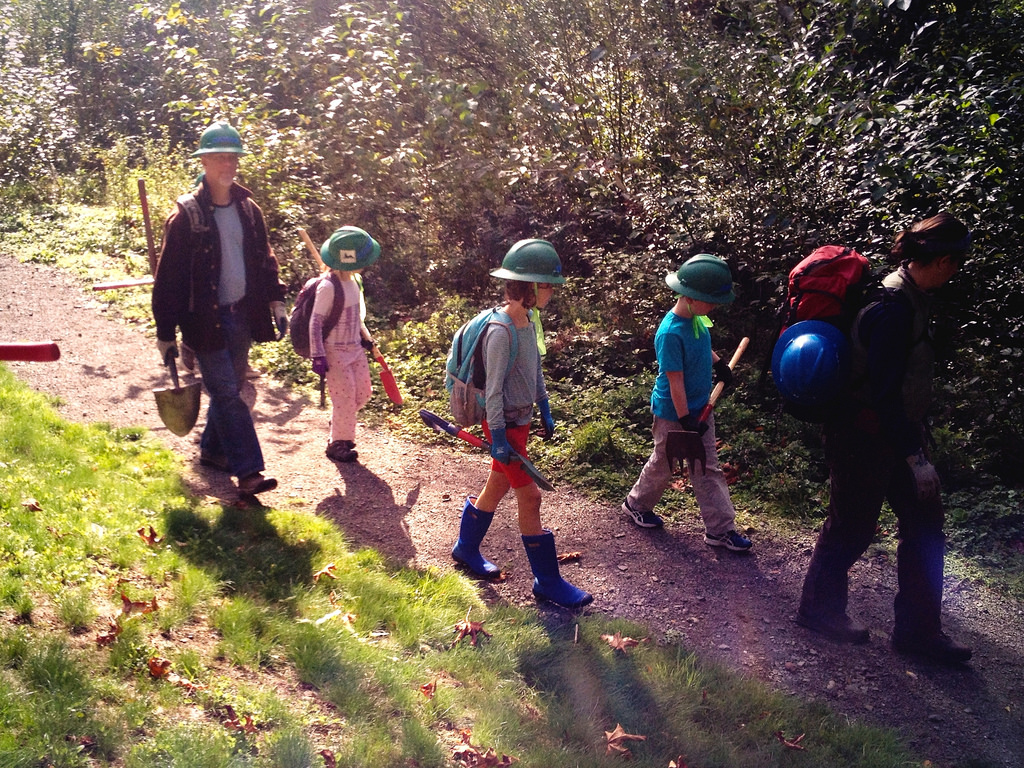
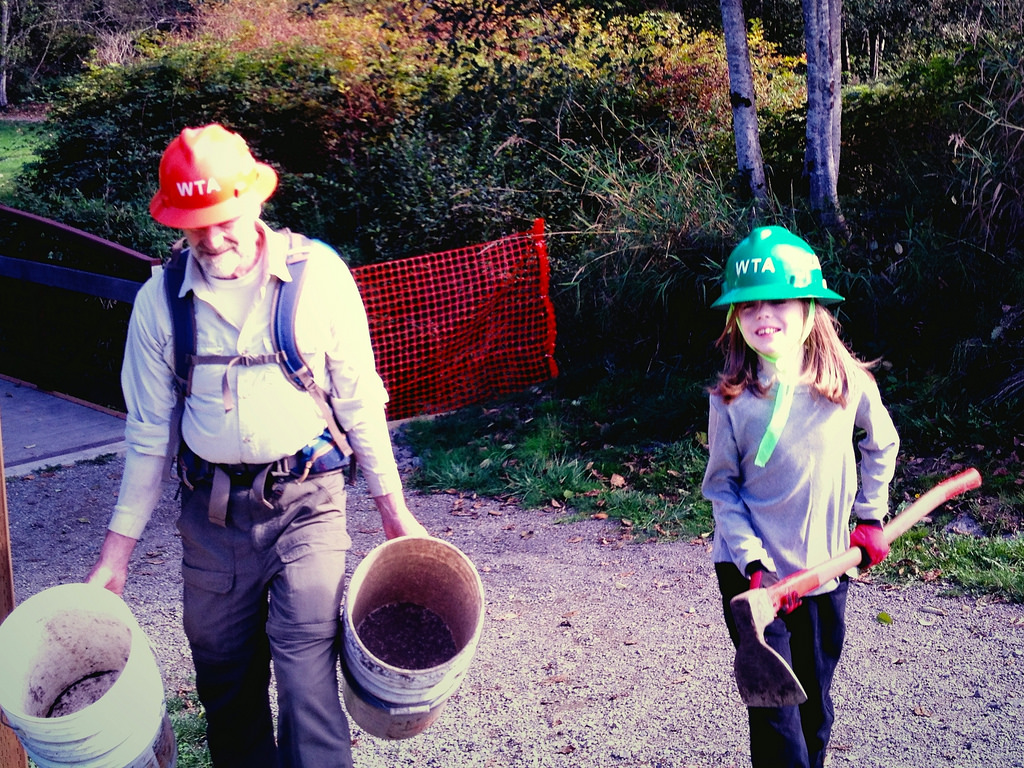
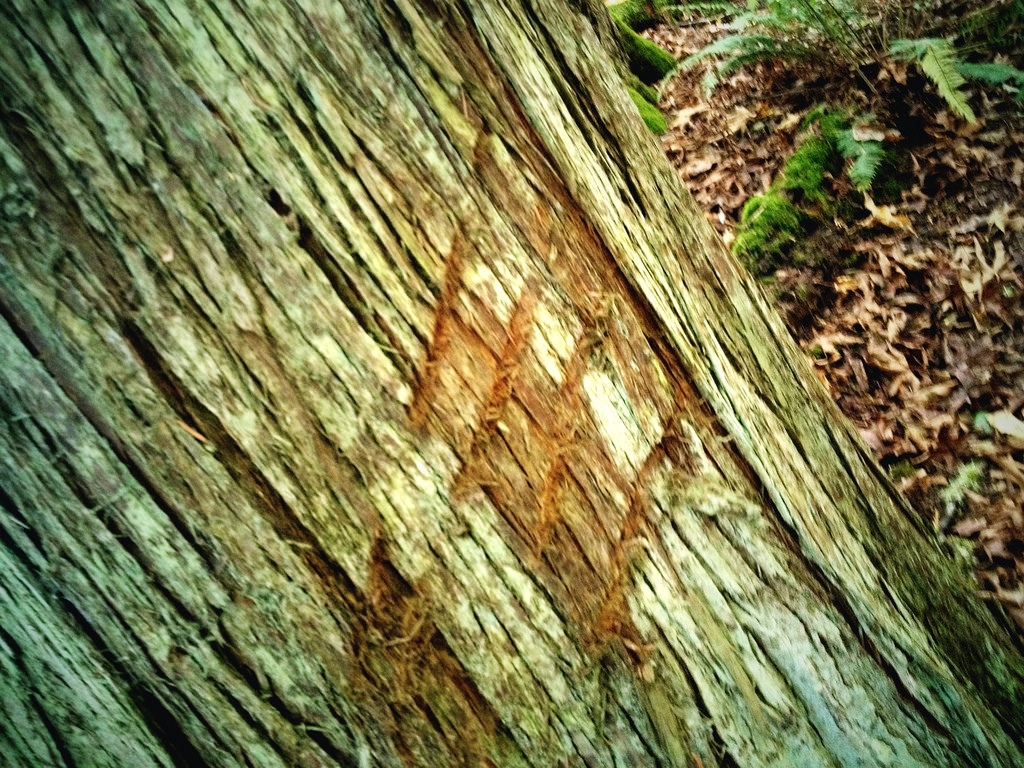
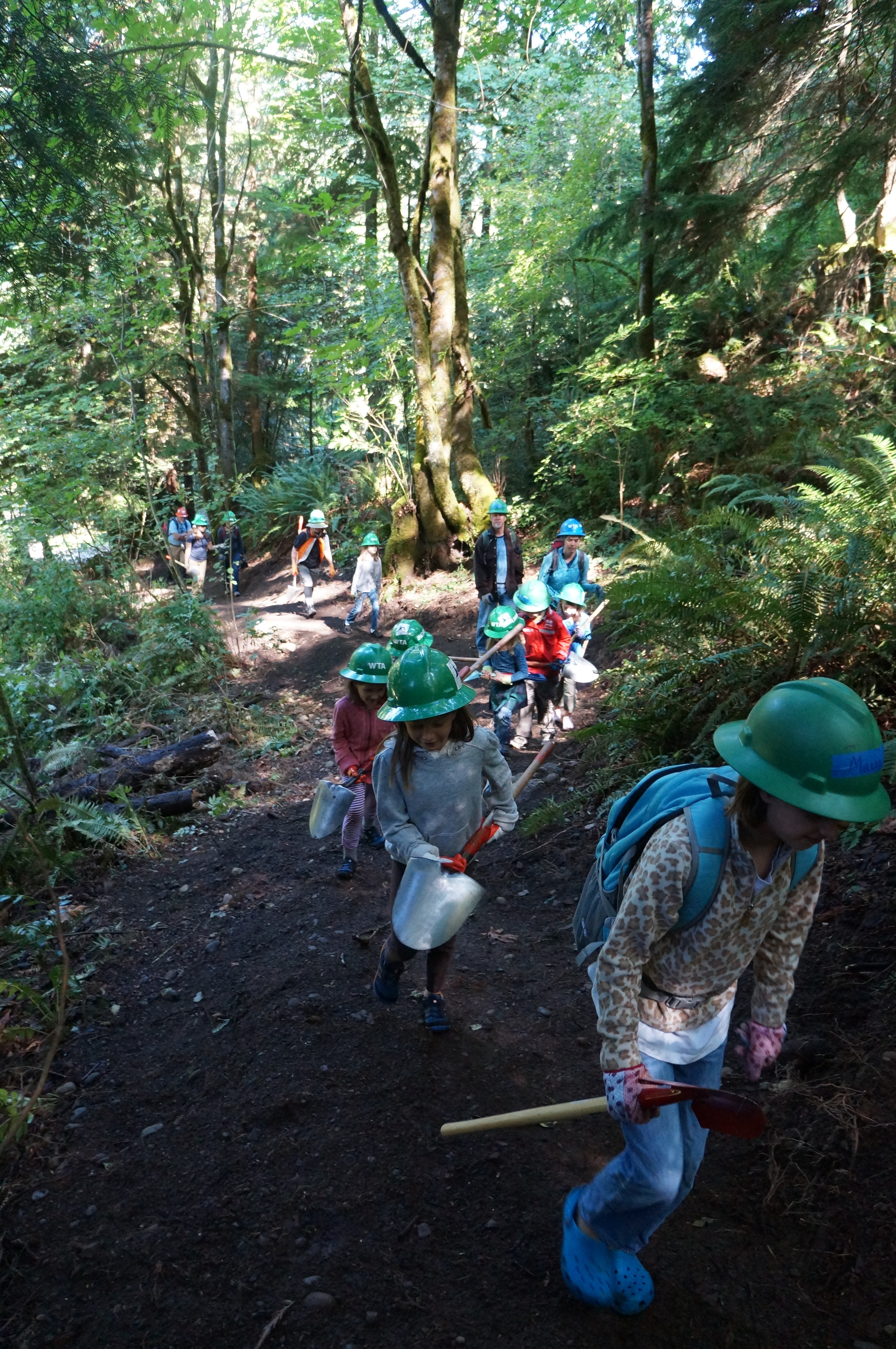
The children worked hard hauling rocks in formation for a bridge approach on a trail at Evans Creek Preserve with the WA Trails Association.  It is enjoyable to return to the site of our original Stewardship Squad event as we approach the Homeschool Stewardship Squad's third year in service!   The number of ferns that we have transplanted measure in the hundreds by now.  Krista, our long-time WTA crew leader, aroused the children's rapt attention when she pointed to a tree showing the scratches of a bear's claw, which to everyone's relief were not fresh.

The children's sense of pride and ownership of the wilderness is evident when their forest play includes racing along trails, climbing trees and also commenting on areas in need of stewardship.  Witnessing their sense of responsibility blossom alongside a carefree, satiating pleasure in nature is a lovely thing.

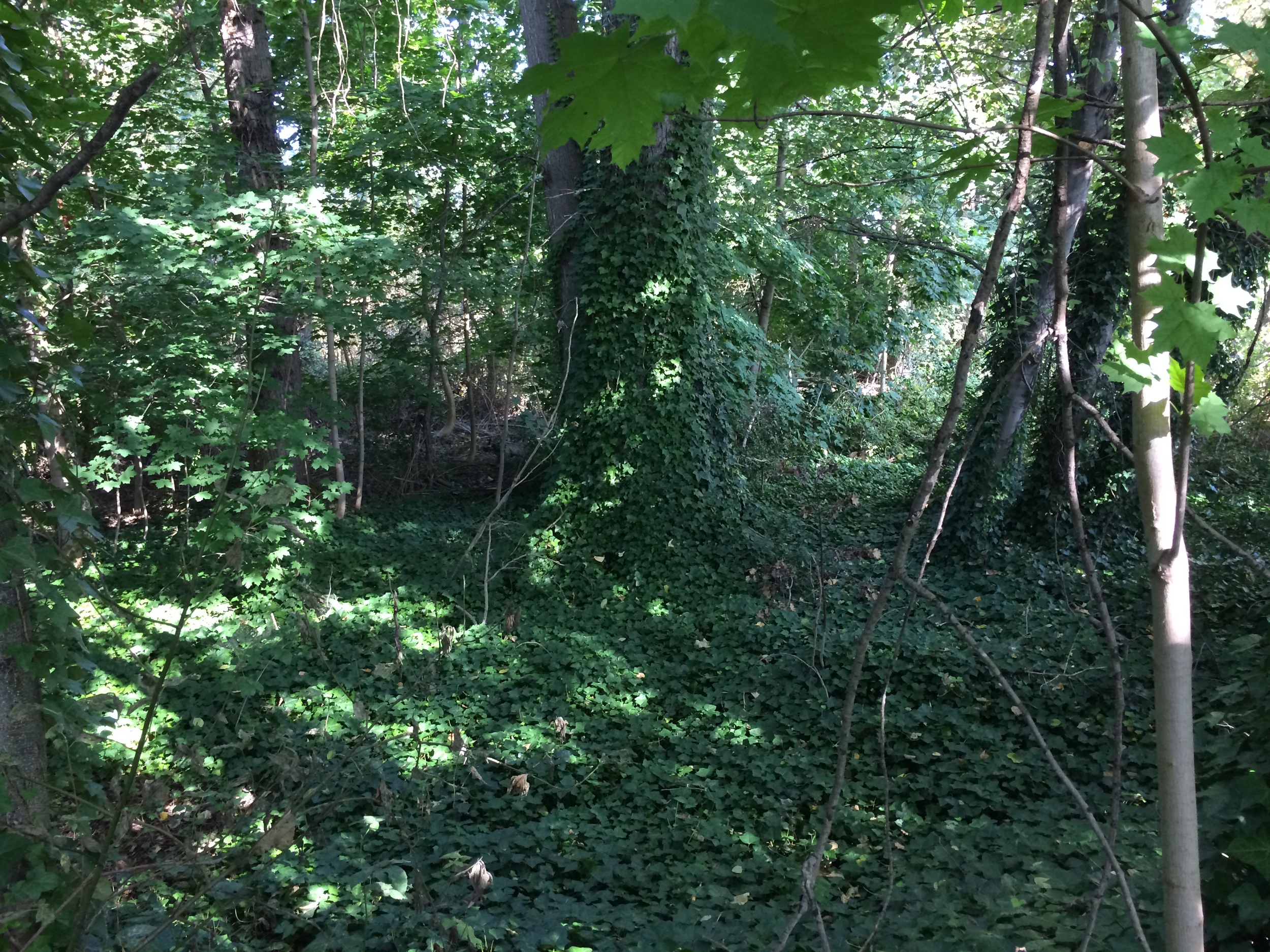
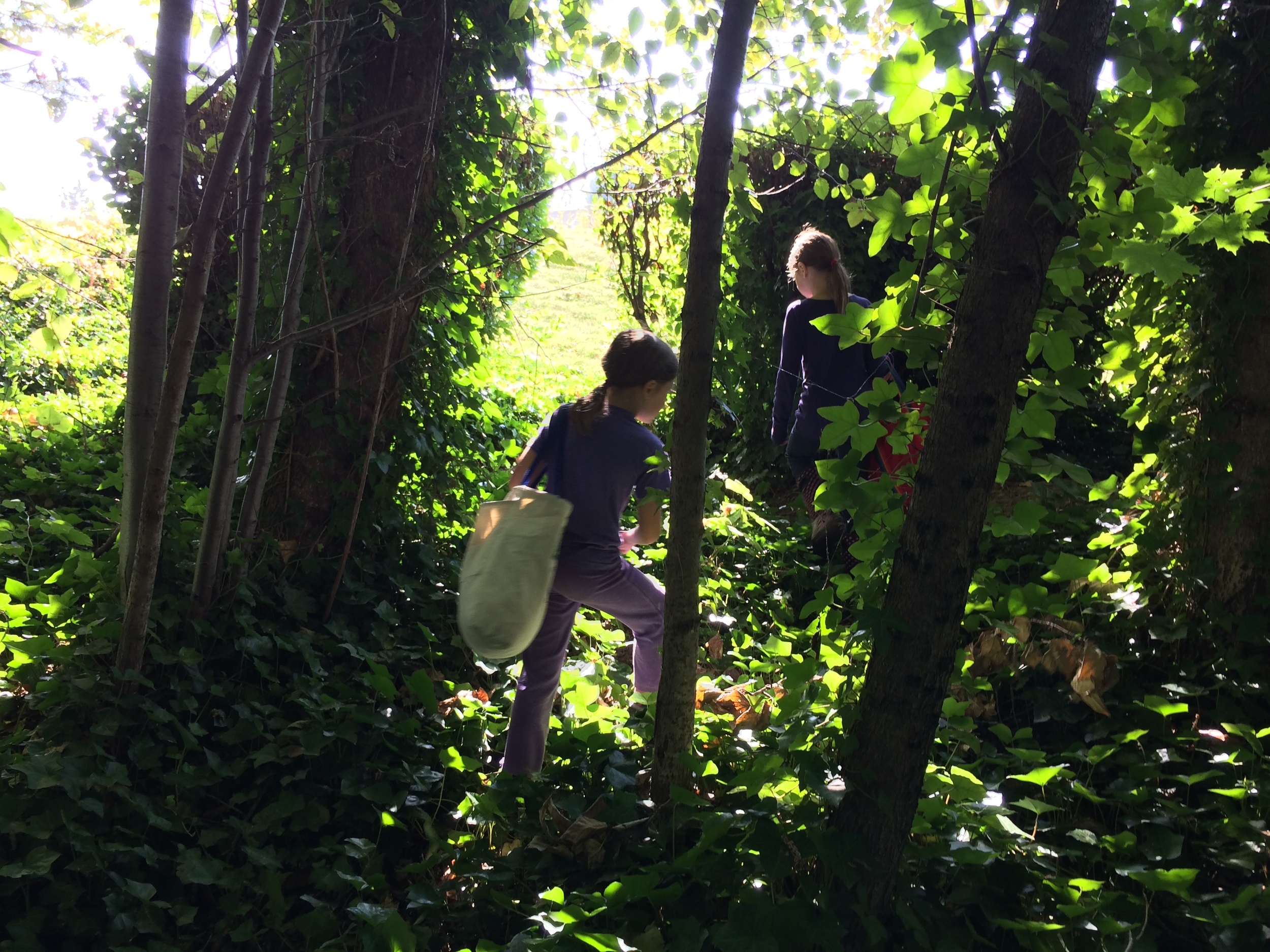
Thank you to Squad-regular Becky Johnston for her reporting & photography, as the Watters Family was forced to spend the morning at the Tukwila Costco Tire Shop.  (We did explore the store's backyard and found quantities of ivy that could really use some stewardship!)

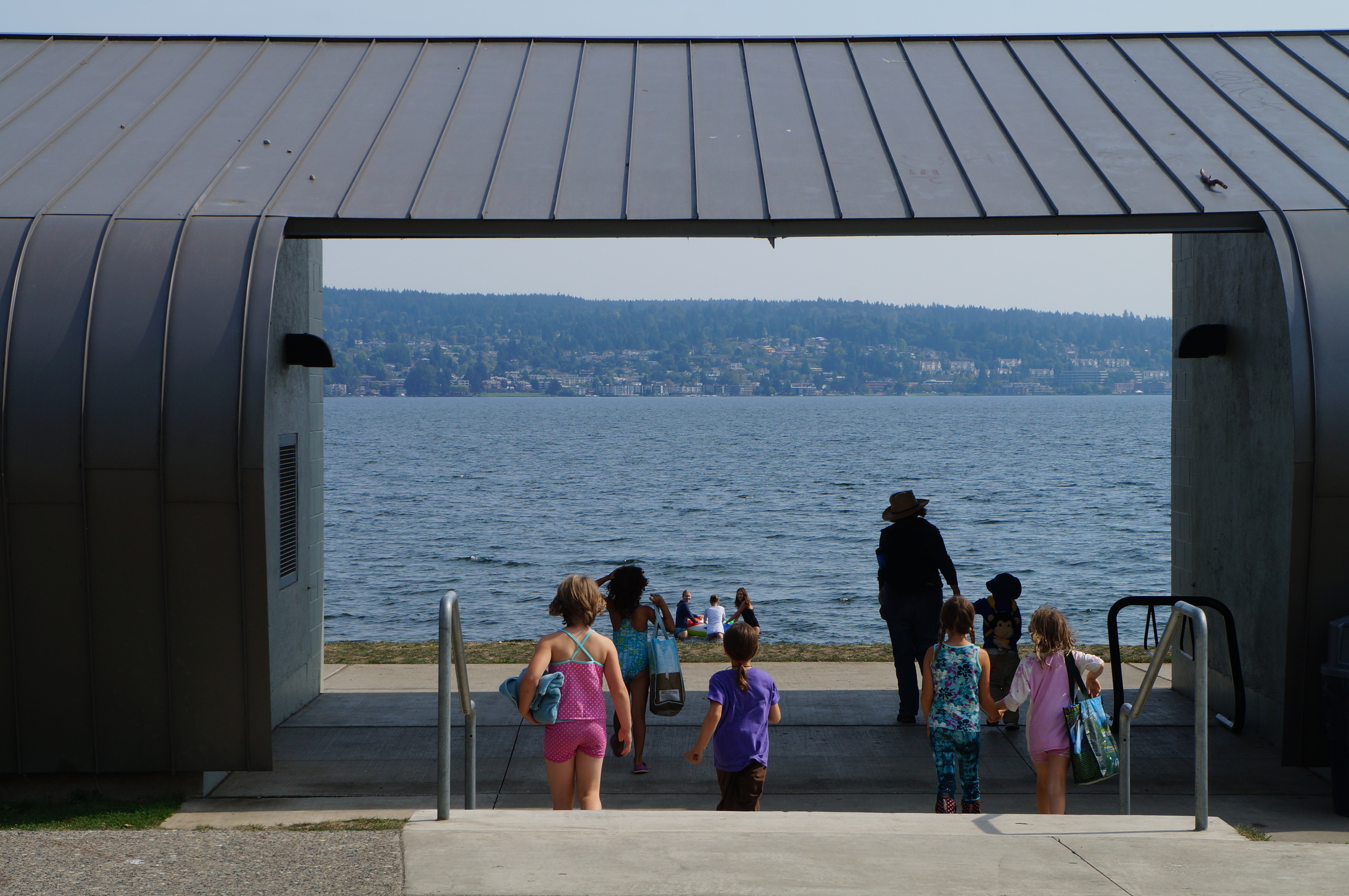
Magnuson Park wetland weeding & blackberry digging. Then, swimming!

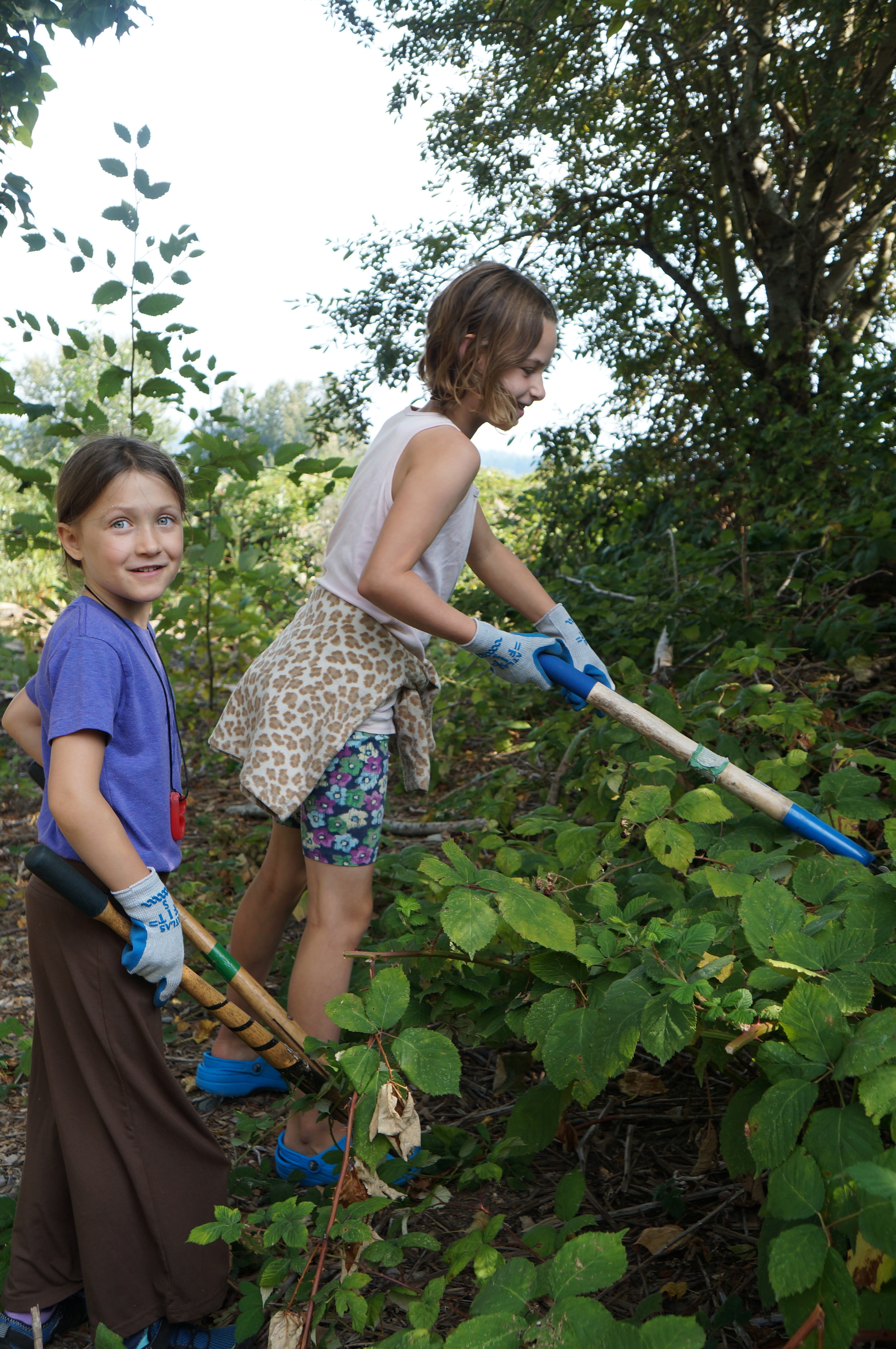
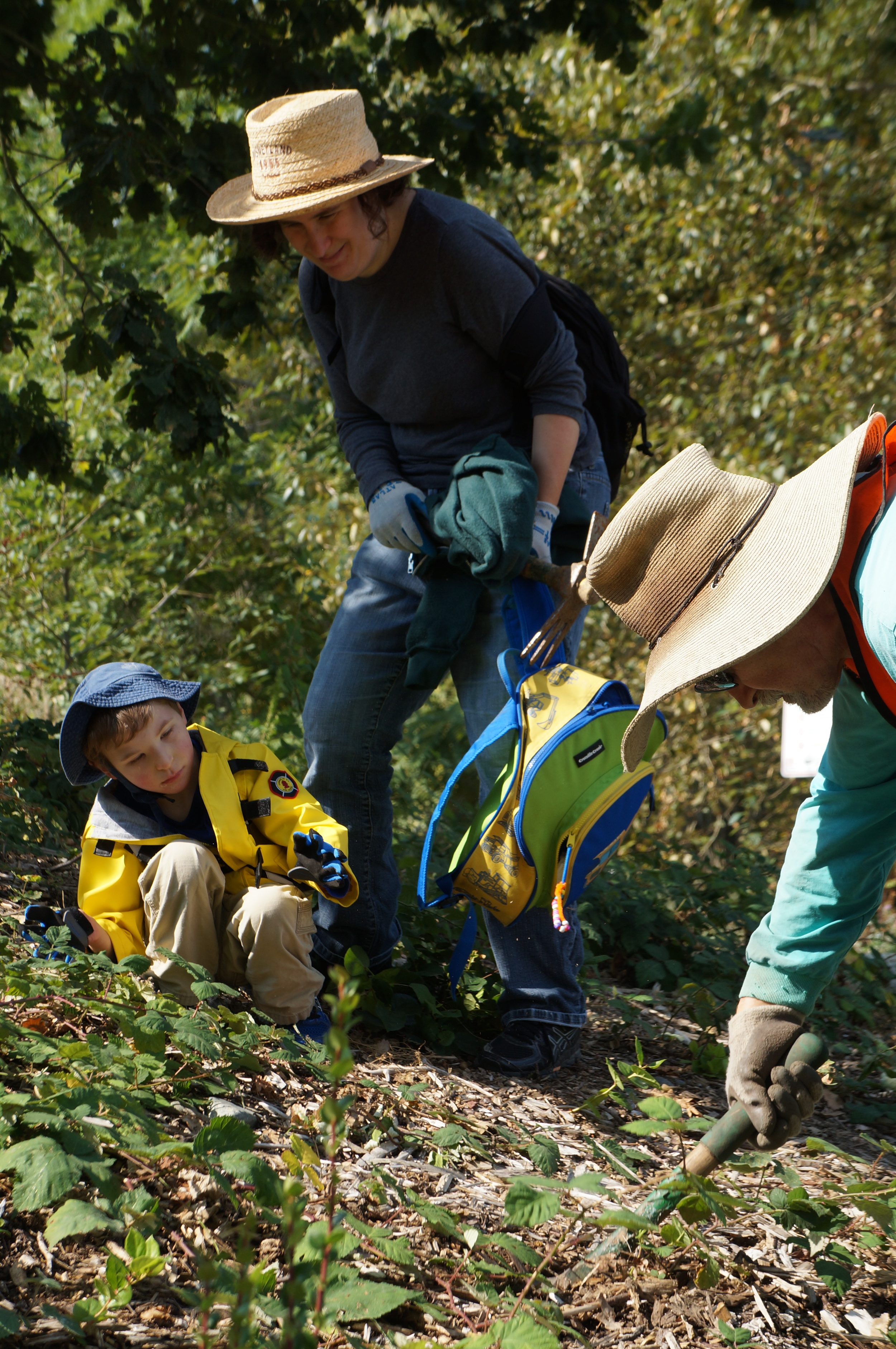
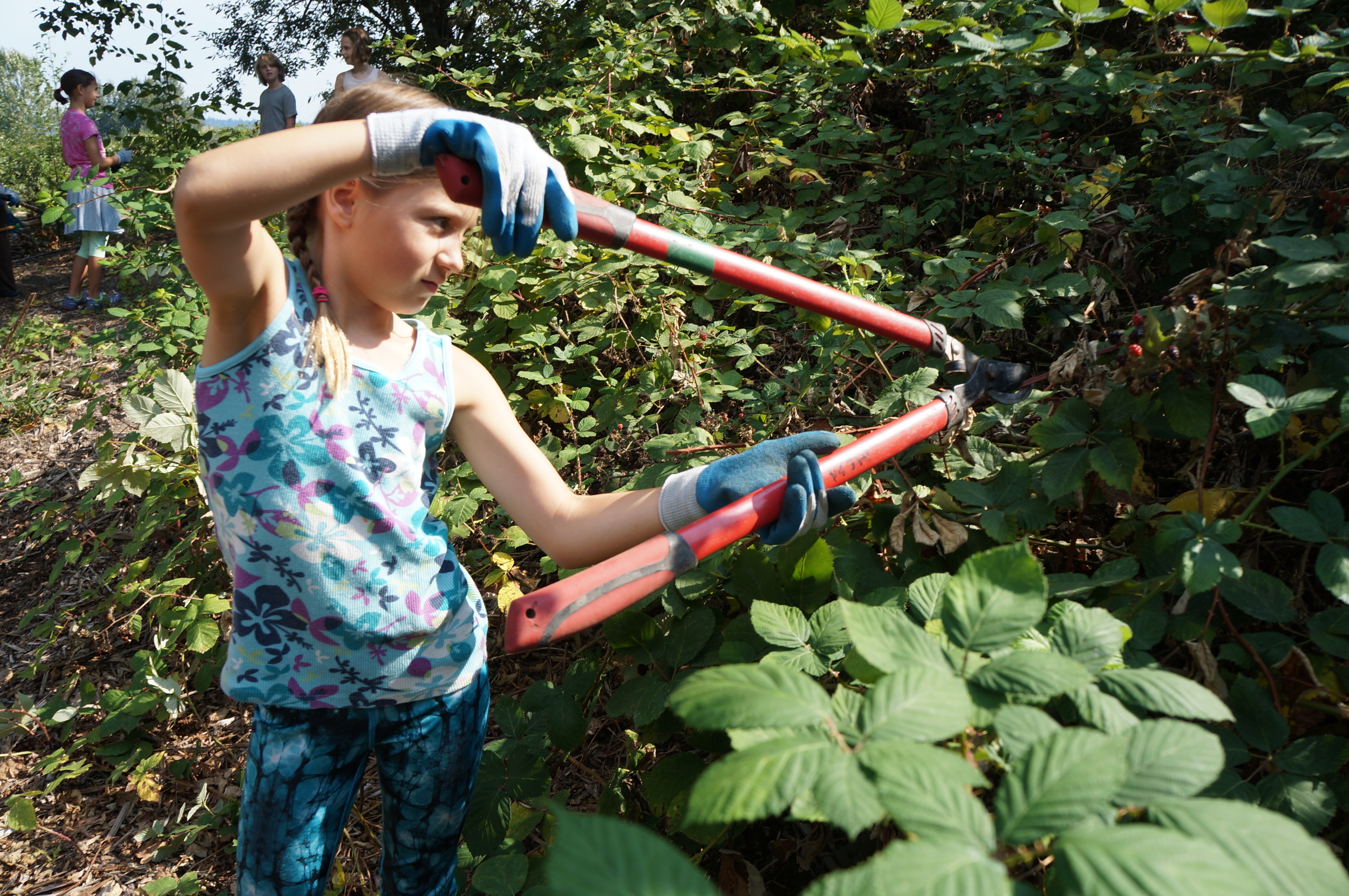
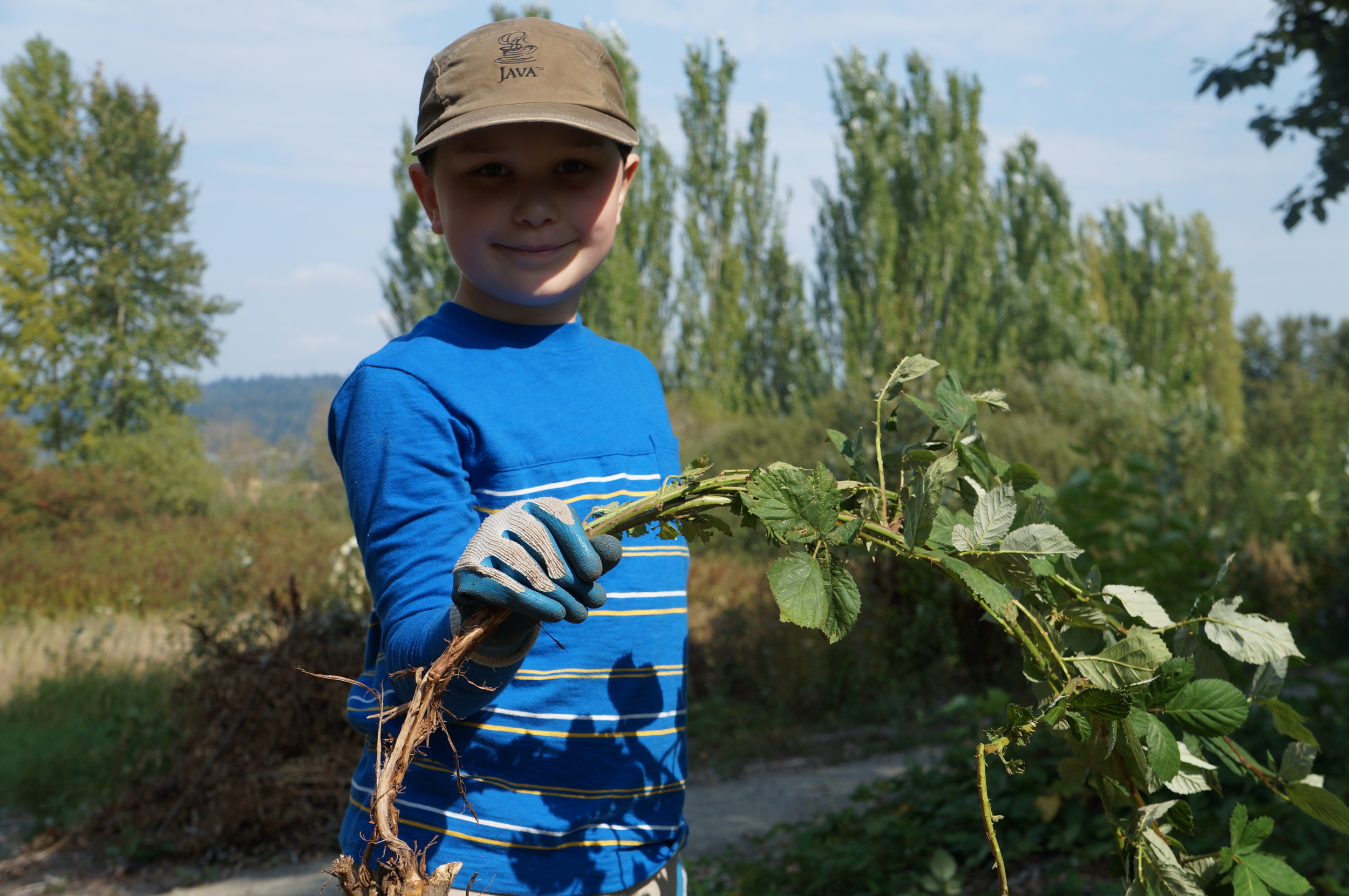
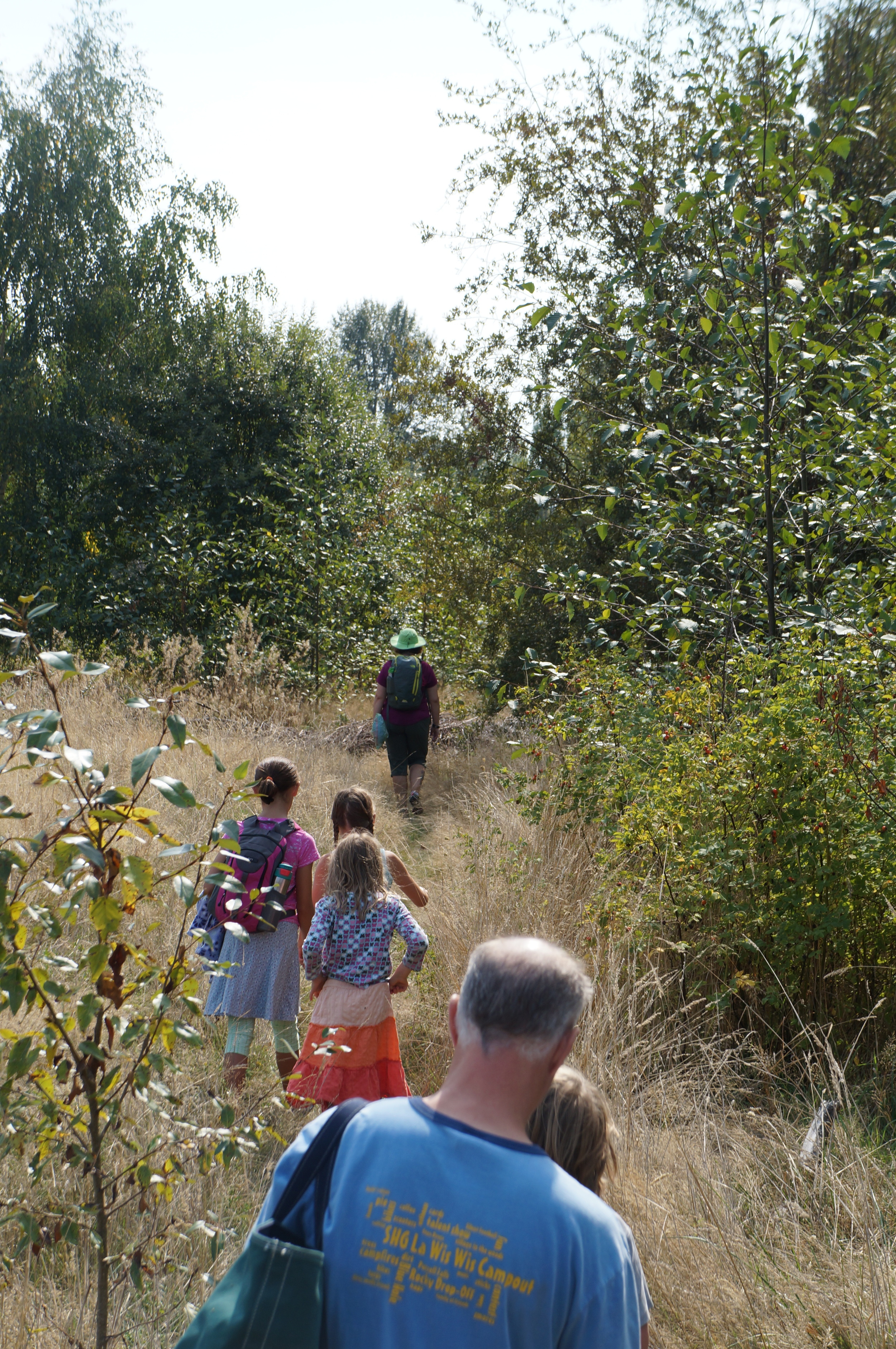
Squad worked with the Green Seattle Partnership in maintaing a wetland & buffer area at historic Magnuson Park.  Our Forest Steward, Thomas, shared with us that his neighborhood stewardship group has been tending the park for 18ys.  That was back when the City got serious about redeveloping the former naval base, their group advocated for environmental interests and backed up their opinions with time and labor.  We now can all benefit from a wide trail network and revitalized native habitats, amid the military relics.
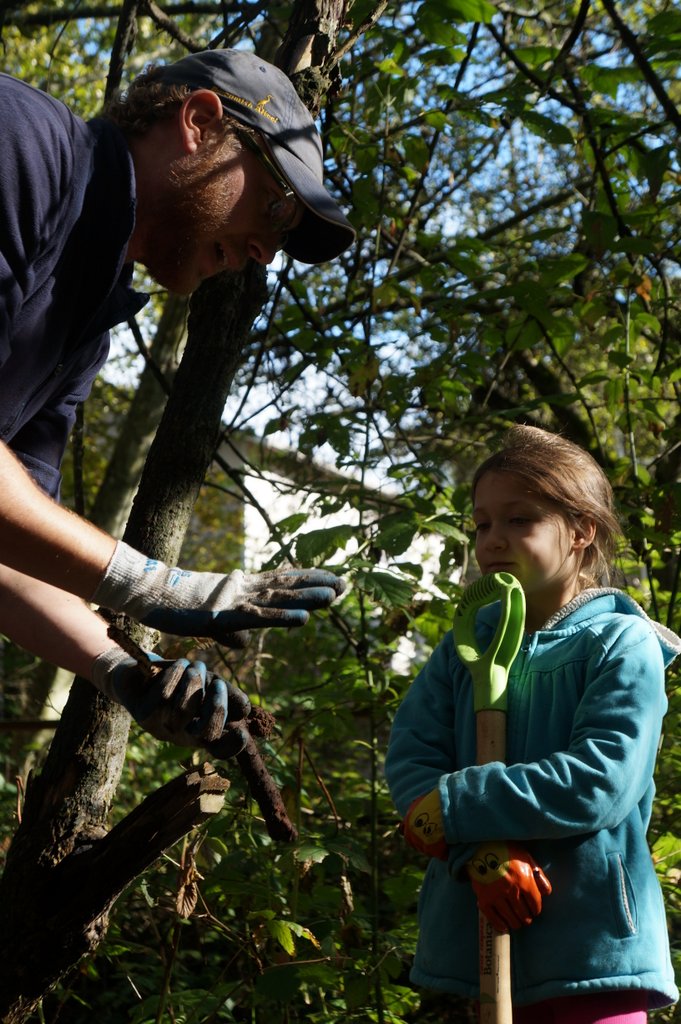
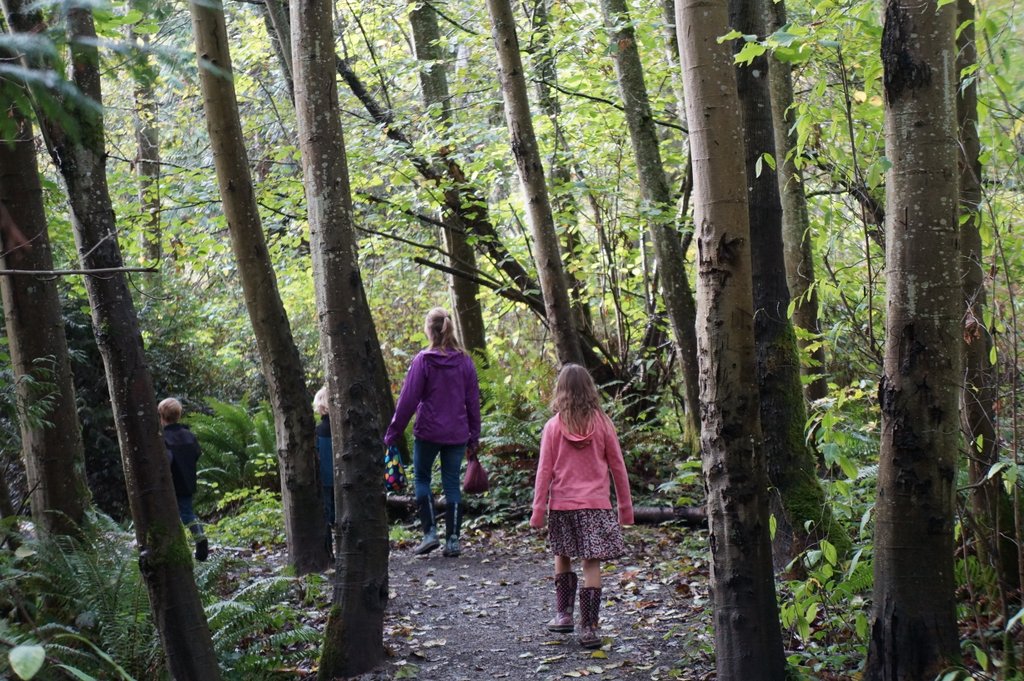
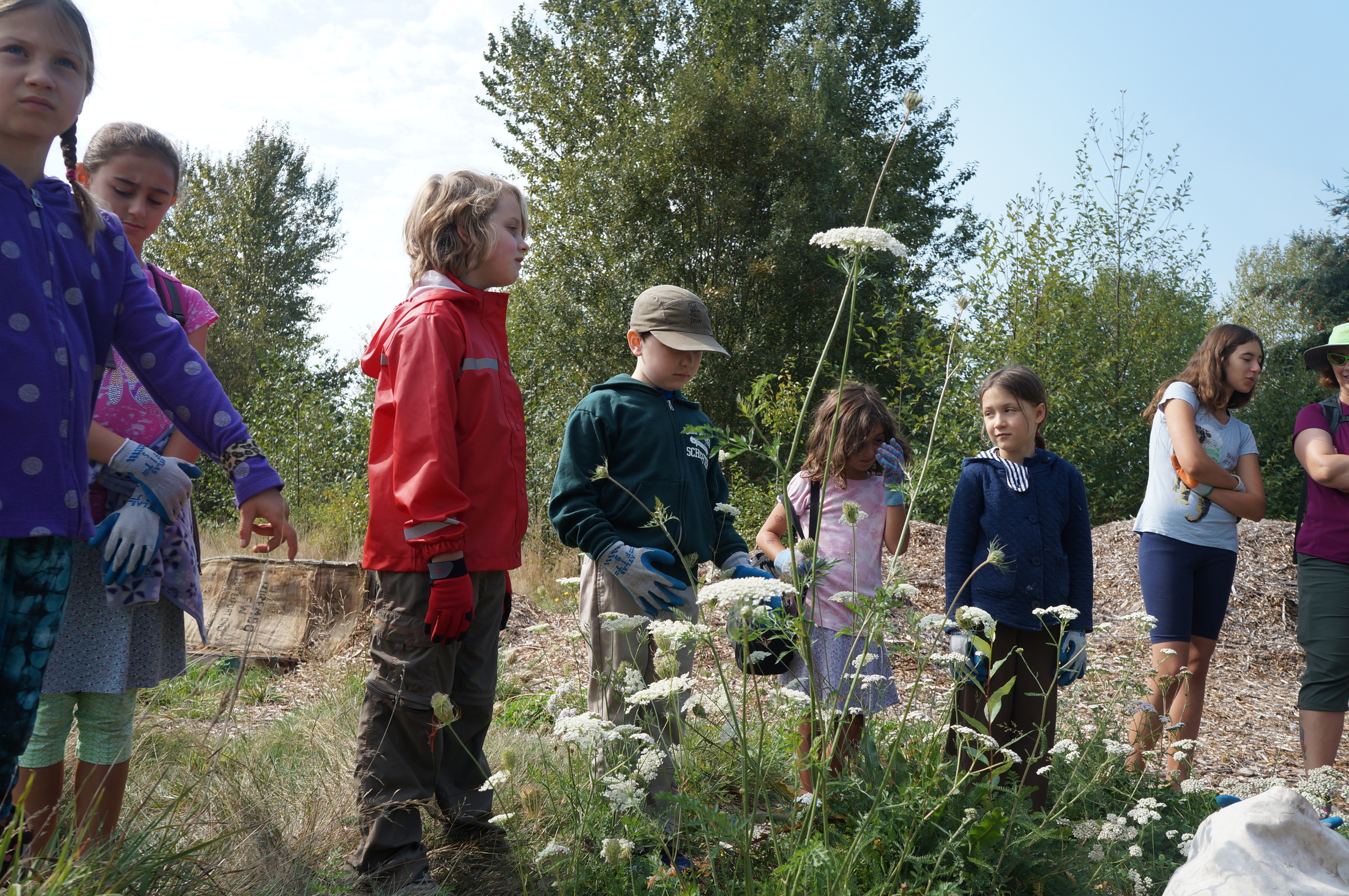
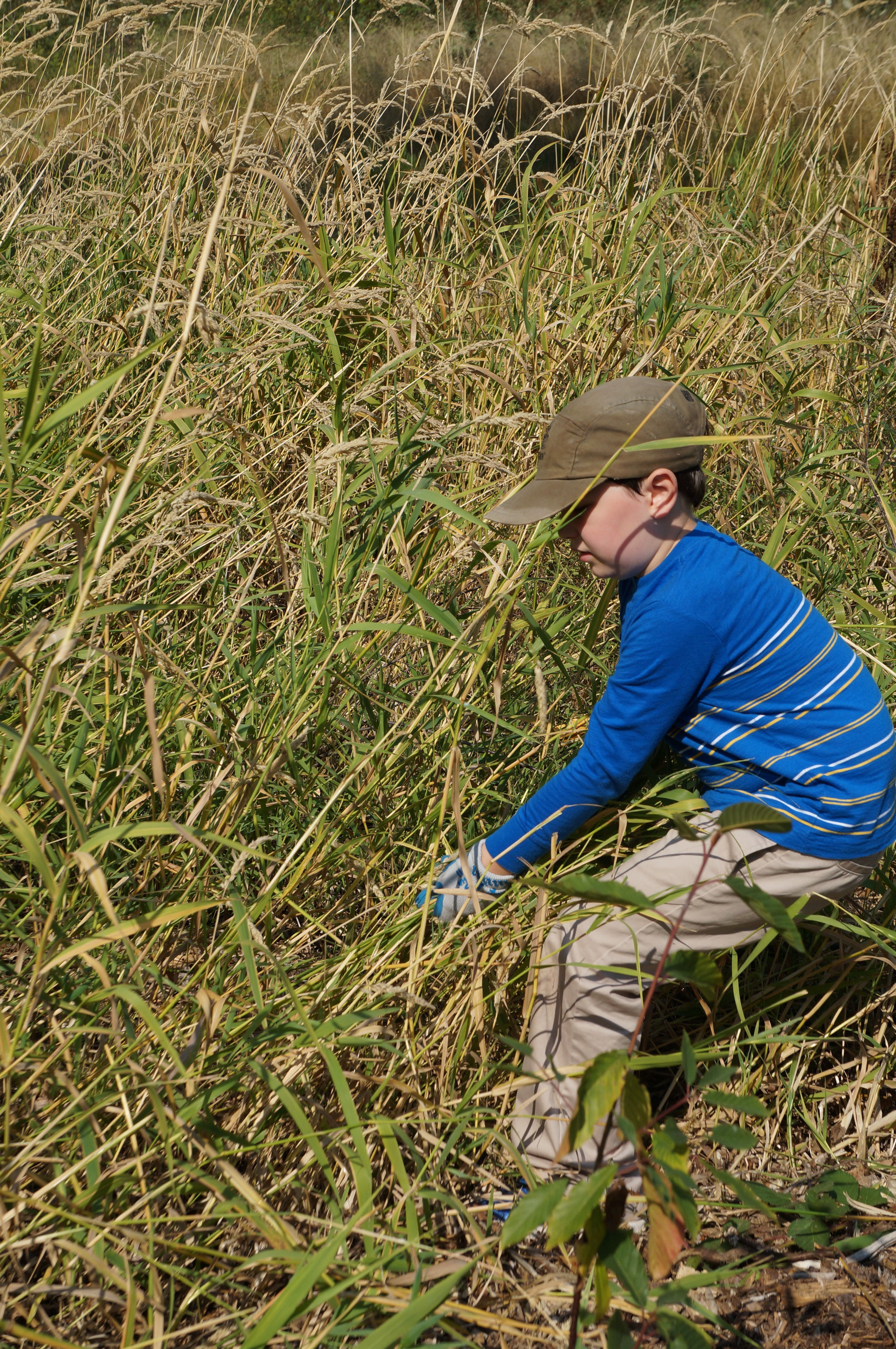
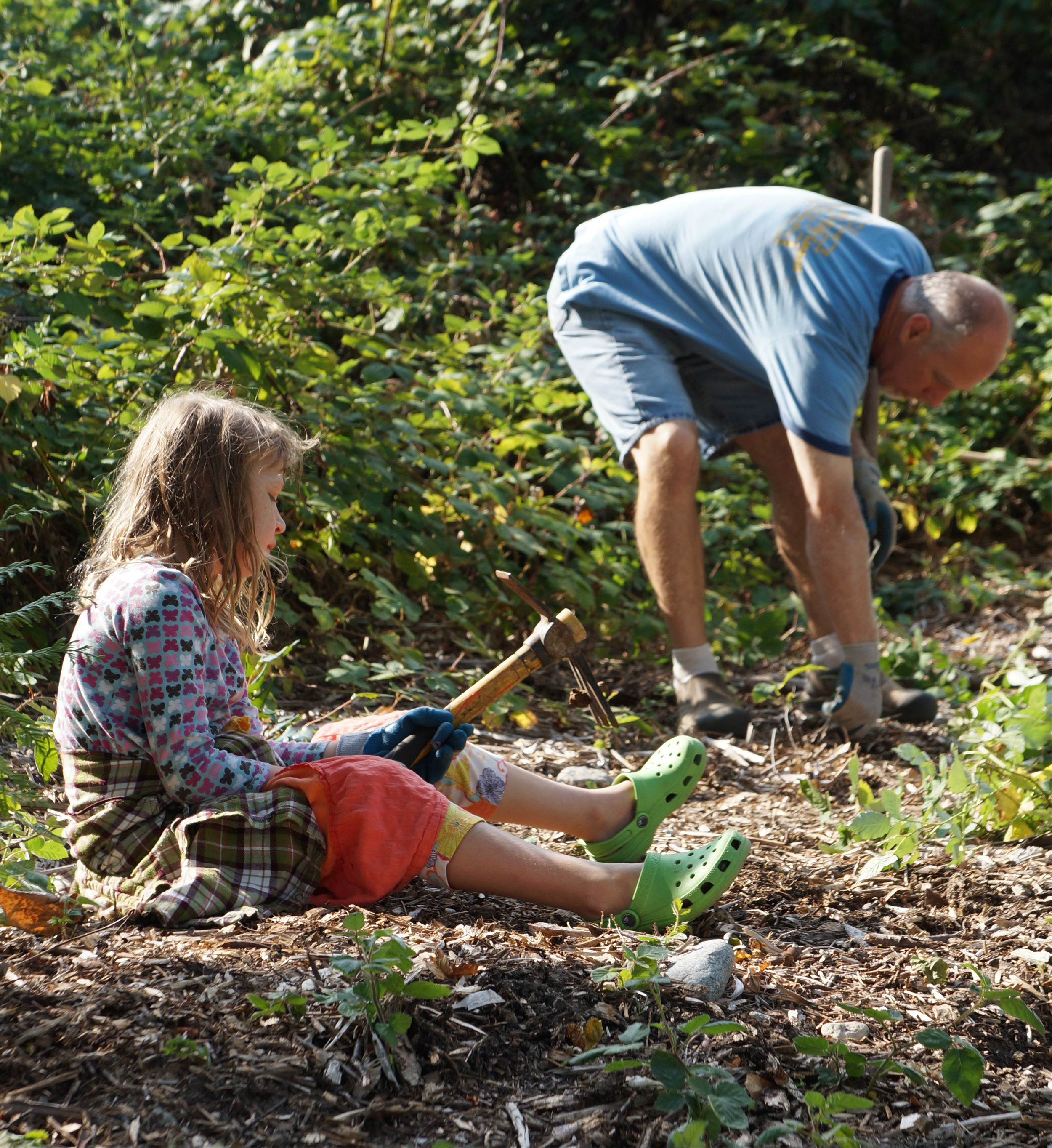
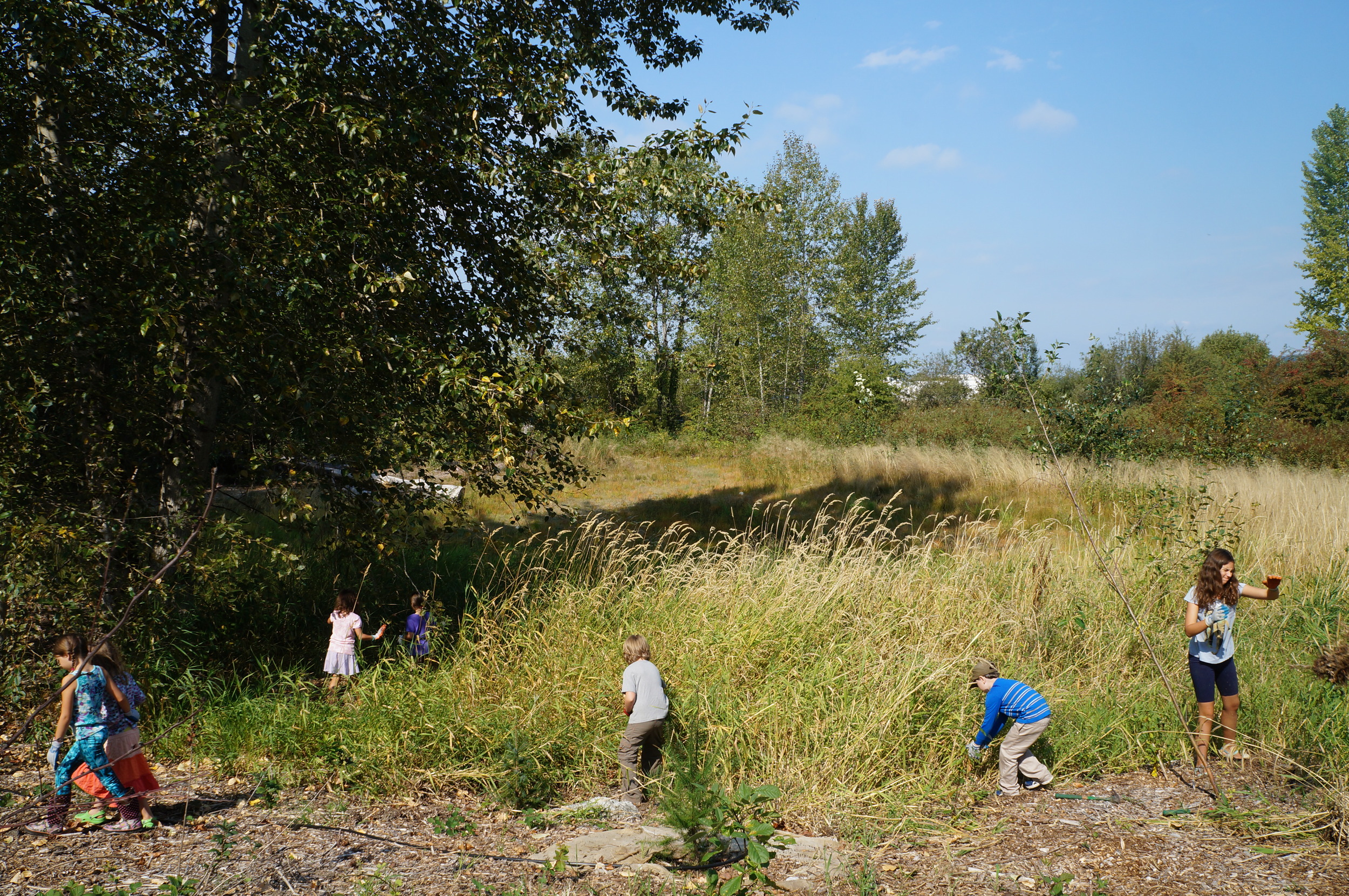
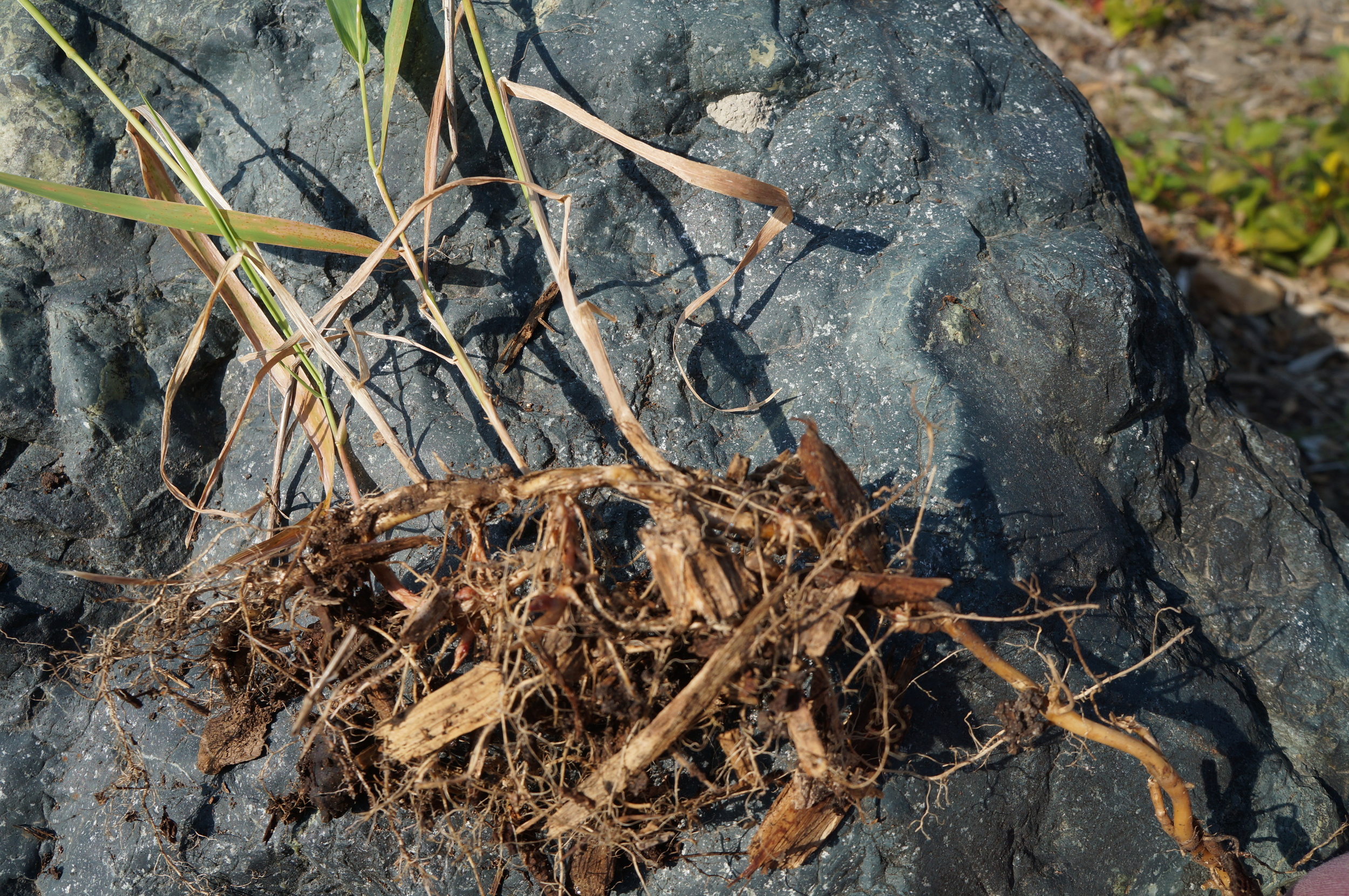
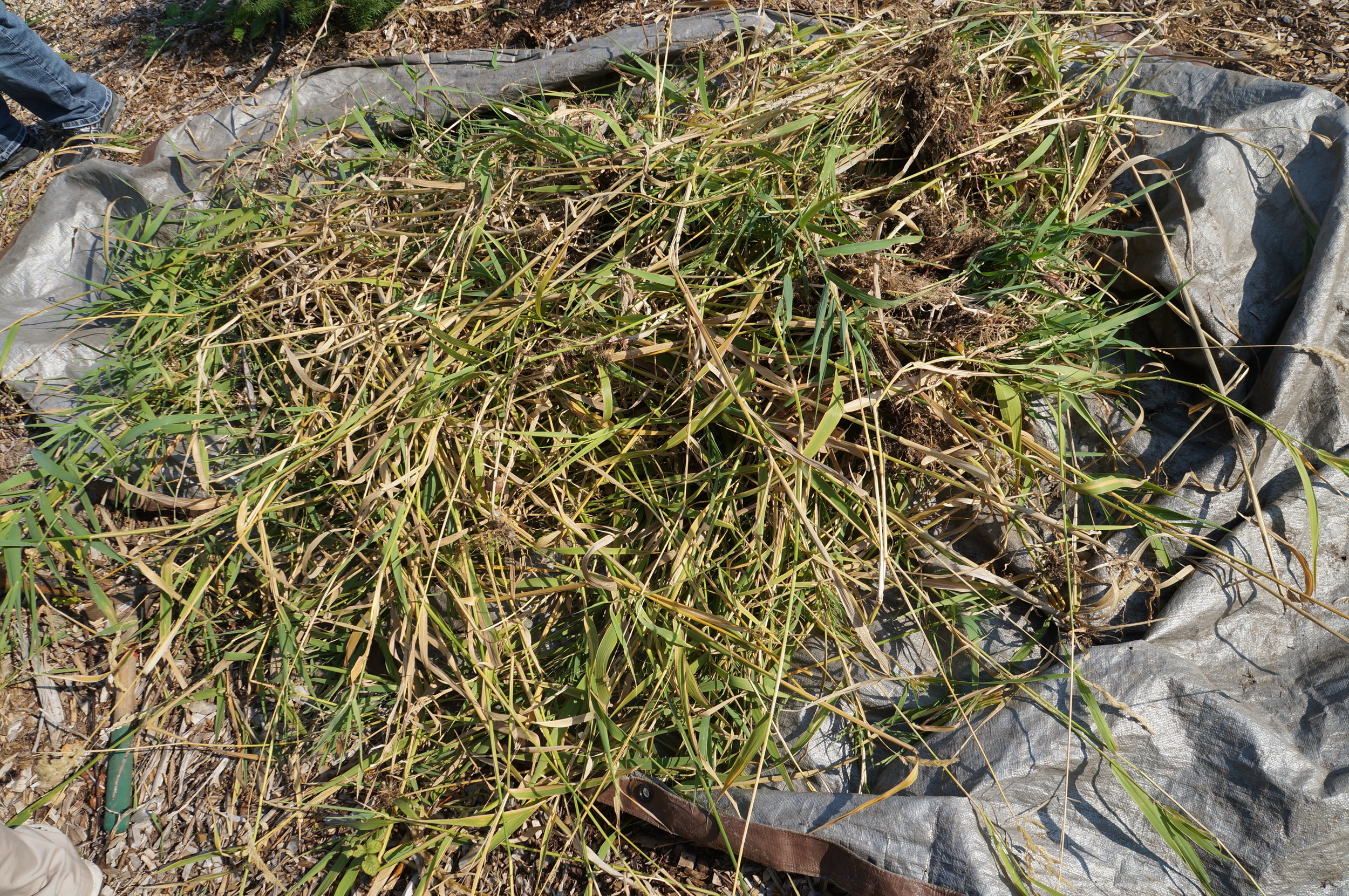
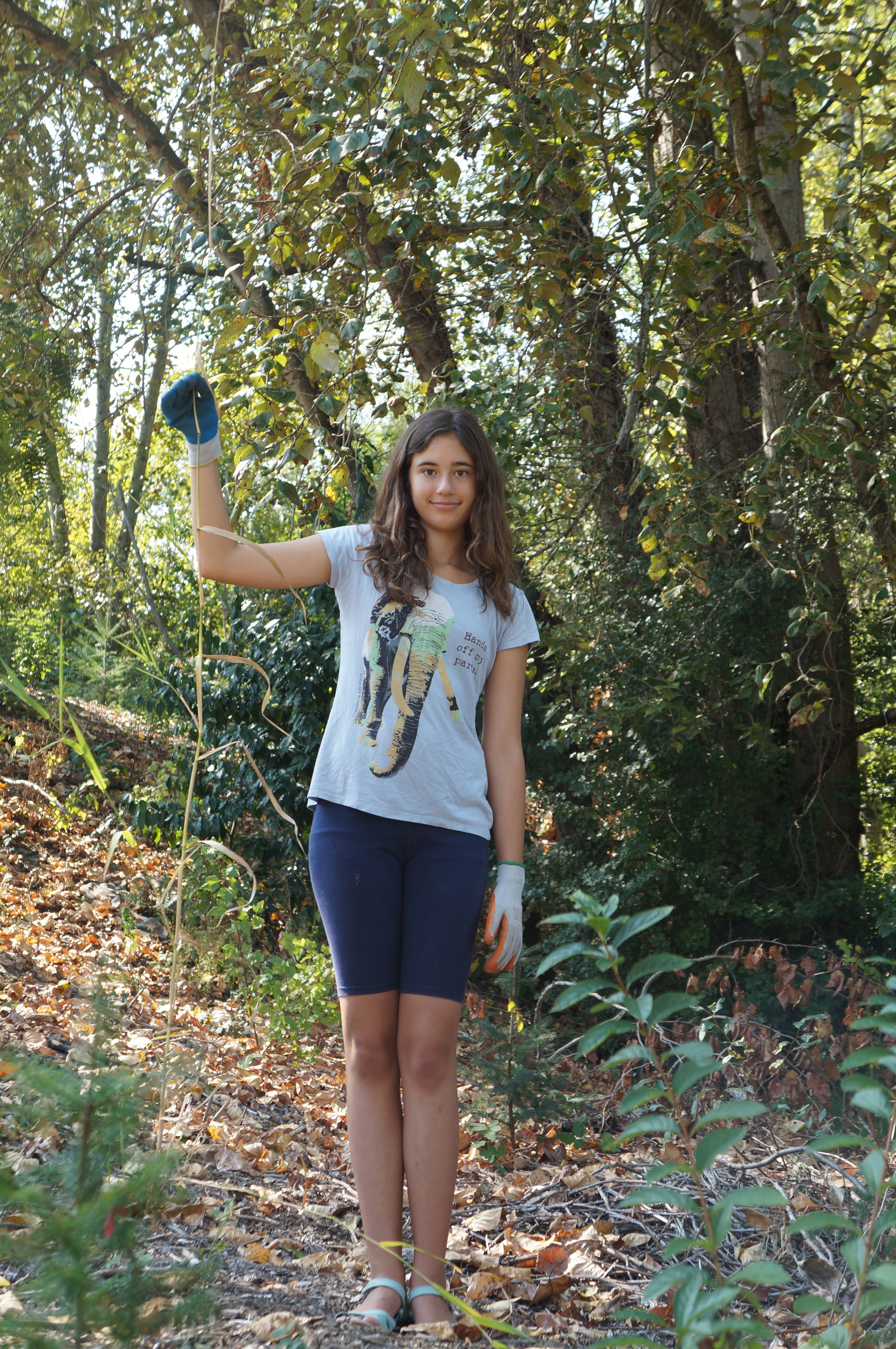
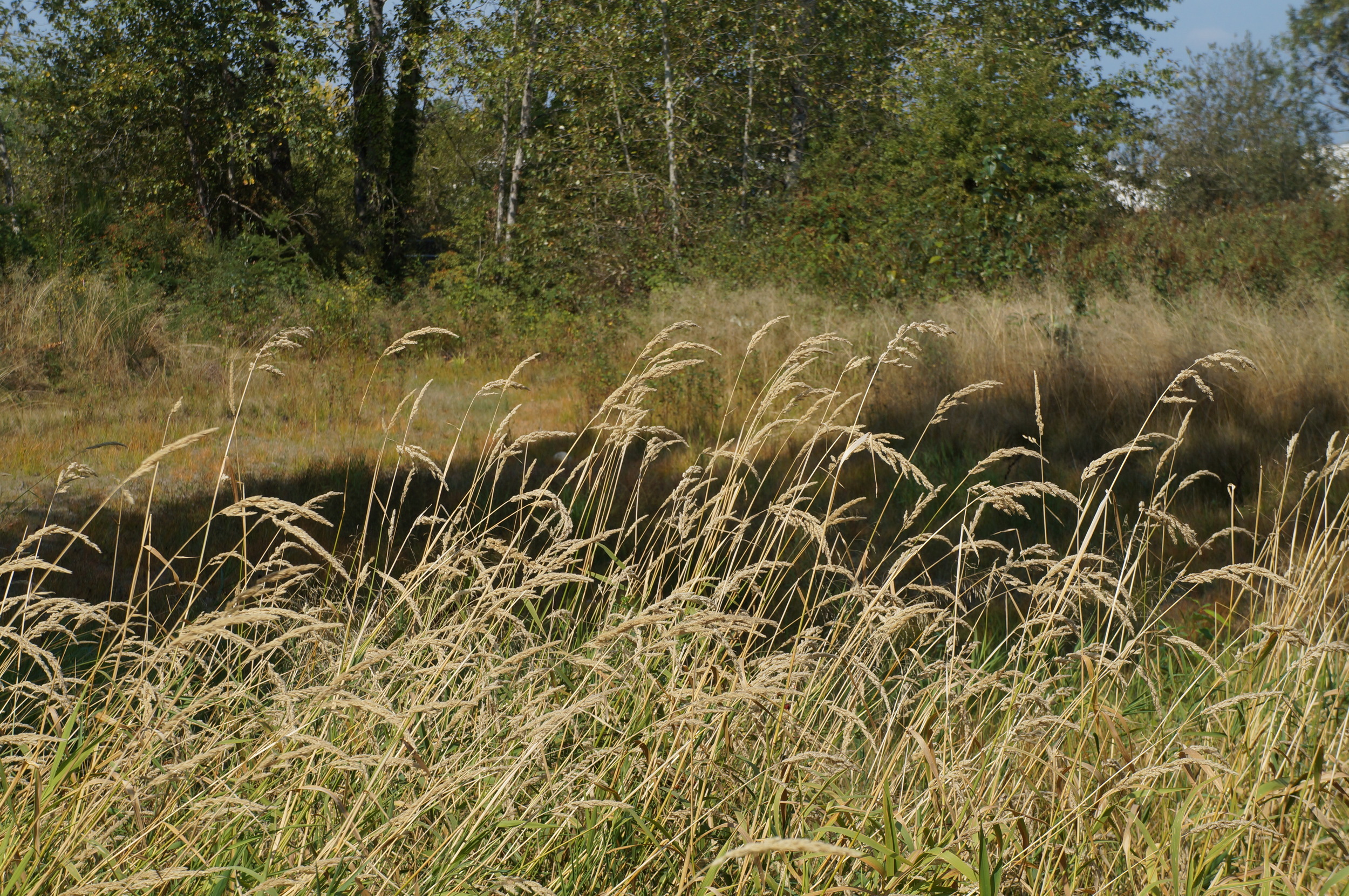
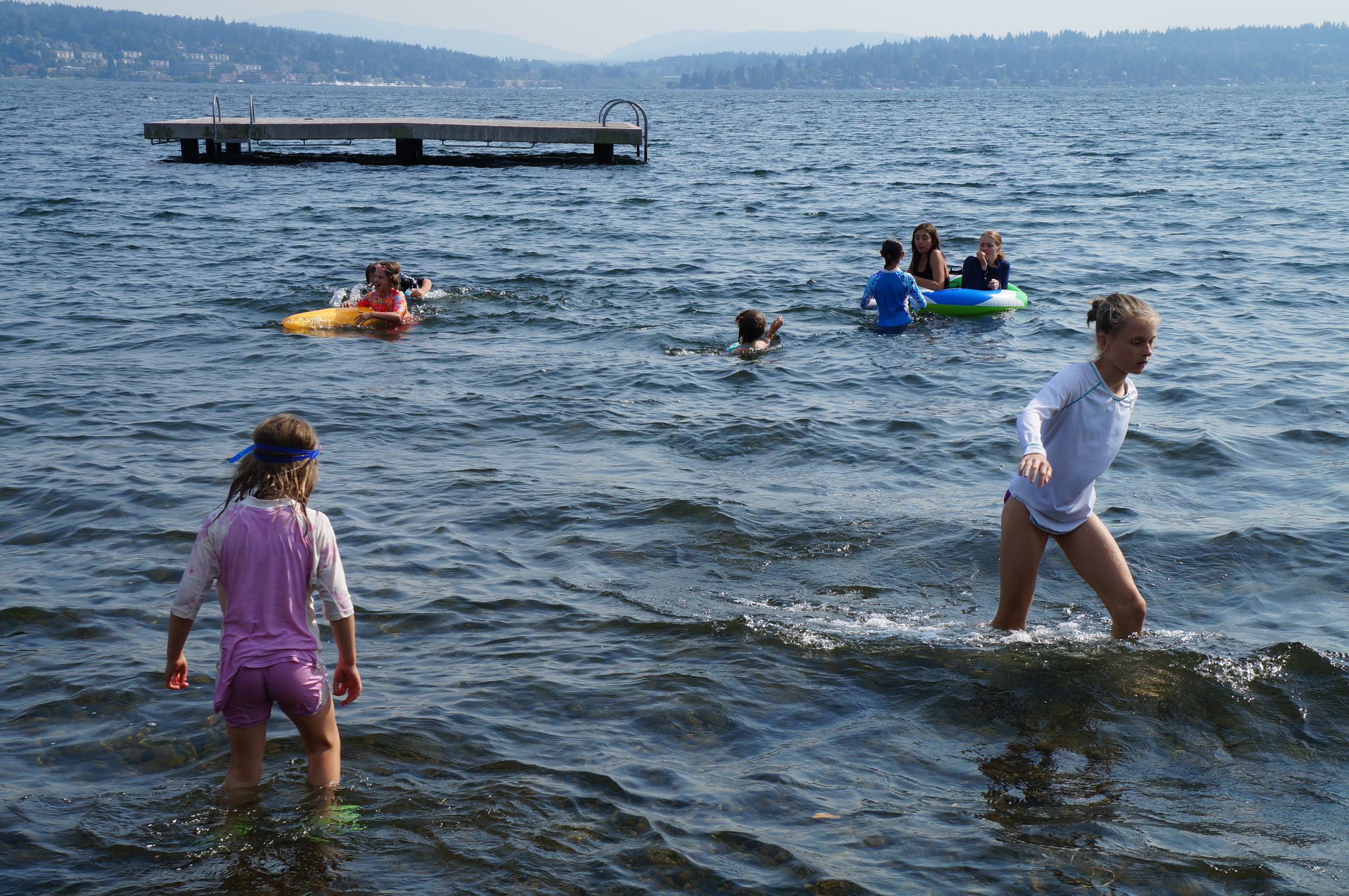
We have removed blackberry countless times, but this was our first pulling out noxious reed canary grass / Phalaris arundinacea from a wetland.  We also enjoyed a large paper-wasp nest and of course swimming in the lake!


New parkland on Squak Mtn. Creating & destroying a trail. Plus hardhat watering!

King County acquired an interesting piece of property on Squak Mountain recently.  The 226 acres are adjacent to Squak Mountain State Park and Cougar Mountain Regional Wildland Park (King County Parks) is being converted from a privately held trails and RV campground- it even features a lodge, which will be interesting to follow the development of.  The terrific Trust for Public Land is temporarily purchasing the property to halt the logging planned, so that the County can arranged the funds to purchase it.

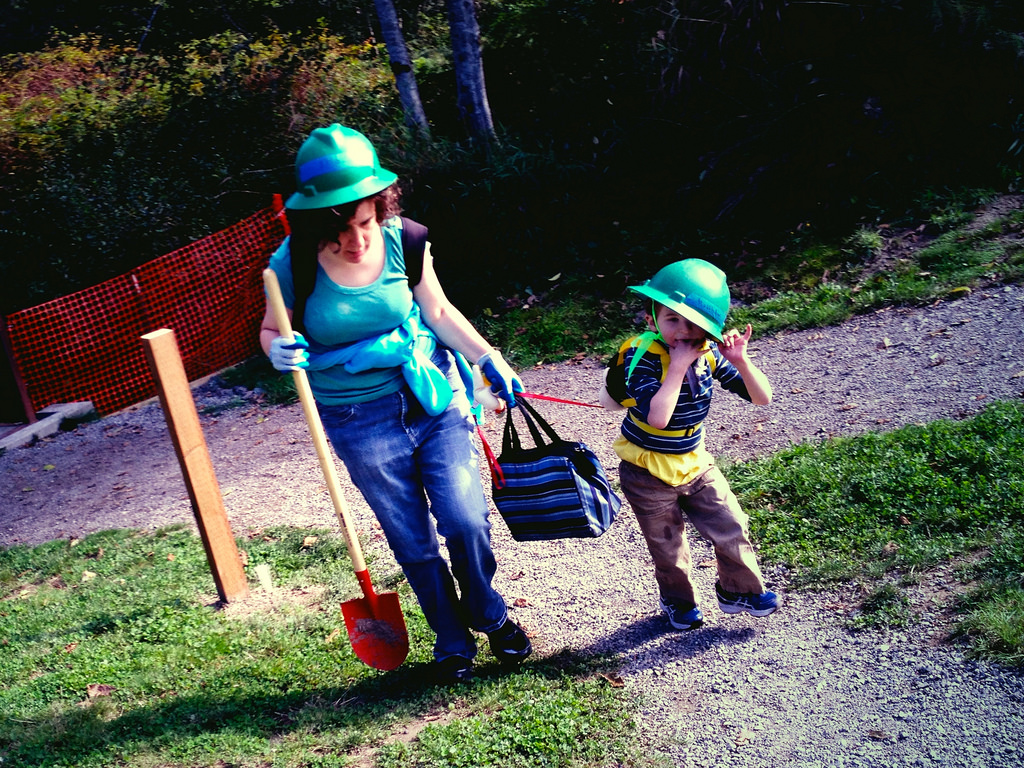
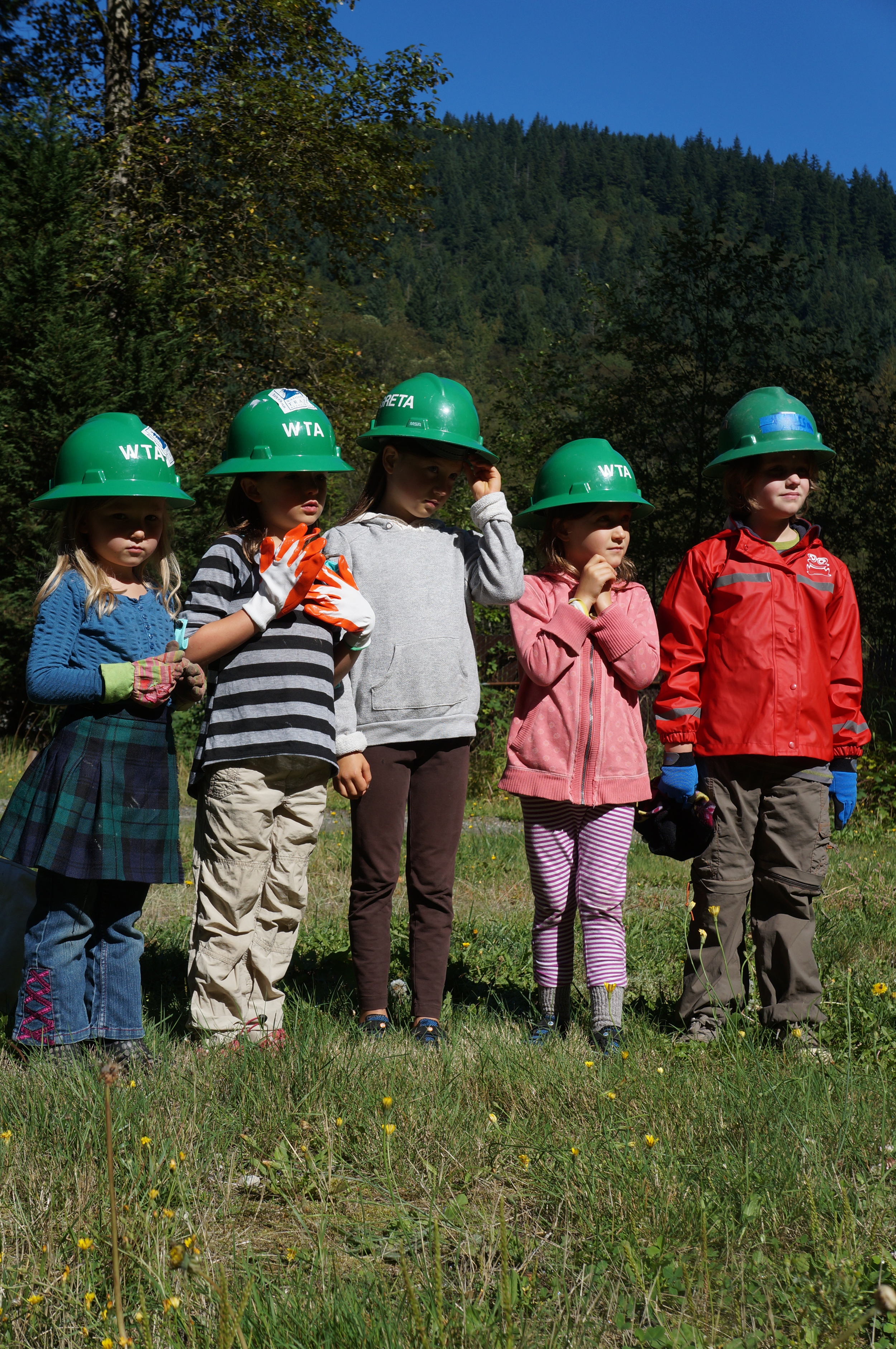
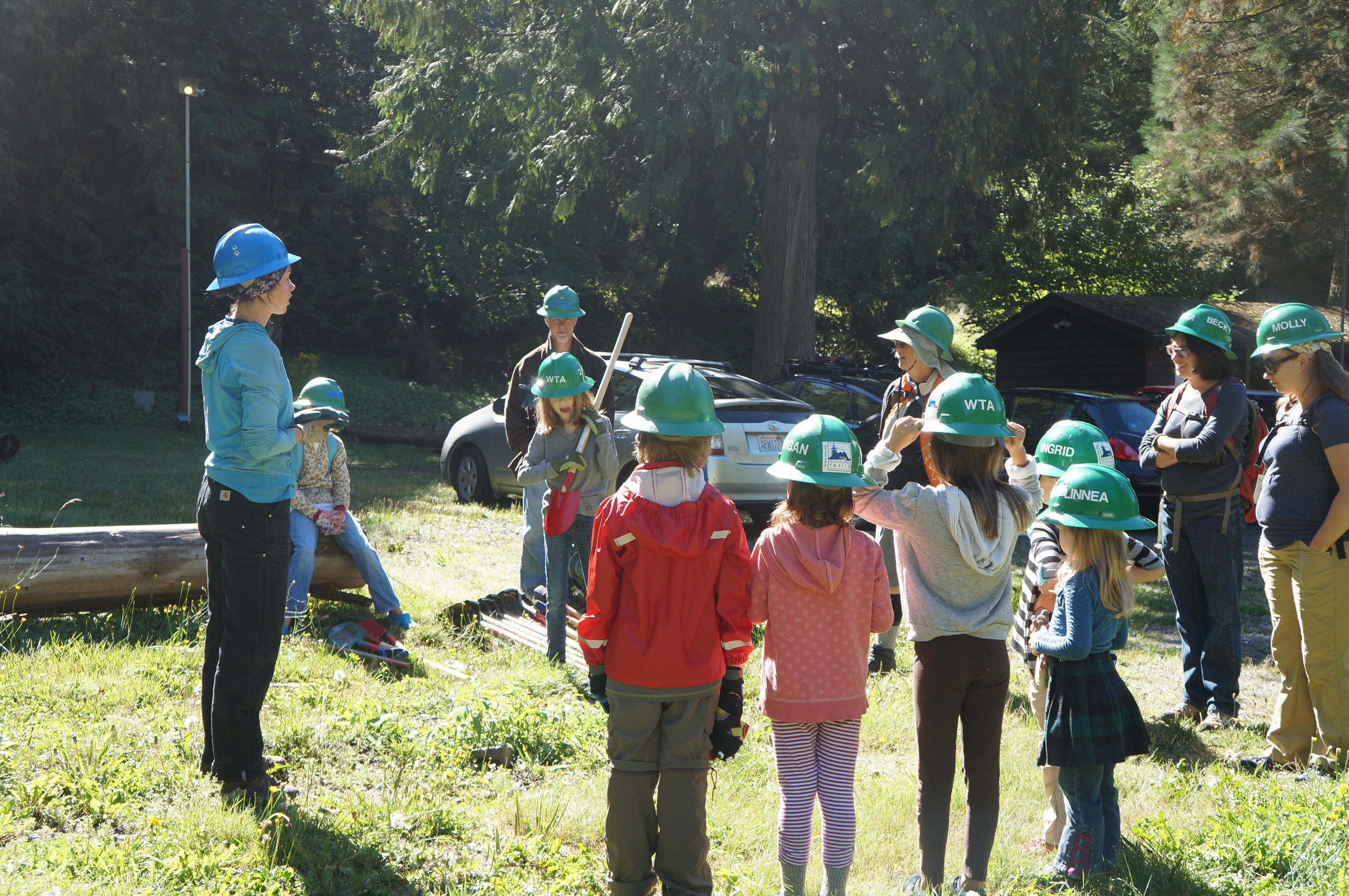
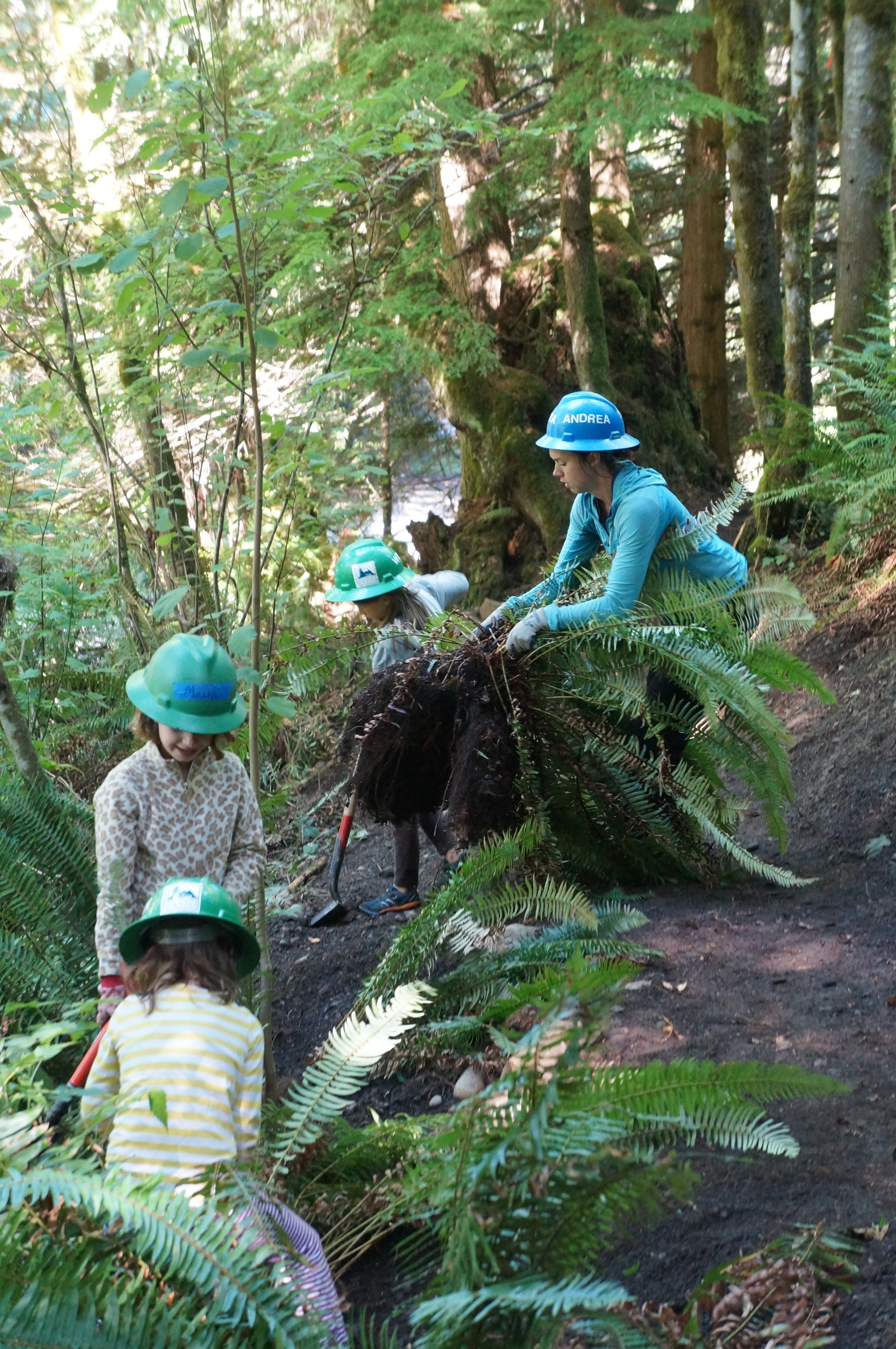
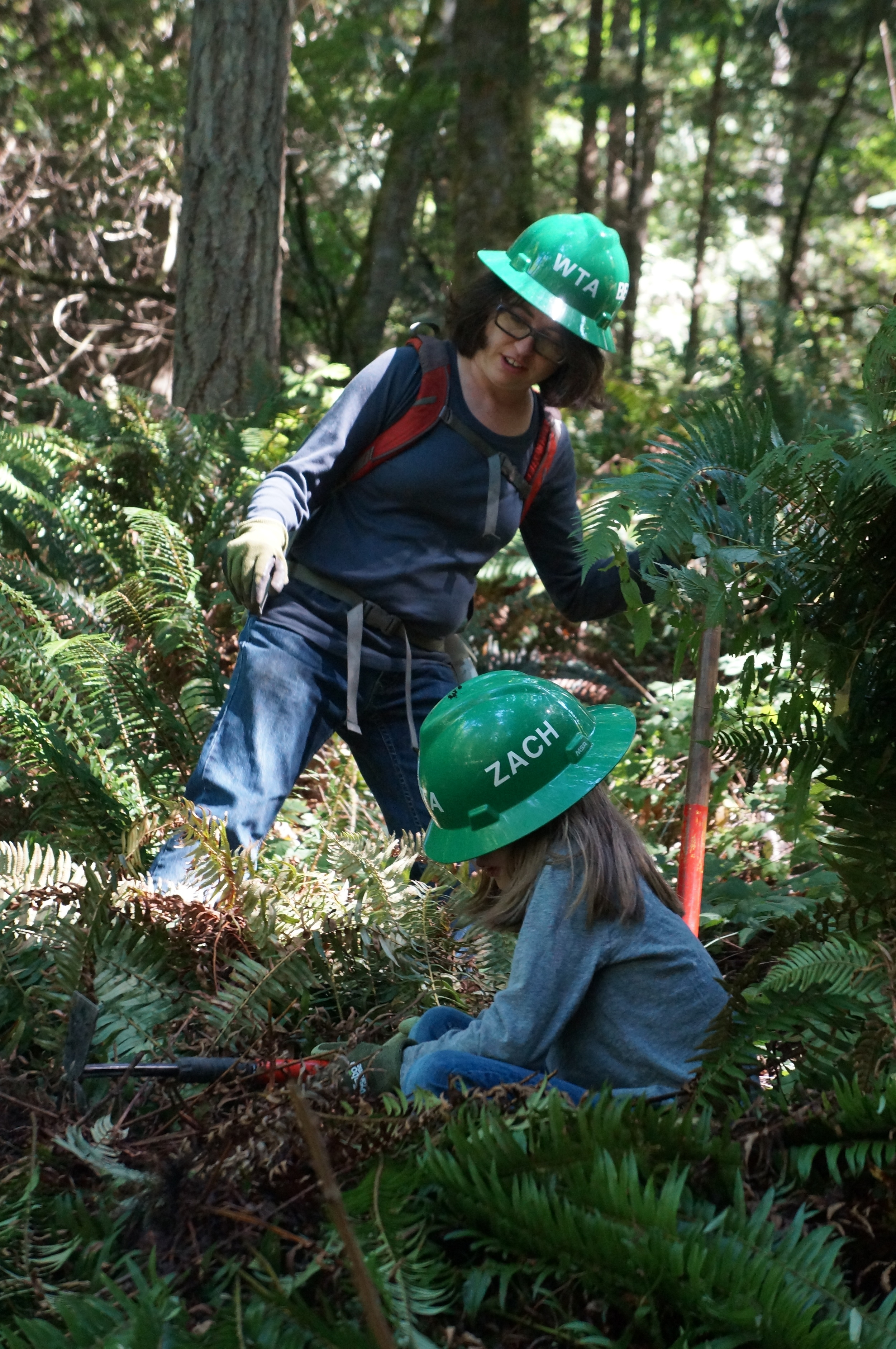
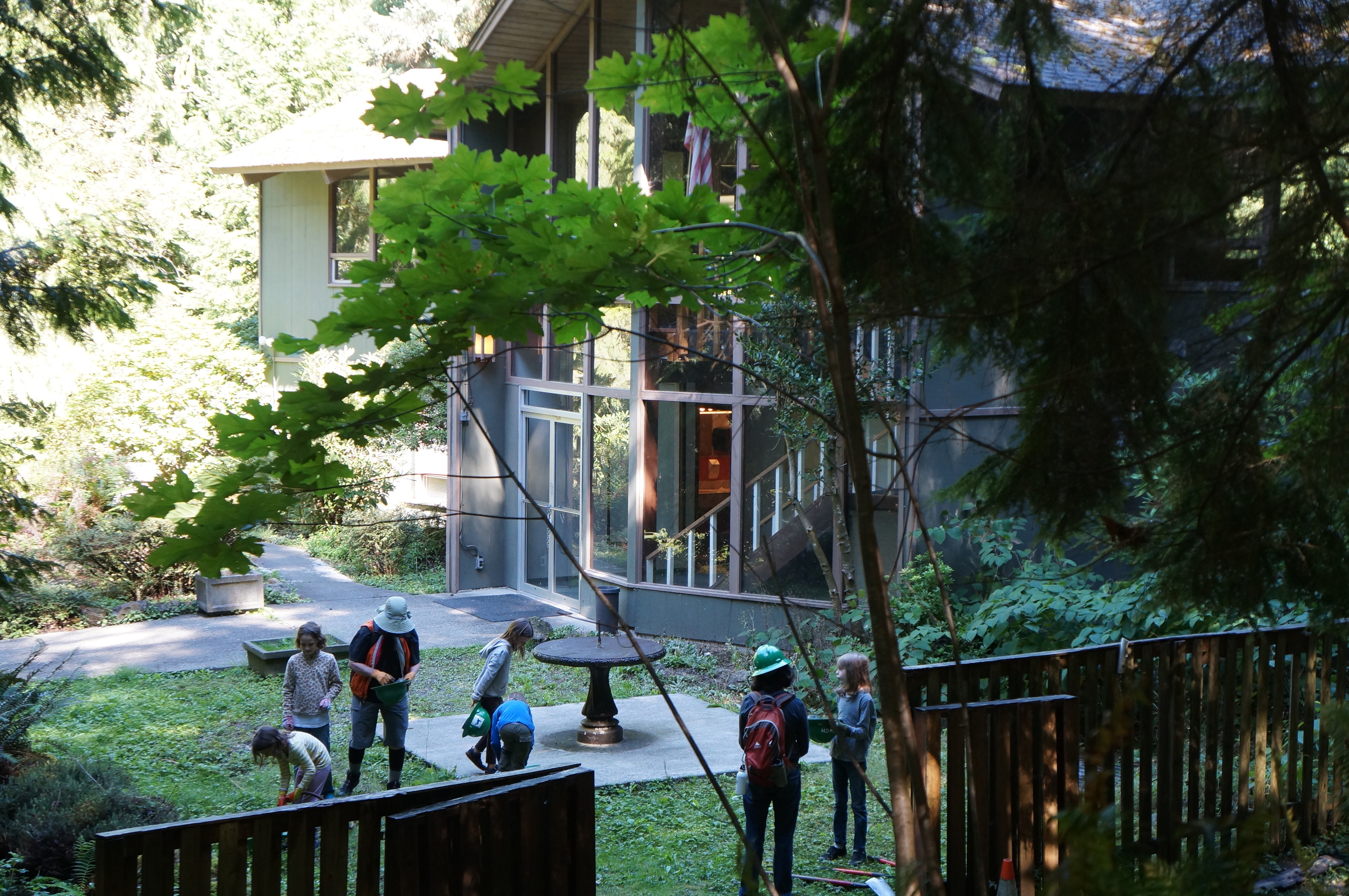
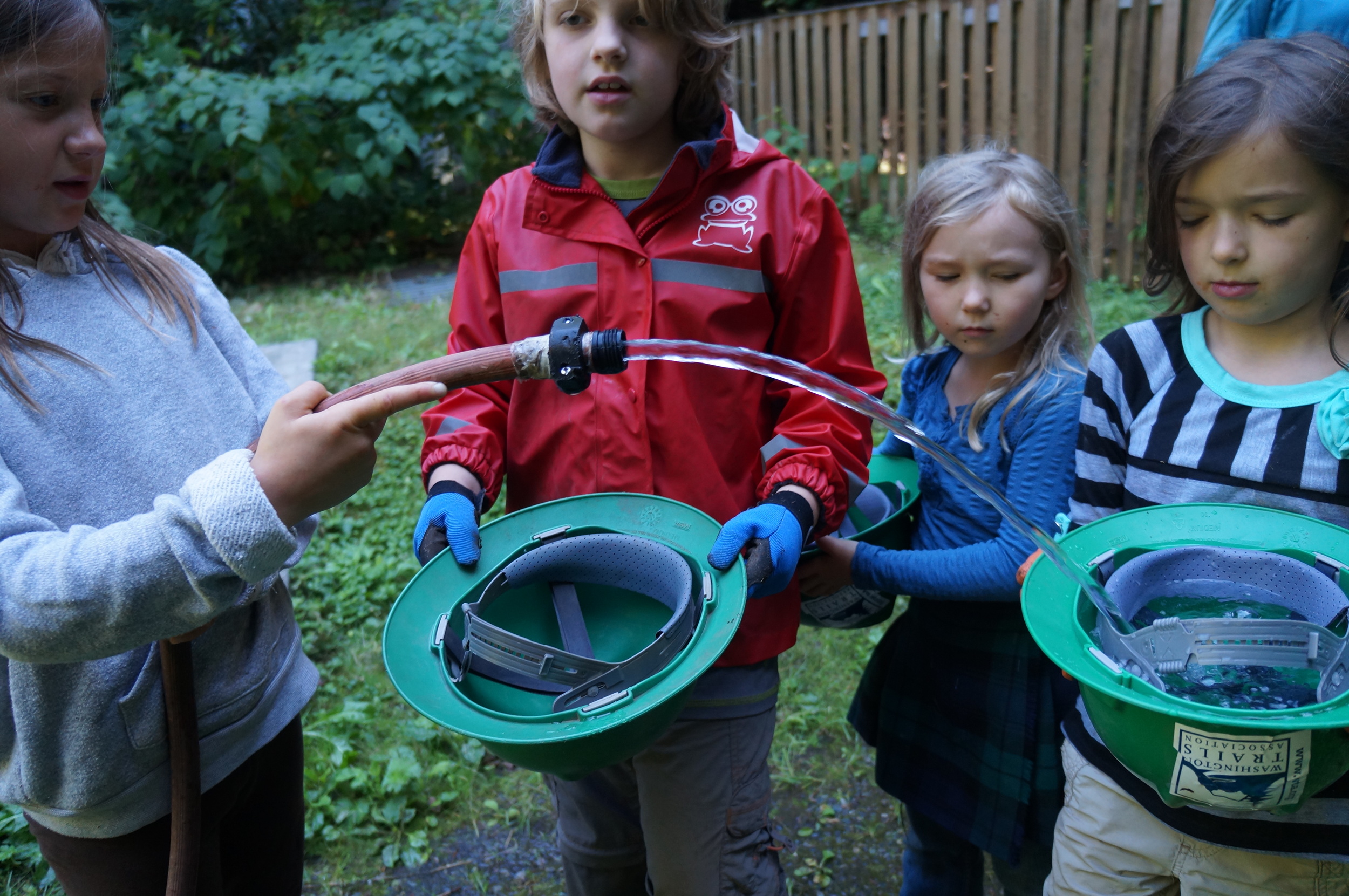
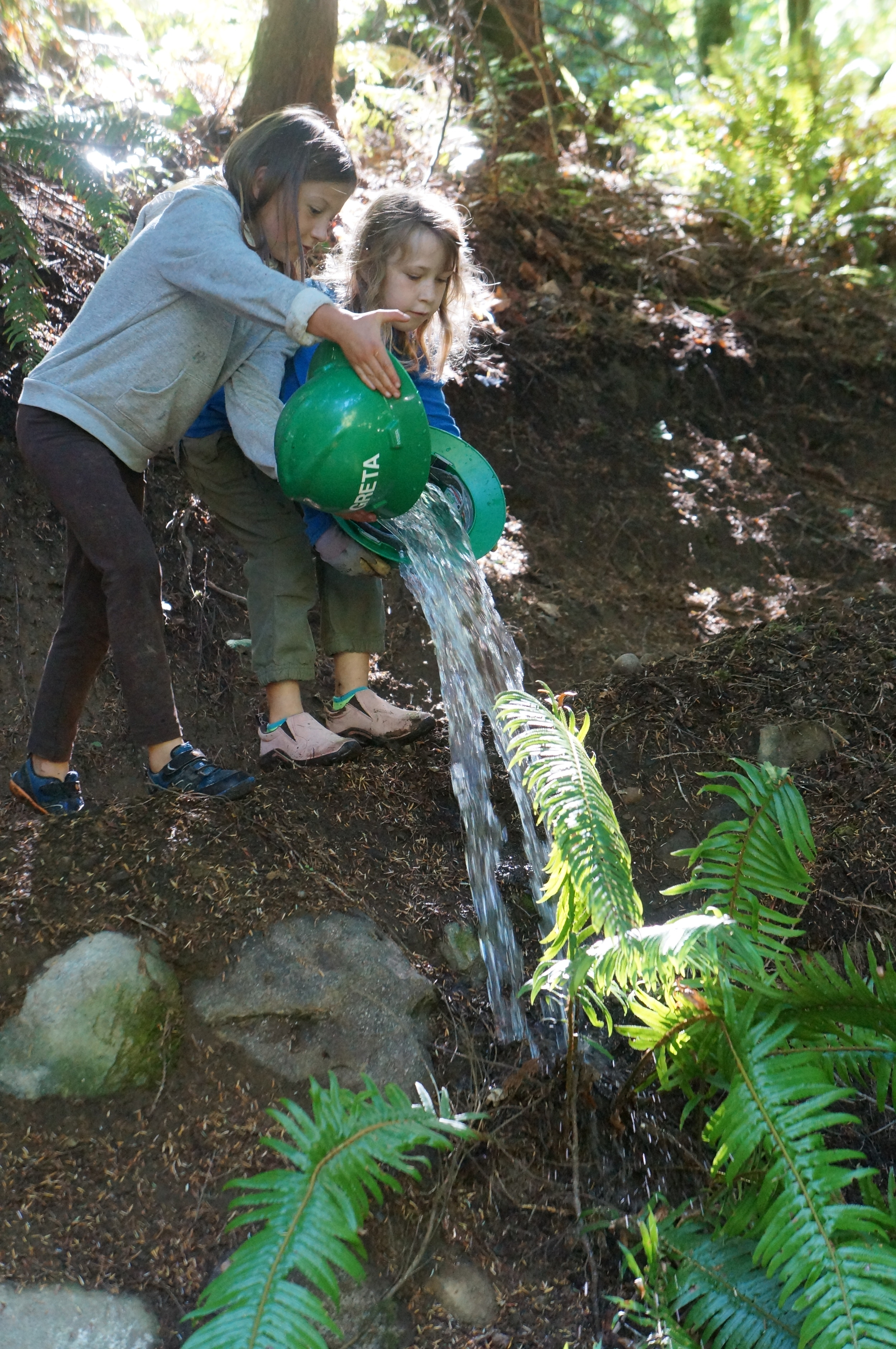
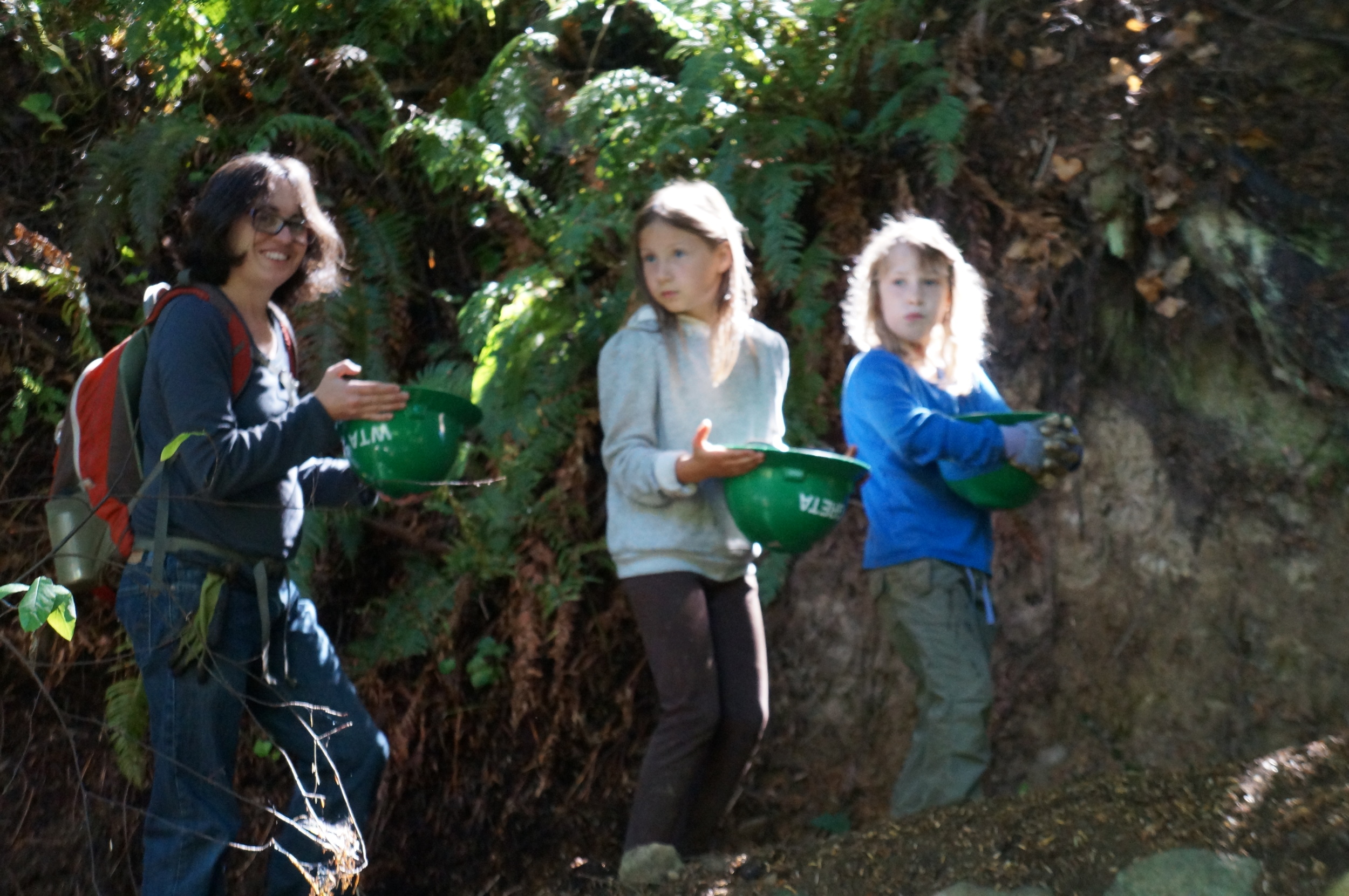
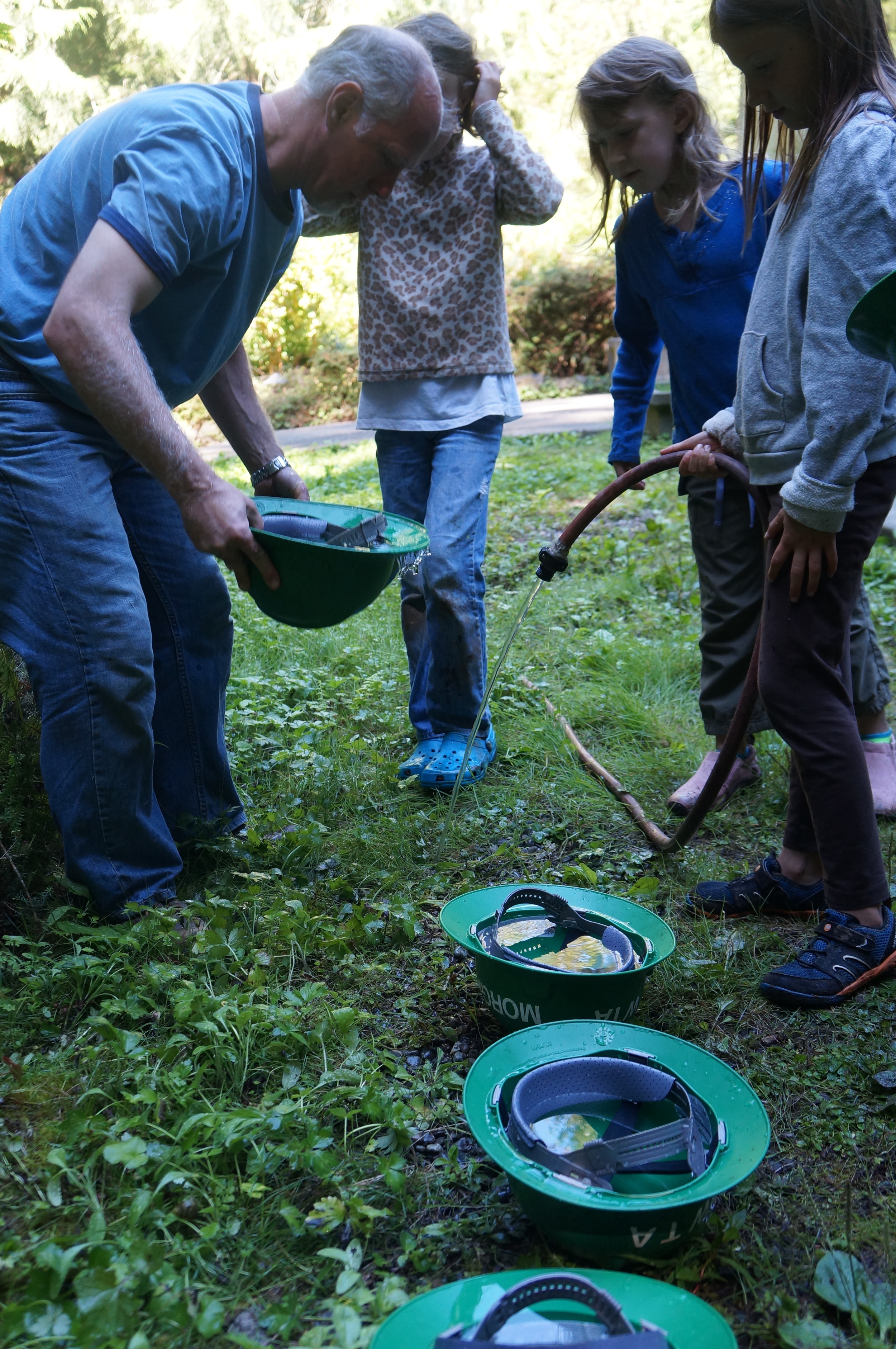
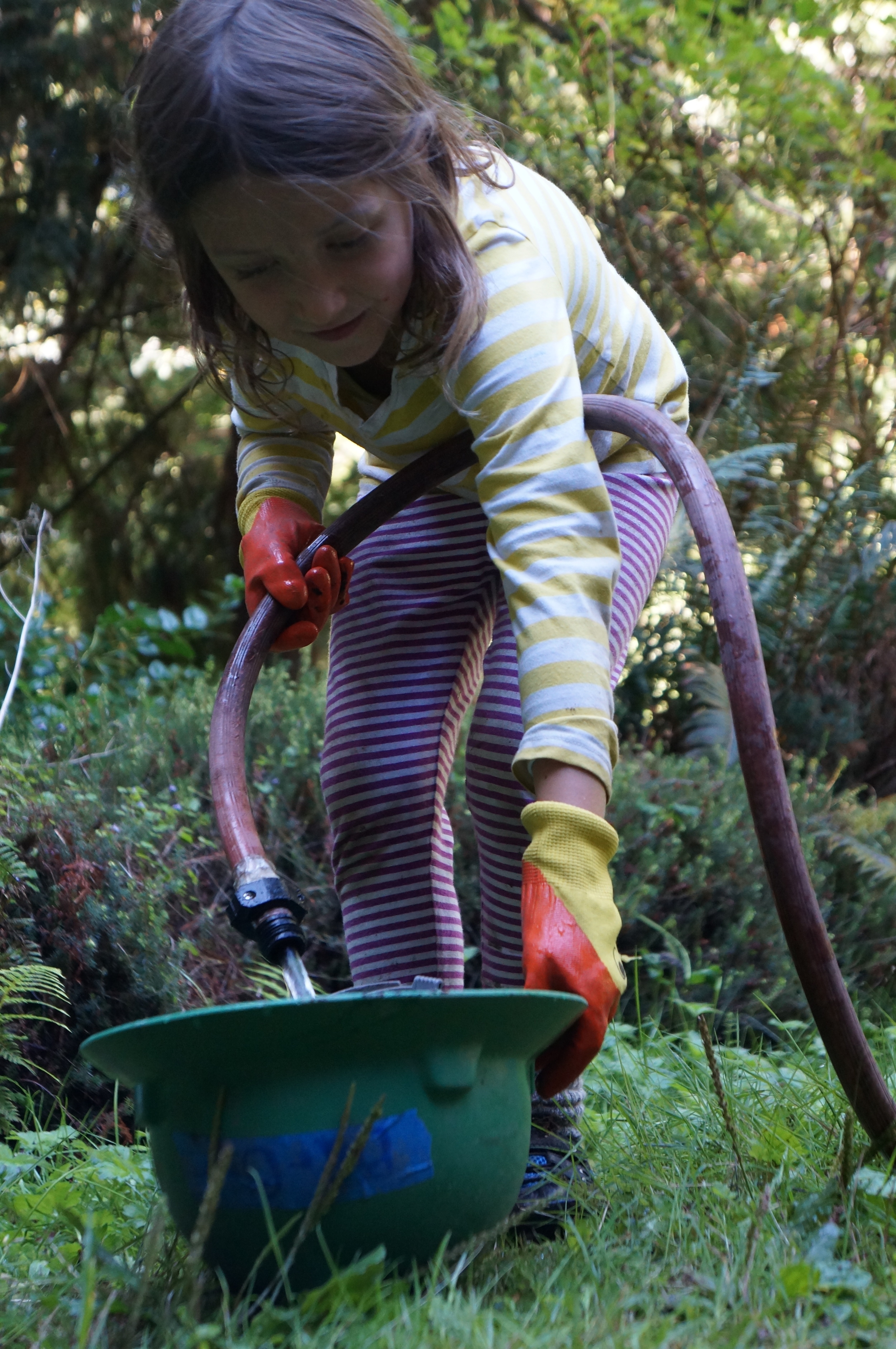
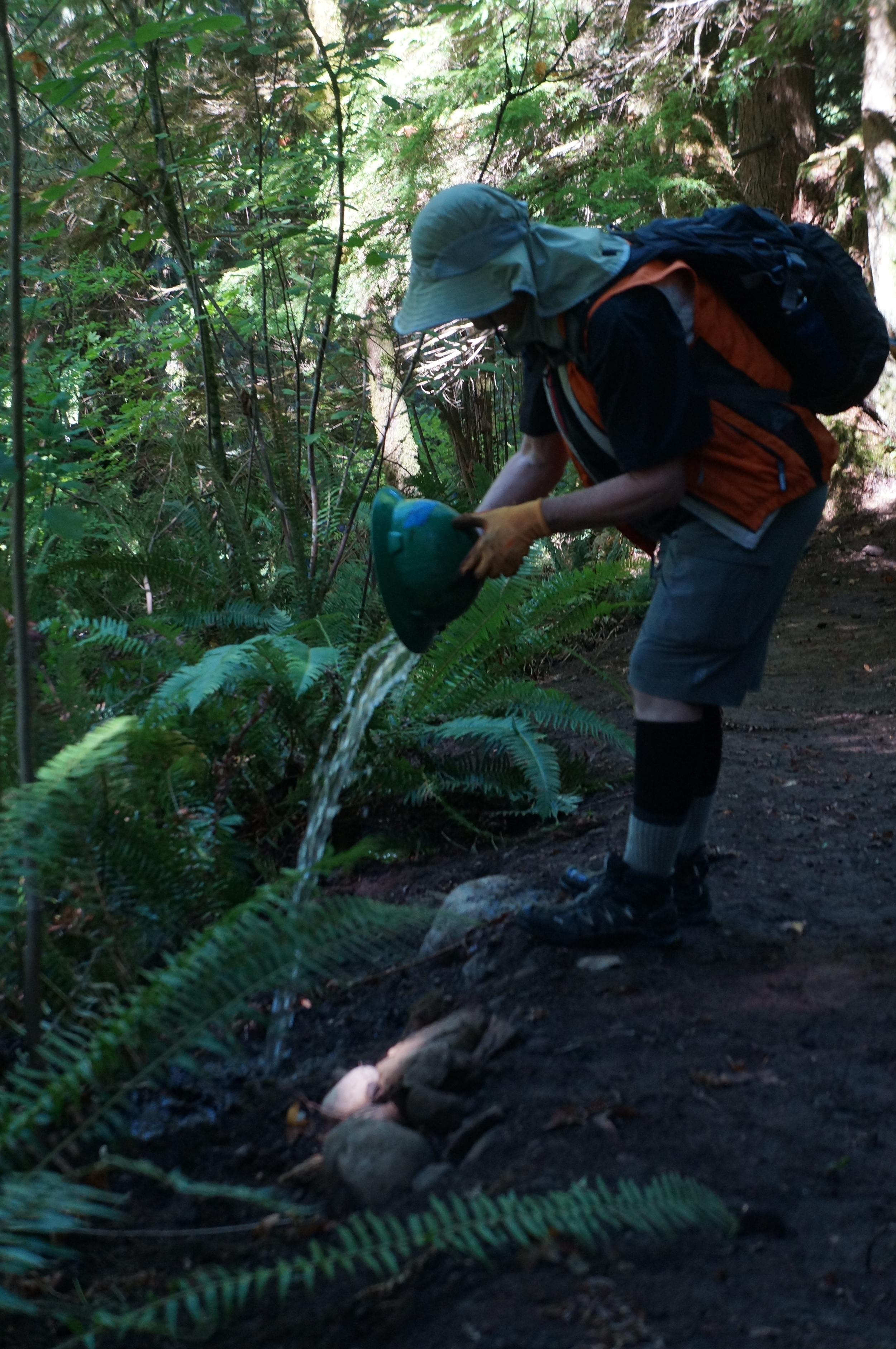
Stewardship Squad transplanted native sword ferns / Polystichum munitum alongside new trails created by the Washington Trails Association and in the middle of old trails being decommissioned due to poor design (drainage, grade, etc.).  It was a lovely end of summer day, just after a heavy downpour, so the plants and soil were hydrated enough to transplant- a bit risky until fall rain is steady.  We helped them along by filling our hardhats with water, hauling them up the hill and watering them in.  Great fun!